INNOVATIVE BEAUTY APPROACH
 46 Fort York Blvd, Toronto, ON M5V 3Z3

Sat: 10 AM – 6 PM
Sun : 10 AM - 6 PM



Eye Cream Guide: Benefits, Application & Best Ingredients
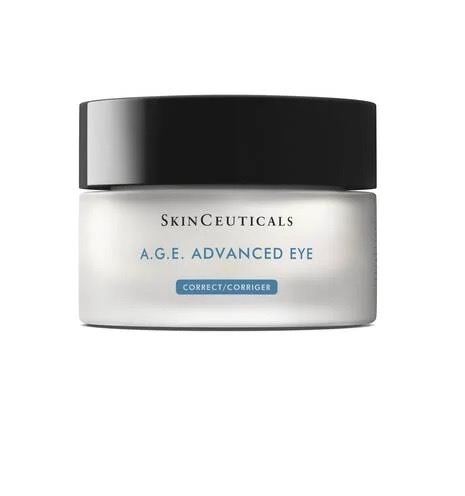
Eye Cream Guide: Benefits, Application & Best Ingredients
Introduction
Eye cream is one of those skincare products people either swear by or skip entirely, but understanding what it actually does can help you decide if it belongs in your routine. The delicate skin around your eyes is thinner and more prone to showing signs of aging, fatigue, and environmental damage than the rest of your face. This area lacks oil glands, making it naturally drier and more susceptible to fine lines, dark circles, and puffiness. A well-formulated eye cream delivers targeted ingredients that address these specific concerns while providing essential hydration and protection. Whether you're dealing with crow's feet, under-eye bags, or dark shadows, choosing the right eye treatment with proven active ingredients can make a noticeable difference. This guide breaks down everything you need to know about eye creams from understanding what they do to picking the best formulas for your unique skin needs.
What Does Eye Cream Actually Do?
Eye cream serves multiple purposes beyond just moisturizing the delicate eye area. The skin around your eyes is about 40% thinner than the skin on your cheeks, which means it loses moisture faster and shows damage more quickly. Eye creams are specifically formulated with concentrated active ingredients that target common concerns like wrinkles, dark circles, and puffiness without irritating this sensitive zone.
These specialized treatments deliver antioxidants, peptides, and hydrating compounds directly where they're needed most. Unlike regular face moisturizers, eye creams have lighter textures that won't migrate into your eyes or cause milia those small white bumps that form when products are too heavy for the area. The best formulas strengthen the skin barrier, boost collagen production, and improve microcirculation to reduce the appearance of aging and fatigue.
Think of eye cream as preventative maintenance for one of the first places your face shows age. Starting early typically in your mid-to-late twenties helps maintain skin elasticity and delay visible signs of aging. For those already seeing lines or discoloration, targeted eye treatments with proven ingredients can significantly improve texture and tone over consistent use.
How to Apply Eye Cream the Right Way
Proper application technique makes a huge difference in how well your eye cream works. Most people use way too much product or apply it too close to the lash line, which can lead to irritation and puffy eyes. Here's the method dermatologists recommend for getting the most out of your eye treatment.
Start with clean, dry skin and use your ring finger it naturally applies the least pressure, which is perfect for the delicate eye area. You only need a rice grain-sized amount for both eyes. Dot the cream along your orbital bone, starting from the inner corner beneath your eye and moving outward, then gently tap up along the outer corner where crow's feet form.
Avoid rubbing or tugging the skin. Instead, use light patting motions to help the product absorb. Stay at least a quarter-inch away from your lash line the cream will naturally migrate slightly as it warms up on your skin, and you don't want it getting into your eyes. Give the eye cream at least five minutes to fully absorb before layering other products like concealer or sunscreen.
For best results, apply eye cream twice daily morning and night. Morning application helps prep the area for makeup and provides antioxidant protection throughout the day, while nighttime use allows reparative ingredients to work while you sleep. Consistency matters more than the amount you use, so stick with your routine for at least 8-12 weeks to see real improvement.
Best Ingredients for Common Eye Area Concerns
Different eye concerns require different active ingredients, and knowing which ones actually work saves you money and frustration. Dark circles, puffiness, and wrinkles each respond to specific compounds backed by research.
For Dark Circles: Look for eye creams with caffeine, which constricts blood vessels to reduce the appearance of darkness, and vitamin K, which helps strengthen capillary walls. Niacinamide brightens discoloration over time, while vitamin C targets pigmentation from sun damage. Dark circles have multiple causes genetics, thinning skin, or visible blood vessels so you might need a combination of ingredients for the best results.
For Puffiness: Caffeine is your best friend here too, as it reduces fluid buildup that causes bags. Peptides help firm and tighten the skin, making the area look less swollen. Green tea extract provides anti-inflammatory benefits, while hyaluronic acid hydrates without adding weight. Keep your eye cream in the fridge for extra de-puffing power.
For Fine Lines and Wrinkles: Retinol remains the gold standard for smoothing wrinkles and boosting collagen production, but it can be irritating in high concentrations around the eyes. Start with a gentle retinoid formula designed for the eye area, or try bakuchiol as a plant-based alternative. Peptides signal your skin to produce more collagen and elastin, while antioxidants like vitamin E protect against further damage.
Eye Cream vs. Face Moisturizer: What's the Difference?
You might wonder if you really need a separate product for your eyes or if your regular face cream will do the job. While both provide hydration, eye creams are specifically engineered for the unique challenges of the periorbital area.
Face moisturizers typically contain larger molecules and richer oils that can overwhelm the thin skin around your eyes, leading to milia or morning puffiness. They're formulated for skin with more oil glands and a thicker protective barrier. Eye creams, on the other hand, use smaller molecules that penetrate better and lighter textures that won't weigh down delicate skin or migrate into your eyes during sleep.
The pH levels differ too. Eye area skin is more sensitive and requires gentler formulations with fewer potential irritants. Eye creams skip fragrances and harsh preservatives that might be fine for your cheeks but cause stinging or redness around your eyes. They also pack higher concentrations of targeted actives like peptides and antioxidants because this area needs more intensive treatment.
That said, if you're on a tight budget and in your early twenties with no specific concerns, a gentle, fragrance-free facial moisturizer can temporarily fill in. But once you hit your late twenties or start noticing dark circles, puffiness, or fine lines, investing in a proper eye cream makes sense. The targeted approach delivers better results for the problems you're actually trying to solve.
When to Start Using Eye Cream
The "right" age to start using eye cream depends more on your skin concerns and lifestyle than hitting a specific birthday. Most dermatologists suggest beginning in your mid-to-late twenties as a preventative measure, but if you're already seeing signs of aging or fatigue, start now regardless of your age.
Genetics play a huge role in how early you'll need eye treatment. If your parents developed crow's feet or dark circles young, you're likely to follow the same pattern. Sun exposure, smoking, screen time, and poor sleep accelerate aging around the eyes, so factor in your lifestyle habits when deciding if it's time to add this step to your routine.
Look for these signs that you'd benefit from eye cream: fine lines appearing when you smile, persistent dark circles that concealer can't hide, morning puffiness that takes hours to go down, or general dryness and crepiness in the eye area. If you're dealing with any of these, an eye cream with the right actives will help more than just using your regular moisturizer.
Starting early doesn't mean you need an intensive anti-aging formula. A simple hydrating eye cream with antioxidants works great for prevention in your twenties. As you age or your concerns change, you can upgrade to treatments with retinol, peptides, or other targeted ingredients. Think of it like maintaining your car regular basic care prevents bigger problems down the road.
Common Eye Cream Mistakes to Avoid
Even with the best eye cream, poor application habits or unrealistic expectations can sabotage your results. Here are the mistakes people make most often and how to fix them.
Using Too Much Product: More isn't better with eye cream. Overloading the area leads to milia, puffiness, and product getting into your eyes. Stick to a rice grain-sized amount for both eyes seriously, that tiny amount is enough.
Applying Too Close to the Lash Line: Your eye cream will naturally migrate as it warms up on your skin. Keep it on the orbital bone, at least a quarter-inch from your lashes, to prevent irritation and watery eyes.
Expecting Instant Results: Eye cream isn't magic. Most actives need 8-12 weeks of consistent twice-daily use before you'll see real improvement. Quick "instant tightening" claims usually just mean temporary skin-plumping from silicones, not actual repair.
Skipping Sunscreen: The best anti-aging eye treatment in the world won't help if you're not protecting the area from UV damage. Always wear SPF or sunglasses when you're outside sun exposure is the number one cause of premature aging around the eyes.
Not Storing Products Properly: Heat and light break down active ingredients, especially retinol and vitamin C. Keep your eye cream in a cool, dark place, or even refrigerate it for bonus de-puffing benefits.
Conclusion
Understanding how eye cream works and what ingredients target your specific concerns takes the guesswork out of choosing the right treatment for the delicate skin around your eyes. Whether you're dealing with dark circles, puffiness, fine lines, or just want to maintain healthy, hydrated skin in this sensitive area, the key is finding a formula with proven actives and using it consistently with proper technique.
Remember that eye cream isn't about fixing everything overnight it's about giving this vulnerable area the targeted care it needs to stay healthy and resilient over time. Start with a formula that addresses your main concern, apply it correctly using gentle patting motions along the orbital bone, and give it at least 8-12 weeks to show real results. Combined with good lifestyle habits like adequate sleep, sun protection, and staying hydrated, the right eye treatment can make a noticeable difference in how refreshed and youthful your eyes look.
Ready to upgrade your skincare routine? Explore professional-grade eye treatments and get personalized recommendations for your unique skin concerns at Bar Beauty Medical.