INNOVATIVE BEAUTY APPROACH
 46 Fort York Blvd, Toronto, ON M5V 3Z3

Sat: 10 AM – 6 PM
Sun : 10 AM - 6 PM



How to Fix Stubborn Acne Scars: The Most Effective Treatments
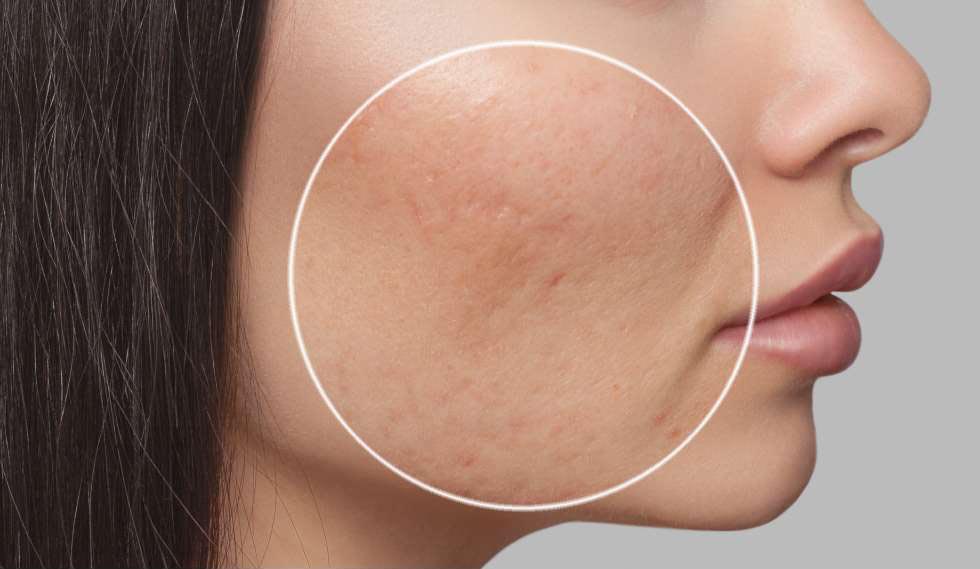
How to Fix Stubborn Acne Scars: The Most Effective Treatments
Introduction
Dealing with stubborn acne scars can be frustrating. The scars can stick around longer than the breakouts do. The good news is that there a legit treatments that can dramatically improve the appearence of texture. Whether you're dealing with deep pitted scars, rolling indentations, or discolouration, understanding your options is the first step toward getting your skin back. We've helped tons of people tackle their scarring concerns with treatments that actually work, not just temporary fixes. I will explain what can really make a difference and deliver legitamet results.
Understanding Your Acne Scars: What You're Actually Dealing With
Before we jump into solutions, it helps to know what type of scars you have. Different scars respond better to different treatments, so this actually matters.
Atrophic scars are the most common the indented marks that create texture issues. They come in three types: ice pick scars (those deep, narrow pits), boxcar scars (wider indentations with sharp edges), and rolling scars (wave-like depressions). These happen when your skin loses collagen while healing from inflammatory acne.
Hypertrophic and keloid scars are raised scars that form when your body goes overboard producing collagen. They're less common but can be really stubborn. Post-inflammatory hyperpigmentation (PIH) isn't technically scarring it's just discoloration but most people lump it in with acne scars anyway.
Knowing your scar type helps figure out which treatment will give you the best results. A proper skin assessment is where you need to start.
Laser Treatments for Acne Scars: What Actually Works
Laser therapy has become the gold standard for fixing acne scars, and honestly, it's earned that spot. Different lasers tackle different problems, so here's what you need to know.
Fractional CO2 laser resurfacing is the heavy hitter for deep acne scars. It creates thousands of tiny treatment zones in your skin, which kicks your body into healing mode and cranks up collagen production. The payoff? Way smoother skin texture and noticeably reduced scar depth. Yeah, there's downtime (usually 5-7 days of looking pretty rough), but if you've got severe scarring, this is your best bet.
Fractional non-ablative lasers are gentler with less recovery time. They work under your skin's surface to build collagen without stripping off the top layer. You'll need more sessions compared to CO2, but if you can't take a week off, this might be your move.
Pulsed dye lasers and IPL are great for the redness and discoloration that comes with acne scars. They won't fix texture problems, but they make your skin look way more even overall.
Most people see real improvement after 3-5 laser sessions, spaced about a month apart. Your skin keeps getting better for months afterward as new collagen builds up.
Microneedling and RF Microneedling: Building Better Skin From Within
Microneedling has blown up in popularity lately, and it's not just hype this stuff works for acne scars.
The concept is simple: tiny needles poke controlled injuries into your skin, which triggers your body's healing response. This pumps up collagen and elastin production, gradually filling in acne scars and smoothing texture. Regular microneedling handles mild to moderate scarring, needs minimal downtime, and costs less than lasers.
RF microneedling kicks it up a notch. Treatments like Morpheus8 combine the needling with radiofrequency energy that heats up deeper skin layers. This creates way more collagen remodeling, making it work better for deeper scars. The RF also tightens everything up, so you're getting extra benefits.
For acne scars, you're looking at 3-6 sessions spaced about a month apart. You'll see gradual improvement, with the best results showing up 2-3 months after your last session as your skin builds new collagen. Medical-grade microneedling (not those wimpy at-home rollers) is what you want proper depth control makes a huge difference.
Chemical Peels: Resurfacing Your Way to Smoother Skin
Chemical peels might sound old school, but they're still super relevant for certain types of acne scarring, especially when you combine them with other treatments.
TCA (trichloroacetic acid) peels are serious business for acne scars. Medium to deep TCA peels can improve boxcar and rolling scars by stripping away damaged layers and forcing collagen production. These aren't your spa facial peels medical-grade TCA requires someone who knows what they're doing and comes with real downtime, but it delivers for stubborn scarring.
Lighter peels (salicylic or glycolic acid) work better for surface stuff like discoloration and minor texture. They won't touch deep pitted scars, but they're solid for overall tone and can fit into a bigger treatment plan.
A lot of providers recommend combining peels with other treatments for better results. You might do a series of peels between laser sessions, or use lighter ones to maintain results after more aggressive procedures.
The cool thing about peels is there's a strength for almost every skin type and concern level. Just make sure whoever's doing them actually understands acne-scarred skin.
Dermal Fillers: Instant Improvement for Certain Scar Types
Here's something most people don't realize: dermal fillers can work really well for specific acne scars. They're temporary, but they give immediate results that other treatments can't.
How it works: If you've got deep, rolling, or boxcar acne scars, hyaluronic acid fillers literally fill in those depressions, bringing them level with the rest of your skin. It's a different game than building collagen you're physically filling the gap.
The best candidates are people with soft, rolling scars or wider boxcar scars. Ice pick scars (those narrow, deep ones) don't respond as well. Results are instant, which is perfect if you've got an event coming up or just want to see improvement right away.
The catch: They're temporary, lasting 6-18 months depending on the filler and how fast your body breaks it down. That said, some research suggests repeated filler treatments might actually stimulate collagen production, giving you longer-term benefits beyond the filler itself.
A lot of people use fillers as part of a combo approach getting immediate improvement while working on long-term collagen building through lasers or microneedling. It's about using every tool available to get the best skin possible.
Subcision and TCA Cross: Specialized Techniques for Tough Cases
For people with severe, stubborn acne scars that haven't responded to other stuff, there are specialized procedures that tackle the really difficult cases.
Subcision is a minor surgical thing where a needle goes under the scar to break up the fibrous bands pulling your skin down. Those bands create the depressed look of certain acne scars. Once they're released, your skin can lift back up, and the healing response builds new collagen underneath. Works great for rolling scars and some boxcar scars.
TCA Cross (Chemical Reconstruction of Skin Scars) involves putting super high-concentration TCA directly into individual ice pick or boxcar scars with a tiny applicator. This targeted approach causes inflammation and collagen production right in the scar, gradually filling it from the bottom up. It's precise work that takes real skill.
Both techniques usually work best combined with other treatments. You might do subcision first to release tethered scars, then follow with laser resurfacing to smooth everything out. Or use TCA Cross for deep ice pick scars while treating broader areas with microneedling.
These aren't first-choice treatments—they're what you use for really challenging cases. But when done right by someone with experience, they can make a huge difference for scars that seemed unfixable.
Creating Your Personalized Acne Scar Treatment Plan
Real talk: the most effective way to fix stubborn acne scars usually means combining treatments instead of just picking one. Your skin is unique, and so is your scarring.
What determines your treatment plan:
- Scar type and severity – Deep ice pick scars need different solutions than shallow rolling scars
- Skin type and tone – Some lasers work better on lighter skin, others are safe for darker complexions
- Downtime availability – Aggressive treatments get faster results but need recovery time
- Budget – Combination approaches can be phased out over time
The best starting point is getting a proper consultation to assess your specific situation. Look at scar types, current skin condition, what you've already tried, and what you're hoping for. Then build a realistic timeline.
A typical combination approach might be:
- Start with RF microneedling (3-4 sessions) to build foundational collagen
- Add targeted TCA Cross for any deep ice pick scars
- Follow with fractional laser for overall texture refinement
- Maintain with lighter peels and solid skincare
The key is patience. Acne scar improvement happens gradually as your skin builds new collagen. Most people see noticeable results within 3-6 months, with continued improvement for up to a year after treatment.
Conclusion
Fixing stubborn acne scars is totally possible with the right treatment approach. Whether you're dealing with deep pitted scars, rolling texture issues, or lingering discoloration, today's treatments from lasers and RF microneedling to specialized techniques like subcision offer real solutions. The most important step is getting a proper assessment from someone experienced who can create a personalized plan based on your specific scarring and skin type. You don't have to live with acne scars that mess with your confidence. Take the first step and find out what combination of treatments will work best for your skin.