INNOVATIVE BEAUTY APPROACH
 46 Fort York Blvd, Toronto, ON M5V 3Z3

Sat: 10 AM – 6 PM
Sun : 10 AM - 6 PM



Is PRF Better Than PRP? Comparing Two Powerhouse Regenerative Treatments
Is PRF Better Than PRP? Comparing Two Powerhouse Regenerative Treatments
Introduction
If you've been looking into natural anti-aging treatments or hair restoration options, you've probably come across both PRP and PRF. These regenerative therapies have been creating serious buzz in the aesthetic medicine world, and for good reason. They use your own blood to trigger your body's natural healing abilities, promoting collagen production, tissue repair, and genuine rejuvenation from within.
But here's where it gets confusing: Is PRF actually better than PRP? Are they basically the same thing with different marketing? And which one should you choose for your specific concerns?
The short answer is that PRF represents the next generation of platelet-rich therapy. It contains higher concentrations of growth factors, releases them more slowly over time, and typically delivers more dramatic, longer-lasting results than traditional PRP. However, the "better" choice really depends on your individual goals, skin condition, and what you're trying to achieve.
Let's break down everything you need to know about these two treatments so you can make an informed decision about which regenerative therapy is right for you.
Understanding PRP: The Original Platelet-Rich Treatment
PRP stands for Platelet-Rich Plasma, and it's been around since the early 2000s as a regenerative treatment option. Think of it as the first generation of using your body's own healing power in a concentrated, targeted way.
How PRP Actually Works
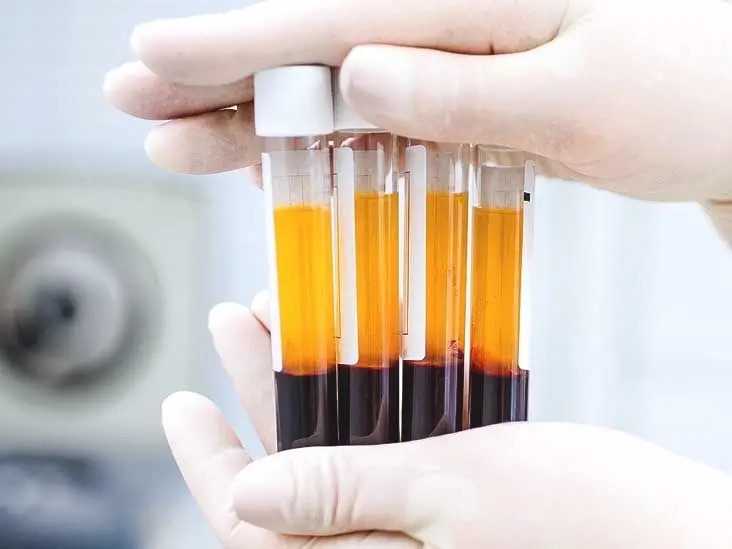
The PRP process is pretty straightforward. Your practitioner draws a small amount of your blood, then places it in a centrifuge machine that spins at high speed. This spinning action separates the different components of your blood, isolating the plasma that's rich in platelets.
Platelets are the real MVPs here. They contain growth factors that naturally signal your body to repair damaged tissue, build new collagen, and increase blood flow to treated areas. When this concentrated plasma gets injected back into your skin or scalp, it kickstarts your body's natural healing cascade.
During the PRP preparation process, an anticoagulant is added to prevent the blood from clotting. This keeps the material injectable and workable, but it also changes how the platelets behave once they're reintroduced to your tissue.
What PRP Treats Best
PRP has established itself as an effective treatment for several concerns:
For Skin Rejuvenation:
- Fine lines and wrinkles
- Uneven skin texture
- Dull or lackluster complexion
- Mild acne scarring
- Overall skin quality improvement
For Hair Restoration:
- Thinning hair (especially hormonal hair loss)
- Weakening hair follicles
- Receding hairline
- Pattern baldness in early to moderate stages
PRP works particularly well when combined with microneedling for facial rejuvenation. The tiny channels created by the microneedles allow the platelet-rich plasma to penetrate deeper into the skin, maximizing results.
The Science Behind PRP Results
Clinical research has consistently shown that PRP treatments can stimulate collagen production, improve skin elasticity, and activate dormant hair follicles. Studies on PRP for hair loss have been especially promising, with many patients experiencing measurable increases in hair density and thickness after a series of treatments.
The growth factors in PRP include PDGF (platelet-derived growth factor), TGF (transforming growth factor), VEGF (vascular endothelial growth factor), and EGF (epidermal growth factor). Each of these plays a specific role in tissue healing and regeneration.
What Is PRF and How Does It Differ?
PRF stands for Platelet-Rich Fibrin, and it represents the evolution of platelet therapy. While it uses the same basic concept as PRP (concentrating platelets from your own blood), the preparation process and final composition are significantly different.
The PRF Processing Method
The key difference starts with how PRF is created. Instead of spinning your blood at high speed with anticoagulants added, PRF uses a slower centrifugation speed without any additives or anticoagulants.
This gentler processing method preserves more of your blood's natural components. The result is a fibrin matrix (a mesh-like protein structure) that contains not just platelets, but also white blood cells, stem cells, and a higher concentration of different types of growth factors.
Think of it this way: PRP is like getting the highlight reel of your blood's healing properties, while PRF is the director's cut with all the extra footage that makes the story even better.
Why the Fibrin Matrix Matters
The fibrin matrix in PRF is like a slow-release capsule for growth factors. Instead of releasing everything quickly (like PRP tends to do), the fibrin scaffold releases healing factors gradually over several days to weeks. This sustained release means your tissue gets a longer period of regenerative stimulation.
The fibrin matrix also provides structural support. It's thicker and more gel-like than liquid PRP, which makes it ideal for certain applications like treating hollow under-eyes or areas that need a subtle volume boost along with rejuvenation.
What PRF Contains That PRP Doesn't
PRF typically includes:
- Higher platelet concentration (3-5 times more than whole blood vs PRP's 2-3 times)
- White blood cells that reduce inflammation
- Stem cells that can differentiate into various tissue types
- Fibrin that creates a natural scaffold
- A more diverse array of growth factors
- No synthetic additives or anticoagulants
This richer composition is why many practitioners and patients consider PRF the superior option for tissue regeneration and healing.
PRF vs PRP: Breaking Down the Key Differences
Let's get into the specific ways these treatments differ and what that means for your results.
Composition and Concentration
PRP Composition:
- Concentrated platelets suspended in plasma
- Requires anticoagulant during processing
- Contains primarily platelets and growth factors
- Liquid consistency
PRF Composition:
- Platelets embedded in fibrin matrix
- No anticoagulants or additives needed
- Contains platelets, white blood cells, stem cells, and fibrin
- Gel-like, thicker consistency
The absence of anticoagulants in PRF is significant. Research suggests that anticoagulants can actually reduce the effectiveness of healing factors, meaning PRF potentially delivers more potent regenerative effects.
Release of Growth Factors
This is one of the biggest distinctions:
PRP: Releases growth factors rapidly, typically within the first 1-2 hours after injection. This provides a quick burst of healing signals but doesn't sustain the regenerative process as long.
PRF: Releases growth factors slowly and continuously for 7-10 days after treatment. This prolonged release means your tissue receives sustained stimulation, potentially leading to more comprehensive healing and rejuvenation.
Think of it like watering a plant. PRP gives a good soaking all at once, while PRF provides steady hydration over an extended period. Both help the plant grow, but the sustained approach often yields stronger, healthier results.
Treatment Applications and Versatility
PRP Excels At:
- Hair restoration (strongly backed by research)
- Microneedling combination treatments
- Athletic injury recovery
- Mild to moderate facial rejuvenation
- Areas requiring liquid consistency
PRF Shines For:
- Advanced facial aging concerns
- Under-eye hollowing and dark circles
- Deeper acne scars and texture issues
- Areas needing subtle volume plus rejuvenation
- More aggressive anti-aging protocols
PRF's thicker consistency allows it to provide both regenerative benefits and mild structural support, making it valuable for delicate areas like the tear trough (under-eye region) where traditional PRP might not provide enough substance.
Treatment Longevity and Results Timeline
PRP Results:
- Initial improvement: 4-6 weeks
- Peak results: 2-3 months
- Duration: 6-12 months typically
- Maintenance: Usually requires 3-4 sessions initially, then yearly touch-ups
PRF Results:
- Initial improvement: 2-4 weeks
- Peak results: 2-4 months
- Duration: 12-18 months or longer
- Maintenance: Often requires 2-3 sessions initially, potentially longer between maintenance treatments
Many patients report that PRF results feel more gradual but also more substantial. The tissue quality improvement tends to be deeper and more noticeable over time.
Clinical Evidence: What Does Research Say?
While both PRP and PRF have scientific backing, the research is evolving to show distinct advantages for PRF in several applications.
Studies on Growth Factor Release
A landmark study published in the Journal of Periodontology found that PRF delivered significantly greater and more sustained growth factor release compared to PRP during the critical early healing phase. This research helps explain why many patients experience deeper regenerative results with PRF.
The study measured specific growth factors including VEGF, PDGF, and TGF-beta at multiple time points. PRF consistently showed higher levels of these healing factors over a 10-day period, while PRP showed an initial spike followed by rapid decline.
PRF for Acne Scar Treatment
Research comparing PRP and PRF for acne scar improvement found compelling results. Patients treated with PRF showed greater reduction in scar depth, improved skin texture, and enhanced overall skin firmness compared to those treated with PRP.
The study suggested that the sustained release of growth factors in PRF allowed for more complete collagen remodeling in scarred tissue, resulting in smoother, more even skin over time.
Hair Restoration Research
PRP for hair loss has the most extensive research backing, with numerous studies confirming its effectiveness for androgenetic alopecia (pattern hair loss). However, emerging research on PRF for hair restoration is showing promising results, with some studies suggesting even better outcomes due to the higher concentration of growth factors.
One recent study found that patients treated with PRF for hair loss showed greater increases in hair density and thickness compared to PRP-treated patients at the six-month mark. However, more large-scale studies are needed to fully establish PRF's superiority for hair restoration.
Which Treatment Is Better for Skin Rejuvenation?
The "better" treatment for your skin depends on your specific concerns, age, and aesthetic goals. Here's how to think about it:
Choose PRP for Skin If You Have:
Early Signs of Aging: If you're in your late 20s to mid-30s and starting to see the first fine lines or noticing your skin isn't as plump as it used to be, PRP can provide excellent preventative benefits and a natural glow-up.
Mild Texture Concerns: Slightly uneven skin tone, minor textural irregularities, or dullness respond beautifully to PRP, especially when combined with microneedling.
Budget Considerations: If you're looking for an effective natural treatment at a slightly lower price point, PRP offers excellent value for early to moderate concerns.
First-Time Platelet Therapy: Many practitioners recommend starting with PRP to see how your skin responds to platelet therapy before potentially upgrading to PRF.
Choose PRF for Skin If You Have:
Advanced Aging Concerns: For more pronounced wrinkles, significant volume loss, or moderate to severe textural issues, PRF's higher concentration of growth factors and sustained release can deliver more dramatic improvement.
Under-Eye Hollowing: The tear trough area is notoriously difficult to treat. PRF's thicker consistency and regenerative properties make it ideal for addressing dark circles, crepey skin, and hollowing under the eyes.
Deep Acne Scarring: Research shows PRF outperforms PRP for deeper acne scars and significant textural damage. The sustained growth factor release allows for more complete tissue remodeling.
Looking for Maximum Longevity: If you want results that last as long as possible and don't mind the slightly higher upfront cost, PRF typically provides longer-lasting improvements.
Combination Approaches
Some patients benefit from a hybrid approach, using PRP for certain areas and PRF for others, or alternating treatments depending on their evolving needs. Your aesthetic practitioner can help design a customized protocol that maximizes results for your unique situation.
Which Treatment Works Better for Hair Loss?
Hair restoration is one of the most popular applications for platelet-rich therapies, and the choice between PRP and PRF involves weighing research backing against emerging evidence.
PRP for Hair Restoration
PRP has the most extensive clinical evidence for treating hair loss, particularly androgenetic alopecia (pattern baldness). Multiple peer-reviewed studies have confirmed that PRP injections can:
- Increase hair density and thickness
- Activate dormant hair follicles
- Extend the growth phase of hair
- Reduce shedding
- Improve hair shaft diameter
The American Academy of Dermatology recognizes PRP as a viable treatment option for hair loss, and many dermatologists and hair restoration specialists use it as part of comprehensive treatment plans.
Best Candidates for PRP Hair Treatment:
- Early to moderate hair thinning
- Hormonal hair loss (androgenetic alopecia)
- Post-partum hair loss recovery
- Thinning related to stress or nutritional deficiencies
- Patients seeking a well-researched, proven option
PRF for Hair Restoration
PRF is the newer player in hair restoration, but early results are impressive. The higher concentration of growth factors, stem cells, and white blood cells theoretically provides more powerful follicle stimulation.
Several recent studies have shown that PRF may produce:
- Greater increases in hair density
- Faster visible improvement
- More dramatic thickness enhancement
- Potentially longer-lasting results
Best Candidates for PRF Hair Treatment:
- More advanced hair thinning
- Patients who want maximum regenerative potential
- Those who haven't responded optimally to PRP
- Weakened follicles that need intensive support
- People looking for fewer total treatment sessions
Treatment Protocol for Both
Whether you choose PRP or PRF for hair restoration, you'll typically follow a similar treatment schedule:
Initial Phase: 3-4 treatments spaced 4-6 weeks apart Maintenance Phase: Touch-up treatments every 6-12 months
Visible improvement usually begins around the 3-4 month mark, with progressive enhancement over 6-12 months as the growth factors continue working and new hair growth cycles develop.
The Patient Experience: What to Expect
Understanding what happens during treatment can help you feel more comfortable with whichever option you choose.
Before Your Treatment
Both PRP and PRF require some simple preparation:
Hydration: Drink plenty of water in the 24-48 hours before treatment. Well-hydrated blood processes more easily and yields better quality platelet concentrate.
Avoid Blood Thinners: Stop aspirin, ibuprofen, and other NSAIDs 3-5 days before treatment (with your doctor's approval). These can affect platelet function.
Clean Skin: Arrive with clean, makeup-free skin if treating the face. If treating hair, wash your hair but avoid heavy styling products.
Eat Well: Have a good meal before your appointment. This helps ensure stable blood sugar during the blood draw.
During the Treatment
Here's what happens at Bar Beauty Medical:
1. Consultation (10-15 minutes): We discuss your specific concerns, review your medical history, assess treatment areas, and confirm your customized treatment plan.
2. Blood Draw (5 minutes): A small amount of blood is collected (similar to routine bloodwork). Most patients barely feel this part.
3. Processing (10-15 minutes): Your blood is processed in our centrifuge while you relax. For PRP, this takes about 10 minutes. PRF takes slightly longer.
4. Numbing (15-20 minutes): We apply topical numbing cream to treatment areas. This makes the injection process comfortable.
5. Treatment (20-30 minutes): The PRP or PRF is applied via injection, microneedling, or both, depending on your specific treatment plan. Most patients describe minimal discomfort.
6. Aftercare Instructions (5 minutes): We provide specific guidelines for post-treatment care to maximize your results.
After Your Treatment
Immediate Effects (Day 0-2):
- Mild redness and swelling (usually 24-48 hours)
- Possible minor bruising at injection sites
- Slight tenderness in treated areas
- Most patients return to normal activities the same day or next day
Early Phase (Week 1-4):
- Swelling fully resolves
- Skin may look slightly improved but major changes haven't started yet
- Growth factors are actively working beneath the surface
Results Phase (Week 4-16):
- Gradual improvement in skin texture, tone, and firmness
- For hair: reduced shedding, then new growth beginning
- Progressive enhancement as collagen rebuilding continues
Peak Results (Month 2-4):
- Maximum visible improvement
- Significant texture and quality enhancement
- Hair density increase becomes noticeable
Safety, Side Effects, and Considerations
One of the biggest advantages of both PRP and PRF is their excellent safety profile. Since they use your own blood, there's no risk of allergic reaction or rejection.
Common Side Effects
Mild and Temporary:
- Redness (24-48 hours)
- Swelling (1-3 days)
- Minor bruising (3-7 days)
- Tenderness at injection sites (2-4 days)
- Temporary bumps under the skin that resolve quickly
Rare Side Effects:
- Infection (extremely rare with proper technique)
- Significant bruising in some individuals
- Temporary acne flare if you're prone to breakouts
Who Shouldn't Get PRP or PRF
These treatments aren't suitable for everyone:
Absolute Contraindications:
- Active cancer or history of certain cancers
- Blood disorders or clotting issues
- Active infections
- Pregnancy or breastfeeding
- Current use of blood thinners (in most cases)
Relative Contraindications (Discuss with Provider):
- Autoimmune conditions
- Chronic liver disease
- Low platelet count
- Active skin infections or conditions in treatment area
- Recent Accutane use
How to Maximize Your Results
Before Treatment:
- Stay well-hydrated
- Avoid blood-thinning substances
- Get adequate sleep
- Maintain a nutrient-rich diet
After Treatment:
- Avoid strenuous exercise for 24-48 hours
- Don't apply makeup for 12-24 hours (facial treatments)
- Avoid direct sun exposure and use SPF diligently
- Stay hydrated
- Avoid alcohol for 48 hours
- Don't use harsh skincare products for a few days
Long-Term:
- Protect your investment with good skincare
- Use quality sunscreen daily
- Maintain a healthy lifestyle
- Follow recommended treatment schedule
Making Your Decision: PRP or PRF?
After all this information, you're probably wondering: which one should I actually choose?
Choose PRP If:
- ✓You have mild to moderate concerns
- ✓ This is your first regenerative treatment
- ✓ You're looking for preventative anti-aging
- ✓ You want the most research-backed option (especially for hair)
- ✓Budget is a primary consideration
- ✓You prefer starting with a less intensive option
Choose PRF If:
- ✓ You're treating under-eye area
- ✓ You want maximum regenerative potential
- ✓ You prefer longer-lasting results
- ✓ You're looking for the most advanced option available
- ✓ You have deep scarring or significant texture issues
- ✓ You have moderate to advanced aging concerns
Questions to Ask Your Provider
- "Based on my specific concerns, which treatment do you recommend and why?"
- "How many sessions will I likely need with each option?"
- "What kind of results have your patients seen with each treatment?"
- "Can we start with one and switch to the other if needed?"
- "Do you offer combination treatments or hybrid approaches?"
Why Choose Bar Beauty Medical for Your Regenerative Treatments
At Bar Beauty Medical in Toronto, we offer both PRP and PRF treatments administered by experienced medical professionals who understand the nuances of regenerative aesthetics.
Our Approach
Personalized Assessment: We don't believe in one-size-fits-all protocols. Every treatment plan is customized based on your unique skin condition, aesthetic goals, and budget.
Advanced Techniques: We use state-of-the-art centrifugation technology and proper processing protocols to ensure the highest quality PRP and PRF preparation.
Combination Expertise: We can integrate PRP or PRF with other treatments like microneedling, laser therapy, or medical-grade skincare for comprehensive results.
Transparent Communication: We'll clearly explain what you can realistically expect, the timeline for results, and the investment required.
Comfortable Experience: From consultation through treatment and follow-up, we prioritize your comfort and create a relaxing, professional environment.
Conclusion
So, is PRF better than PRP? The honest answer is that PRF represents an advancement in regenerative medicine with higher concentrations of healing factors, sustained release, and potentially superior results for many applications. However, PRP remains an excellent, well-researched option that delivers impressive results, particularly for hair restoration and mild to moderate skin rejuvenation.
The "better" choice comes down to your individual situation. PRP offers proven effectiveness at a slightly lower price point and works beautifully for early concerns and prevention. PRF delivers more intensive regeneration with longer-lasting results and excels at treating advanced aging, under-eye concerns, and significant textural issues.
Many patients start with PRP and graduate to PRF as their concerns evolve, while others jump straight to PRF for maximum results from the beginning. Some even use both strategically for different areas or alternating treatments.
The key is working with an experienced provider who can assess your unique needs, explain your options honestly, and create a treatment plan that aligns with your goals and expectations.
Ready to discover which regenerative treatment is right for you? Book a consultation at Bar Beauty Medical in Toronto, and let's create your personalized plan for natural, lasting rejuvenation. Your best skin and hair start with understanding your options and we're here to guide you every step of the way.