INNOVATIVE BEAUTY APPROACH
 46 Fort York Blvd, Toronto, ON M5V 3Z3

Sat: 10 AM – 6 PM
Sun : 10 AM - 6 PM



Melasma Treatment Options That Actually Work
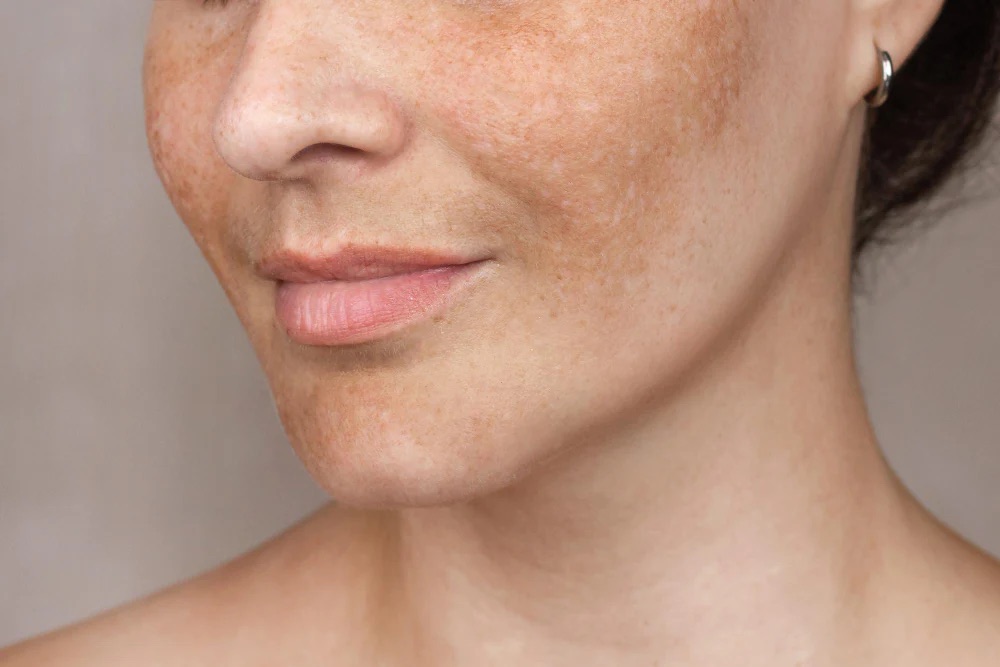
Melasma Treatment Options That Actually Work
Introduction
Melasma is common skin condition affects millions, particularly women during hormonal changes like pregnancy or while using birth control. The good news? Effective melasma treatments exist, and understanding your options makes all the difference in achieving clearer skin. At Bar Beauty Medical in Toronto, we've seen firsthand how the right combination of treatments for melasma can transform not just your complexion, but your confidence. Whether you're exploring your first treatment or frustrated with previous attempts, this guide breaks down what actually works for hyperpigmentation, from proven topical solutions to advanced laser therapies that target stubborn discoloration at its source.
Understanding Melasma: Why Traditional Treatments Often Fail
Melasma isn't just surface-level hyperpigmentation it's a complex skin condition triggered by hormones, sun exposure, and genetic factors. Those dark patches appearing symmetrically on your cheeks, forehead, nose, and upper lip are caused by overactive melanocytes deep in your skin layers. This is exactly why many over-the-counter brightening creams barely make a dent in your pigmentation.
The challenge with treating melasma lies in its stubborn nature. UV exposure triggers melanin production, hormonal fluctuations keep it activated, and inflammation from aggressive treatments can actually make it worse a frustrating cycle called post-inflammatory hyperpigmentation. That's why successful melasma treatment requires a strategic, multi-layered approach rather than a single miracle product.
Understanding your melasma type matters too. Epidermal melasma (pigment in the top skin layer) responds better to treatments than dermal melasma (deeper pigmentation) or mixed-type melasma. A proper skin analysis using tools like a Wood's lamp helps determine which treatments will actually work for your specific case, saving you time, money, and disappointment.
Medical-Grade Topical Treatments: The Foundation of Melasma Care
The gold standard for melasma topical treatment starts with prescription-strength ingredients that actually penetrate skin and inhibit melanin production. Hydroquinone remains the most clinically proven option this tyrosinase inhibitor directly stops pigment formation at the cellular level. While over-the-counter products max out at 2% concentration, prescription formulas offer 4-12% strength that delivers visible results within 8-12 weeks.
Tretinoin (a prescription retinoid) accelerates skin cell turnover, bringing fresh, unpigmented cells to the surface while pushing out existing discoloration. When combined with hydroquinone and a corticosteroid in the famous Kligman formula (also called triple cream), you get one of the most effective combinations for stubborn facial pigmentation. Just know these powerful ingredients require professional guidance they can cause irritation if misused.
Beyond hydroquinone, newer alternatives like tranexamic acid, kojic acid, and azelaic acid offer gentler options with impressive results. Tranexamic acid works by blocking UV-induced pigmentation pathways, making it particularly valuable for hormone-related melasma. Kojic acid naturally inhibits tyrosinase, while 15-20% azelaic acid addresses both pigmentation and inflammation. Many patients see the best results from rotating or combining these ingredients under medical supervision, creating a customized topical regimen that works with their skin rather than against it.
Chemical Peels: Strategic Exfoliation for Deeper Results
Chemical peels for melasma offer targeted exfoliation that removes pigmented skin layers while stimulating collagen production for overall skin rejuvenation. The key is choosing the right peel depth and formulation going too aggressive can trigger rebound hyperpigmentation, while too gentle won't penetrate deep enough to address dermal pigment.
Glycolic acid peels (20-70% concentration) work beautifully for epidermal melasma, gradually lightening surface discoloration through controlled exfoliation. These alpha hydroxy acid treatments improve skin texture and tone simultaneously, making them a favorite for patients seeking overall skin brightening. Most patients benefit from a series of 4-6 peels spaced 2-4 weeks apart, with visible lightening becoming apparent after the second treatment.
Jessner's peels and TCA (trichloroacetic acid) peels penetrate deeper, addressing both epidermal and superficial dermal pigmentation. These medium-depth peels create more dramatic results but require careful application and proper aftercare. The Cosmelan peel specifically targets melasma with a unique combination of depigmenting agents, offering significant improvement even for stubborn cases. Whatever peel you choose, success depends on strict sun protection afterward unprotected sun exposure can undo months of progress in just days.
Laser and Light Therapy: Advanced Technology for Stubborn Pigmentation
Laser treatment for melasma has evolved significantly, with newer technologies offering effective results when traditional methods fall short. The challenge lies in using enough energy to break up pigment without triggering inflammation that makes melasma worse. That's where advanced laser systems like PicoSure and Q-switched lasers shine their ultra-short pulses shatter pigment particles without the prolonged heat exposure that caused problems with older laser technology.
Low-fluence Q-switched Nd:YAG lasers (specifically the "laser toning" technique) deliver gentle, repeated treatments that gradually lighten melasma without the aggressive inflammation of traditional laser resurfacing. Most patients need 6-10 sessions spaced 1-2 weeks apart, with improvements becoming visible around session 3-4. This approach works particularly well for mixed-type or dermal melasma that doesn't respond to topicals alone.
Intense Pulsed Light (IPL) photofacials offer another option, using broad-spectrum light to target melanin clusters while stimulating collagen production. While not technically a laser, IPL delivers impressive results for epidermal melasma and sun damage, with the added benefit of addressing redness and visible capillaries simultaneously. The key to successful laser therapy for melasma is working with an experienced practitioner who understands how to adjust settings for darker skin tones improper treatment can cause hypopigmentation or worsening discoloration, particularly in patients with Fitzpatrick skin types IV-VI.
Microneedling and Combination Therapies: Amplifying Your Results
Microneedling creates controlled micro-injuries that trigger your skin's healing response while creating channels for better product penetration making it an excellent complement to topical melasma treatments. When combined with serums containing tranexamic acid, vitamin C, or other brightening ingredients (a technique called microneedling with infusion), the treatment delivers active ingredients deeper into the skin where they can work more effectively.
The real magic happens with combination therapy protocols that address melasma from multiple angles simultaneously. For example, starting with a course of chemical peels to exfoliate pigmented skin, maintaining results with prescription topicals, and adding quarterly laser toning sessions creates a comprehensive approach that prevents the relapse common with single-treatment methods.
Radiofrequency microneedling takes this further by adding thermal energy to the equation, stimulating collagen remodeling while improving product absorption. This makes it particularly valuable for patients dealing with both melasma and aging concerns like fine lines or skin laxity. At Bar Beauty Medical, we customize combination treatment plans based on your specific melasma type, skin tone, lifestyle factors, and treatment goals because what works for your friend's pigmentation might not be ideal for yours.
Prevention and Maintenance: Keeping Melasma from Coming Back
Here's the truth nobody wants to hear: melasma requires lifelong management. Even after successful treatment for hyperpigmentation, the hormonal and genetic factors that triggered your melasma don't disappear. That's why prevention and maintenance strategies are just as important as the initial treatment itself.
Sun protection is non-negotiable and we're talking about more than just SPF. You need broad-spectrum sunscreen with SPF 50+ containing both physical blockers (zinc oxide, titanium dioxide) and chemical filters, reapplied every two hours during sun exposure. Add wide-brimmed hats, UV-protective sunglasses, and seeking shade during peak hours (10am-4pm) to truly shield your skin from the UV exposure that reactivates melanocytes.
Beyond sun protection, managing hormonal triggers makes a significant difference. If birth control pills or hormone replacement therapy worsened your melasma, discussing alternatives with your doctor might help. Pregnancy-related melasma (chloasma) often improves after delivery, but preventive measures during pregnancy protect against permanent pigmentation changes.
Maintenance treatments keep melasma in check long-term. This might mean quarterly chemical peels, continued use of prescription topicals at lower concentrations, or periodic laser toning sessions. Regular check-ins with your medical aesthetics provider let you adjust your maintenance protocol as seasons change, hormones fluctuate, or new treatment options become available. Think of melasma management as similar to maintaining clear skin through consistent skincare the effort you put in determines the results you maintain.
Conclusion
Melasma treatment success comes down to understanding that there's no single cure rather, it's about finding the right combination of treatments tailored to your specific pigmentation, skin type, and lifestyle. From medical-grade topicals that inhibit melanin production to advanced laser therapies that target stubborn discoloration, effective options exist for even the most persistent facial pigmentation. The key is working with experienced professionals who can create a customized treatment plan, combining approaches like chemical peels, prescription retinoids, and maintenance therapies that address your unique melasma pattern.
At Bar Beauty Medical in Toronto, we've helped countless patients achieve clearer, more even-toned skin through strategic, evidence-based melasma treatments. Whether you're just beginning to explore treatment options for hyperpigmentation or you're frustrated with previous attempts that didn't deliver lasting results, our team provides the expertise and advanced technology needed to tackle stubborn discoloration effectively. Don't let melasma hold you back from feeling confident in your skin book your consultation today and discover which proven treatment approach will work best for you.