INNOVATIVE BEAUTY APPROACH
 46 Fort York Blvd, Toronto, ON M5V 3Z3

Sat: 10 AM – 6 PM
Sun : 10 AM - 6 PM



Skin Barrier Anti-Aging: Protect & Strengthen Your Skin
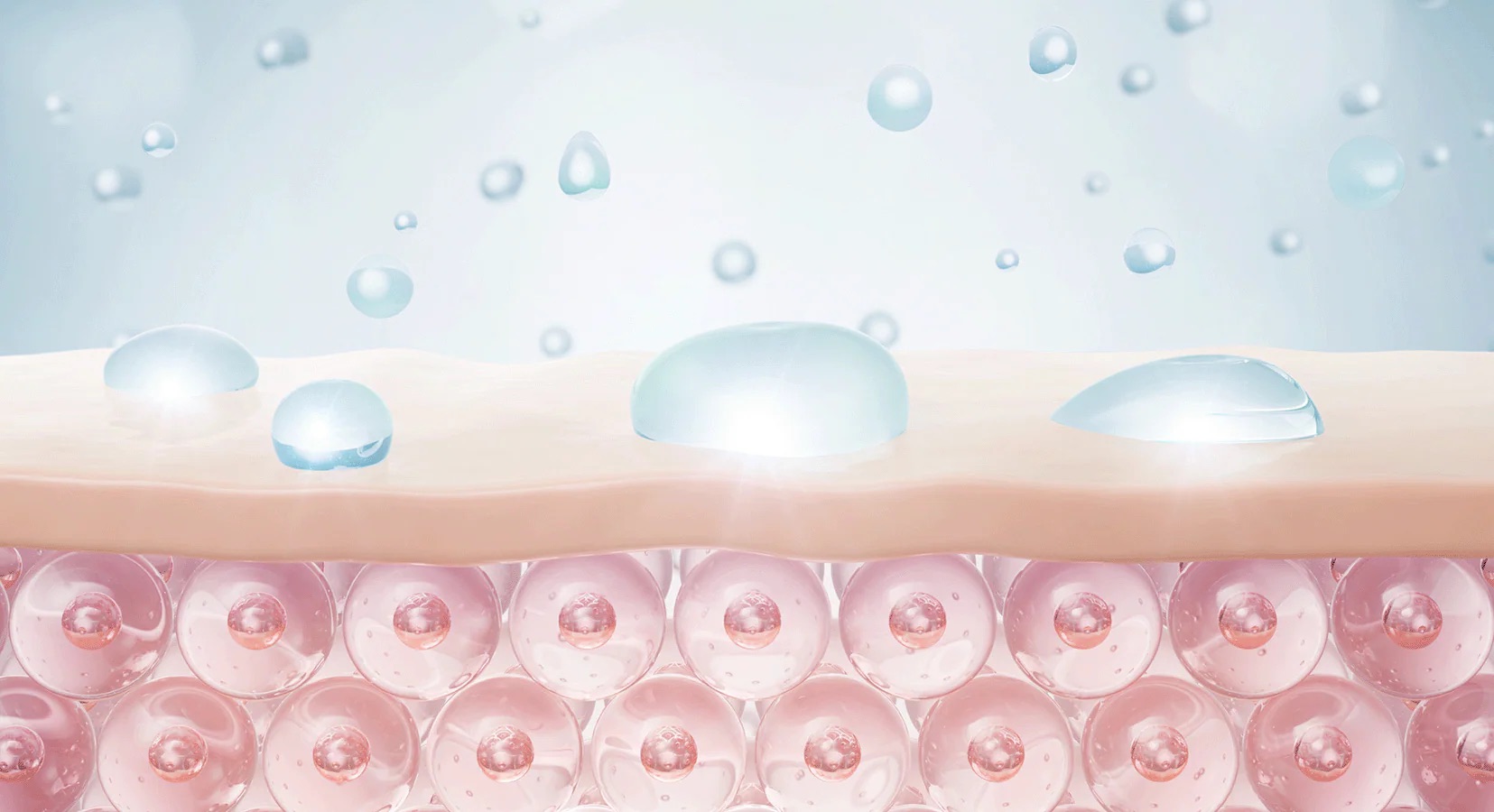
Skin Barrier Anti-Aging: Protect & Strengthen Your Skin
Understanding Your Skin Barrier's Role in Anti-Aging
Think of your skin barrier as the bodyguard your complexion desperately needs. This outermost layer, known as the stratum corneum, isn't just sitting there looking pretty it's actively fighting off everything from harsh winter winds to aggressive free radicals that age your skin faster than you can say "fine lines and wrinkles."
Here's the thing that most people miss: you can slather on all the expensive anti-aging serums you want, but if your skin barrier is damaged, you're basically pouring money down the drain. A compromised barrier means your skin can't hold onto hydration, defend against environmental damage, or maintain that youthful bounce we all want. Research shows that barrier dysfunction accelerates visible aging through increased transepidermal water loss and chronic low-grade inflammation.
The skin barrier consists of dead skin cells bound together by lipids, proteins, and ceramides think of it as a brick-and-mortar structure protecting the living cells underneath. When this protective shield is intact, your skin looks plump, radiant, and resilient. When it's damaged? That's when you start seeing premature aging, increased sensitivity, dryness, and all those frustrating skin issues that make you look older than you feel.
How Barrier Damage Accelerates Skin Aging
Let's get real about what happens when your barrier takes a beating. The aging process isn't just about birthdays it's about how well your skin can defend itself day after day.
Moisture Loss Creates Visible Aging
When your barrier is compromised, transepidermal water loss goes into overdrive. Translation? Your skin is literally leaking moisture like a broken faucet. This dehydration makes fine lines more prominent, creates that crepey texture nobody wants, and leaves your complexion looking dull and tired. Studies confirm that approximately one liter of moisture evaporates from skin daily, and with barrier damage, this loss accelerates significantly.
Environmental Aggressors Get Free Access
A healthy barrier blocks UV radiation, pollution particles, bacteria, and other environmental stressors that generate free radicals. Free radicals are unstable molecules that attack your collagen and elastin the proteins keeping your skin firm and bouncy. Without proper barrier protection, you're giving these age-accelerating invaders an open invitation to wreak havoc on your complexion.
Inflammation Becomes Chronic
Barrier dysfunction triggers persistent low-level inflammation, which dermatologists call "inflammaging." This chronic inflammatory state breaks down collagen faster, impairs your skin's natural repair processes, and contributes to hyperpigmentation and uneven texture. The kicker? You might not even notice the inflammation until the damage is already done.
Weakened Acid Mantle Disrupts Balance
Your skin barrier maintains a slightly acidic pH between 4.0 and 5.8—this is called the acid mantle. This acidic environment is crucial for enzyme function, antimicrobial defense, and maintaining the structural integrity of your barrier. When this balance gets disrupted by harsh cleansers or environmental factors, your skin becomes vulnerable to bacterial overgrowth, inflammation, and accelerated aging.
Age-Related Barrier Weakening: What Changes Over Time
Here's the hard truth: as you age, your skin barrier naturally becomes less effective at doing its job. This isn't your imagination or bad luck it's biology.
Your genetic makeup influences how much sebum your skin produces, which directly affects barrier hydration and function. As you get older, sebum production declines, especially after menopause when estrogen levels drop. This hormonal shift means less natural oil production, reduced ceramide synthesis, and a weaker moisture barrier overall.
Cell turnover also slows down with age. Where young skin regenerates cells every 14 to 28 days, mature skin can take 45 to 60 days or longer. This sluggish renewal means damaged barrier components hang around longer, dead skin cells accumulate unevenly, and your skin's ability to bounce back from insults diminishes.
The collagen content in your skin decreases by approximately one percent per year after age 30. Since collagen provides structural support for the barrier and underlying skin layers, this gradual loss contributes to thinning skin, reduced barrier resilience, and increased susceptibility to damage. The ratio of type III collagen to type I collagen increases, and the overall collagen architecture becomes disorganized.
Science-Backed Strategies to Strengthen Your Barrier
The good news? You can actively strengthen and protect your skin barrier with the right approach. This isn't about buying the most expensive products it's about using ingredients and practices proven to work.
Ceramides: The Barrier's Building Blocks
Ceramides are lipid molecules that make up about 50 percent of your skin barrier composition. They literally hold your skin cells together like mortar between bricks. Using products formulated with ceramides helps replenish what your skin loses with age and environmental damage. Look for ceramide-containing moisturizers that deliver these essential lipids directly where they're needed most.
Niacinamide for Multiple Benefits
This powerhouse ingredient, also known as vitamin B3, does triple duty for barrier health. Research demonstrates that niacinamide increases ceramide production, reduces transepidermal water loss, and improves skin elasticity. It also fights hyperpigmentation and calms inflammation making it an excellent anti-aging ingredient that works with your barrier rather than against it.
Hyaluronic Acid for Deep Hydration
Hyaluronic acid is a humectant that can hold up to 1,000 times its weight in water. When applied topically, it draws moisture from the environment and deeper skin layers into the stratum corneum, plumping skin and reducing the appearance of fine lines. Both high and low molecular weight hyaluronic acid formulations provide benefits, with smaller molecules penetrating deeper while larger ones create a protective film on the surface.
Antioxidants to Combat Free Radical Damage
Vitamins C and E work synergistically to neutralize free radicals before they can damage your barrier and underlying skin structures. Vitamin C also stimulates collagen production and helps repair UV damage, while vitamin E supports the lipid structure of your barrier. Studies show that combining these antioxidants with ferulic acid significantly enhances their photoprotective effects.
Gentle Retinoids for Cell Turnover
Retinoids remain the gold standard for anti-aging, but they can compromise your barrier if used incorrectly. The key is starting with gentle formulations that include barrier-supporting ingredients like niacinamide. Retinol encourages cell turnover, stimulates collagen synthesis, and improves skin texture but only when your barrier is strong enough to handle it. If you're new to retinoids, begin with twice-weekly application and gradually increase frequency as your skin adapts.
Daily Habits That Protect Barrier Integrity
Beyond what you put on your skin, how you treat it matters enormously for maintaining barrier health and preventing premature aging.
Sun Protection Is Non-Negotiable
UV exposure is the single biggest factor in extrinsic skin aging. It impairs barrier function, increases transepidermal water loss, generates free radicals, and directly damages collagen and elastin fibers. Use a broad-spectrum sunscreen with SPF 30 or higher every single day yes, even when it's cloudy, even in winter, even when you're mostly indoors. UV rays penetrate windows and clouds, so consistent protection is essential.
Simplify Your Routine
Over-complicated skincare routines with too many active ingredients can overwhelm and damage your barrier. Stick to a simple, consistent regimen: gentle cleanser, targeted treatment products, moisturizer with barrier-supporting ingredients, and sunscreen during the day. Your barrier will thank you for not subjecting it to a chemistry experiment twice daily.
Choose pH-Balanced Cleansers
Harsh, stripping cleansers with high pH levels disrupt your acid mantle and compromise barrier function. Look for gentle, pH-balanced formulas that cleanse without leaving your skin feeling tight or squeaky clean. That "squeaky clean" feeling? That's actually a sign your cleanser stripped away protective lipids your barrier needs.
Avoid Over-Exfoliation
While exfoliation can improve skin texture and radiance, overdoing it damages your barrier and accelerates aging rather than preventing it. Physical scrubs with rough particles can create micro-tears, while excessive chemical exfoliation strips away too many protective layers. Limit exfoliation to once or twice weekly maximum, and always follow with barrier-repairing products.
Manage Stress Levels
Chronic stress throws off your skin's natural balance, affecting both oil production and hydration levels. Stress hormones increase inflammation, impair barrier repair, and accelerate cellular aging. While you can't eliminate stress entirely, managing it through sleep, exercise, and relaxation practices directly benefits your barrier health and overall skin appearance.
Professional Treatments That Support Barrier Health
At Bar Beauty Medical, we understand that professional interventions can complement your at-home barrier protection routine. The key is choosing treatments that enhance barrier function rather than compromising it.
Injectable Skin Rejuvenation
Modern skin bio-revitalization treatments using hyaluronic acid injections don't just fill lines they actively stimulate fibroblast activity and support the skin's natural renewal processes. These treatments enhance barrier hydration from within, improve skin quality over time, and create an optimal environment for your barrier to function properly.
Barrier-Friendly Chemical Peels
When performed correctly with appropriate post-care, superficial chemical peels can actually improve barrier function over time. By removing damaged surface cells and stimulating collagen production, carefully controlled peels encourage your skin to build a healthier, more resilient barrier. The key is working with experienced practitioners who understand how to balance exfoliation with barrier support.
Advanced Laser Treatments
Fractional laser treatments create controlled micro-injuries that trigger your skin's repair mechanisms without completely compromising barrier integrity. These treatments stimulate collagen remodeling, improve skin texture, and can enhance barrier thickness over a series of sessions. The fractionated approach means surrounding healthy tissue supports rapid healing and barrier restoration.
LED Light Therapy
Non-invasive LED treatments support barrier health by reducing inflammation, stimulating cellular energy production, and enhancing your skin's natural repair processes. Different wavelengths target specific concerns red light for collagen production and barrier repair, blue light for antimicrobial effects without causing barrier damage.
Recognizing and Repairing Barrier Damage
Sometimes despite your best efforts, your barrier gets compromised. Knowing the signs and how to respond quickly can prevent long-term aging consequences.
Signs Your Barrier Needs Help
Watch for increased sensitivity to products you previously tolerated, persistent dryness despite moisturizing, rough or flaky texture, redness or inflammation, increased breakouts, and a tight or uncomfortable feeling. These symptoms indicate your barrier has been compromised and needs focused repair.
The Repair Protocol
When barrier damage occurs, simplify your routine immediately. Strip back to absolute basics: gentle cleanser, barrier-repair moisturizer with ceramides and cholesterol, and sunscreen. Avoid all active ingredients, exfoliants, and potentially irritating products until your barrier recovers. This typically takes two to four weeks of consistent gentle care.
Occlusive Protection at Night
Products containing petrolatum, squalane, or dimethicone create an occlusive seal that prevents transepidermal water loss while your barrier repairs itself overnight. Apply these as the final step in your evening routine to lock in hydrating and repairing ingredients underneath.
Adjust Environmental Factors
Use a humidifier in dry environments, avoid extremely hot showers, and protect your face from harsh weather with scarves or protective balms. These environmental adjustments reduce additional stress on your compromised barrier while it heals.
Building a Barrier-Protective Anti-Aging Routine
Creating an effective routine means selecting products and practices that work synergistically to maintain barrier health while addressing aging concerns.
Morning Routine Foundation
Start with a gentle, pH-balanced cleanser that removes overnight sebum without stripping. Follow with a vitamin C serum for antioxidant protection and collagen support. Apply a barrier-supporting moisturizer containing ceramides, niacinamide, and hyaluronic acid. Finish with broad-spectrum SPF 30 or higher sunscreen this is your most important anti-aging step.
Evening Repair Protocol
Cleanse thoroughly but gently to remove makeup, sunscreen, and daily pollutants. Apply targeted treatments like retinol or peptide serums, starting with gentle formulations if your barrier is sensitive. Layer a rich moisturizer with barrier-repairing ingredients. Consider an occlusive final layer if your environment is dry or your barrier needs extra support.
Weekly Enhancement Treatments
Once or twice weekly, you might incorporate gentle exfoliation, hydrating masks, or barrier-repair treatments depending on your skin's needs. Listen to your skin if it's feeling sensitive or stressed, skip the extras and stick with your basic routine until it recovers.
Seasonal Adjustments
Your barrier needs change with the seasons. Winter often requires richer moisturizers and more occlusive protection, while summer might call for lighter formulations with increased sun protection. Adjust your routine based on environmental factors and how your skin responds.
The Long-Term Investment in Barrier Health
Protecting and strengthening your skin barrier isn't a quick fix it's an ongoing investment in how your skin ages. Unlike trendy treatments that promise overnight miracles, barrier-focused skincare creates compound benefits over months and years.
Think of it this way: every day you maintain a healthy barrier is a day you're preventing premature aging, supporting your skin's natural defense and repair mechanisms, and creating the foundation for whatever other anti-aging interventions you choose to pursue. Your barrier is literally the difference between skin that ages gracefully and skin that shows every environmental insult, stress, and passing year.
The beauty of focusing on barrier health is that the benefits extend far beyond just looking younger. Healthy barrier function means your skin feels comfortable, products work more effectively, inflammation stays in check, and your complexion maintains that natural radiance that no amount of makeup can replicate.