


Medically reviewed by the Bar Beauty Medical team · Last updated: August 19, 2026 · Reading time: 14 minutes · Book consultation →
Melasma Treatment in Toronto: The Complete 2026 Encyclopedia
Melasma is the brown, blue-grey, or tan patchy hyperpigmentation that appears symmetrically across the cheeks, forehead, upper lip, and jawline. It is the single hardest pigment condition to treat in cosmetic dermatology, and the wrong laser can make it permanently worse. At Bar Beauty Medical in Toronto’s CityPlace neighbourhood (46 Fort York Blvd), we have built our melasma protocol around the Aerolase Neo Elite 1064 nm laser, one of the very few devices in Canada that is published safe for Fitzpatrick III, IV, V, and VI skin (the skin tones where melasma is most common and most lasers fail). This 3,200-word guide is the reference we wish every Toronto patient had before booking their first consultation.
Quick navigation: Photo identification & types · Why your melasma happened · Treatment hierarchy (first → last resort) · Why Aerolase Neo is different · Cost & payment · What does NOT work, save your money · Lifelong prevention · 16 FAQ
Melasma is priced as a course rather than a session, because the laser only holds if the topicals and the sun protection hold with it. Below are our own 2026 figures for a full course at Bar Beauty. Where a plan lands in the range depends mostly on how much of the pigment sits deep in the dermis, which is assessed before anything is booked.
| What the course covers | Typical spend |
|---|---|
| Core six-month protocol: iron-oxide tinted SPF50+, topical regimen, four Aerolase Neo Elite sessions and follow-up | $1,400 to $1,800 |
| Same protocol with a Cosmelan or Dermamelan depigmenting peel added, usual for dermal-dominant patterns | $2,800 to $3,300 |
| Maintenance year after remission: touch-up sessions plus topicals | $400 to $700 |
| Consultation, assessment and written treatment plan | No charge |
Prices in Canadian dollars, Bar Beauty Medical, 46 Fort York Blvd, CityPlace, Toronto. Cosmetic laser is not covered by OHIP, but prescription topicals and oral tranexamic acid are usually eligible under extended health plans and Health Spending Accounts and qualify for the Medical Expense Tax Credit. We provide itemised receipts. Melasma is relapsing, so the maintenance line is a permanent part of the budget rather than an upsell.
Photo Identification: Which Type of Melasma Do You Have?
Before any treatment plan, your melasma must be classified by depth and pattern. The depth determines what is even possible to treat; the pattern guides the laser settings. A Wood’s lamp examination at your consultation will confirm what is visible only to the unaided eye.
The 4 clinical types we see at our Toronto clinic
| Type | Depth | Visible appearance | Treatment response |
|---|---|---|---|
| Epidermal | Upper skin layer only | Well-defined tan to brown patches; darker under Wood’s lamp | Best response, 70-90% improvement with proper protocol |
| Dermal | Deep dermis | Blue-grey, fuzzy borders; not darker under Wood’s lamp | Hardest to treat; requires 1064 nm Aerolase or oral tranexamic acid |
| Mixed | Both layers | Most common (~70% of cases); patchwork of brown + grey | Combination protocol, topicals + Aerolase + lifelong SPF |
| Indeterminate | Variable (Fitzpatrick V-VI) | Wood’s lamp inconclusive | Conservative empirical trial only |
Three conditions that look like melasma (but are not)
1. Post-inflammatory hyperpigmentation (PIH), from acne, eczema, or a too-aggressive treatment. PIH is asymmetric, follows where the inflammation was, and fades over months. Melasma is symmetric and persistent. See our hyperpigmentation treatment page for PIH-specific protocols.
2. Solar lentigines (sun spots), sharply defined individual round-to-oval spots, not patchy. Easily treated with Aerolase or chemical peels; respond far faster than melasma.
3. Ochronosis, a paradoxical blue-black discolouration caused by long-term, high-concentration hydroquinone misuse. Critical to identify because the standard “melasma treatment” of hydroquinone will make it dramatically worse.
Why YOUR Melasma Happened: The 5 Triggers
Melasma is not one disease. It is the visible end-result of melanocyte hyperfunction driven by an interaction of hormones, UV/visible light, heat, vascular changes, and genetics. Identifying your personal trigger profile determines whether treatment will hold or rebound.
| Trigger | Mechanism | Population most affected | Reversible? |
|---|---|---|---|
| Hormonal (estrogen + progesterone) | Up-regulates tyrosinase enzyme in melanocytes | Pregnancy (“chloasma”/”mask of pregnancy”), oral contraceptives, IVF, HRT | Partially, may improve postpartum or off-OCP |
| UV-A, UV-B and visible light (HEV/blue) | Direct melanocyte stimulation; visible light penetrates window glass | Everyone, but disproportionate in Fitzpatrick III-VI | Yes, with iron-oxide tinted SPF50+ daily |
| Heat (infrared / “thermal melasma”) | Triggers melanocytes independent of UV | Cooks, hot yoga, sauna users, hot countries | Yes, minimise prolonged radiant heat exposure on the face |
| Genetic predisposition | Family history positive in ~50%; East Asian, South Asian, Latina, Middle Eastern ancestry overrepresented | ~50% of Bar Beauty melasma patients have a first-degree relative affected | No, lifelong management |
| Drug-induced / inflammatory | Phototoxic drugs (some antibiotics, anti-seizure meds), thyroid dysfunction, certain cosmetics | Variable | Yes, if drug is identified and substituted |
At your Bar Beauty consultation we go through this checklist line-by-line. If you came off a 10-year OCP three months ago and the melasma appeared the same month, the prognosis is excellent. If you’ve had it for 8 years through two pregnancies and you live in a sun-belt climate, expectations are different (still excellent improvement, but lifelong maintenance).
Why the vascular trigger is the one most plans skip
Vascular changes appear in the trigger table above and then quietly vanish from most treatment plans. Worth a minute, because it is probably the reason melasma keeps coming back.
Skin affected by melasma has measurably more blood vessels than the unaffected skin beside it, and those vessels are larger. It also carries higher levels of vascular endothelial growth factor, the signal that tells the body to build new vessels. Melanocytes and vessels sit next to each other and appear to talk to each other, so pigment cells in a melasma patch are working in an altered local environment rather than misbehaving in isolation.
The clinical consequence is the one you have probably lived through. Research into melasma relapse has found that the more vascular patches are the ones most likely to return. Clear the brown, leave the vessels, and you have treated the symptom.
This is also the mechanism people are gesturing at when they say tranexamic acid works differently from a bleaching agent. And it is why settings matter as much as device choice. A wavelength and setting that respects vessels behaves very differently on melasma from one chosen to hit pigment as hard as possible.
Treatment Hierarchy: What to Try First → Last
The single most expensive mistake in Toronto melasma treatment is starting with the most aggressive option. We see patients monthly who paid for 6 sessions of an inappropriate laser, rebounded worse, and now need to rebuild the skin barrier before we can even start. Below is the evidence-based ladder, you do not skip rungs.
Step 1, Iron-oxide tinted SPF50+ (non-negotiable foundation)
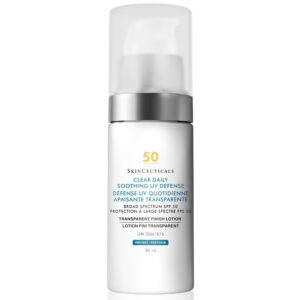
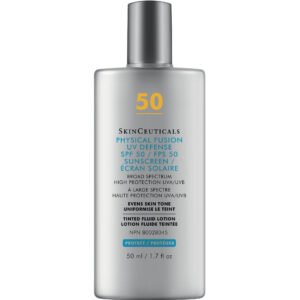
Not optional and not a “first try this.” Every Bar Beauty melasma protocol starts here. Standard mineral or chemical SPF blocks UV but lets visible light through, and visible light is a primary melasma driver in Fitzpatrick III-VI. Only tinted SPF containing iron oxides blocks visible light. Use a broad-spectrum tinted mineral SPF50+ that lists iron oxides on the label, every day, indoors and out. Bring the one you already own to your free consultation and we will tell you whether it is doing the job.
Step 2, Topical tyrosinase inhibitors (8-12 weeks)
Pharmacologically inhibits the enzyme that produces melanin. The gold-standard is compounded “Kligman’s formula” (4% hydroquinone + 0.05% tretinoin + low-potency steroid), but only for 8-12 weeks then OFF. Non-hydroquinone alternatives that work: 4% tranexamic acid topical, 10% azelaic acid, cysteamine 5% cream, 4% niacinamide stack, and Lytera 2.0. Most patients respond in 8 weeks.
Step 3, Oral tranexamic acid (prescription)
For moderate-to-severe or dermal melasma that has not responded to topicals. Low-dose oral tranexamic acid (typically 250 mg twice daily for 8-24 weeks) is now considered the most important systemic advance in melasma management of the last 15 years. It is not for everyone, we screen for clotting risk, contraceptive interaction, and migraine with aura, but for the right patient the response rate exceeds 80%.
Step 4, Aerolase Neo Elite 1064 nm laser (4-6 sessions)
The Bar Beauty differentiator. The 650-microsecond pulse of the Aerolase Neo bypasses melanocytes’ protective heat-shock response and targets only excess pigment, with no risk of post-inflammatory hyperpigmentation in Fitzpatrick III-VI. No bulk heating, no chromophore competition, no chilling tip required. See full mechanism in the next section.
Step 5, Cosmelan or Dermamelan depigmenting peel
A 7-10 day “mask treatment” left on overnight then peeling over the following week with strict home maintenance. Highly effective for resistant epidermal melasma but the downtime, post-peel sensitivity, and required commitment to 4 months of topical maintenance make it a step-up option, not a first move. Cosmelan and Dermamelan are practitioner-applied and the protocol depends on how resistant your pigment is, so there is no single price we can quote you honestly on a web page. Call us on 416-923-1200 or email info@barbeauty.ca and we will go through the details with you before you commit to anything.
Step 6, Microneedling with tranexamic acid or PDRN (adjunct)
Used as a delivery system to drive tranexamic acid or PDRN deeper into the dermis. We offer this as a stand-alone or in combination with Aerolase. See our microneedling + PDRN page for the protocol.
Step 7, What we DO NOT use as first-line: IPL, ablative fractional, Q-switched Nd:YAG at high fluence
See “Save your money” section below. In Fitzpatrick III-VI these can permanently darken the very area you’re trying to fix.
Bar Beauty Toronto vs alternative melasma treatments, head-to-head
| Treatment | Sessions | Safe for Fitzpatrick V-VI? | Rebound risk |
|---|---|---|---|
| Aerolase Neo Elite (Bar Beauty) | 4-6 | Yes, gold standard | Low with maintenance |
| IPL / BBL photofacial | 3-6 | No, high risk of burns and PIH | High |
| PicoSure / Pico Genesis | 4-6 | Variable; high settings risky | Moderate |
| Q-switched Nd:YAG (low-fluence “laser toning”) | 10-20 | Yes if low fluence | Moderate, “ghost-leukoderma” reported |
| Fractional non-ablative (Fraxel 1550) | 3-6 | Cautious; PIH risk | Moderate-high |
| Cosmelan peel | 1 + 4mo home | Yes | Moderate without SPF |
| Topicals + SPF only | Continuous | Yes | Low |
Why Aerolase Neo Elite Is Different for Melasma
If you read only one section of this page, read this one. The reason 80% of Toronto med spas avoid treating Fitzpatrick III-VI melasma at all, or treat it badly with IPL, is that conventional lasers have a fundamental physics problem: their pulse durations are long enough (in milliseconds) that the laser energy spreads from the pigment target into surrounding melanocytes and skin, triggering a heat-shock response that creates more melanin. This is why a patient with melasma can leave an IPL session looking great for 10 days and then come back six weeks later darker than they started.
The Aerolase Neo Elite operates at 650 microseconds, orders of magnitude shorter than the thermal relaxation time of a melanocyte. The energy delivers, the excess pigment fragments, and the surrounding tissue never registers the thermal event. Combined with a 1064 nm wavelength (which has very low melanin absorption coefficient compared to 532 nm or 755 nm devices), this is the only commonly available laser in Canada published for use on Fitzpatrick V and VI skin without a chilling tip and without numbing.
What this means in the chair: a 20-minute treatment, no anaesthesia, mild warmth, optional redness for 1-3 hours, and you can apply makeup the same day. We typically run 4 sessions at 4-week intervals, then reassess. Most Bar Beauty patients see 50-70% pigment reduction by session 3.
For the full clinical profile of the device, see our Aerolase Neo Elite Toronto page and the Aerolase brand page.
Melasma Treatment Cost in Toronto (2026)
Pricing transparency is one of our trust commitments. Below are the actual Bar Beauty 2026 prices for the Toronto melasma protocol. For full pricing context across all treatments, see our Toronto price list.
hidden costs and how Bar Beauty avoids them
The single biggest “hidden cost” in Toronto melasma treatment is being sold a 6- or 10-pack of laser when the underlying topical regimen has not been corrected. We have audited Toronto clinics that charge $4,800 for a 10-session laser-toning package on patients whose melasma was 90% driven by OCPs they never disclosed because no one asked. Our $0 consultation exists precisely so the plan comes before the credit card.
HSA, insurance, and tax
Cosmetic laser is not covered by OHIP. However, oral tranexamic acid, compounded prescription Kligman’s formula, and most prescription topicals are eligible under extended health benefits and Health Spending Accounts (HSA). The portion of your treatment plan that is prescription medication is also eligible for the Medical Expense Tax Credit on your Canadian tax return. We provide itemised receipts for each line.
What Does NOT Work for Melasma, Save Your Money
This is the single most important section we will write. Below are seven things commonly sold to Toronto melasma patients that range from “waste of money” to “actively harmful.” We will not perform any of these on a melasma patient.
1. IPL / BBL photofacial on Fitzpatrick III-VI skin
The most damaging single mistake. IPL’s broad pulse causes thermal injury to melanocytes that responds with more pigment production. We have lost count of the patients who arrive at our clinic with worse melasma after IPL than before. If a Toronto clinic offers you IPL for melasma without first checking your Fitzpatrick type, leave.
2. Long-term continuous hydroquinone (over 12 weeks)
Hydroquinone works, for 8-12 weeks. Past that, the risk of paradoxical worsening (ochronosis) climbs and the lightening plateaus. Walk-in dermatology that simply re-prescribes 4% hydroquinone indefinitely is failing the patient.
3. “Detox teas,” “liver cleanses,” and supplement stacks promising melasma cure
There is no oral supplement that fixes melasma. Some (Polypodium leucotomos, oral glutathione) have modest evidence as adjuncts to SPF; none replaces the core protocol. Anyone selling $300/month melasma supplements is selling hope.
4. At-home dermarollers + brightening serums purchased on Instagram
At-home microneedling on actively pigmented skin without medical supervision is a top-3 cause of treatment-resistant PIH we see. Save the device for after melasma is stable.
5. Aggressive chemical peels (TCA 35%+, phenol) as first-line
Effective in trained hands, but unforgiving in melasma. The PIH risk is high enough that we never use TCA above 20% in active melasma.
6. “10-session laser toning” packages sold up-front to new patients
Q-switched 1064 at very low fluence (“laser toning”) has a role, but only after assessment, and rarely needs 10 sessions. Up-front 10-packs are a financial trap.
7. Single-session “miracle” treatments
If a clinic promises one-and-done melasma resolution, they are misleading you. Melasma is a chronic, recurrence-prone condition. Anyone honest with you will frame it as a managed condition with maintenance.
Lifelong Prevention & Maintenance
Melasma is a chronic condition. The treatment plan does not end at session 4 of Aerolase, it continues for life through maintenance. Below is the Bar Beauty maintenance protocol given to every patient post-treatment.
The “heat list”: Avoid prolonged direct sun on the face (wide-brim hat, the kind cycling around Lake Ontario doesn’t allow, bring a buff), keep the face out of cooking heat where possible, limit sauna face exposure, and use a UV-blocking film on driver’s-side car windows if you commute.
Melasma treated with the Neo Elite
Read this first. These photographs come from Aerolase Corp., the company that makes the Neo Elite. Each was taken at the practice credited underneath it. They are not our patients and we are not claiming them as our results. We show them because they are the clearest published record of what this device does, and we run the same machine at our CityPlace clinic. Our own patient photographs go up as we build a consented library.
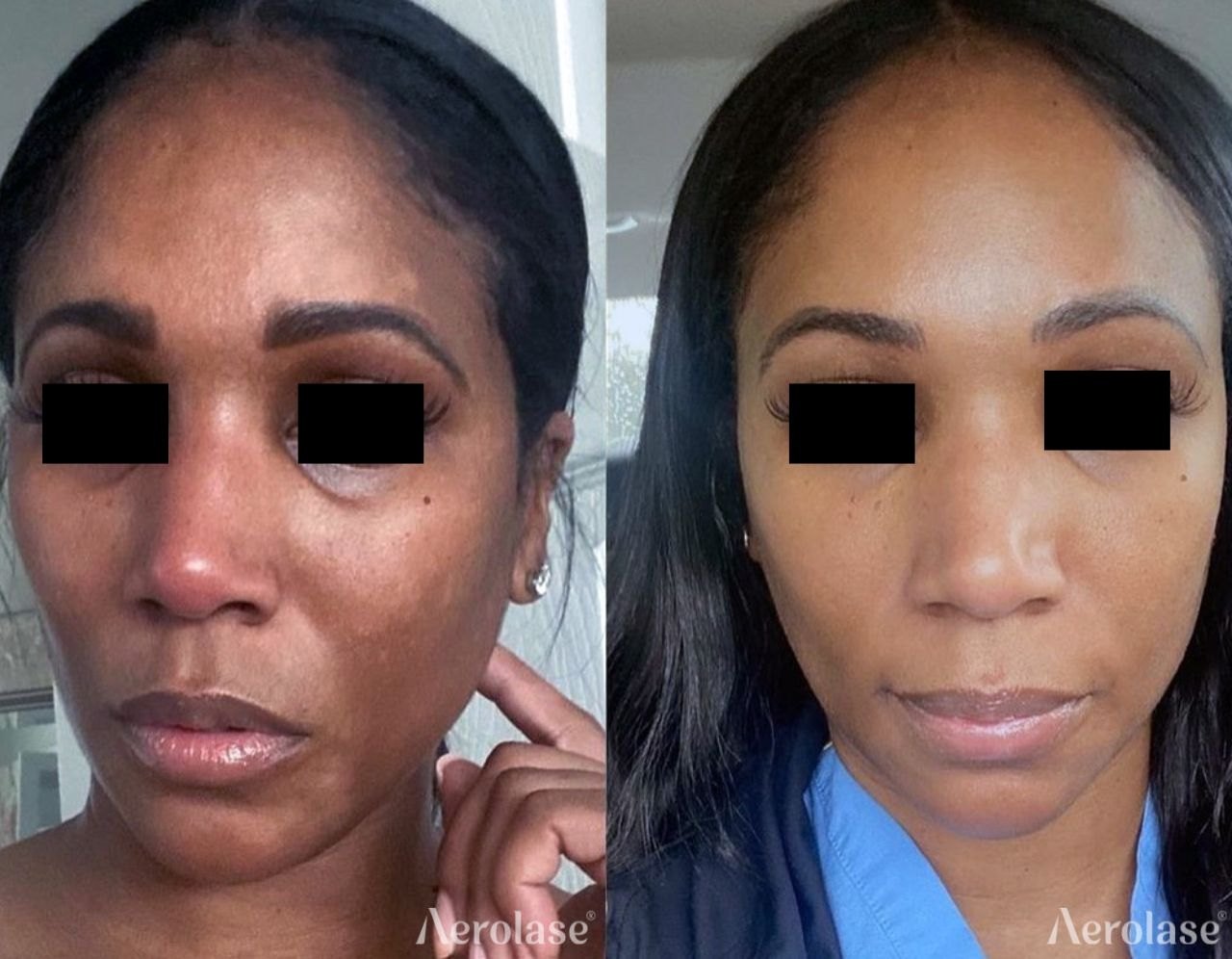
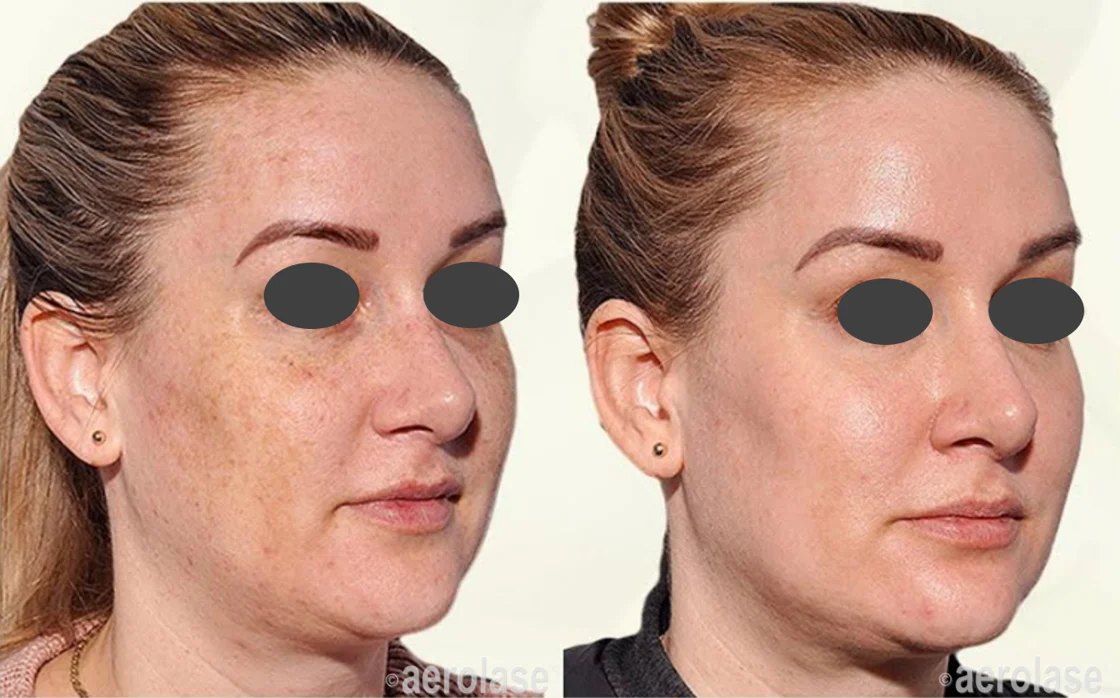
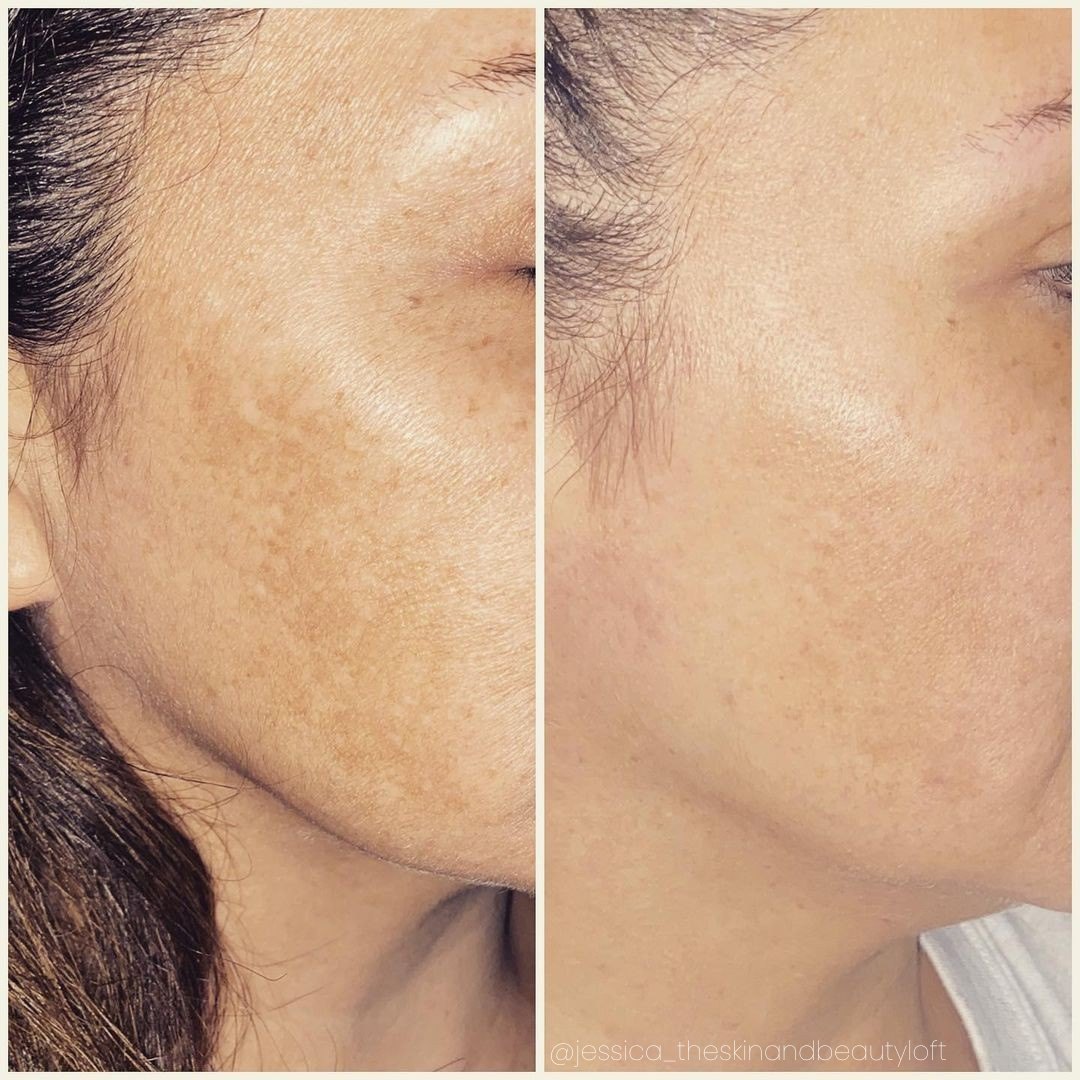
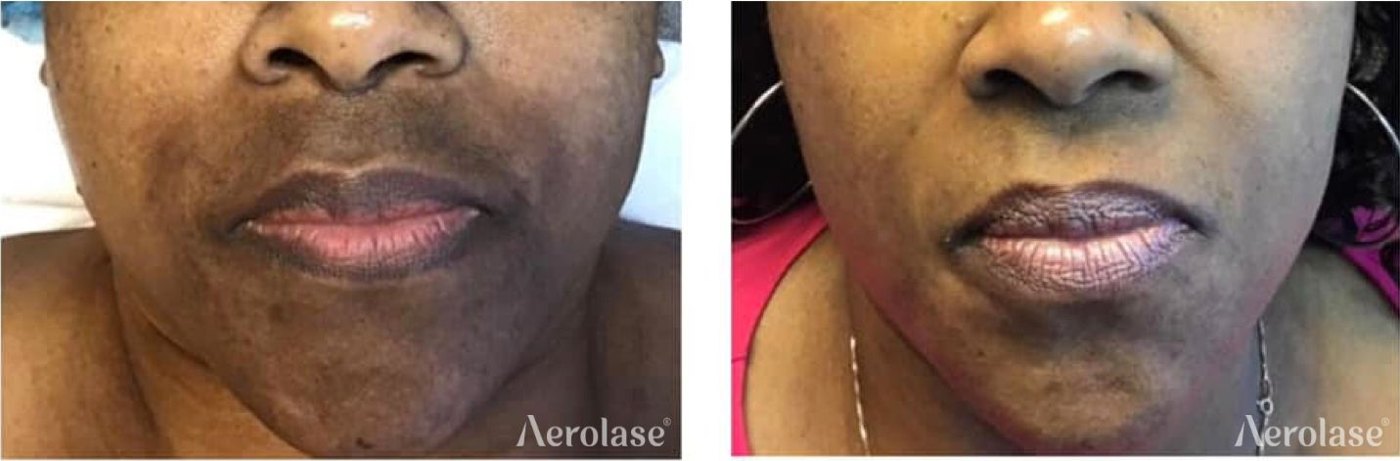
More Neo Elite results. The full set, covering every condition we use this laser for, is on our Aerolase before and after page.
Sessions needed vary by person, severity and skin type. Individual results vary and nothing here is a guarantee of outcome. We do not diagnose from a photograph; anything that has changed in size, shape or colour, or that you have not had looked at, needs a proper assessment before any laser is pointed at it.
Melasma FAQ, 16 Questions Toronto Patients Actually Ask
What is the most successful treatment for melasma?
There is no single “most successful” treatment because melasma is multifactorial. The most successful protocol, and the one with the best published outcomes, is iron-oxide tinted SPF50+ daily, plus a tyrosinase-inhibiting topical, plus a non-thermal laser like the Aerolase Neo Elite for stubborn pigment, with oral tranexamic acid added for moderate-to-severe cases. The 70-80% improvement most Bar Beauty patients see comes from the combination, not any one piece.
What is the best treatment for melasma in Canada?
For Canadian patients in the Toronto and GTA region, the highest published response rates come from Aerolase Neo Elite + topical tyrosinase inhibitors + tinted SPF50+ + oral tranexamic acid for non-responders. Cosmelan is added for resistant cases. The protocol is identical to what major Canadian dermatology centres recommend.
How much does melasma treatment cost in Toronto?
A complete 6-month Bar Beauty protocol, tinted SPF + topicals + 4 Aerolase sessions + follow-up, runs $1,400-$1,800. Adding Cosmelan brings the total to roughly $2,800-$3,300. Annual maintenance is approximately $400-$700.
Which foods should I avoid for melasma?
The honest answer: no specific food causes or cures melasma. There is mild observational evidence that very high-glycaemic diets correlate with worse pigment outcomes, but the effect is small. Spend your nutrition energy on consistent intake of vitamin C, vitamin E, omega-3s, and antioxidant-rich produce, and your money on iron-oxide tinted SPF.
Can melasma be cured permanently?
Melasma is best framed as a chronic condition that is managed, not cured. With our protocol most patients achieve 70-80% clearance and hold that with maintenance. Without maintenance, recurrence rates inside 12 months are over 50%, which is why we build the protocol with lifelong SPF and topical maintenance at its core.
Is Aerolase Neo Elite safe for Fitzpatrick V and VI skin?
Yes, this is its defining property. The 650-microsecond 1064 nm pulse bypasses melanocyte heat-shock response, which is the mechanism by which other lasers cause post-inflammatory hyperpigmentation in darker skin. Aerolase Neo Elite is FDA-cleared for all skin types and is one of very few devices in this category.
How many Aerolase sessions will I need for melasma?
Most Bar Beauty patients with epidermal or mixed melasma complete 4 sessions at 4-week intervals, then reassess. Dermal-dominant or long-standing cases may need 6 sessions and a Cosmelan peel adjunct. Anyone offering a fixed “10-session pack” without seeing your skin should be questioned.
Does melasma go away after pregnancy?
Sometimes. Roughly one third of pregnancy-induced melasma (“chloasma”) resolves spontaneously postpartum; one third improves but persists; one third remains unchanged. We typically recommend starting topicals and tinted SPF right away postpartum (most are breastfeeding-safe; we’ll confirm) and reassessing for laser at the 6-month mark.
Is melasma the same as hyperpigmentation?
Melasma is a specific subtype of hyperpigmentation. All melasma is hyperpigmentation, but not all hyperpigmentation is melasma. Other types include post-inflammatory hyperpigmentation (PIH), solar lentigines, freckles, and drug-induced pigmentation. See our broader hyperpigmentation treatment Toronto page for the wider category.
Can stress cause melasma?
Stress alone does not cause melasma, but it can worsen an active case. The mechanism is partly cortisol-driven inflammation and partly behavioural (sleep loss, sun exposure on weekends as “stress relief,” inconsistent topical use). Stress management is a legitimate part of the maintenance protocol.
Does hydroquinone really work?
Yes, for 8-12 weeks. Past that, rebound risk and ochronosis risk make it a poor long-term choice. We use it short-term in select patients and rotate off to tranexamic acid, azelaic acid, or cysteamine.
What is oral tranexamic acid and is it safe?
Oral tranexamic acid is an anti-fibrinolytic medication that, at low cosmetic doses (250 mg twice daily), reduces melanocyte activation. It has a 60-year safety record for other indications. We screen every patient for clotting risk (smoking + OCP + family history of clotting) before prescribing. For appropriate candidates, response rates are very high.
Can I do laser for melasma while pregnant?
No. We do not perform laser melasma treatment in pregnancy. Pregnancy melasma is managed with tinted SPF50+, mineral makeup, and breastfeeding-safe topicals until 3-6 months postpartum.
What is the difference between Cosmelan and Dermamelan?
Both are depigmenting “mask” peels from the same manufacturer. Dermamelan is more aggressive (intended for resistant or recurrent melasma) and uses higher concentrations of the same active ingredients. Cosmelan is normally the starting point, and Dermamelan is usually held back for pigment that has already been through a Cosmelan round and has not fully cleared. If you want to know which one suits your pigment, call us on 416-923-1200 or email info@barbeauty.ca and we will talk it through.
Does Bar Beauty Medical treat patients from outside Toronto?
Yes. We see patients from across the GTA, Mississauga, Etobicoke, Vaughan, Markham, Richmond Hill, North York, Scarborough, and Brampton, as well as out-of-province visitors. Our CityPlace location at 46 Fort York Blvd is two blocks from Spadina-Fort York station.
How do I book a melasma consultation at Bar Beauty?
Online via our contact page, by phone, or through our online booking. Initial 45-minute melasma consultations including Wood’s lamp examination and written treatment plan are complimentary. Most patients book within 7-10 days.
Book Your Melasma Consultation in Toronto
Bar Beauty Medical · 46 Fort York Blvd, CityPlace, Toronto · serving Toronto, Mississauga, Etobicoke, Vaughan, Markham, North York, Scarborough, and Brampton. The first step is a complimentary 45-minute consultation including Wood’s lamp pigment-depth assessment, Fitzpatrick classification, full medical history, and a written multi-step plan with no obligation. Book your melasma consultation →
Aerolase Neo Elite melasma protocol, safe for Fitzpatrick I-VI skin. Last updated August 19, 2026.
Common Mistakes Patients Make With melasma treatment
We see the same handful of avoidable mistakes derail otherwise excellent results. Most of these are not the patient’s fault, they are the predictable downstream effects of confusing online information, low-quality consultations elsewhere, and the natural urge to chase the lowest sticker price. Knowing the traps in advance saves time, money, and (in some cases) skin.
Mistake 1: Choosing a clinic based on price alone
The Toronto melasma market includes everything from injector apprentices working out of basement suites to physician-led medical practices. The cheapest quote in your inbox is almost always a junior provider working with the lowest-margin product, often diluted, often without an emergency plan if a complication arises. We routinely correct work from these clinics, it is more expensive to dissolve, revise, or rebuild a result than it is to get it right the first time. Ask who is performing the treatment, what their formal training is, what the medical director’s credentials are, and what the complication protocol looks like.
Mistake 2: Skipping the consultation or treating consultations as sales calls
A real medical consultation is a 30 to 60 minute structured conversation that includes medical history, photo documentation, skin analysis, and a written plan. If you are booked into a consultation that is really a 10-minute upsell on a discounted package, you are not in a medical environment. At Bar Beauty Medical, complimentary consultations are conducted by the same clinician who would perform your treatment, never a sales coordinator working off a commission sheet.
Mistake 3: Chasing a single dramatic session instead of a plan
Most regenerative and resurfacing modalities, including melasma, are designed to be staged over a series. Patients who insist on a single make-me-look-great-for-the-wedding session typically under-treat the actual concern and overspend on add-ons that paper over the result. We build 3 to 6 month roadmaps with milestone photography so progress is measurable rather than felt.
Mistake 4: Ignoring at-home skincare between visits
In-clinic work is roughly 40% of the outcome. The other 60% is what happens at home: SPF50+ daily, prescription-strength topicals where appropriate, barrier repair, sleep, hydration, and avoidance of self-prescribed actives that compete with your treatment plan. We send every patient home with a printed regimen and a list of products to pause for 7 to 14 days around treatment.
Mistake 5: Booking immediately before a major event
Even no-downtime treatments can produce 24 to 72 hours of pinkness, swelling, or pinpoint bruising. We never recommend a first-time melasma session within 14 days of a wedding, photo shoot, public speaking engagement, or international travel. Build a buffer.
Pre-Treatment Skincare Routine: The 14-Day Runway
What you do in the two weeks before your melasma appointment has an outsized impact on comfort, downtime, and final result. We give every patient a written 14-day runway protocol. Here is the short version.
Days 14 to 8 before treatment
- Continue your normal routine including retinoids, vitamin C, and exfoliating acids unless your clinician advises otherwise.
- Increase daily SPF to a mineral SPF50+ even on overcast Toronto days. Pre-treatment sun exposure is the single biggest predictor of post-treatment hyperpigmentation.
- Hydrate aggressively, 2 to 3 litres of water per day. Well-hydrated skin tolerates energy-based treatments significantly better.
- Stop any new actives, do not introduce a brand-new product within 14 days of treatment. Your skin needs a known baseline.
Days 7 to 3 before treatment
- Pause retinoids and exfoliating acids (AHA, BHA, glycolic, lactic) unless instructed otherwise.
- Avoid waxing, threading, depilatory creams, and aggressive facials in the treatment area.
- If you bruise easily, begin oral arnica montana and bromelain (we provide dosing). Stop fish oil, vitamin E, ibuprofen, and aspirin if cleared by your physician.
- Limit alcohol, alcohol dilates capillaries and worsens bruising and swelling.
Days 2 to 0 before treatment
- Eat a full meal within 2 hours of your appointment. Low blood sugar dramatically increases the risk of a vasovagal response.
- Arrive with clean, makeup-free skin. We will cleanse again in clinic but starting clean saves time.
- Wear a button-front or zip-front top so you do not pull anything over your face on the way out.
- Hydrate again, aim for 1 litre of water in the 4 hours before your appointment.
Post-Treatment Photography Tips: How to Track Your Own Progress
One of the most under-used tools in aesthetic medicine is consistent at-home photography. Patients who photograph themselves weekly are dramatically more satisfied with their results because they can see the change, not just feel it. Memory is a terrible witness with your own face, we forget what we looked like 8 weeks ago within days. Here is the Bar Beauty photo protocol we share with every patient.
Lighting matters more than the camera
Use the same north-facing window or the same overhead light, at roughly the same time of day, every time. Avoid mixed light (window plus overhead lamp), which throws color casts and shadows that mimic or hide pigment, redness, and texture. Phone cameras are fine; lighting is not.
Standardize the three angles
Front (straight on, chin parallel to floor), left 45-degree (rotate head a quarter turn), right 45-degree (mirror). Use a small piece of tape on the floor to mark your foot position so you stand in the same spot every time. Hair pulled back. No makeup. Neutral expression.
Capture weekly, not daily
Daily photos magnify normal fluctuations (sleep, hydration, salt intake) and obscure real trends. A weekly photo on the same day each week (Sunday morning is the most common) is far more informative.
Bring the album to follow-ups
At your 8-week and 12-week reviews, we go through your timeline together. This is the moment where the work becomes obvious and where we adjust the plan for the next phase if needed.
Insurance, HSA, and Tax Specifics for Ontario Patients
melasma treatment is, in almost all cases, a cosmetic medical procedure and is not covered by OHIP. There are, however, several legitimate ways to reduce the out-of-pocket cost that most patients do not know about.
Health Spending Accounts (HSA)
If you are a Canadian-controlled private corporation shareholder, an incorporated professional, or an employee of a company that offers an HSA top-up to its group benefits, certain medically-necessary components of your treatment may be reimbursable. This typically includes physician consultation fees, prescription topicals (tretinoin, hydroquinone, tranexamic acid), and treatments with a documented medical indication. We provide itemized receipts coded for HSA submission on request.
Medical Expense Tax Credit (METC)
The federal Medical Expense Tax Credit allows you to claim eligible medical expenses that exceed the lesser of 3% of net income or a fixed annual threshold. Most purely cosmetic procedures do not qualify, but the consultation portion, prescription medications, and any procedure performed for a documented medical reason may. Discuss with your accountant and ask us for receipts broken down by line item.
Group benefits
A growing number of Toronto employers (especially in tech, finance, and law) offer wellness or lifestyle spending accounts that can be applied to medical aesthetics. Check your benefits booklet under lifestyle spending or wellness account and ask your HR team what documentation they require. Our team will format receipts to match.
Payment plans
For larger treatment plans, Affirm financing is available, including promotional rates for qualifying plans. This is a soft credit check that does not affect your credit score.
How Bar Beauty Compares to Three More Toronto Clinics
Toronto’s medical aesthetics market is crowded and the marketing is loud. Here is an honest, factual comparison of how Bar Beauty Medical differs from three additional well-known downtown clinics on the specific dimensions that matter for melasma.
Versus a high-volume Yorkville chain
High-volume Yorkville locations are optimized for throughput, 15-minute appointment slots, multiple injectors rotating through rooms, and a heavy upsell on bundled packages. Bar Beauty Medical books 45 to 60 minute appointments with the same clinician for the entire treatment arc. You will not be passed between three different providers. The trade-off is that we have fewer same-day openings; we book most new patients 7 to 14 days out.
Versus a King West med-spa with no medical director on site
Several Toronto med-spas operate under a delegated medical directive with a physician who is rarely (or never) physically present. Bar Beauty Medical is physician-led with a medical director on premises during treatment hours, which means real-time decision-making on complications and protocol adjustments. Ask any clinic you are considering whether their medical director is physically present and how complications are escalated.
Versus a high-end Bloor-Yorkville plastic surgery practice
Surgical practices that also offer injectables tend to price 25 to 40 percent above the Toronto median and route patients toward surgery for problems that can be solved non-surgically. Bar Beauty Medical is non-surgical by design, we will tell you honestly when a surgical consult is the right answer, but we are not financially incentivized to push you in that direction. For most melasma patients under 55, non-surgical options produce excellent results at materially lower cost and downtime.
Booking Your Consultation at Bar Beauty Medical
Every melasma journey at Bar Beauty Medical begins with a complimentary 30 to 45 minute consultation. You will meet the clinician who will perform your treatment, review your medical history, have your skin analyzed under medical-grade lighting, and leave with a written, itemized plan and quote. There is never any obligation to book on the day. Most patients take the plan home, sleep on it, and book within 48 hours.
To book, call our CityPlace clinic at 46 Fort York Blvd, Toronto, use our online booking, or send a contact form. We respond to all inquiries within one business day, often the same day. We see patients from across the GTA, Mississauga, Etobicoke, Vaughan, Markham, Richmond Hill, North York, Scarborough, Oakville, and Brampton, as well as out-of-town visitors from across Canada and the US.
Aerolase Neo Elite vs the lasers other Toronto clinics use for melasma
If you have shopped melasma treatment in Toronto, you have seen a wall of device names: StarWalker, PicoSure, Fraxel, Q-switched “laser toning,” IPL photofacials. Here is the plain-language version of why we built our protocol around the 1064 nm Aerolase Neo Elite instead.
- Versus IPL / BBL photofacials. IPL is the single most common way melasma is made permanently worse in medium-to-deep skin. Its broad pulse heats melanocytes and triggers more pigment. We do not use IPL for melasma, and we treat a steady stream of patients who rebounded after it elsewhere.
- Versus picosecond lasers (PicoSure, Pico Genesis) and StarWalker. These can have a role, but on Fitzpatrick IV-VI the settings that clear pigment are close to the settings that cause it, so the margin for error is thin and operator-dependent. The Neo Elite’s 650-microsecond pulse sits well below the thermal relaxation time of a melanocyte, which is what keeps the surrounding skin from registering the heat.
- Versus fractional resurfacing (Fraxel 1550). Effective for texture, but in darker skin the post-inflammatory hyperpigmentation risk on active melasma is real. We reserve resurfacing for after melasma is stable, not as a first move.
None of this means the Neo Elite is magic. It means it is the safest laser we can put on the skin tones where melasma is most common and most lasers fail. Full device detail is on our Aerolase brand page and Aerolase Toronto page.
Melasma in pregnancy and while breastfeeding
Pregnancy is the classic melasma trigger (the “mask of pregnancy,” or chloasma), and it is also the time when most active treatments are off the table. Here is what we do and do not do. We do not perform laser, and we do not prescribe hydroquinone or oral tranexamic acid in pregnancy. We do build a safe holding routine: iron-oxide tinted SPF50+ every morning (visible-light protection is the single highest-value step), gentle azelaic acid, mineral makeup, and heat avoidance. Most of this continues safely while breastfeeding; we confirm each product with you. We then reassess for laser at the three-to-six-month postpartum mark, because roughly a third of pregnancy melasma fades on its own and there is no reason to treat what may resolve.
Does melasma treatment work for men?
Yes. Melasma is less common in men but not rare, and it is more often linked to UV and heat exposure than to hormones. The protocol is the same: tinted SPF, a tyrosinase-inhibiting topical, and the Aerolase Neo Elite for stubborn pigment, with oral tranexamic acid considered for resistant cases.
How long do melasma results from Aerolase last?
Because melasma is a chronic, recurrence-prone condition, “permanent” is the wrong frame. After a course of Neo Elite sessions most patients hold their result with maintenance: daily iron-oxide tinted SPF, a maintenance topical, and an occasional touch-up session. Without that maintenance, recurrence inside 12 months is over 50 percent, which is why we build the plan around long-term prevention rather than a one-time clearance.
Can I treat melasma and acne or rosacea at the same time?
Often yes, because the Aerolase Neo Elite is also used for active acne and rosacea. When pigment overlaps with breakouts or redness, we sequence the work so we are not flaring one problem while treating another. We map that order at consult.
For our full overview of melasma causes, treatment options, and pricing, see our main Melasma Treatment in Toronto page.
Recommended aftercare and skincare
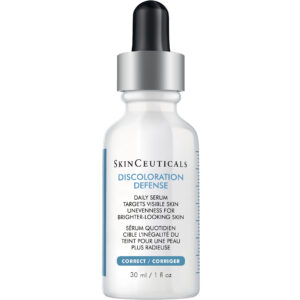
The medical grade products our team uses to protect and extend your results. Shipped express across Canada, free over 150 dollars.
If you are weighing devices, read how the Aerolase Neo Elite handles melasma. Its 650-microsecond pulse is the reason it can work on a condition most lasers make worse.
Ready to look into it properly?
Our consultation is free. We will look at your skin, give you an honest recommendation, and say so if a different treatment would suit you better.
Or call 416 923 1200 · 46 Fort York Blvd, CityPlace, Toronto
Questions about this treatment?
Ask us anything before you book. Consultations are free, and we will tell you honestly if a treatment is not right for you.