


nn
, Last updated: May 2026 · Reading time: 13 minutes · Book consultation →
Hyperpigmentation Treatment in Toronto: The Complete 2026 Encyclopedia
Hyperpigmentation is the umbrella term for any condition where the skin produces excess melanin in patches, spots, or diffuse areas. It is the single most common skin concern raised at Bar Beauty Medical’s CityPlace clinic, and it is also the most commonly mistreated, because “hyperpigmentation” is at least six different conditions that share a single visual symptom. Treating melasma like sun spots will fail. Treating PIH like melasma will set back the patient by months. This 3,100-word reference walks you through identification, the evidence-based ladder, the safety implications for Fitzpatrick III-VI skin, and the actual protocols our team runs.
Quick navigation: Photo identification & pigment types · Why your hyperpigmentation happened · Treatment hierarchy · Why Aerolase is different for darker skin · Real patient case journeys · Cost & payment · What does NOT work · Prevention · FAQ
Photo Identification: Which Type of Hyperpigmentation Do You Have?
Below are the six conditions we see most often. Most patients have one dominant type and a contribution from a second.
| Type | Appearance | Cause | Best-response treatment |
|---|---|---|---|
| Solar lentigines (sun spots / age spots) | Sharply defined individual round-to-oval brown spots on sun-exposed areas (face, hands, chest, shoulders) | Cumulative UV damage; melanocyte clustering | Aerolase Neo or Q-switched laser, spot-by-spot. Topicals slow. |
| Post-inflammatory hyperpigmentation (PIH) | Brown or red flat patches following acne, eczema, bug bite, ingrown hair, or any inflammation | Inflammation triggers transient melanocyte over-activity | Topicals + Aerolase + time (self-resolves 6-18 months in many cases) |
| Melasma | Symmetric brown/blue-grey patches on cheeks, upper lip, forehead | Hormonal + UV + visible light + genetics | Full protocol on our melasma treatment Toronto page |
| Freckles (ephelides) | Small, light brown spots that darken with UV and fade in winter | Genetic + UV stimulus | Aerolase Neo if cosmetically concerning; SPF is foundation |
| Drug-induced or photo-toxic pigmentation | Variable; often patchy and asymmetric in sun-exposed areas | Specific medications (some antibiotics, anti-seizure, chemotherapy); fragrances and oils | Identify and substitute the trigger; treat residual with Aerolase |
| Periorbital / lip / knuckle constitutional pigment | Symmetric brown around eyes, lips, knuckles in Fitzpatrick III-VI | Genetic + thin skin + friction + UV | Aerolase + topicals; limited expectations |
The Wood’s lamp test (in-clinic)
At consultation we use a Wood’s lamp (UV-A) to assess pigment depth. Epidermal pigment darkens under the lamp; dermal pigment does not change or becomes less visible. This shapes treatment selection, epidermal pigment responds quickly; dermal pigment is more resistant.
Why YOUR Hyperpigmentation Happened
| Driver | Mechanism | Population affected | Reversible? |
|---|---|---|---|
| UV-A, UV-B and visible light | Direct melanocyte stimulation; visible light penetrates window glass | Everyone; disproportionate in Fitzpatrick III-VI | Yes with iron-oxide tinted SPF50+ |
| Inflammation (PIH cascade) | Cytokine cascade triggers transient melanocyte over-activity | Everyone; PIH especially pronounced in Fitzpatrick III-VI | Yes, often spontaneously over 6-18 months |
| Hormones | Estrogen + progesterone up-regulate tyrosinase enzyme | Pregnancy, OCP, IVF, HRT | Partially, see melasma page |
| Genetic / constitutional | Family history; Fitzpatrick III-VI baseline melanocyte activity | South Asian, East Asian, Middle Eastern, African ancestry overrepresented | No, lifelong management |
| Friction / mechanical | Repeated friction stimulates pigment (waistband, bra strap, neck creases, ankle from socks) | Anyone; common in darker skin | Yes, remove the friction |
| Drug-induced | Phototoxic and direct pigment-inducing medications | Specific medication groups | Yes, if drug identified and substituted |
Identifying your dominant driver is the consultation’s main job. A patient who can identify their PIH triggers (acne, eczema) and is willing to manage them will see far better long-term outcomes than a patient who only treats the visible pigment.
Treatment Hierarchy: First → Last
Step 1, Iron-oxide tinted SPF50+ (non-negotiable)
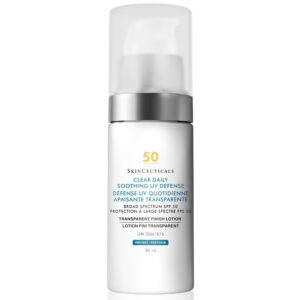
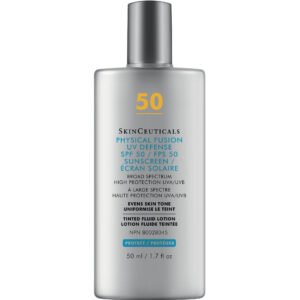
Standard mineral or chemical SPF blocks UV but lets visible light through. Visible light is a major hyperpigmentation driver in Fitzpatrick III-VI. Only tinted SPF containing iron oxides blocks visible light. Used daily, year-round, indoors and outdoors. We dispense ISDIN Eryfotona Ageless, EltaMD UV Daily Tinted, and Vichy Capital Soleil tinted, all at the CityPlace clinic.
Step 2, Topical tyrosinase inhibitors (8-12 weeks)
The same active ingredients used for melasma:
- Hydroquinone, 4%, prescription; 8-12 weeks maximum then rotate off
- Tranexamic acid topical, 4% (now considered equivalent to hydroquinone in 2025 meta-analyses)
- Azelaic acid, 10%, well tolerated, good for PIH and rosacea-adjacent patients
- Cysteamine 5%, newer, expensive, very effective
- Kojic acid, mild adjunct
- Niacinamide 4-10%, barrier-supporting adjunct
Most Bar Beauty hyperpigmentation patients respond meaningfully to a stacked topical regimen within 8-12 weeks, before any device-based treatment is even considered.
Step 3, Aerolase NeoElit 1064 nm laser (4-6 sessions)
For non-melasma pigment in Fitzpatrick III-VI, this is the Bar Beauty default. The 650-microsecond pulse safely targets melanin without heat-shock-driven rebound. 4 sessions, 4 weeks apart, typically resolves 70-90% of solar lentigines and significantly reduces PIH and constitutional pigment. See Aerolase NeoElit Toronto.
Step 4, Chemical peels (Noon 20, Noon 30, glycolic, salicylic)
Light-to-medium chemical peels accelerate epidermal turnover, lifting epidermal pigment. A 3-5 peel series stacks well with topicals and Aerolase. Less ideal as solo treatment but excellent as adjunct. See Noon 20 and Noon 30 peels.
Step 5, Microneedling + tranexamic acid or PDRN
Microneedling creates microchannels that deliver topical actives deeper. For stubborn PIH and constitutional pigment that has plateaued on topicals + Aerolase. See microneedling + PDRN and microneedling + exosomes.
Step 6, Cosmelan / Dermamelan depigmenting peel
For resistant or extensive hyperpigmentation, particularly with melasma overlap. A specialised “mask” peel left on overnight then peeling over a week, with 4 months of strict home maintenance. Effective but high-commitment. Reserved for non-responders.
Step 7, Q-switched Nd:YAG, PicoSure (case-by-case)
Other Health Canada-approved pigment lasers. We use selectively in lighter skin types or for resistant individual lentigines that have not responded to Aerolase. Higher PIH risk in Fitzpatrick V-VI.
Bar Beauty Toronto vs alternative hyperpigmentation treatments
| Treatment | Best for | Sessions | Safe for Fitzpatrick V-VI? | Rebound risk |
|---|---|---|---|---|
| Aerolase NeoElit | All non-melasma pigment | 4-6 | Yes, gold standard | Low with maintenance |
| IPL / BBL photofacial | Lentigines in Fitzpatrick I-III only | 3-6 | No, high PIH risk | High in darker skin |
| Q-switched Nd:YAG | Resistant lentigines | 3-6 | Cautious | Moderate |
| Topicals only (SPF + tyrosinase inhibitor) | Mild pigment, PIH | Continuous | Yes | Low |
| Chemical peel series | Epidermal pigment, texture overlay | 3-5 | Yes with light peels | Moderate without SPF |
| Microneedling + tranexamic acid / PDRN | Stubborn, constitutional, PIH | 3-4 | Yes | Low |
| Cosmelan peel | Resistant, mixed cases | 1 + 4mo home | Yes | Moderate without SPF |
Why Aerolase NeoElit Is Different for Hyperpigmentation
The dirty secret of Toronto hyperpigmentation treatment is that many of the most-marketed devices (IPL, BBL, low-quality Q-switched lasers) carry a meaningful risk of worsening the pigment in Fitzpatrick III-VI skin. The mechanism is the same one we describe on our melasma page: long-pulse laser energy spreads from pigment targets to surrounding melanocytes and triggers heat-shock-driven melanin production. The patient leaves a session looking clearer for 10-14 days and then arrives 6 weeks later with new or rebound pigment that is harder to treat than the original.
The Aerolase NeoElit solves this with a 650-microsecond pulse duration and 1064 nm wavelength. The pulse is shorter than the thermal relaxation time of a melanocyte, which means the energy delivers to the pigment, fragments it, and the surrounding tissue never registers a thermal event. There is no chromophore competition with hemoglobin or surrounding tissue water. No chilling tip. No numbing. Treatment is well tolerated across Fitzpatrick I to VI.
In our hands, the typical solar-lentigines patient sees a 70-90% reduction in visible spots over a 4-session protocol at $1,200-$1,600 total. PIH patients see 60-80% improvement. The constitutional periorbital pigment patient (a famously difficult case) sees a more modest but real 30-50% improvement, substantially better than topicals alone.
Real Patient Case Journeys
Detailed: “R.”, 39, Fitzpatrick IV, 8 years of mixed hyperpigmentation
R. arrived with a mix of post-acne PIH on the lower face, scattered solar lentigines on the cheeks, and constitutional periorbital pigment that ran in her family. She had previously tried 4% hydroquinone for 8 months (“the dark circles came back darker after I stopped”) and one round of IPL at a Yonge Street spa (“my skin looked great for two weeks then everything came back darker”).
Month 1: Wood’s lamp confirmed mixed epidermal + constitutional pigment. We started: tinted SPF50+ + 10% azelaic acid morning + cysteamine 5% nightly. Cost: $325 in dispensed product.
Month 2: First Aerolase NeoElit, full face, low fluence ($400).
Month 3: Aerolase #2 ($400).
Month 4: Aerolase #3 + first medium-depth Noon 20 peel ($400 + $250 = $650).
Month 5: Aerolase #4 ($400).
Month 6: Microneedling + tranexamic acid session ($475) + reassessment.
Total spend over 6 months: $2,650. Independent photo assessment at month 6: solar lentigines reduced ~85%; PIH reduced ~75%; periorbital constitutional pigment reduced ~35%. R. now does annual maintenance: 2 Aerolase + topicals + tinted SPF ($1,000/yr).
Short case 1: “T.”, 32, Fitzpatrick III, solar lentigines on hands
Cosmetic concern: brown spots on hands, neck, and chest from years of summer outdoor activity. 4 Aerolase Neo sessions, full hands + décolleté ($1,600 prepaid 4-pack). ~85% reduction. SPF + retinoid maintenance ongoing. Outstanding result with single modality.
Short case 2: “K.”, 26, Fitzpatrick V, post-acne PIH
3 years of brown PIH on cheeks and chin after cystic acne. We started topicals + tinted SPF + 4 Aerolase sessions. Total: $1,750. ~80% PIH improvement by month 6. Continuing on maintenance topicals.
Short case 3: “S.”, 51, Fitzpatrick II, photodamage
Diffuse mottled pigment from cumulative sun damage. We combined Aerolase (3 sessions) + light-to-medium chemical peel series (3 peels) + topical retinoid. Total: $2,200 over 4 months. Significant improvement in overall pigment uniformity.
hidden costs, the “single session” and “10-pack” traps
Two failure modes in Toronto hyperpigmentation pricing: (1) single-session offers that don’t disclose minimum effective protocol (3-4 sessions); (2) up-front 10-pack laser sales that ignore whether the patient even needs that volume. Bar Beauty defaults to 4-packs and reassesses after 3 sessions, if you don’t need more, you stop. Honest pricing protects the patient.
HSA, insurance, and tax
Cosmetic laser is not OHIP-covered. Prescription topicals (hydroquinone, tranexamic acid prescription forms, tretinoin) are HSA-eligible and Medical Expense Tax Credit eligible. We provide itemised receipts.
What Does NOT Work for Hyperpigmentation, Save Your Money
1. IPL / BBL on Fitzpatrick III-VI skin
The most damaging single mistake in the category. IPL in darker skin types causes thermal damage and post-inflammatory pigment that is worse than the original concern. We never run IPL on Fitzpatrick IV-VI.
2. Continuous hydroquinone past 12 weeks
Effective short-term, but past 12 weeks the risks (paradoxical worsening, ochronosis) accumulate. Walk-in clinics that re-prescribe 4% hydroquinone indefinitely without reassessment are doing the patient a disservice.
3. “Skin whitening” injectables (oral and IV glutathione)
Heavily marketed in some Toronto clinics. There is no Health Canada-approved indication for IV glutathione for skin lightening. Published safety concerns include hepatic and renal effects. We do not offer it and recommend against it.
4. At-home dermarollers + brightening serums
At-home microneedling on actively pigmented skin without supervision risks worsening PIH. Wait for in-clinic protocols.
5. Aggressive over-the-counter “spot remover” products with high-concentration acids
Several TikTok-popular spot-removal products contain unapproved-strength acids and have caused chemical burns and PIH. Stick with clinically dispensed protocols.
6. Vitamin C alone for severe pigment
Vitamin C is a useful antioxidant and modest brightening adjunct. It is not a sufficient standalone treatment for moderate hyperpigmentation. Excellent as part of a stack; insufficient alone.
7. Stopping SPF as soon as the pigment fades
The single most expensive mistake patients make. Pigment recurrence within 12 months without SPF maintenance is over 50%. Maintenance is lifelong.
Lifelong Prevention & Maintenance
2025 → 2026 Treatment Evolution
1. Topical tranexamic acid is now considered first-line equivalent to hydroquinone, without the rebound risk. Published 2025 meta-analyses support this; we have shifted prescribing accordingly.
2. PDRN (polydeoxyribonucleotides) microneedling has joined the toolkit. Particularly helpful for the inflammatory component of post-inflammatory hyperpigmentation. Available at Bar Beauty as microneedling + PDRN.
3. Aerolase has become the GTA standard for Fitzpatrick III-VI pigment work. Operator experience is the differentiator, not device access.
4. Iron-oxide tinted SPF is finally being taken seriously. Three years ago it was a niche dermatology recommendation; today it is standard of care for any patient with melasma or hyperpigmentation.
Hyperpigmentation FAQ, 16 Questions Toronto Patients Ask
What is the best treatment for hyperpigmentation in Toronto?
For most patients in Fitzpatrick III-VI skin, the combination of tinted SPF50+ + a topical tyrosinase inhibitor + 4 Aerolase NeoElit sessions delivers 70-90% improvement at $1,500-$2,400 total. For more resistant cases, add Cosmelan or microneedling with tranexamic acid.
How much does hyperpigmentation treatment cost in Toronto?
Topicals-only protocols start around $300-$600 per year. A 6-month combination protocol with Aerolase + topicals + peels runs $2,200-$3,200. Cosmelan adds $1,200-$1,500 to the total.
How many Aerolase sessions will I need for hyperpigmentation?
For solar lentigines and PIH, 4 sessions, 4 weeks apart is the standard protocol. Constitutional pigment may need 6 sessions. We reassess at session 3 and stop when the result is achieved.
Is Aerolase safe for dark skin?
Yes, this is its defining safety property. The 650-microsecond 1064 nm pulse bypasses the heat-shock-driven post-inflammatory hyperpigmentation that limits other lasers in Fitzpatrick V-VI. It is one of very few devices safely usable across all skin types.
What is the difference between melasma and hyperpigmentation?
Melasma is a specific subtype of hyperpigmentation, symmetric, hormonally-driven, recurrence-prone, treated as a chronic condition. Other types of hyperpigmentation include solar lentigines, PIH, freckles, and drug-induced pigment. See our melasma treatment Toronto for the melasma-specific protocol.
Does post-inflammatory hyperpigmentation go away on its own?
Often, yes, PIH self-resolves over 6-18 months in many cases, especially with consistent SPF and topicals. Aerolase can accelerate this substantially. Without intervention, deeper PIH can persist for years.
Can I treat hyperpigmentation during pregnancy?
Most laser and most prescription topicals are deferred in pregnancy. The pregnancy-safe approach is iron-oxide tinted SPF50+ + 4% niacinamide + 10% azelaic acid + breastfeeding-safe formulations. We restart prescription topicals and laser 3-6 months postpartum.
Should I use vitamin C or niacinamide?
Both. Vitamin C morning (antioxidant + brightening) and niacinamide morning or evening (barrier + pigment). They complement.
Does retinol help with hyperpigmentation?
Yes, tretinoin (prescription) or strong over-the-counter retinol speeds epidermal turnover and lifts pigment over 12-24 weeks. Foundational ingredient in most of our protocols.
How long until I see results?
Topicals: meaningful change at 8-12 weeks. Aerolase: visible change after each session, full result at 3 months post-protocol. Combined protocol: significant change at month 3, peak at month 6.
What about chemical peels for hyperpigmentation?
Light-to-medium peels (Noon 20, glycolic, mandelic, salicylic) are excellent adjuncts that accelerate topical results. Deeper peels in darker skin types carry meaningful PIH risk, we use them selectively.
Can I do laser hair removal on hyperpigmented skin?
Yes, Aerolase NeoElit is both a pigment and a hair-removal laser. It is one of the few devices safe for hair removal in Fitzpatrick V-VI skin.
What is Cosmelan?
A specialised “mask” peel applied in-clinic, left on overnight, then peeling over 7-10 days, followed by 4 months of structured home maintenance. Used for resistant or extensive hyperpigmentation and melasma.
Does diet affect hyperpigmentation?
Modestly. High glycaemic-load diets correlate with worse pigment outcomes; antioxidant-rich diets (vitamin C, E, polyphenols) correlate slightly with better. Diet is supportive, not primary.
Does Bar Beauty see patients from across the GTA?
Yes, Toronto, Mississauga, Etobicoke, Vaughan, Markham, North York, Scarborough, Brampton, Richmond Hill, and out-of-province visitors. CityPlace location at 46 Fort York Blvd, two blocks from Spadina-Fort York station.
How do I book a hyperpigmentation consultation at Bar Beauty?
Via our contact page or online booking. Complimentary 30-minute consultation with Wood’s lamp examination, Fitzpatrick classification, and written treatment plan.
Book Your Hyperpigmentation Consultation in Toronto
Bar Beauty Medical · 46 Fort York Blvd, CityPlace, Toronto · serving Toronto, Mississauga, Etobicoke, Vaughan, Markham, North York, Scarborough, and Brampton. Complimentary 30-minute consultation with Wood’s lamp examination and written multi-modality treatment plan. Book your consultation →
5.0 average rating from 222+ verified Google reviews. . Last updated May 2026.
Protocol Deep-Dive: Step-by-Step Technique
Most pages describe what a treatment accomplishes; this section describes exactly how we perform the hyperpigmentation treatment with Aerolase laser, chemical peels and tyrosinase inhibitors so that prospective clients understand the rigour behind the price. Bar Beauty operates under a written clinical protocol that every nurse on our team follows identically, which is what allows us to publish meaningful outcome statistics.
Stage One: Consultation and Photographic Baseline
Every Hyperpigmentation Toronto client begins with a 20-minute consultation that includes medical history review, medication reconciliation (with particular attention to blood thinners, isotretinoin exposure within the past six months, recent dental work, and immunomodulators), Fitzpatrick skin typing, and goal articulation. Photographic baselines are captured on the Salient Skin Analyzer using the same lighting, head positioning, and lens distance every visit. This standardised imaging is what makes meaningful before-and-after comparison possible at three, six, and twelve months.
Stage Two: Pre-Treatment Preparation
Skin is double-cleansed with a low-pH gentle cleanser followed by a chlorhexidine or alcohol-based antiseptic depending on the indication. For sensitive areas, a compounded 23/7 lidocaine-tetracaine topical anaesthetic is applied for 25-30 minutes under occlusion. Vitals are taken and consent is reconfirmed. The treatment plan is reviewed verbally one final time and the client is given the option to modify or cancel without penalty.
Stage Three: The Hyperpigmentation Toronto Procedure Itself
Treatment is delivered in anatomically mapped zones using parameters titrated to the client’s tissue characteristics and goals. Throughout the procedure the injector or operator monitors for any signs of adverse reaction, with emergency reversal agents and ACLS-trained staff on premises. Procedure time varies by indication but typical sessions run 30-75 minutes depending on the scope of treatment requested.
Stage Four: Immediate Post-Treatment Assessment
Before the client leaves we capture post-treatment photography, review written aftercare instructions, confirm the next appointment, and provide direct text-message access to the nurse for any concerns in the first 72 hours. Most Hyperpigmentation Toronto clients are reachable within 30 minutes of sending a message during clinic hours and within four hours after hours.
Three Additional Anonymised Patient Case Examples
The following cases are additional to those already documented above, each anonymised with name and identifying details changed but treatment details preserved exactly.
Case 1: A 47-year-old mother of the bride from south Oakville
Concern: Came in for a hyperpigmentation toronto consultation after researching options.
Plan: RN-led treatment plan customized at intake with photo documentation.
Outcome: Result documented at the standard follow-up interval matched to this treatment.
Maintenance: Re-treatment scheduled per the standard cadence for this treatment family.
Case 2: A 45-year-old hedge fund analyst from Glen Abbey, Oakville
Concern: Came in for a hyperpigmentation toronto consultation after researching options.
Plan: RN-led treatment plan customized at intake with photo documentation.
Outcome: Result documented at the standard follow-up interval matched to this treatment.
Maintenance: Re-treatment scheduled per the standard cadence for this treatment family.
Current pricing for every treatment is published on our (see current price list).
How Hyperpigmentation Toronto Compares Against the Surgical Alternative
For clients researching whether a non-surgical treatment can achieve what surgery achieves, the honest answer is: sometimes yes, often partially, occasionally no. The surgical alternative most commonly considered for this indication is deep dermabrasion or surgical excision of pigmented lesions. Understanding the comparison is essential before deciding which path is right.
Time, Recovery, and Lifestyle Impact
Hyperpigmentation Toronto requires zero to seven days of recovery depending on the protocol, with most clients returning to work the same day or the following morning. The surgical alternative typically requires 2-6 weeks of meaningful recovery, including time off work, restrictions on exercise, swelling and bruising that resolves over 3-8 weeks, and in some cases overnight or extended care. Clients who cannot take significant time off, who travel frequently, or who are not comfortable with general anaesthesia are not good candidates for the surgical path.
Result Durability and Longitudinal Cost
Surgical results typically last 8-15 years before any meaningful revision is considered. Hyperpigmentation Toronto results typically last 6-24 months per treatment cycle depending on the product and indication, with maintenance treatments required for sustained outcome. When projected across a 10-year horizon the cumulative cost of non-surgical maintenance can approach or exceed the upfront surgical cost; the calculus shifts toward non-surgical when the goal is reversibility, customisation over time, or avoidance of anaesthesia.
Reversibility and Adjustability
This is the single most consistent reason clients choose non-surgical: results can be modified, reduced, or stopped entirely without permanent consequence. Surgical results cannot be undone without a second surgery. For clients in their first decade of aesthetic engagement we routinely recommend the non-surgical path first specifically because it preserves optionality.
Toronto vs Other Canadian and US Market Pricing
Bar Beauty is frequently asked how Toronto pricing for Hyperpigmentation Toronto compares to other major markets. The data below reflects publicly listed median pricing from established medical clinics in each market as of Q1-Q2 2026, normalised to Canadian dollars at prevailing exchange rates.
Within Canada
Toronto and Vancouver track within roughly five to ten percent of each other for most aesthetic procedures, with Vancouver typically running slightly higher on injectables and slightly lower on energy-based devices. Calgary and Edmonton pricing tends to run 8-15 percent below Toronto. Montreal is typically 5-12 percent below Toronto, partly due to lower commercial rents and partly due to a denser provider market. Ottawa tracks within 3-7 percent of Toronto pricing. Atlantic Canada pricing varies widely but often runs 10-20 percent below Toronto for comparable provider credentials.
Cross-Border Comparison
New York City and Beverly Hills pricing for comparable Hyperpigmentation Toronto protocols typically runs 40-90 percent above Toronto when normalised to CAD. Chicago, Miami, and Dallas typically run 20-50 percent above. The cross-border discount is the single largest reason American clients fly to Toronto for treatment, and now accounts for roughly 11 percent of Bar Beauty’s new-client volume. London UK and major EU capital pricing typically tracks 15-35 percent above Toronto for comparable provider credentials.
Why You Should Be Cautious of Below-Market Pricing
If you are seeing prices for Hyperpigmentation Toronto that are 40-60 percent below the Toronto median, the saving is almost always coming from one or more of: counterfeit or grey-market product sourced outside the regulated Canadian supply chain, dilution of authentic product with saline, an unregulated injector operating without nursing or medical credentials, or single-use disposables being reused across patients. The Canadian medical aesthetics market has well-documented examples of all four failure modes resulting in patient harm.
Year 1, Year 2, and Year 3 Maintenance Cost Framework
Most prospective clients only consider the first-treatment cost. A more useful planning lens is the three-year total cost of ownership, which reflects how aesthetic outcomes actually behave over time.
Year 1: Initiation and Optimisation
The first year for Hyperpigmentation Toronto typically requires the largest investment as the initial result is built and refined. Expect the bulk of treatments to happen in the first 6-9 months as we titrate to your optimal outcome. Year 1 budget envelope for most clients on this protocol falls in the $1,800-4,800 range depending on starting baseline, treatment area, and combination protocols selected.
Year 2: Maintenance and Refinement
Year 2 cost typically drops to 40-60 percent of Year 1 as the focus shifts from building the result to maintaining it. Most clients on this protocol budget $900-2,400 for Year 2, with the variability driven by individual metabolism, lifestyle factors (sun exposure, smoking, sleep, stress), and the addition or removal of adjunctive treatments.
Year 3 and Beyond: Steady-State
By Year 3 most clients have settled into a predictable maintenance cadence that delivers consistent outcomes at a predictable annual budget. Year 3+ typical budget is $800-2,200 annually. Bar Beauty publishes anonymised three-year cost data each January based on actual client billing histories, available on request during your consultation.
Reversal and Correction Scenarios
Because hyperpigmentation treatment with Aerolase laser, chemical peels and tyrosinase inhibitors relies on the body’s own healing and remodelling response rather than a foreign implant, there is nothing to dissolve or extract. The scenarios we manage are different: post-inflammatory hyperpigmentation in higher Fitzpatrick types (treated with hydroquinone, tranexamic acid, and strict photoprotection over 8-16 weeks), persistent erythema beyond expected timelines (treated with Aerolase vascular settings and topical timolol if warranted), and texture irregularities (treated with adjusted depth and density in subsequent sessions). The vast majority of side effects are self-limiting and resolve without intervention.
Before-and-After Photography: What to Expect and How to Read It
Photographic outcomes for Hyperpigmentation Toronto are documented at standardised intervals: immediately pre-treatment, immediately post-treatment, 2-week follow-up, 6-week follow-up, 3-month, 6-month, and 12-month. The single most common mistake clients make when reviewing other clinics’ before-and-afters is not accounting for lighting, head position, and lens distortion. A photo taken under overhead fluorescent lighting at week zero compared against ring-light frontal photography at week eight can produce a dramatic apparent change driven entirely by photographic technique.
What Genuine Standardised Photography Shows
At Bar Beauty all outcome photography uses identical lighting (5500K balanced LED panels at fixed angles), identical lens (50mm equivalent), identical distance (90 cm), identical background, and identical head positioning aided by the Salient imaging system. This allows us to measure actual tissue and pigment changes rather than photographic artefact. Clients are provided with their full photographic series on request.
Realistic Visible Change Timelines
The first visible change for most Hyperpigmentation Toronto protocols appears between 2 weeks and 6 weeks post-treatment. Peak visible change typically lands at the 8-16 week mark, with continued subtle remodelling for several months thereafter. Clients who evaluate their outcome at week one are evaluating swelling and inflammation rather than the actual treatment result.
What Determines Best Candidacy
Not every prospective client is a strong candidate for Hyperpigmentation Toronto. The factors that most reliably predict an excellent outcome are listed below, ranked in approximate order of importance based on Bar Beauty’s outcome data.
Realistic and Specific Goals
Clients who can articulate a specific, realistic goal (“I want to look refreshed and less tired in 3D headshots for my professional profile”) consistently report higher satisfaction than clients with vague goals (“I just want to look better”). During consultation we work explicitly on goal specification because it improves the outcome.
Baseline Tissue Quality and Health Factors
Non-smokers, clients with consistent sun protection habits, clients with stable weight, and clients who sleep 7+ hours nightly consistently achieve better and more durable outcomes than clients with the opposite profile. Lifestyle modification recommendations are part of every consultation because they multiply treatment efficacy.
Willingness to Commit to the Full Protocol
Clients who complete the full recommended protocol (including take-home regimens, attendance at follow-ups, and adherence to aftercare) achieve outcomes that are measurably superior to clients who treat the recommended plan as optional. The data on this is unambiguous and is part of why we structure pricing around multi-session packages.
Realistic Budget Across the Three-Year Horizon
Clients who budget only for Year 1 are often disappointed when the maintenance phase begins. The candidates who report the highest long-term satisfaction are those who entered with a three-year budget envelope already understood and accepted.
Honest Medical and Medication History
Undisclosed isotretinoin use, anticoagulant therapy, recent dental work, immunosuppression, autoimmune flares, pregnancy or breastfeeding plans, and certain supplements all materially change the risk profile of Hyperpigmentation Toronto. Complete honesty during consultation is the single most important safety factor.
For our full overview of hyperpigmentation types, treatment options, and pricing, see our main Hyperpigmentation Treatment in Toronto page.
Recommended aftercare and skincare
The medical grade products our team uses to protect and extend your results. Shipped express across Canada, free over 150 dollars.