


Acne scarring is real, common, and treatable. We use a layered protocol of microneedling, RF microneedling, exosomes, PRP, and Aerolase laser work, different scar types respond to different tools.
Acne scar revision remodels scar tissue and stimulates new collagen. It improves atrophic scarring substantially, realistically 50 to 70% across a six-month protocol, but it does not erase it, and a clinic promising complete clearance is overselling. What decides whether a course actually works comes down to the points below.
- Active acne is treated first. Working on scars while breakouts continue creates new scars faster than the old ones clear. The sequence is control the acne, then revise the scars, then maintain.
- The shape of the scar picks the tool. Rolling, boxcar, and ice-pick scars respond to different techniques. Treating all three with the same device gives mediocre results.
- Pigment is treated alongside texture. Post-inflammatory hyperpigmentation usually sits on top of the scarring, particularly in Fitzpatrick III to VI skin, and skin can still look uneven if only the depressions are addressed.
- Depth is what separates real scar work from a facial. Microneedling works on atrophic scars when it is taken to the right depth, and radiofrequency microneedling reaches deeper again for older tethered scarring. A very cheap package usually means a light pass that never reaches the scar.
- Some of it is referred out. Ablative fractional CO2 is not performed in-house, and the deepest ice-pick scars may be sent for TCA CROSS or punch excision alongside the surface work.
- Daily SPF 50 protects the result. Sun exposure on healing scar tissue causes pigment darkening that is very hard to reverse, and skipped sunscreen erodes what the sessions built.
Scar morphology, skin type, and whether acne is still active all change the plan, which is mapped with high-resolution photography and dermoscopy at consultation before anything is booked.
The three acne scar types
Rolling scars, wave-like depressions with soft sloping edges. Most common, most responsive. Improve dramatically with microneedling with exosomes across a 4 to 6 session course.
Boxcar scars, sharp-edged depressions like chickenpox marks, deeper than rolling scars. Respond to SkinPen microneedling at depth, sometimes layered with Morpheus 8 RF for full clearance over 6 to 8 sessions.
Ice-pick scars, narrow, deep punctures like the prick of an ice pick. The toughest scar type. Microneedling alone is limited. Best results combine Morpheus 8 RF microneedling at deep settings and, for the deepest individual ice-pick scars, a referral for TCA CROSS or punch excision, techniques we do not perform in-clinic.
Our standard scar revision protocol
Six sessions of SkinPen microneedling with exosomes spaced 4 to 6 weeks apart. Exosomes are donor-derived signaling vesicles loaded with growth factors that amplify the collagen response of microneedling, they’re the gold standard add-on for serious scar work. Most patients see 30 to 60% improvement in scar depth across the course depending on starting severity and skin type. Combined with disciplined sun protection, results hold long-term.
When we add Morpheus 8
For patients with deeper scarring, full-face textural irregularity, or ice-pick scars that don’t respond to surface microneedling, we layer Morpheus 8 RF microneedling sessions between SkinPen visits. Morpheus reaches dermal collagen layers up to 8mm deep, beyond what standard microneedling can touch. Three to four Morpheus sessions in addition to the SkinPen course significantly improves outcomes for moderate-to-severe scarring. We map this at consultation based on what your scars actually look like.
Aerolase for the post-inflammatory pigment
Acne scars rarely come alone, they’re usually paired with post-inflammatory hyperpigmentation (PIH), particularly in patients with Fitzpatrick III to VI skin. Aerolase NeoSkin sessions clear the pigment alongside the textural work. Without addressing the pigment, scarred skin can still look uneven even after texture improvements. We treat both simultaneously when needed.
PRP and PDRN alternatives to exosomes
For patients who prefer their own biologics, PRP (Vampire Facial) uses platelet-rich plasma drawn from your own blood, autologous, lower cost than exosomes, still effective for scar work. PDRN (salmon DNA fragments) is excellent for sensitive or rosacea-prone patients with mild-to-moderate scarring. We pick at consultation based on your skin type, scar severity, and budget.
Realistic expectations
Microneedling improves scars; it doesn’t erase them. A 60% improvement in textural depth is a successful course. Patients expecting “perfectly smooth” results should be screened out at consultation, we’re honest about what’s achievable. For deepest scarring, surgical revision (subcision, excision) may be necessary alongside microneedling. We refer for those when needed and continue surface work in coordination.
What you do at home matters
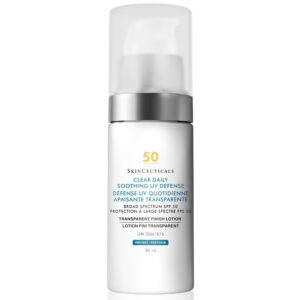
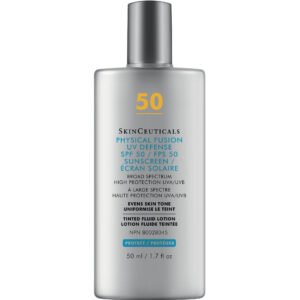
Sunscreen daily, SPF 50 every single morning. Sun exposure on healing scar tissue causes pigment darkening that’s very hard to reverse. SkinCeuticals CE Ferulic in the morning, prescription-grade retinoid at night, and SkinCeuticals Physical Fusion UV Defense SPF 50. Skipped sessions reset the clock; skipped sunscreen erodes results.
Combining scar work with active acne management
If you still have active acne, we treat that first, see active acne treatment. Working on scars while breakouts continue creates new scars faster than we clear old ones. The right sequence: control active acne, then scar revision, then maintenance.
Book your free consultation
Speak with a Bar Beauty skin clinician. We will assess your skin, walk through options, and give you an honest plan with no upsell.
46 Fort York Blvd, Toronto · 416-923-1200 · Open 7 days
What acne scar revision actually does
Acne scar revision uses a combination of mechanical, energy-based, and pharmaceutical techniques to remodel scar tissue, stimulate new collagen formation, and reduce the depth and visibility of permanent atrophic acne scars. It does not erase scars completely. It improves them, often substantially, sometimes by 50 to 80% for moderate scarring. Complete erasure is not a realistic clinical goal in 2026; any practitioner who promises it is overselling. Realistic improvement of 50 to 70% across a 6-month protocol is what well-designed treatment plans deliver in our Toronto patient population.
Acne scar morphologies and matched treatment
Atrophic acne scars come in three morphologies that respond to different treatments. Treating all three with the same device gives mediocre results.
Ice-pick scars
Deep narrow pits that look like the skin was punctured by a fine pick. Respond best to TCA cross (focal trichloroacetic acid application), punch excision, or fractional CO2 laser. Microneedling alone does little for ice-pick scars.
Boxcar scars
Wider, shallower depressions with sharp vertical edges, often on cheeks. Respond to subcision (releasing fibrous tethers), microneedling with radiofrequency (Morpheus8), and fractional laser.
Rolling scars
Broad shallow undulations caused by fibrous tethers under the skin. Respond best to subcision plus dermal filler or biostimulator, microneedling with radiofrequency, and Sculptra for diffuse volume restoration.
Hypertrophic and keloid scars
Raised scars (typically on jawline, chest, or back) respond to intralesional steroid (Kenalog), pulsed dye laser, silicone sheeting, and occasionally surgical revision with adjunct radiation for severe keloids.
Devices and techniques at Bar Beauty Medical
Morpheus8 fractional radiofrequency microneedling
Our workhorse device for acne scarring. 24-pin or 40-pin tips deliver fractional radiofrequency energy through microneedles to depths of 1 mm to 4 mm. Stimulates dermal collagen remodeling and softens scar tissue. Typically 3 sessions spaced 4 to 6 weeks apart for moderate scarring.
Subcision
Mechanical release of fibrous tethers using a Nokor or cannula needle introduced under the skin. Performed under local anesthesia or topical numbing. Often combined with same-session Morpheus8 or filler placement.
Sculptra biostimulator
Poly-L-lactic acid stimulates gradual collagen formation across the dermis, ideal for diffuse atrophic scarring rather than discrete depressions. Typically 2 to 3 sessions over 3 months.
Fractional laser (referred out for ablative protocols)
For predominantly ice-pick scarring or very advanced cases, we refer to a partner dermatology clinic for fractional CO2. We do not perform ablative resurfacing in-house.
The Bar Beauty acne scar treatment ladder
Our standard approach for moderate atrophic acne scarring is a six-month structured protocol. Initial consultation with scar mapping using high-resolution photography and dermoscopy. Three sessions of Morpheus8 microneedling radiofrequency spaced 4 to 6 weeks apart, with optional subcision performed in the same visit for tethered rolling scars. Dermal filler or biostimulator placement for volume restoration in deeper depressions. A structured aftercare and skincare plan including SPF, retinoid, and gentle exfoliation as tolerated. Reassessment with standardized photography at the 6-month mark. Patients with predominantly ice-pick scars may be referred for TCA cross or punch excision as adjuncts.
Red flags: cheap acne scar packages
$99 per session microneedling packages advertised as acne scar treatment usually mean a shallow stamp-style pass at settings too light to reach the scar. Microneedling genuinely works on atrophic acne scars when it is done at the right depth, and radiofrequency microneedling like Morpheus8 reaches deeper still for older, tethered scarring. The red flag is the price and the depth, not the tool. Aggressive deep CO2 laser performed by undertrained practitioners can cause permanent post-inflammatory hyperpigmentation, especially in Fitzpatrick III through VI skin. Six-figure laser packages bundled into 12-month contracts before you have seen whether the treatment works are also red flags.
Paying for acne scar treatment
Acne scar treatment is generally cosmetic and not HSA-eligible. Some patients with documented severe psychological impact from scarring secure partial coverage with physician letters of medical necessity, but this is the exception. OHIP does not cover cosmetic acne scar treatment but may cover dermatologist consultations for severe cases that progress to surgical revision or where there is functional impact.
Affirm financing
For larger treatment plans, Affirm financing is available so you can split the cost into monthly payments. You can review your options at consultation; checking your rate does not affect your treatment plan.
Aftercare for acne scar treatment
- Avoid sun for 2 weeks; SPF 50 daily for 1 month
- Avoid retinoids for 1 week post-treatment
- Gentle non-foaming cleanser only for 3 days
- Mild redness and pinpoint scabbing for 3 to 5 days is expected after Morpheus8
- Avoid hot water, sauna, hot yoga for 48 hours
- No exfoliating acids for 1 week
- Reintroduce active skincare gradually starting day 7
Combining acne scar treatment with skincare
Device-based treatment without adjunct skincare gives lesser outcomes. Daily SPF 30+ is non-negotiable. Prescription tretinoin (0.025% to 0.05%) thickens dermis and improves collagen turnover; introduced slowly to avoid irritation. Vitamin C serum (L-ascorbic acid 10-20%) supports collagen synthesis. Niacinamide 5% reduces post-inflammatory hyperpigmentation risk. Gentle weekly chemical exfoliation (lactic or mandelic acid) maintains smooth surface texture. We provide a customized written skincare protocol with each treatment plan.
Frequently asked questions about acne scar revision
Will my acne scars ever go away completely?
Realistic outcome is 50 to 70% improvement for moderate scarring over a 6-month structured protocol. Complete erasure is not a realistic clinical goal.
How many sessions will I need?
3 to 5 Morpheus8 sessions for moderate scarring. More for severe. Plus annual maintenance.
Does Morpheus8 hurt?
Topical numbing is applied for 45 minutes pre-treatment. Sensation during treatment is tolerable; some areas (jawline, around the nose) are more sensitive.
Is there downtime?
3 to 5 days of pinkness, mild swelling, pinpoint scabbing. Most patients are presentable for work by day 4 with light makeup.
Can I treat acne scars while still breaking out?
Acne should be controlled first. Treating scars on actively inflamed skin causes more scarring. Get the acne under medical control, wait the appropriate period after isotretinoin (6 months) if applicable, then treat scars.
Is fractional CO2 better than Morpheus8?
Both have a role. Fractional CO2 is more aggressive with more downtime and higher PIH risk in darker skin. Morpheus8 is better tolerated across skin types with lower downtime.
What about chemical peels?
Medium-depth peels (TCA 20-35%) can complement Morpheus8 for surface texture. Aggressive deep peels are higher risk and rarely indicated.
Will subcision hurt?
Performed under local anesthesia with lidocaine. Pressure sensation during the procedure; mild soreness for 1 to 2 days afterward. Bruising is common.
Can I fill individual scars with HA filler?
Yes for selected boxcar or rolling depressions. Less appropriate for ice-pick scars. Filler lasts 9 to 18 months; biostimulators last longer.
What about microneedling at home?
At-home derma-rollers do not reach the depth needed for true scar remodeling. They can improve surface texture mildly but are not equivalent to in-clinic device treatments.
Is Morpheus8 safe for dark skin?
Yes, with appropriate settings. Conservative depth, lower energy, longer intervals between sessions. Pre-treatment with hydroquinone in some cases reduces PIH risk.
When will I see results?
Gradual improvement over 3 to 6 months as new collagen forms. Full assessment at 6 months post-final session.
Why isotretinoin matters in scar timing
Isotretinoin (Accutane) profoundly affects skin healing. Performing energy-based procedures, microneedling, or chemical peels within six months of isotretinoin completion carries a meaningfully elevated risk of atypical scarring and prolonged healing. The six-month wait period is non-negotiable at our clinic and at any reputable Toronto practice. If your dermatologist prescribed isotretinoin, log the completion date and plan your scar revision protocol accordingly.
The role of nutrition and sleep in scar remodeling
Collagen remodeling is energy-intensive and dependent on adequate nutrition, particularly vitamin C, zinc, and protein. Patients who treat their post-procedure recovery as a high-effort biological project (good sleep, adequate protein, vitamin C and zinc intake, hydration) consistently report better outcomes than patients who treat it as a passive wait. We discuss this at consultation.
Photographic documentation: why it matters for acne scar revision
Acne scar improvement is often gradual enough that patients underestimate their own progress without standardized before-and-after photography. We photograph every scar revision patient at baseline, after each treatment session, and at 3-month and 6-month review intervals using consistent lighting (matched temperature and intensity), consistent angles (full face front, three-quarter left, three-quarter right, profile if jawline scars), and a neutral grey background. Patients can review the series at any visit. This documentation also matters if a patient transfers care or wants to compare to a peer clinic outcome.
Realistic expectations versus marketing hype
Social media before-and-after images for acne scar revision are often misleading. Common manipulation includes different lighting in before versus after, different camera angles, different makeup, smoothing filters, and selection bias (only the best responders posted). When evaluating any clinic, ask to see in-person printed before-and-after albums with multiple cases and ask what percentage of patients achieved comparable outcomes. Honest answers include caveats; marketing-only answers do not.
Book an acne scar consultation at Bar Beauty Medical
Bar Beauty Medical is at 46 Fort York Blvd in CityPlace, downtown Toronto. Acne scar consultations include high-resolution scar mapping, morphology classification, a photographic baseline, and a written multi-modal treatment plan with clear pricing across the full protocol. Book online or call 416-923-1200.
The Bar Beauty acne scar tracking system
We maintain a photographic and quantitative tracking system for every acne scar revision patient. Standardized photography at baseline and at each session under matched lighting allows objective comparison. Scar morphology mapping (number and approximate severity of each scar type) is documented in the chart at intake. Patient self-reported severity and satisfaction scores are recorded at each session. This system serves three purposes. It provides objective evidence of improvement that helps maintain patient motivation across a multi-month protocol where progress is slow. It identifies when a particular scar or area is not responding and warrants protocol adjustment. And it provides defensible documentation in the rare case of an outcome dispute or transfer of care. The tracking system is part of our standard of care and is provided to patients on request.
Pre-treatment skincare optimization protocol
One of the most underappreciated levers in acne scar revision outcomes is what happens in the 4-6 weeks before your appointment. Patients who follow a structured prep protocol consistently report faster recovery, better visible results, and fewer side effects. The protocol we walk Bar Beauty patients through covers four pillars: skin barrier conditioning, inflammation reduction, hydration loading, and lifestyle calibration.
- Strategic actives (weeks 6 to 1 out): Continue retinoids and vitamin C up to the 5-7 day mark, then pause. Restarting too early after treatment is one of the top three causes of post-procedure inflammation we see in clinic.
- Hydration loading (week of): 2.5 to 3 L of water daily for the 5 days prior. Hyaluronic acid binds water in a 1:1000 ratio, well-hydrated tissue holds product better and looks plumper from day one.
- Inflammation calm-down (72 hours out): Skip alcohol, fish oil, high-dose vitamin E, ibuprofen, aspirin, ginkgo, garlic supplements, and ginseng. These thin the blood and dramatically increase bruising risk. Acetaminophen (Tylenol) is fine if you need pain relief.
- Sleep and stress (week of): Elevated cortisol is known to slow wound healing. A week of 7-8 hour nights and reduced training intensity is worth more than any product you can buy.
Patients who execute this protocol typically see a noticeable improvement in same-day comfort, day-3 swelling, and 2-week appearance compared to patients who walk in cold.
What your practitioner wishes you knew before booking acne scar revision
Clearing these up before your appointment saves time, money, and disappointment.
- Instagram is not a treatment plan. The before-and-afters you screenshot are usually the absolute best results from someone with that specific anatomy, that specific starting point, and often that specific lighting. They are useful as inspiration, not as a contract. Your honest baseline matters more than someone else’s peak.
- “Natural” is a moving target. What looked natural in 2018 looks overdone in 2026, and what looks natural on a 28-year-old patient looks unnatural on a 58-year-old. We calibrate to your face at your age, not to a trend.
- Photographic documentation is non-negotiable. Without standardized before photos, neither you nor your provider can honestly evaluate the result 4 weeks later. Memory is unreliable; pixels are not.
- Your medication list matters more than you think. Anticoagulants, immunosuppressants, hormonal therapy, GLP-1 agonists, isotretinoin history, and certain antibiotics all change how we treat you. Bring a real list, not “the usual stuff.”
- One session is rarely the whole story. Acne scar correction is a process, not a moment. Patients who arrive expecting a one-and-done miracle leave more frustrated than patients who understand the realistic arc.
How Bar Beauty’s acne scar revision protocol differs from a typical Toronto clinic
Toronto’s aesthetic market is crowded, and on paper most clinics offer overlapping treatments. The differences show up in the protocol, not the brochure. Here is how our approach typically diverges from what patients describe experiencing elsewhere.
- Consultation length. A typical drop-in injector consult in the GTA runs 10-15 minutes. Bar Beauty consults run 45-60 minutes for new patients, with a full medical intake, facial analysis, photographic baseline, and written plan you can take home.
- Structured 2-week follow-up. Every patient is checked at the 14-day mark, in person or via photo review, included in the original price. This is where small refinements are made and complications are caught early.
- Documented complication pathway. If something goes sideways, such as a vascular event, infection or hypersensitivity, call us during business hours. After hours, leave a message and we will call you back the next morning, or go to the nearest emergency department if it cannot wait.
Common misconceptions about acne scar revision, debunked
Search results, TikTok creators, and even some clinic websites perpetuate myths that quietly cost patients money and results. Here are the ones we correct most often.
- Myth: “If a little is good, more is better.” Reality: dose-response curves in aesthetic medicine are not linear. Past a certain point, additional product or sessions deliver diminishing returns and rising risk. The sweet spot is almost always less than patients expect.
- Myth: “Results should be visible immediately.” Reality: most acne scar correction protocols have a delayed window of true result, typically 2-6 weeks. Judging at day 3 is judging swelling, not outcome.
- Myth: “Once you start, you have to keep going forever.” Reality: stopping treatment returns you to your natural aging trajectory, not to a worse-than-baseline state. The “you’ll look older if you stop” narrative is marketing, not biology.
- Myth: “All RNs / NPs / MDs are interchangeable.” Reality: license tier matters less than reps performed. A nurse who has done 5,000 of a specific procedure outperforms a physician who has done 50. Ask for case volume, not just credentials.
- Myth: “Numbing cream solves all discomfort.” Reality: topical anaesthetic handles surface sensation but not deep pressure or vibration. We layer topicals with cooling, vibration distraction, dental blocks (where appropriate), and pacing to address all four pain channels.
Year-by-year maintenance: what realistic acne scar revision planning looks like
Most aesthetic outcomes are not a single appointment, they are a multi-year arc. Here is the maintenance cadence we build into long-term acne scar revision plans, calibrated to a typical 30-something patient.
- Year 1: Establishment phase. 2-4 sessions depending on protocol, focused on building baseline result and learning how your tissue responds. Photographs at 0, 4, 12, and 26 weeks.
- Year 2: Refinement phase. Frequency drops by 30-50%. We start fine-tuning around your specific aging patterns rather than treating to a generic template.
- Year 3-5: Maintenance phase. Most patients settle into a predictable 2-3 visit per year cadence. Annual full-face reassessment ensures we are not over-treating one area while ignoring another.
- Year 5+: Evolution phase. Your face at 40 needs different inputs than your face at 35. Treatment selection should evolve with you, what worked beautifully five years ago may not be the right tool today.
Patients who follow this arc, with honest photo documentation and a single trusted provider, consistently end up with more natural results, lower lifetime spend, and significantly fewer corrective procedures than patients who clinic-hop or chase trends.
Booking your acne scar revision consultation at Bar Beauty Medical
If you are ready to skip the marketing and have a real conversation about what acne scar correction can, and cannot, do for your skin, our team is here for it. New-patient consultations include a full facial analysis, photographic baseline, honest discussion of alternatives, and a written plan with transparent pricing. There is no obligation to treat on the day of consultation, and we will tell you when a different treatment, a different timeline, or no treatment at all is the right answer.
Book an acne scar consultation
Does acne scar removal actually work, and can old scars be treated?
This is the question behind most consultations, so here is the straight answer. “Removal” is marketing language; what scar revision actually does is remodel scar tissue and rebuild collagen so scars are shallower and far less visible. For most patients that means a 50 to 70 percent improvement in moderate scarring across a planned course, not a blank slate. The age of the scar matters less than people expect: a scar that is five or ten years old responds to subcision and Morpheus 8 RF microneedling in much the same way a newer one does, because the underlying problem (a tethered, collagen-poor depression) is the same. What does not work is a single session or a single device used on every scar type. If anyone promises 100 percent removal, that is the signal to leave.
What acne scar treatment costs at Bar Beauty
Because the right plan depends on which scar types you have and how many, we price per treatment rather than selling one bundled number. Current per-session and package pricing for microneedling, Aerolase NeoClear scar work, and our other scar tools is posted live on our price list and in our Jane App booking. At your complimentary consultation we map your scars and put the full protocol cost in writing before you commit, so there is no chair-side surprise. A focused plan for milder, single-type scarring costs far less than a full multi-modal protocol for severe mixed scarring, and we will tell you honestly which one you actually need.
How is acne scar revision different from active acne treatment?
They are two different jobs done in sequence. Active acne treatment calms inflammation and stops new breakouts; scar revision rebuilds the skin once breakouts are controlled. Treating scars while acne is still active simply makes new scars faster than we can soften old ones, so we stabilize the acne first.
Will I need to take time off work after scar revision?
For microneedling, expect 1 to 2 days of redness. For Morpheus 8 or subcision, plan on 3 to 5 days of pinkness, mild swelling and pinpoint scabbing, with most people back to normal with light makeup by day 4. We schedule around your calendar and never recommend a first session within two weeks of a major event.
Is winter a better time for acne scar treatment?
Yes. Lower UV exposure in the Toronto winter reduces the post-treatment pigment risk, especially for medium and deep skin tones, so we schedule the more aggressive resurfacing protocols for the October-to-March window where we can.
Can acne scars on the body be treated, not just the face?
Yes. Microneedling and Morpheus 8 work on back and chest scarring too. The surface area is larger and healing is a little slower, so the protocol runs longer, but the approach is the same.
Related at Bar Beauty: Acne Scar Treatment in Toronto.
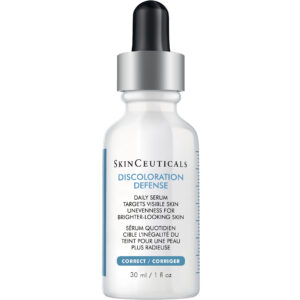
Recommended aftercare and skincare
The medical grade products our team uses to protect and extend your results. Shipped express across Canada, free over 150 dollars.
Ready to look into it properly?
Our consultation is free. We will look at your skin, give you an honest recommendation, and say so if a different treatment would suit you better.
Or call 416 923 1200 · 46 Fort York Blvd, CityPlace, Toronto
Questions about this treatment?
Ask us anything before you book. Consultations are free, and we will tell you honestly if a treatment is not right for you.