


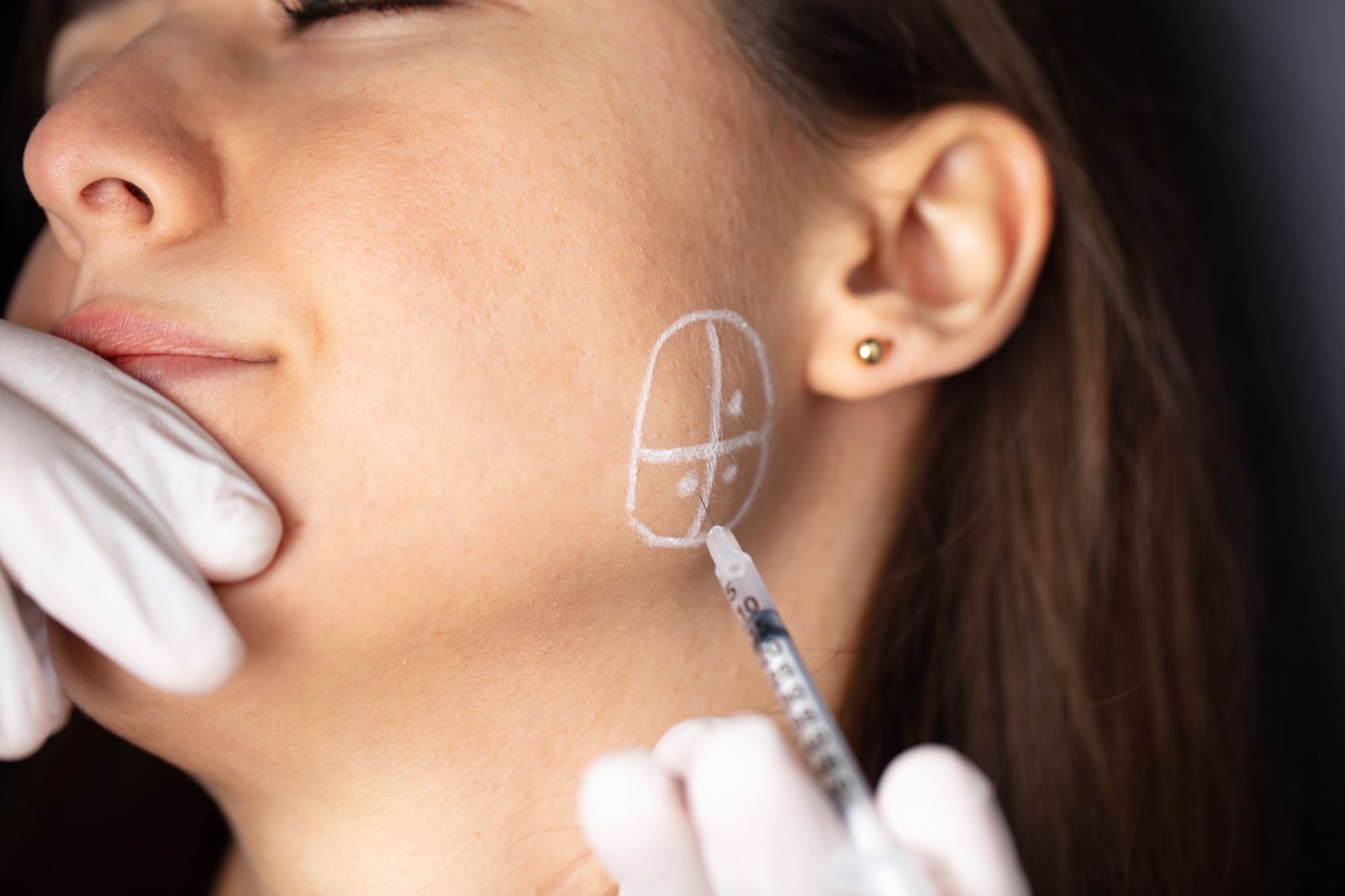
Toronto winters are hard on skin. Windchill that drops well below -20°C, indoor heating that pulls every bit of moisture out of the air, and the constant swing between freezing streets and overheated subway cars all chip away at your skin barrier. If your skin turns flaky, tight, red, or just irritated from November through March, you are not alone. Drugstore moisturizers help in milder climates, but a Toronto winter usually calls for more. Medical-grade winter skin treatments give the barrier the repair and deep hydration it needs when the weather is working against you. At Bar Beauty Medical in Toronto, we have seen the right professional treatments take winter skin from rough and uncomfortable back to smooth and resilient. Below are the clinical options that hold up to a Canadian winter, plus an honest at-home routine and clear guidance on when professional treatment is worth it.
The winter problem is mechanical. Indoor heating drops humidity close to zero, the lipids holding the barrier together break down, and water leaves the skin faster than it is replaced. That is why the same treatments are run differently between November and March rather than simply run more often.
| Treatment | What changes in the cold months | The reason |
|---|---|---|
| Chemical peels | Lactic or mandelic acid rather than an aggressive resurfacing peel, with a hydration plan attached to it | A compromised barrier tolerates less acid before it is genuinely injured, and lactic draws water in while it exfoliates. Winter is otherwise a good season for peels because there is less sun on the result |
| Hydrabrasion | Booked monthly through the cold months rather than as a one-off | The infusion step is the part worth repeating when the air keeps taking the water back out |
| Microneedling with PRP or PRF | Often started in late fall, then maintained mid-season | Collagen remodels over weeks, so the series is timed to have done its work before the hardest part of the winter |
| Dermal filler | The complaint itself may be seasonal. Dehydrated skin deflates slightly, so hollows under the eye, in the cheek and at the temple read deeper than they are | Worth establishing whether you are treating volume loss or a dry January, which is a consult question rather than a syringe question |
| Retinoids at home | Introduced gradually and alongside proper hydration rather than pushed | Turnover still helps in winter, but a barrier already losing lipids is the wrong one to strip |
| Cleansing and showering | Cream or balm cleanser, lukewarm water, moisturiser within a few minutes of getting out, humidifier overnight | Foaming cleansers and hot water both degrade the mortar between the cells, which is the exact thing the season is already removing |
Sunscreen stays in the routine year round, because UV reflects off snow and because it protects the result of any peel or needling work you have paid for. Mild winter dryness usually answers to a richer moisturiser, a humidifier and gentler cleansing, and it is worth booking only when home care has stopped keeping up: persistent flaking, winter redness or rosacea flares, eczema patches, or breakouts triggered by the seasonal swing. There is no consultation fee.
Why Toronto Winters Are So Hard on Skin
Toronto weather is uniquely tough on skin health. Extreme temperature swings, from -20°C outdoors to offices and transit cranked to 24°C, stress your moisture barrier with every transition. Humidity drops close to zero both outside and inside heated spaces, so moisture is pulled straight out of the skin. Add the wind coming off Lake Ontario, and you have ideal conditions for a compromised barrier.
Your skin barrier works like a brick wall, with lipids acting as the mortar that holds everything together. Winter conditions break down those lipids, leaving gaps that let irritants in and water out. The result is trans-epidermal water loss, which is the clinical term for skin that can no longer hold onto hydration. You feel it as tightness, flaking, redness, sensitivity, and that sense that your face might crack when you smile. Medical winter skin treatments target these problems at the barrier level, rebuilding what the season tears down.
Hydrabrasion: Deep Hydration That Penetrates
Hydrabrasion is one of the most effective winter facials for Toronto skin. This is not a basic facial. It is a medical-grade treatment that uses vortex technology to cleanse, gently exfoliate, extract, and then saturate the skin with serums in one session. It works in stages: a gentle resurfacing step lifts the dead-skin buildup that worsens in winter, painless extraction clears congested pores without the harshness that irritates already-sensitive skin, and an infusion step delivers antioxidants, peptides, and hyaluronic acid into the deeper layers.
The hyaluronic acid step is what makes our Hydrabrasion Deluxe facial so well suited to a Toronto winter. Hyaluronic acid binds many times its weight in water, so it plumps skin from within rather than just sitting on the surface. You leave with visible results the same day: smoother texture, softened fine lines, and the glow winter tends to strip away. Many clients book it monthly through the cold months to keep hydration up and the barrier strong. The treatment takes roughly 30 to 45 minutes with no downtime, so it fits into a lunch break.
Microneedling with PRP or PRF: Regenerative Repair for Weather-Damaged Skin
Microneedling pairs well with platelet-rich plasma or platelet-rich fibrin to repair winter damage at a deeper level. Microneedling uses fine needles to create controlled micro-channels that trigger your skin’s natural healing response and stimulate collagen. PRP and PRF take it further by using the concentrated platelets and growth factors from your own blood to support tissue regeneration. PRF releases those growth factors more gradually than PRP, which can extend the benefit.
For winter-stressed skin, our microneedling with PRP (vampire facial) addresses several concerns at once. The microneedling improves texture, softens fine lines from dehydration, and helps your skincare absorb better. The PRP or PRF component delivers growth factors that strengthen the barrier, support elasticity, and calm irritation. Results build over several weeks as collagen remodels. Most clients do a short series spaced four to six weeks apart, and many start in late fall to strengthen the skin before the harshest part of winter, then maintain mid-season. Expect some redness and minor flaking for 24 to 48 hours afterward.
Chemical Peels: Controlled Exfoliation for Stubborn Dryness
Winter buildup is real. Cold, dry air slows the skin’s natural shedding, so dead cells accumulate. A chemical peel uses medical-grade acids to dissolve those dead layers and reveal fresh skin underneath. The key in winter is choosing the right strength. Aggressive peels can stress an already-compromised barrier, so gentler, hydrating options are usually the better call during the cold months.
Lactic acid peels work well for winter because lactic acid exfoliates while also drawing moisture into the skin. Mandelic acid is another good winter choice; its larger molecule penetrates more slowly, which makes it gentler on sensitive skin. For clients dealing with winter breakouts, which happen when moving between cold-dry and heated-humid air confuses oil production, a salicylic-based peel can help without over-drying. A proper winter peel starts with a skin assessment, the right acid selection, and a post-treatment hydration plan. You typically see brightening within days, with peels spaced three to four weeks apart. The goal is controlled exfoliation that removes buildup without stripping protection, not dramatic peeling.
Dermal Fillers: Structural Support When Dehydration Causes Volume Loss
Severe winter dehydration can make existing volume loss more noticeable. When skin lacks moisture it deflates slightly, so hollows under the eyes, around the cheeks, and near the temples look more prominent. Hyaluronic-acid-based dermal fillers such as Vivacy Stylage do more than fill; they bind water, adding both structure and hydration where it is needed.
Under-eye hollows often look worse in winter because the thin skin there is hit hard by moisture loss. A conservative amount of filler, placed well, can restore volume while the hyaluronic acid draws hydration to the area. Cheek filler can similarly counter the tired, flat look that sets in when dehydration saps fullness. Filler results are immediate. Always choose an experienced injector; proper placement is the difference between a natural result and an obvious one. At Bar Beauty Medical, all injectables are administered by Registered Nurses under physician medical direction.
Medical-Grade Skincare: Professional Products That Actually Penetrate
Over-the-counter skincare often is not enough for Toronto’s extreme winter. Medical-grade products carry higher concentrations of active ingredients and use delivery systems built to get those ingredients past the barrier. At the clinic we carry professional-only formulations you cannot pick up off a pharmacy shelf.
Ceramide-rich moisturizers are essential for winter barrier repair. Ceramides are lipids your skin’s protective layer already uses, and replenishing them restores what winter strips away. Look for formulas that pair ceramides with cholesterol and fatty acids, since that ratio mirrors your skin’s natural composition. Retinoids can seem counterintuitive in winter, but introduced gradually alongside proper hydration they support cell turnover and long-term moisture retention. A practical winter routine usually includes a gentle (non-stripping) cleanser, a vitamin C serum for antioxidant protection, a hyaluronic acid serum for hydration, a ceramide-rich moisturizer for barrier repair, and daily SPF, because UV still reflects off snow.
LED Light Therapy: Non-Invasive Support for Stressed Skin
LED light therapy uses specific wavelengths to prompt beneficial cellular responses without heat or downtime. Red light (around 630 to 660nm) stimulates fibroblasts to support collagen and elastin while calming inflammation. Near-infrared light (around 830 to 850nm) reaches deeper to support healing and circulation. For winter-stressed skin, LED is gentle support that complements other treatments without adding irritation, which is why we often pair it with a Hydrabrasion or a peel.
Red light is especially helpful for the redness and sensitivity that cold weather and indoor heating bring on. It calms the flushed look many people develop in winter, and the boost in circulation helps deliver oxygen and nutrients to skin cells. LED sessions are relaxing, painless, and require no downtime, so they fit easily into a regular winter routine. Results build gradually with consistency rather than appearing overnight.
Your At-Home Winter Skincare Routine
Professional treatments work best when your home routine supports them. A few adjustments make a real difference once Toronto temperatures drop:
- Switch to a cream or balm cleanser. Foaming and gel cleansers can strip an already-dry barrier. A gentle, non-foaming cleanser removes the day without leaving skin tight.
- Layer hydration, then seal it. Apply a hyaluronic acid serum to slightly damp skin, then lock it in with a ceramide-rich moisturizer so the water does not evaporate in dry indoor air.
- Run a humidifier. Indoor heating drives humidity to near zero. A bedroom humidifier overnight helps the skin hold onto moisture while you sleep.
- Use lukewarm water. Hot showers feel good in winter but degrade the barrier. Keep water warm, not hot, and moisturize within a few minutes of getting out.
- Keep wearing SPF. Winter UV is real and reflects off snow. A daily broad-spectrum SPF still belongs in the routine.
- Do not over-exfoliate. Cold-weather skin is more reactive. Scale back strong acids and scrubs, and let professional peels do the heavier resurfacing.
Not sure which products suit your skin? A consultation with our team is the fastest way to build a winter routine around what your skin actually needs. We never charge a consultation fee.
When to See a Professional vs. Treat at Home
Mild winter dryness usually responds to a richer moisturizer, a humidifier, and gentler cleansing. It is worth booking a professional consultation when home care is not keeping up: persistent flaking or rough texture that will not resolve, winter redness or rosacea flares, eczema patches, breakouts triggered by the seasonal swing, or volume loss that looks more pronounced as skin dehydrates. A clinician can match the right treatment, whether that is a hydrating facial, a gentle peel, NeoSkin for redness, or simply a corrected skincare routine, to your skin type and Fitzpatrick tone so you avoid irritation rather than adding to it.
Frequently Asked Questions
What is the best skincare routine for winter in Toronto?
A gentle non-foaming cleanser, a hyaluronic acid serum on damp skin, a ceramide-rich moisturizer to seal it, a vitamin C serum in the morning, and daily SPF. Add a humidifier at night and keep shower water lukewarm. If dryness or redness persists, a professional hydrating treatment or a gentle peel can reset the barrier.
What is good for very dry winter skin?
Look for ceramides, hyaluronic acid, glycerin, and squalane, and avoid stripping foaming cleansers and high-percentage acids during the coldest months. In-clinic, a Hydrabrasion facial or an LED session adds deep hydration and barrier support that home products alone often cannot match.
Can I get a chemical peel in winter?
Yes, and winter is actually a good time for it because there is less sun exposure. The key is choosing a gentler, hydrating peel such as lactic or mandelic acid rather than an aggressive resurfacing peel, so you exfoliate buildup without stressing an already-dry barrier.
Do I still need sunscreen in a Toronto winter?
Yes. UV reaches your skin year-round and reflects off snow, so a daily broad-spectrum SPF stays part of the routine. It also protects results from peels, microneedling, and laser-based treatments.
How often should I get a facial in winter?
Many clients book a hydrating facial monthly through the winter to keep moisture levels up and the barrier strong. Your ideal cadence depends on your skin, and we will recommend a realistic schedule at your consultation rather than selling a fixed package.
Is microneedling safe for all skin tones in winter?
Microneedling can be performed safely across Fitzpatrick types I to VI when settings are matched to your skin. For melanin-rich skin we adjust parameters carefully to avoid post-inflammatory pigmentation. We assess your skin type before treating and explain what to expect.
Where is Bar Beauty Medical located?
We have one clinic, at 46 Fort York Blvd in CityPlace, Toronto. We serve clients from across the Greater Toronto Area from this location. You can book online or call 416-923-1200.
Ready when you are
Book a winter Custom Facial
Free consultation, transparent pricing on our price list, licensed medical staff. Book online or call 416-923-1200.
Winter dehydration is the exact case for ultrasound delivery. The Préime DermaFacial drives hyaluronic acid and panthenol past the barrier instead of leaving them on the surface where the cold strips them off.
Ready to look into it properly?
Our consultation is free. We will look at your skin, give you an honest recommendation, and say so if a different treatment would suit you better.
Or call 416 923 1200 · 46 Fort York Blvd, CityPlace, Toronto
Questions about this treatment?
Ask us anything before you book. Consultations are free, and we will tell you honestly if a treatment is not right for you.