


Salient NaturaGel PRP is a hybrid regenerative treatment that fuses autologous platelet-rich plasma (PRP) drawn from your own blood with a cross-linked hyaluronic acid (HA) carrier gel. Unlike traditional PRP injections that flood the dermis with growth factors and resorb quickly, Salient NaturaGel suspends those platelets inside a stabilized HA matrix that holds them in the treatment plane for weeks, allowing slow-release stimulation of fibroblasts, neocollagenesis and neoangiogenesis. At Bar Beauty in Toronto we deliver Salient NaturaGel as a 60 minute clinical protocol that combines micro-cannula injection with a topical needling pass for tear-trough hollowing, mid-face deflation, peri-oral crepiness, neck banding and post-acne textural change.
NaturaGel is PRP processed into a gel rather than a liquid, which changes what it can do. Standard PRP is injected to signal repair. The gel format has physical body to it, so it can add mild volume as well as delivering growth factors. It sits between a regenerative treatment and a filler, and it is made entirely from your own blood.
- How it differs from standard PRP: processed into a thicker gel, so it holds some structure rather than dispersing immediately.
- What that means practically: mild volumising alongside the regenerative effect. Not a substitute for hyaluronic acid filler where real projection is needed.
- Made from your own blood, drawn on the day, so there is no allergy risk and nothing foreign is introduced.
- Cost: Cellenis NaturaGel PRP/PRF 11 ml is $750. The 22 ml option is $1,400.
- Where it suits: under eyes, temples and general skin quality where you want subtle improvement without committing to filler.
- Expectation setting: it is subtler than filler and results build over weeks rather than appearing on the day. If you want immediate visible volume, filler is the honest answer and we will say so.
Bar Beauty Medical, 46 Fort York Blvd, CityPlace, Toronto. Prices in Canadian dollars from our live booking system, verified 18 August 2026.
What Salient NaturaGel PRP Actually Does To Your Skin
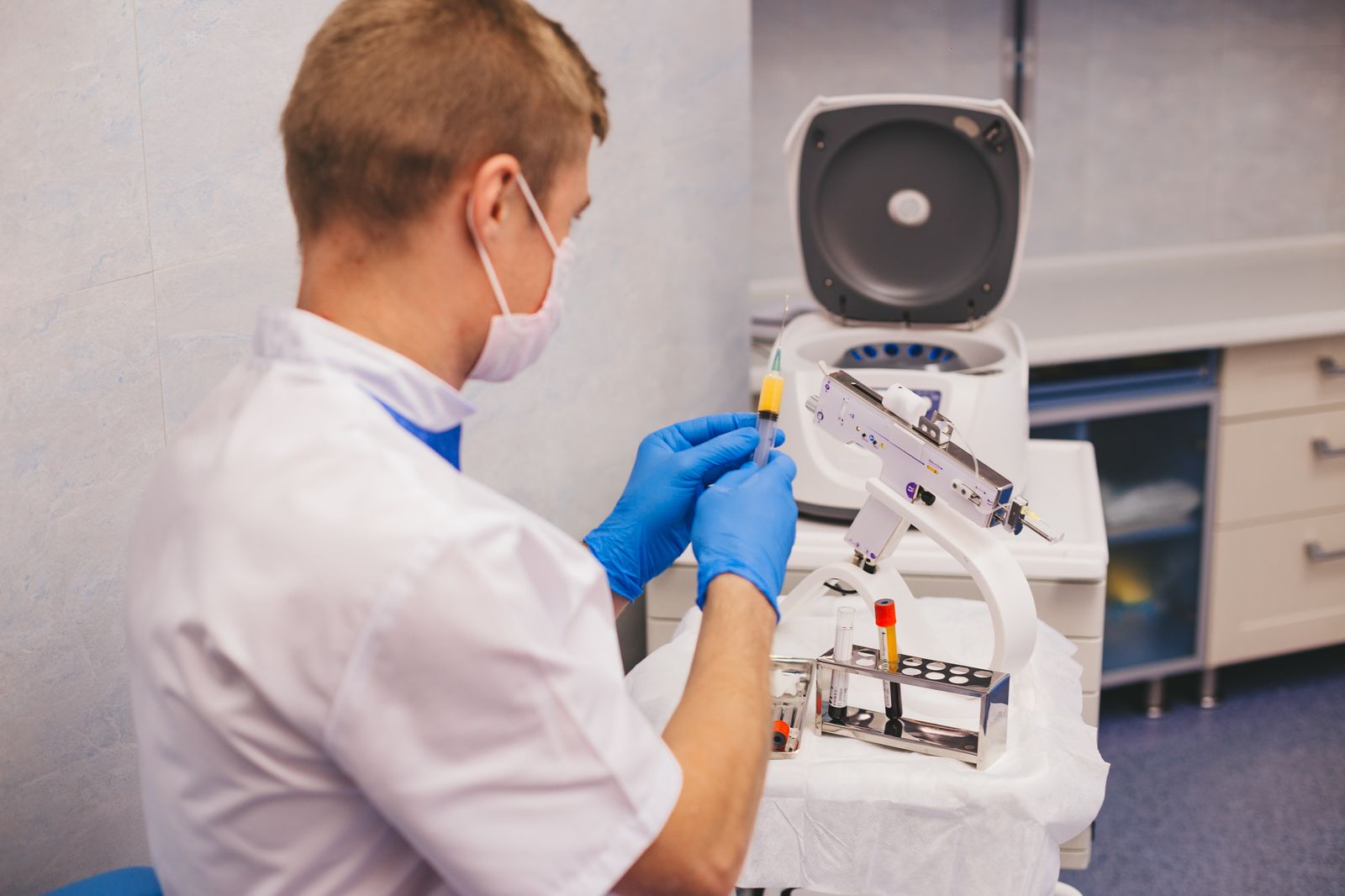
Most Toronto patients arrive having tried straight PRP, vampire facials or filler-only treatments and noticed that the result either faded fast or looked too dense. Salient NaturaGel sits in the middle. The HA fraction adds immediate, soft volumetric correction in the 0.6 to 1.2 mL range per zone, while the platelet concentrate releases PDGF, TGF-beta, VEGF, EGF and IGF-1 over a 21 to 28 day window. The clinical outcome is a gradual brightening of the skin envelope, a thickening of the dermis on ultrasound imaging, and a measurable reduction in transepidermal water loss. Patients describe it as my skin looks like it did three years ago rather than I had something done.
The Three Mechanisms Of Action
First, the HA gel provides immediate hydrophilic bulking that lifts depressed contours such as the tear trough or the pre-jowl sulcus. Second, the platelet concentrate triggers a controlled wound-healing cascade that recruits fibroblasts and upregulates Type I and Type III collagen synthesis. Third, the slow biodegradation of the HA matrix over 6 to 9 months acts as a scaffold for autologous tissue replacement, which is why the result tends to outlast the injected product itself.
Why The Hybrid Matters Versus Standalone PRP
Standalone PRP is fully resorbed in 7 to 14 days. To replicate the dwell time of Salient NaturaGel you would need three to four sequential PRP sessions at $600 each (our PRP Face price). The hybrid format consolidates that into a single visit and adds the immediate volumetric correction that pure PRP cannot deliver. For patients between 32 and 55 with early volume loss, this is usually the more cost-efficient route.
How Salient NaturaGel PRP Treatment Works Step By Step At Bar Beauty
The full appointment is 75 minutes door to door. Below is the exact clinical sequence Jasmine and the team follow with every patient who books a Salient NaturaGel session in Toronto.
Step 1, Consultation And Medical Clearance
We screen for active autoimmune conditions, current isotretinoin use, anticoagulant therapy, pregnancy and any platelet disorders. Patients on aspirin, fish oil, vitamin E or NSAIDs are asked to pause 7 days pre-treatment to maximize platelet yield. Iron-deficient patients are flagged because low ferritin correlates with reduced platelet activation.
Step 2, Phlebotomy And PRP Spin
We draw 11 to 22 mL of venous blood depending on the treatment zones. The sample is centrifuged in a closed double-spin protocol at 3,200 RPM for 8 minutes to isolate the buffy coat. This yields a platelet concentration of 5x to 7x baseline, which is the therapeutic threshold for fibroblast activation. Below 4x concentration the regenerative cascade does not reliably trigger.
Step 3, HA Reconstitution
The platelet concentrate is mixed with a low-density cross-linked HA carrier in a sterile closed system. The final viscosity is calibrated to the treatment zone, thinner for under-eye, slightly denser for cheek and jawline. The mixing is done in a single sealed syringe to eliminate contamination risk.
Step 4, Numbing And Mapping
23% lidocaine / 7% tetracaine compounded topical sits for 20 minutes. The face is marked using the Bar Beauty mid-face vector map to ensure symmetric distribution. Photographs are taken from five standardized angles for the chart.
Step 5, Cannula Or Needle Delivery
For tear-trough and mid-face, a 25G blunt micro-cannula is entered through a single lateral port. For peri-oral and neck, a 30G needle is used in a fanning retrograde technique. Total injection time is 18 to 25 minutes depending on the number of zones.
Step 6, LED And Aftercare
10 minutes of 633nm red-light LED is applied to reduce post-injection erythema and accelerate platelet activation. Arnica is applied. Patients receive written aftercare instructions by email covering sleep position, exercise restrictions and sun avoidance for the following 7 days.
Salient NaturaGel PRP Pricing In Toronto 2026
Pricing varies by treatment zone count and number of vials required. Bar Beauty publishes flat-rate pricing rather than per-mL upcharges so the consultation quote is the final number you pay at checkout.
What You Are Actually Paying For
The session price covers the PRP kit and consumables, the injector’s time, clinic overhead, sterile field setup, photography, charting and the follow-up appointment. If a clinic is charging dramatically less, something in that chain is being cut.
Affirm financing
For larger treatment plans, Affirm financing is available so you can split the cost into monthly payments. You can review your options at consultation; checking your rate does not affect your treatment plan.
Current pricing for every treatment is published on our (see current price list).
Salient NaturaGel PRP Versus Other Regenerative Options In Toronto
| Treatment | Immediate Volume | Biostimulation | Downtime |
|---|---|---|---|
| Salient NaturaGel PRP | Moderate | High | 2 to 4 days |
| Standalone PRP | None | Moderate | 1 to 2 days |
| Standard HA filler | High | Low | 2 to 5 days |
| Sculptra (PLLA) | Low | Very High | 3 to 7 days |
| Polynucleotides (not licensed in Canada) | None | High | 1 day |
Red Flags To Watch For When Booking Salient NaturaGel In Toronto
If the injector is not a Registered Nurse, Nurse Practitioner or Physician you should not proceed. If the clinic cannot show you the centrifuge protocol or platelet concentration target, walk out. If they suggest pairing Salient NaturaGel with permanent filler in the same zone, decline.
Safety Signals You Want To See
Closed-system PRP kits with sterile single-use tubes. CSA-approved centrifuge with documented maintenance log. Visible mask, gloves and chlorhexidine prep. Written informed consent that lists specific risks including bruising, nodule formation, infection and vascular occlusion. A documented hyaluronidase reversal protocol on-site with vials readily available.
Financing with HSA and payment plans
Salient NaturaGel is generally not covered by provincial health insurance because it is considered cosmetic. However many Toronto patients use a Health Spending Account (HSA) through their employer benefits, which can reimburse the cost as an eligible medical expense when prescribed by a regulated health professional.
Tax-Deductible Scenarios
If you have a Personal Health Spending Account or a Health Care Spending Account through a corporate benefits plan, you can submit the receipt for full or partial reimbursement. We provide CRA-compliant receipts on request.
Aftercare And What To Expect Week By Week
Day 1 brings mild swelling and possible pinpoint bruising. Day 3 to 7 the HA carrier fully integrates and swelling resolves. Week 2 to 4 is peak platelet-driven fibroblast activation when the skin begins to visibly thicken. Week 6 to 12 shows visible improvement in tone, texture and luminosity. Month 6 to 9 is peak collagen remodeling and the ideal time to reassess for maintenance.
Who Is And Is Not A Candidate
Ideal candidates are 30 to 60 years old with early to moderate volume loss, fine lines and mild textural change. Not suitable for patients with active herpes simplex outbreaks, autoimmune conditions on immunosuppressive therapy, current isotretinoin use, pregnancy or breastfeeding, blood dyscrasias or known allergy to lidocaine.
Frequently Asked Questions About Salient NaturaGel PRP In Toronto
How long does Salient NaturaGel PRP last?
The HA carrier lasts 6 to 9 months. The biostimulatory effect on collagen typically lasts 12 to 18 months. Most patients return for maintenance every 9 to 12 months.
Is Salient NaturaGel safer than regular filler?
The vascular occlusion risk is lower than dense cross-linked filler because the HA fraction is softer and the cannula technique reduces sharp-needle intravascular events. However all injectables carry risk and must be performed by a trained injector with hyaluronidase on hand.
Can I combine Salient NaturaGel with Botox?
Yes. We commonly schedule Botox 2 weeks before Salient NaturaGel so the muscle relaxation is established before the regenerative phase begins.
Will Salient NaturaGel fix dark under-eye circles?
It improves shadowing caused by volume loss and dermal thinning. It does not bleach true pigmentation. For pigment we layer with Aerolase Neo Elite.
How painful is the treatment?
Most patients report 2 to 3 out of 10 with the topical anesthetic in place. The cannula technique is significantly more comfortable than sharp-needle injection.
When can I exercise after Salient NaturaGel?
Light walking is fine same-day. Avoid elevated heart-rate exercise for 48 hours and hot yoga or sauna for 7 days.
Can I fly the next day?
Yes. There is no aviation contraindication. Bring a cold pack for the flight if you have residual swelling.
Do you ever refuse to treat someone?
Yes. If we feel a patient has body dysmorphia, unrealistic expectations or insufficient clinical indication, we decline and refer to dermatology or psychology where appropriate.
Is Salient NaturaGel the same as a vampire facial?
No. A vampire facial applies PRP topically after microneedling. Salient NaturaGel injects activated PRP into the dermis suspended in HA gel. The dermal depth of action and longevity are markedly different.
How many sessions will I need?
Most patients see optimal results with 2 sessions spaced 8 to 12 weeks apart, then annual maintenance.
Can I get Salient NaturaGel if I have melasma?
Yes, but we sequence carefully and pair with topical tyrosinase inhibitors to avoid post-inflammatory hyperpigmentation flare.
Book A Salient NaturaGel PRP Consultation In Toronto
Bar Beauty is located in downtown Toronto and serves patients from across the Greater Toronto Area. Book online or call to reserve a 30-minute consultation with Jasmine Saggu, RN. Same-week appointments often available.
The Science of Salient NaturaGel PRP: Your Own Plasma, Turned Into a Gel
Cellenis NaturaGel PRP is made from a small sample of your own blood, prepared at the clinic on the day. The system heats the platelet-poor part of your plasma to form a protein gel, which is combined with your platelet-rich plasma. It contains no salmon DNA and no polynucleotides. The platelets carry your own growth factors (PDGF, VEGF, TGF-β, EGF, IGF-1), which start the normal wound-healing response. The gel is placed in small amounts across the treatment area, and results build over a series, usually three sessions.
Salient NaturaGel vs Standard PRP vs PRF vs Skin Boosters (Redensity-1) vs Revanesse Pure
- Salient NaturaGel PRP ($750 for 11 mL, $1,400 for 22 mL at Bar Beauty): Your own PRP combined with a heated plasma protein gel, all from your own blood.
- Standard PRP ($600 a session at Bar Beauty, booked as PRP Face): Plasma alone; no synthetic scaffold; faster reabsorption.
- PRF (Platelet-Rich Fibrin, $750 for 11 mL or $1,400 for 22 mL at Bar Beauty, booked as Cellenis NaturaGel PRP/PRF): No anticoagulant; slower release; thicker matrix.
- Skin Boosters (Redensity-1) (off-label only): Synthetic dual-weight HA; no autologous component.
- Revanesse Pure ($500 per 1 cc at Bar Beauty): Synthetic HA only; no growth factors.
Sticker Price vs True 18-Month Cost
Standard 3-session Salient NaturaGel course: $2,250 with the 11 mL kit ($750 a session) or $4,200 with the 22 mL kit ($1,400 a session). Maintenance: 1-2 sessions every 8-12 months, at the same per-session price. Over 18 months, a course plus one or two maintenance sessions comes to $3,000 to $3,750 with the 11 mL kit, or $5,600 to $7,000 with the 22 mL kit. Compared to monthly med-spa facials over 18 months ($2,700-$4,500), Salient NaturaGel delivers structural collagen stimulus, not just surface refresh.
Pre-Treatment Preparation
Seven days: stop NSAIDs, fish oil, vitamin E, ginkgo (these reduce platelet function and dilute the PRP effect). Three days: arnica, bromelain. Day of: hydrate aggressively (improves blood draw); arrive caffeine-light; bring photo ID for blood-draw protocol. Numbing cream applied 20 min before injection.
Common Mistakes With PRP
- Using anti-inflammatories within 7 days. Blunts growth-factor response.
- Doing one session and stopping. 3-session protocol is the minimum for cumulative benefit.
- Combining with same-session aggressive laser. Spread modalities; PRP day, laser separate day.
- Expecting filler-level visible change. PRP improves quality; doesn’t add volume.
- Skipping nutritional fundamentals. Adequate protein, iron, zinc, vitamin C support endogenous collagen synthesis.
Decision Matrix: Salient NaturaGel, Standard PRP, PRF, or Synthetic Booster?
- Salient NaturaGel if: You want hybrid synthetic + autologous; you want maximum cumulative response; budget supports premium.
- Standard PRP if: You want autologous only; budget is the constraint; comfortable with shorter persistence.
- PRF if: You prefer no anticoagulant; want slower-release matrix.
- Synthetic booster if: You can’t or won’t do blood draw; prefer fully regulated synthetic product.
What PRP Won’t Do
PRP won’t reverse photo-damaged skin in one session. It won’t replace volume. It won’t treat dynamic wrinkles (need toxin). It won’t clear pigment (need laser or peels). It won’t lift loose skin (need HIFU, threads, or surgery). It improves skin quality, tone, texture, thickness, hydration, over a series. Best results come from coordinated programmes that pair PRP with appropriate other modalities.
PRP for Hair: Same Mechanism, Different Indication
Salient NaturaGel and standard PRP are also used in the scalp for androgenetic alopecia and post-menopausal hair thinning. Protocol: 3 sessions monthly, then maintenance every 4-6 months. Best results when combined with finasteride/minoxidil where indicated. Bar Beauty offers scalp PRP at $700 for 11 mL and $850 for 22 mL.
Deeper protocol breakdown for Salient NaturaGel PRP at Bar Beauty Medical
Beyond the high-level overview most clinics publish, patients researching Salient NaturaGel PRP in Toronto deserve to know what actually happens during a platelet rich plasma with gel matrix appointment, how decisions are made in real time, and what separates a competent technician from a clinician building a long-term aesthetic plan. At Bar Beauty Medical, every Salient NaturaGel PRP appointment follows a six-stage protocol. Stage one is the seated visual assessment in neutral lighting with hair pulled back. Stage two is the dynamic assessment, where Jasmine asks the patient to smile, frown, pucker, and speak naturally to identify how the muscles of facial expression interact with whatever concern brought them in. Stage three is the photographic baseline using standardized angles (frontal, three-quarter left and right, profile, and submental) under fixed lighting. Stage four is treatment planning, where the proposed approach is sketched on a printed face diagram and reviewed with the patient before any product is opened. Stage five is consent, including a written explanation of risks specific to the planned anatomy. Stage six is the treatment itself, performed slowly and incrementally, with a hand mirror offered at natural pause points so the patient can confirm direction before more product is delivered.
This protocol exists because rushed appointments produce rushed outcomes. When a clinic books Salient NaturaGel PRP every 15 minutes, the planning conversation gets compressed and the patient is more likely to leave with a generic result. Our Salient NaturaGel PRP bookings are 60 to 90 minutes for new patients and 45 to 60 minutes for return visits, which is longer than the industry average but produces fewer revisions and more natural outcomes over time.
Year-one, year-two, and year-three cost framework
A realistic budget for Salient NaturaGel PRP extends beyond the first appointment. Year one typically involves an initial treatment plus one or two refinement or maintenance visits, depending on the product half-life and the patient’s goals. Expect a year-one investment in the range of CAD 750-1100 multiplied by 1.5 to 2.0. Year two usually settles into a maintenance rhythm where the patient has identified what works and is no longer building. Year-two costs typically drop 20 to 40 percent versus year one. Year three often introduces complementary treatments (skin quality work, biostimulator layering, or device-based collagen support) that reduce the dependency on the original platelet rich plasma with gel matrix alone. A patient who plans across a three-year horizon usually spends less per year by year three than they spent in year one, and the result looks more cohesive because each decision was made in the context of an overall plan rather than as a one-off purchase.
Common reversal and correction scenarios
Before-and-after photography expectations
Standardized photography is part of Salient NaturaGel PRP planning at our clinic. We use a fixed camera distance, fixed focal length, fixed lighting, and identical patient positioning at every visit. This matters because non-standardized photos exaggerate or minimize change depending on angle and lighting, which makes it impossible to evaluate whether a treatment achieved its goal. Patients receive their before-and-after set after each appointment and can request a multi-year review at any time. We do not publish patient photos without explicit written, time-limited consent, and we do not pressure patients to grant photo permission as a condition of treatment.
Candidacy determinants we evaluate at consultation
Not every patient who requests Salient NaturaGel PRP is an ideal candidate at the moment they ask. We evaluate eight candidacy determinants: realistic expectations, baseline anatomy, skin quality, medical history (autoimmune, anticoagulant, isotretinoin, immunosuppression, pregnancy or breastfeeding), psychological readiness, financial fit across a multi-visit plan, lifestyle factors (travel, sun exposure, planned events), and prior treatment history. A patient who scores poorly on three or more of these is asked to address the relevant factor before proceeding, even if it means losing the booking revenue. This is not gatekeeping for its own sake; it is how we maintain a low complication rate and high patient satisfaction across years rather than across single visits.
Advanced technique discussion
For patients who have done their own research, here is what differentiates a thoughtfully performed Salient NaturaGel PRP session from a basic one. We use cannulas in anatomical zones where they reduce vascular risk and bruising (midface, jawline, tear-trough adjacent zones) and needles where precision and product placement demand it. Aspiration is performed where vascular density requires it. Product selection is matched to tissue plane: thinner, more cohesive gels for superficial work; more robust, higher-G’ products for structural support. Layering across multiple sessions is preferred over single-session high-volume work because tissue accommodates change more gracefully over time. These specifics are why two clinics can quote a similar dollar figure for Salient NaturaGel PRP and produce visibly different outcomes.
Related at Bar Beauty: PRP Facial Toronto 2026, Cost, Vampire Facial Recovery & Patient Results and PRP Hair Restoration Toronto, Cost, Sessions, and What to Expect (2026).
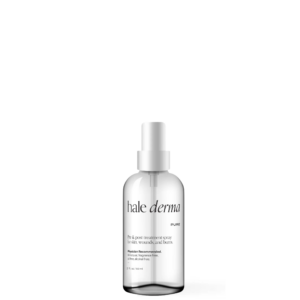
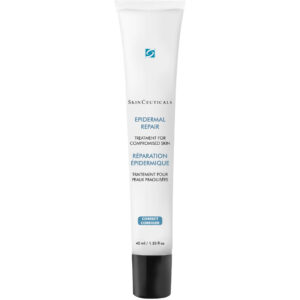
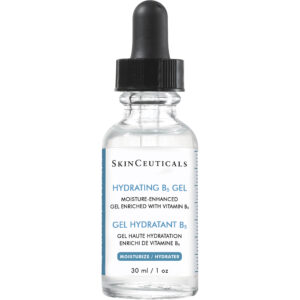
Recommended aftercare and skincare
The medical grade products our team uses to protect and extend your results. Shipped express across Canada, free over 150 dollars.
Ready to look into it properly?
Our consultation is free. We will look at your skin, give you an honest recommendation, and say so if a different treatment would suit you better.
Or call 416 923 1200 · 46 Fort York Blvd, CityPlace, Toronto
Questions about this treatment?
Ask us anything before you book. Consultations are free, and we will tell you honestly if a treatment is not right for you.