


The thing that determines your downtime is peel depth, not the brand on the bottle. A superficial peel affects the epidermis and you look slightly flushed for a day. A medium peel reaches the upper dermis and you visibly shed for three to seven days. Choosing by brand name rather than depth is how people end up peeling through a work week they could not afford to lose.
| Peel | Price (CAD) | Depth and downtime |
|---|---|---|
| Chemical Peel, NOON 20 | $240 | Superficial. Flushing for a few hours, light flaking at most. |
| Chemical Peel, NOON 30 | $240 | Superficial to light medium. One to three days of fine peeling. |
| Green Peel Level 1 | $260 | Herbal resurfacing. Visible shedding for several days. |
| Jessner Chemical Peel | $300 | Medium. Expect three to seven days of genuine peeling. |
| Consultation | Free | Depth chosen around your skin type, pigment risk and calendar. |
Bar Beauty Medical, 46 Fort York Blvd, CityPlace, Toronto. Prices in Canadian dollars from our live booking system, verified 18 August 2026. Deeper is not better. Darker skin types carry a higher risk of post-inflammatory pigmentation with aggressive peels, which is why we assess first.
Understanding How Chemical Peels Transform Your Skin for Lasting Radiance
Chemical peels for glowing skin have become the gold standard in professional skincare revealing youthful radiance. This treatment uses carefully formulated solutions to exfoliate damaged outer layers, promoting cellular renewal and unveiling the skin beneath. If you’re battling stubborn hyperpigmentation, seeking smoother texture, or craving that coveted glow from within, chemical peels offer proven results greater than skin care alone. At Bar Beauty Medical we understand that achieving radiant skin requires more than surface level solutions. We formulate personalized treatments combining modern formulations and personal care protocols. We match the right peel to your skin type and goals.
The science behind chemical peels for skin transformation
Chemical peels penetrate beyond what topical products can reach. These specialized solutions contain alpha hydroxy acids, beta hydroxy acids, or trichloroacetic acid that work at varying depths to dissolve the bonds holding dead skin cells together. The process triggers your skin’s natural healing response, stimulating collagen synthesis and accelerating cell turnover rates from a 28 day cycle to a 14-21 day cycle. By creating a controlled wound, the peel prompts your dermis to produce fresh collagen and elastin, gradually restructuring the skin. The exfoliation removes accumulated melanin clusters responsible for dark spots, refining enlarged pores and rough texture. The results extend beyond immediate visible results. With each chemical peel treatment your skin will have cumulative benefits. Your skin becomes more receptive to skin care products allowing skincare products to penetrate deeper and become more effective.
Types of Chemical Peels: Finding Your Perfect Match for Glowing Skin
There are three types of chemical peel options for radiance. Each will target specific depths and concerns. Superficial peels utilize a gentle acid like glycolic acid or lactic acid at a concentration of 20-30%. These peels require minimal downtime and address surface level concerns such as dullness, mild texture, and early signs of aging. Medium depth peels are for anyone seeking dramatic yet manageable results. Formulated with trichloroacetic acid at 25-35% concentration. These treatments penetrate into the papillary dermis to address moderate hyperpigmentation, visible sun damage, and established fine lines, this depth triggers more substantial peeling over about 5 to 7 days. Deep chemical peels using phenol or high concentration TCA solutions penetrate the reticular dermis, making them the most intensive option for severe photoaging, deep wrinkles, and pronounced scarring. While these treatments require careful consideration due to extended downtime and specialized aftercare, they deliver exceptional results for those with substantial concerns. At Bar Beauty Medical our team conducts thorough consultations to determine whether a deep peel aligns with your goals, skin type, and lifestyle, ensuring you receive recommendations prioritizing both results and safety. Deeper peels tend to produce more collagen stimulation and a bigger change in pigmentation than superficial peels, though the exact result depends on your skin, the peel, and how many sessions you have.
Remarkable Benefits of Chemical Peels for Achieving Luminous Skin
Professional chemical peels extend far beyond simple exfoliation, making them one of the most versatile treatments in aesthetic medicine. Chemical peels excel at correcting hyperpigmentation and melasma by breaking down excess melanin deposits and inhibiting overactive melanocytes. Dark spots can stem from hormonal changes, or post inflammatory marks from acne, or stemming from sun exposure. Chemical peels can visibly fade them over a series of treatments. Chemical peels can also dramatically improve skin texture by dissolving the glue holding rough skin cells on your surface skin, while minimizing the appearance of pores through tightening effects. Anti aging benefits, skin peels leave behind a youthful radiance, by plumping fine lines and improving elasticity. With regular treatments you can remove years of damage, reduce the appearance of crow’s feet and forehead lines. For acne prone individuals salicylic acid based peels penetrate oil filled pores to clear congestion and prevent more breakouts. Chemical peels will help fade acne scarring by promoting collagen. Removing the dull surface layer leaves the skin looking brighter overall. Finally skincare absorption is improved allowing your products to penetrate more effectively.
The Chemical Peel Treatment Process: What to Expect at Bar Beauty Medical
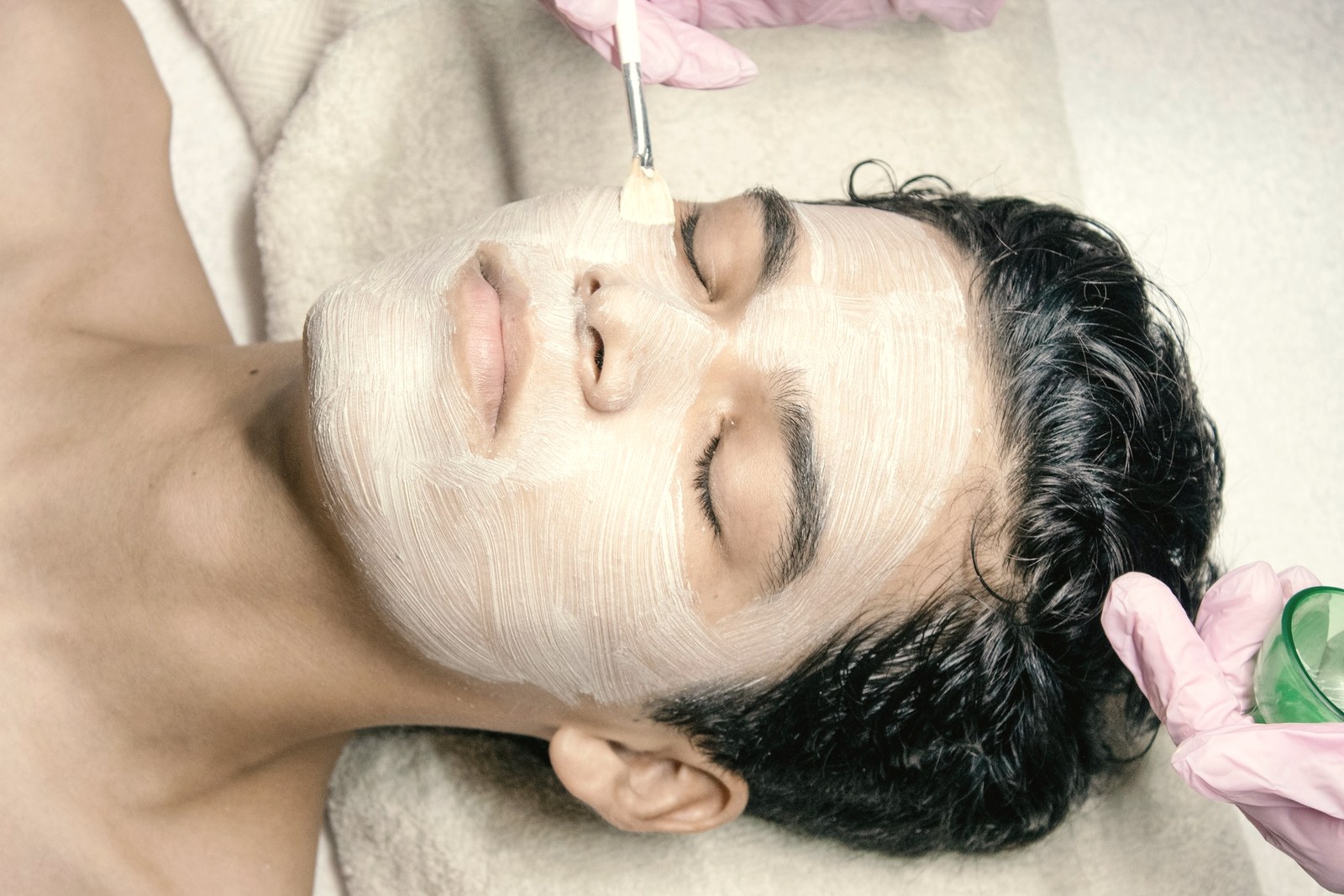
Your visit at Bar Beauty Medical begins with a consultation where we assess your skin type, concerns, and goals. We consider your Fitzpatrick skin type, existing conditions, previous treatments, and lifestyle to customise your chemical peel plan. This approach ensures minimized risks and maximized results. On the day of your treatment your skin is thoroughly cleaned to remove makeup, oil, and any debris that could interfere with the chemical penetration. We then apply the chemical solution, carefully timing the application based on your skin’s response. During the treatment you may feel tingling, warmth, or mild stinging, all normal indications the peel is working. The peel typically needs about 45 minutes depending on the depth of the treatment. For optimal results post treatment care is critical and also for preventing complications. Over the next few days your skin may feel tight and look slightly red, similar to a sunburn. You will start to peel over the next several days depending on the depth of the peel, as you start to shed the damaged skin layers. At Bar Beauty Medical we will provide you with after care instructions, with specific cleansers, moisturizers, and sunscreen recommendations. Depending on your peel depth your skin will need 5-7 days of downtime. With most superficial peels having zero downtime. Final results unfold gradually with the most apparent after 2-4 weeks post treatment.
Preparing Your Skin for Chemical Peels: Pre-Treatment Essentials for Optimal Results
It is important to set the proper foundation for your chemical peel treatment. Start by incorporating specific products into your routine to prime your skin. To help accelerate cell turnover for a more uniform baseline begin using low concentration retinoids or vitamin A about 2-4 weeks before your treatment. This allows for your skin to acclimate to active ingredients, reducing sensitivity during your treatment. Sun protection becomes a non negotiable pre treatment. UV exposure increases your risk of hyperpigmentation and compromises your skin barrier function. Clients should use a SPF 50 daily and reapply every two hours when spending time outdoors. To protect your skin and reduce risk of sensitivity avoid harsh physical exfoliants, threading or laser at least one week before your scheduled skin peel treatment. Antiviral medication may be recommended for anyone with a history of cold sores, as chemical peels can trigger outbreaks. This is so that skin can enter in optimal condition and primed to receive maximum benefits.
Post-Peel Care and Recovery: Protecting Your Investment in Radiant Skin
Post chemical peel care is critical to determine whether you achieve stunning results or encounter complications. Immediately post treatment your skin enters a vulnerable healing phase. Use only mild cleansers that won’t strip your skin and compromise your barrier. Pat your skin dry and apply prescribed healing ointments or moisturizers generously to maintain hydration and support the repair process. You must avoid sun exposure and apply sun protection. Your newly revealed skin lacks the layer of dead skin making it more vulnerable to UV damage. Consider wearing extra layers of protection for about 4-6 weeks post treatment. Your skin remains photosensitive during the remodelling phase. You must also resist the temptation to pick at the peeling skin and let it fall off as naturally as possible. Premature removal can cause scarring, infection, and even patchy results. Avoid using makeup or switch to mineral based formulas that won’t clog your pores or irritate your skin.

Addressing Common Concerns: Safety, Side Effects, and Realistic Expectations
Understanding potential risks ensures you approach chemical peel treatments for radiance with realistic expectations and precautions. When your treatment is performed by a professional using medical grade products, chemical peels maintain an excellent safety record. Common temporary side effects include redness, sensitivity, and controlled peeling. More rare concerns include scarring or infection. Those individuals with active cold sores may experience outbreaks and should postpone treatment. At Bar Beauty Medical we will identify contraindications before treatment to ensure your skin safety remains paramount. One session may not be enough for the results you want to achieve. Most skin concerns require a series of treatments spaced 4-6 weeks apart. Then you would ideally schedule a maintenance peel every 3-4 months to sustain improvements. Chemical peels are a big part of a comprehensive and long term strategy to sustain skin radiance and skin health.
Ready when you are
Book Chemical Peel in Toronto
Free consultation, transparent pricing, licensed medical staff. Book online or call 416-923-1200.
Chemical Peels We Offer at Bar Beauty Medical
We keep our peels superficial to medium depth, which suits most skin concerns with manageable downtime. Our NOON 20 chemical peel is a gentle option for dullness, uneven texture, and early signs of ageing, while the stronger NOON 30 peel steps up the intensity for more stubborn pigment and texture. If you prefer a botanical approach, the Green Peel facial uses herbal actives, with a milder Green Peel Fresh Up for a quick refresh. Peels pair well with concerns like hyperpigmentation, melasma, and acne, and we often sequence them with microneedling for texture. The right peel and depth are chosen at your consultation, and treatment pricing is on our price list.
Frequently Asked Questions
What does a chemical peel do for your face?
A chemical peel applies an acid solution that loosens and removes the outer layer of dead, damaged skin so fresher skin can surface. Depending on the depth, it can improve dullness and texture, soften fine lines, fade dark spots and post-acne marks, unclog pores, and prompt the skin to build new collagen. The deeper the peel, the bigger the change and the longer the recovery.
How long does a chemical peel take to heal?
It depends on depth. A superficial peel usually means little to no real downtime, with mild flaking for a few days. A medium-depth peel typically involves about 5 to 7 days of visible peeling, redness, and tightness, similar to a sunburn that resolves. Final results keep developing over 2 to 4 weeks as the skin finishes renewing. Strict sun protection during healing is essential.
Are chemical peels worth it?
For the right concern, yes. Peels are one of the more cost-effective ways to improve tone, texture, mild pigmentation, and congestion, especially as part of a plan rather than a one-off. Most people need a short series spaced a few weeks apart, then occasional maintenance. They are less suited to deep wrinkles or significant laxity, which respond better to other treatments. A consultation will tell you honestly whether a peel is the right tool for your skin.
How often should you get a chemical peel?
For most superficial and medium peels, a series spaced about 4 to 6 weeks apart gives the best results, followed by a maintenance peel every few months to hold the improvement. Going more often than your skin can recover from does not speed things up and can irritate the barrier. We set a realistic cadence for your skin at the consultation.
Who should not get a chemical peel?
Peels are generally deferred if you have an active skin infection or cold sore outbreak in the area, are pregnant or breastfeeding (depending on the peel), have used isotretinoin recently, or have a history of keloid scarring. Darker skin tones can be treated safely but need the right peel and an experienced hand to avoid post-inflammatory pigmentation. We screen for all of this before booking any treatment.
Does a chemical peel hurt?
Most people feel tingling, warmth, or mild stinging while the solution is on, which settles quickly once it is neutralised or removed. Superficial peels are very tolerable; deeper peels are more intense and are managed accordingly. If anything feels stronger than expected during treatment, we adjust.
If a peel feels like more than you want, the Préime DermaFacial resurfaces mechanically with microdermabrasion instead of chemically, with no flaking afterwards.
Ready to look into it properly?
Our consultation is free. We will look at your skin, give you an honest recommendation, and say so if a different treatment would suit you better.
Or call 416 923 1200 · 46 Fort York Blvd, CityPlace, Toronto
Questions about this treatment?
Ask us anything before you book. Consultations are free, and we will tell you honestly if a treatment is not right for you.