


Skin analysis imaging photographs your skin under different light wavelengths to show what the surface hides. UV imaging reveals sun damage that has not yet surfaced, and cross-polarised light shows vascular activity under pigment. The practical value is that it stops treatment being a guess, particularly for melasma where the vascular component underneath is the thing most often missed.
- What UV imaging shows: sun damage sitting below the surface that will emerge over the coming years. Often the most confronting image, and the most useful for motivating sun protection.
- What polarised imaging shows: vascular activity beneath pigment. This is how we identify the vascular component of melasma that makes pigment-only treatment relapse.
- Why it changes the plan: pigment that looks uniform to the eye is frequently two separate problems needing two different treatments. Treating one and not the other is why courses disappoint.
- Cost: the skin analysis is a $150 value and it is free with your consultation. Every consultation at Bar Beauty is free and the analysis is included with it at no charge. It is a genuine diagnostic appointment rather than a sales appointment, and you leave with the multi-spectral imaging findings, a written plan and a quote at no charge.
- It also gives you a baseline. Comparing imaging after a course shows change that a mirror cannot, which matters for treatments where progress is gradual.
- Occasionally the honest outcome is that we recommend nothing in clinic and send you home with a routine change. That has happened and it will happen again.
Bar Beauty Medical, 46 Fort York Blvd, CityPlace, Toronto. Prices in Canadian dollars from our live booking system, verified 18 August 2026.
Salient Skin Analyzer, Multi-Spectral Diagnostic Imaging Toronto
The Salient Skin Analyzer is a multi-spectral, high-resolution facial imaging system that captures skin condition across visible, UV, cross-polarised, and infrared wavelengths to produce quantified, longitudinal data on pore size, wrinkle depth, surface and sub-surface pigment, vascular patterns, porphyrin (acne bacteria) presence, hydration, and skin tone uniformity. It transforms aesthetic medicine from subjective opinion to measurable outcome tracking. This page covers what the device reveals, how it works, who should be imaged, and how Bar Beauty uses it to track and validate every treatment plan.
What the Salient Skin Analyzer Actually Is
The Salient Skin Analyzer is a multi-spectral, high-resolution facial imaging system that captures and analyses skin condition across multiple wavelengths of light, visible, parallel-polarised, cross-polarised, UV, and infrared, to quantify skin parameters that are invisible to the naked eye. It is not a marketing prop or a glorified selfie booth. The analyser produces measurable, longitudinal data on pore size, wrinkle depth, pigment distribution, vascular patterns, porphyrin (acne bacteria) presence, hydration, and skin tone uniformity, allowing your treatment plan to be measured objectively rather than guessed.
Hardware: Multi-Spectral Imaging
The analyser captures images at standardised distance, lighting, and head position using a fixed camera-and-LED rig that eliminates the lighting variability that makes phone selfies worthless for tracking real change. Multi-spectral filters capture data at specific wavelengths that reveal sub-surface pigment, vascular structures, and bacterial fluorescence not visible under normal lighting.
Software: Quantified Skin Metrics
The AI-powered analysis software produces numerical scores for each parameter, pore count and area, wrinkle depth and total area, pigment spot count, vascular score, porphyrin count, and overall skin age estimate, calibrated against age-matched normative databases. Reports can be tracked longitudinally across visits, providing the only true measurement of whether your skincare routine and clinic treatments are actually working.
The Mechanism: Why Multi-Spectral Imaging Beats Eyeballing
Aesthetic medicine has historically relied on subjective before-and-after photography and provider opinion. Multi-spectral imaging changes this in two important ways.
Standardisation
Lighting, distance, head position, and camera settings are fixed by the device. A photo taken today is directly comparable to a photo taken 12 months ago, with no variability introduced by phone cameras, ambient lighting, or makeup.
Sub-Surface Visualisation
UV imaging reveals sub-clinical pigment 5-10 years before it becomes visible to the naked eye. Cross-polarised imaging removes surface reflection and reveals vascular patterns and deeper pigment. Porphyrin imaging shows P. acnes bacterial activity in pores before active breakouts appear. This means treatment can target problems before they manifest, not after.
Outcome Measurement
Standardised metrics allow real outcome tracking: did the SkinPen series actually reduce pore count? Did the brightening protocol actually reduce pigment spot area? The data answers questions that provider opinion cannot.
What the Skin Analyzer Reveals
Each imaging session generates a comprehensive report covering the following parameters.
Surface Pigment and Sub-Surface Pigment
Surface (visible) pigment spots are mapped and counted. UV imaging reveals sub-clinical pigment, sun damage that has not yet surfaced, providing early warning years before visible spots appear.
Pore Count and Area
Total pore count, average pore area, and concentration zones are quantified, allowing objective measurement of pore-targeting treatment outcomes.
Wrinkle Depth and Area
Total wrinkle area, depth distribution, and zone-by-zone mapping (forehead, periorbital, perioral, etc.) provide objective tracking of anti-aging interventions.
Vascular Score
Cross-polarised imaging reveals telangiectasia, broken capillaries, and rosacea-related redness patterns invisible under normal lighting.
Porphyrin Count
UV-fluorescent imaging detects P. acnes bacterial activity, allowing acne treatments to target underlying bacterial load rather than just visible lesions.
Hydration and Texture
Surface texture metrics correlate with measurable hydration scores and barrier function.
Skin Age Estimate
An AI-derived skin age compared to your chronological age, a useful motivational metric, though not a scientific endpoint.
Who Should Get a Skin Analyzer Session
Imaging is appropriate for nearly every client at three key points in their treatment journey.
Baseline Imaging at First Consultation
Establishes the starting point against which all future treatments are measured.
Mid-Treatment Tracking
Quarterly or semi-annual imaging confirms whether the current protocol is moving the metrics that matter to you.
Annual Skin Health Check
Even clients who are not actively in treatment benefit from annual imaging as preventive screening, particularly for sub-surface pigment progression.
The Bar Beauty Skin Analyzer Protocol
Sessions run 30 minutes for standalone imaging, 15 minutes when bundled with another appointment.
Pre-Imaging Preparation
Makeup is removed completely. Skin is gently cleansed and dried. You are positioned in the standardised head rest to ensure repeatable head position.
Image Capture
The device captures multi-spectral image sets at standardised lighting in approximately 90 seconds. You will see flashes from different wavelength LEDs.
Analysis and Review
Software analysis runs in real time. Your clinician walks you through each report screen, explaining what each metric means and how it informs your treatment recommendations.
Treatment Plan Mapping
The imaging data is used to build a quantified treatment plan with specific target metrics and follow-up imaging milestones.
Current pricing for every treatment is published on our (see current price list).
Red Flags: Real Skin Imaging vs Marketing Theatre
Many Toronto clinics now offer skin analysis, and the quality varies wildly.
Is It a Real Multi-Spectral Device?
Smartphone-based skin analysers are marketing tools, not measurement instruments. A real multi-spectral analyser is a fixed-position medical device, not an app.
Are the Reports Repeatable?
Standardised lighting and positioning are essential. Without them, the metrics are random noise.
Who Interprets the Results?
Imaging is only useful if interpreted by a clinician who can translate the data into actual treatment decisions.
HSA and Documentation
Imaging documentation supports HSA claims.
HSA Documentation
Imaging reports with diagnosis codes can support HSA reimbursement for medically indicated treatments like acne or atrophic scarring.
Insurance Considerations
Some extended health benefits plans reimburse documented dermatological imaging when prescribed.
Reading Your Skin Analyzer Report Step by Step
The Salient report can be overwhelming on first viewing. Here is how to read each section and what each metric actually means.
The Pigment Map
Two pigment images are generated: a visible-light surface map and a UV sub-surface map. The visible map shows the pigment that is currently visible to the naked eye. The UV map reveals pigment in deeper layers that has not yet surfaced, often five to ten years ahead of visible appearance. A high UV pigment count with low surface pigment indicates significant future risk and is a strong indicator to escalate sun protection and topical brightening.
The Pore Map
Total pore count, average pore area, and concentration zones are displayed. Compare the absolute numbers to age-matched normative ranges shown in the report margin. Tracking change over time matters more than the absolute baseline.
The Wrinkle Map
Total wrinkle area is calculated across the full face, with zone-by-zone breakdown. This is most useful for tracking response to retinoid and microneedling protocols over six- to twelve-month windows.
The Vascular Map
Cross-polarised imaging reveals underlying redness, telangiectasia, and rosacea-related vascular activity. This map informs decisions about laser, IPL, or topical anti-redness protocols.
The Porphyrin Map
UV-fluorescent porphyrin imaging shows P. acnes bacterial activity in pores. High porphyrin counts indicate underlying bacterial colonisation that may produce future breakouts. This map informs the cadence and intensity of acne-targeting protocols.
How Imaging Changes Treatment Planning
Without quantified data, treatment planning is opinion-driven. With imaging, it becomes outcome-driven.
Pre-Treatment Baseline
Every new Bar Beauty client receives baseline imaging at the consultation or first treatment. This baseline locks in the starting metrics against which all future change will be measured. Without a baseline, claims of improvement are unverifiable.
Mid-Treatment Validation
At the midpoint of any treatment series (typically three months in for a six-month protocol), re-imaging confirms whether the planned approach is working. If the target metric is not moving, the protocol is adjusted, intensity, frequency, technique, or product additions, rather than completing a full series of ineffective treatments.
Post-Treatment Documentation
At the conclusion of a treatment series, comparison imaging quantifies the outcome. This serves both the clinical record and the client’s own confidence in the investment they made.
Annual Skin Aging Tracking
Long-term clients use annual imaging as a skin-aging tracking tool, similar to annual blood work. The longitudinal data set allows early intervention on changes that would not yet be visible to the naked eye.
Imaging in Specific Clinical Contexts
Multi-spectral imaging applies to far more than vanity tracking.
Acne Management
Porphyrin imaging tracks the underlying bacterial load driving inflammatory acne. As acne resolves clinically, porphyrin counts decrease, confirming the treatment is addressing root cause, not just suppressing symptoms.
Melasma and Pigment Disorders
UV imaging reveals the true extent of pigment disorders well beyond what is visible. This often changes the treatment plan from purely surface-directed to deeper combination protocols.
Rosacea and Vascular Conditions
Cross-polarised imaging maps vascular distribution that drives rosacea presentation. Imaging-guided treatment selection, laser, IPL, topical, or oral, improves outcomes versus general clinical assessment alone.
Pre-Procedure Risk Stratification
Sub-clinical pigment visible only on UV imaging is a marker for elevated post-inflammatory hyperpigmentation risk from microneedling, laser, or peels. Imaging-informed risk stratification leads to safer protocol selection and pre-treatment topical preparation.
Treatments Enabled by This Device & Toronto Pricing (2026)
| Treatment | Sessions | Best For |
|---|---|---|
| Skin Analyzer Standalone Imaging | 1 | Baseline or annual check |
| Bundled With Consultation | 1 | First visit |
| Quarterly Tracking Add-On | Per visit | Active treatment tracking |
| Acne Porphyrin Tracking Package | 4 | Acne treatment monitoring |
| Full Annual Skin Health Check | 1/yr | Preventive screening |
| Pre/Post Treatment Imaging Pair | 2 | Single treatment validation |
Frequently Asked Questions
How is this different from regular before-and-after photos?
Standardised lighting, fixed camera position, multi-spectral imaging, and AI-quantified metrics. Phone photos cannot reliably measure change because lighting, angle, and distance vary.
Will the imaging show me things I do not want to see?
Yes. UV imaging often reveals sub-clinical pigment 5-10 years before it surfaces visibly. Most clients find this motivating; some find it alarming. Your clinician will put the findings in context.
Is the imaging safe?
Yes. The UV exposure is far below daily sun exposure and is not a clinical UV dose.
How often should I be imaged?
Baseline at first visit. Quarterly during active treatment. Annually for maintenance clients.
Can imaging diagnose skin cancer?
No. The Salient Skin Analyzer is an aesthetic skin imaging system, not a dermoscopy device. Any suspicious lesion should be assessed by a dermatologist.
Will my insurance cover the imaging?
Cosmetic imaging is generally not covered. Medically indicated imaging (acne tracking, scarring documentation) may be HSA-eligible.
Do I need to remove makeup?
Yes, completely. Imaging is performed on bare cleansed skin.
How long does it take?
30 minutes including review of the report. The actual imaging takes about 90 seconds.
Can I get a copy of my imaging report?
Yes. PDF reports are emailed after each session and retained in your chart for longitudinal tracking.
Book Your Salient Skin Analyzer Consultation in Toronto
Bar Beauty Medical operates Salient Skin Analyzer at our 46 Fort York Blvd flagship in downtown Toronto. Every analyzer session is run by a member of our clinical team, under medical direction. Book a complimentary 20-minute consultation to confirm candidacy.
Protocol Deep-Dive: Step-by-Step Technique
Most pages describe what a diagnostic accomplishes; this section describes exactly how we perform the Salient AI-powered skin diagnostic imaging so that prospective clients understand the rigour behind the price. Bar Beauty operates under a written clinical protocol that everyone on our team follows identically.
Stage One: Consultation and Photographic Baseline
Every Salient Skin Analyzer client begins with a 20-minute consultation that includes medical history review, medication reconciliation (with particular attention to blood thinners, isotretinoin exposure within the past six months, recent dental work, and immunomodulators), Fitzpatrick skin typing, and goal articulation. Photographic baselines are captured on the Salient Skin Analyzer using the same lighting, head positioning, and lens distance every visit. This standardised imaging is what makes meaningful before-and-after comparison possible at three, six, and twelve months.
Stage Two: Pre-Treatment Preparation
Skin is double-cleansed with a low-pH gentle cleanser followed by a chlorhexidine or alcohol-based antiseptic depending on the indication. For sensitive areas, a compounded 23/7 lidocaine-tetracaine topical anaesthetic is applied for 25-30 minutes under occlusion. Vitals are taken and consent is reconfirmed. The treatment plan is reviewed verbally one final time and the client is given the option to modify or cancel without penalty.
Stage Three: The Salient Skin Analyzer Procedure Itself
Treatment is delivered in anatomically mapped zones using parameters titrated to the client’s tissue characteristics and goals. Throughout the procedure the injector or operator monitors for any signs of adverse reaction. Procedure time varies by indication but typical sessions run 30-75 minutes depending on the scope of treatment requested.
Stage Four: Immediate Post-Treatment Assessment
Before the client leaves we capture post-treatment photography, review written aftercare instructions, confirm the next appointment, and provide direct text-message access to our team for any concerns in the first 72 hours.
Skin Analysis Is Diagnostic, Not a Treatment
Skin analysis is a diagnostic imaging session, not a treatment. There is no result to maintain. We re-image at 3, 6 and 12 months under identical conditions so change can be measured objectively.
Before-and-After Photography: What to Expect and How to Read It
Photographic outcomes for Salient Skin Analyzer are documented at standardised intervals: immediately pre-treatment, immediately post-treatment, 2-week follow-up, 6-week follow-up, 3-month, 6-month, and 12-month. The single most common mistake clients make when reviewing other clinics’ before-and-afters is not accounting for lighting, head position, and lens distortion. A photo taken under overhead fluorescent lighting at week zero compared against ring-light frontal photography at week eight can produce a dramatic apparent change driven entirely by photographic technique.
What Genuine Standardised Photography Shows
At Bar Beauty all outcome photography uses identical lighting (5500K balanced LED panels at fixed angles), identical lens (50mm equivalent), identical distance (90 cm), identical background, and identical head positioning aided by the Salient imaging system. This allows us to measure actual tissue and pigment changes rather than photographic artefact. Clients are provided with their full photographic series on request.
Realistic Visible Change Timelines
The first visible change for most Salient Skin Analyzer protocols appears between 2 weeks and 6 weeks post-treatment. Peak visible change typically lands at the 8-16 week mark, with continued subtle remodelling for several months thereafter. Clients who evaluate their outcome at week one are evaluating swelling and inflammation rather than the actual treatment result.
What Determines Best Candidacy
Not every prospective client is a strong candidate for Salient Skin Analyzer. The factors that most reliably predict an excellent outcome are listed below, ranked in approximate order of importance.
Realistic and Specific Goals
Clients who can articulate a specific, realistic goal (“I want to look refreshed and less tired in 3D headshots for my professional profile”) consistently report higher satisfaction than clients with vague goals (“I just want to look better”). During consultation we work explicitly on goal specification because it improves the outcome.
Baseline Tissue Quality and Health Factors
Non-smokers, clients with consistent sun protection habits, clients with stable weight, and clients who sleep 7+ hours nightly consistently achieve better and more durable outcomes than clients with the opposite profile. Lifestyle modification recommendations are part of every consultation because they multiply treatment efficacy.
Willingness to Commit to the Full Protocol
Clients who complete the full recommended protocol (including take-home regimens, attendance at follow-ups, and adherence to aftercare) achieve outcomes that are measurably superior to clients who treat the recommended plan as optional. The data on this is unambiguous and is part of why we structure pricing around multi-session packages.
Honest Medical and Medication History
Undisclosed isotretinoin use, anticoagulant therapy, recent dental work, immunosuppression, autoimmune flares, pregnancy or breastfeeding plans, and certain supplements all materially change the risk profile of Salient Skin Analyzer. Complete honesty during consultation is the single most important safety factor.
Recommended aftercare and skincare
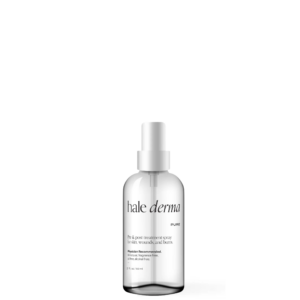
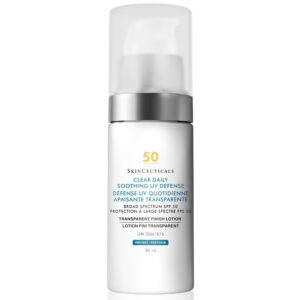
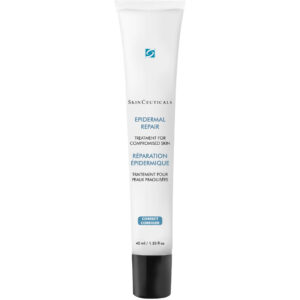
The medical grade products our team uses to protect and extend your results. Shipped express across Canada, free over 150 dollars.
Ready to look into it properly?
Our consultation is free. We will look at your skin, give you an honest recommendation, and say so if a different treatment would suit you better.
Or call 416 923 1200 · 46 Fort York Blvd, CityPlace, Toronto
Questions about this treatment?
Ask us anything before you book. Consultations are free, and we will tell you honestly if a treatment is not right for you.