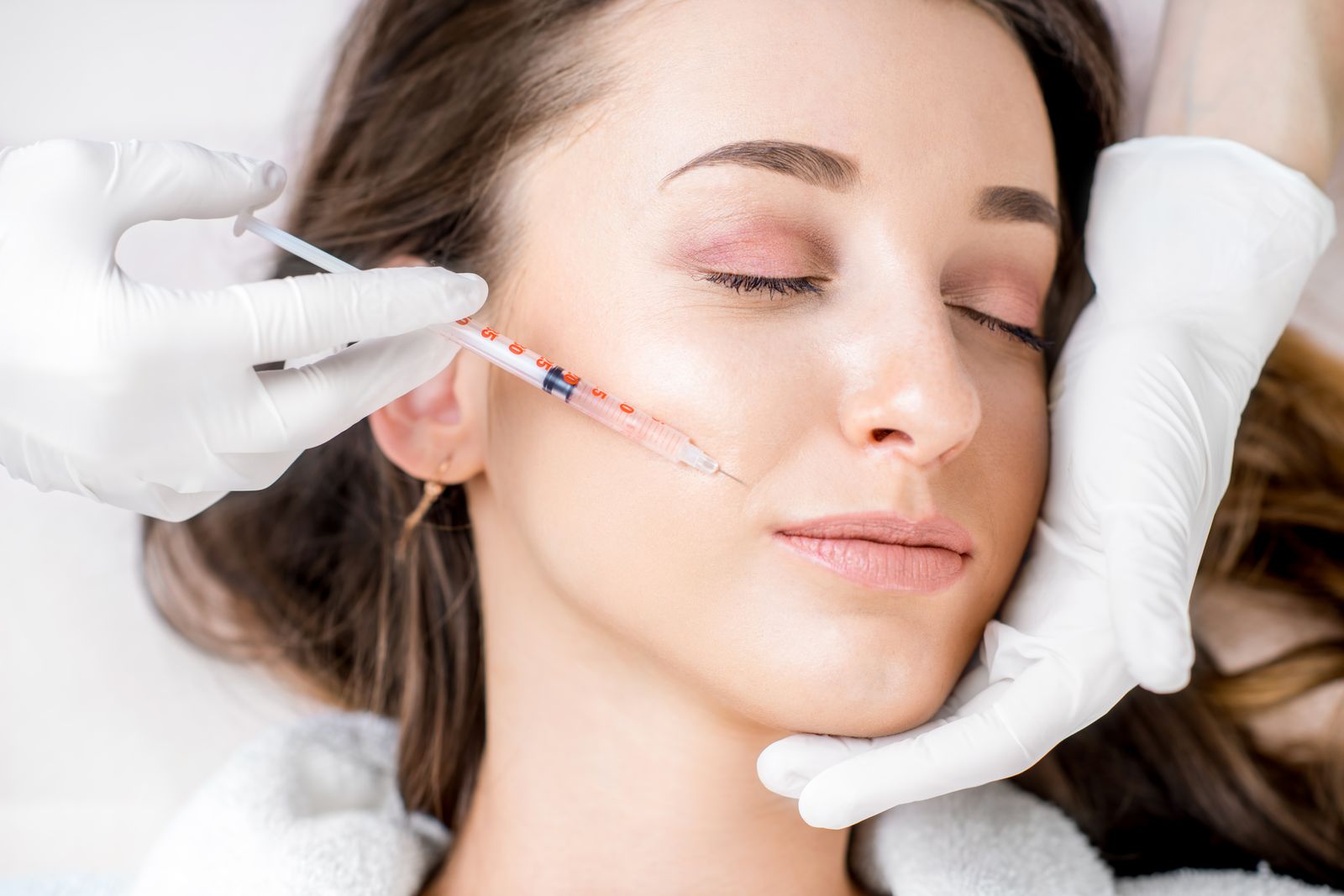
Introduction
So you're thinking about Botox, or maybe you've already taken the plunge and you're wondering how long those smooth results are gonna stick around. Botox typically lasts between 3 to 4 months, but that's not the full story. Some people see their results fade after 10 weeks, while others past the 5 month mark looking fresh as ever. The truth is, how long Botox lasts depends on a bunch of different factors from your metabolism and muscle strength to where you got injected and how experienced your injector is. Whether you're considering your first treatment or you're a Botox regular trying to make your results last longer, understanding what influences Botox duration can help you get the most bang for your buck and keep those wrinkles at bay.
The Standard Botox Timeline: What to Expect Week by Week
Let's break down the real timeline of what happens after your Botox appointment. You're not gonna walk out of the clinic with instant results Botox needs time to work its magic. Most people start seeing results within 3 to 5 days, with full effects kicking in around the 10 to 14-day mark. That's when your forehead lines, crow's feet, or frown lines hit their smoothest point.
From weeks 2 to 12, you're in the sweet spot. Your face looks relaxed, natural, and those dynamic wrinkles that show up when you smile or squint are basically on vacation. This is peak Botox life. But here's where things get interesting: around the 3-month mark, you might notice subtle movement coming back. It's not dramatic more like a gentle fade rather than a sudden return to square one.
By month 4, most people are ready for their next appointment. Your muscles are gradually regaining their full strength, and those expression lines start making a comeback. But here's the cool part: if you've been getting Botox regularly, you might notice that your wrinkles don't come back as deep as they were before. That's because consistent Botox treatments can actually train your muscles to relax, giving you longer-lasting smoothness over time.
What Actually Affects How Long Your Botox Lasts
Alright, so why does your friend's Botox last 5 months while yours fades at 12 weeks? It's not just bad luck there are real biological and lifestyle factors at play. Your metabolism is probably the biggest player here. If you've got a fast metabolism (think: you're super active, hit the gym hard, or just naturally burn through everything quickly), your body's gonna break down that Botox faster than someone with a slower metabolic rate.
Muscle strength matters too. If you've got strong facial muscles maybe you're super expressive, or you've been training those forehead muscles for years with intense frowning Botox might not hold up as long. Stronger muscles need more units of Botox and tend to metabolize the product more quickly. It's like trying to calm down a really energetic dog versus a chill one the energetic one's gonna break free faster.
Where you get injected makes a difference. Areas with lots of movement, like around your eyes (crow's feet) or between your brows (the 11 lines), might see Botox wear off a bit faster than areas with less muscle activity. The forehead tends to be somewhere in the middle. And here's something most people don't realize: the quality and dose of Botox you receive is huge. A skilled injector who uses the right number of units in the right spots is gonna give you results that last way longer than someone who underdoses or misses the mark.
Your lifestyle plays a role too. High-intensity workouts, excessive sun exposure, smoking, and chronic stress can all shorten how long your Botox lasts. And yeah, genetics are in the mix some people are just naturally faster metabolizers of botulinum toxin, and there's not much you can do about that except maybe schedule your touch-ups a little sooner.
First-Time vs. Regular Botox Users: Does It Last Longer Over Time?
Here's some good news if you're worried about becoming a Botox lifer: regular treatments can actually extend how long your results last. When you're a first-timer, your muscles are used to contracting at full strength. Botox temporarily weakens them, but once it wears off, they bounce back pretty quick usually in that 3 to 4-month window.
But if you keep up with consistent Botox appointments (most dermatologists and aesthetic practitioners recommend every 3 to 4 months initially), something cool happens. Your facial muscles start to "forget" how to contract as hard. It's not permanent muscle damage or anything scary it's more like training them to chill out. Over time, many regular Botox users find they can stretch their appointments to 4, 5, or even 6 months between sessions.
There's also the preventative angle. People who start Botox in their late 20s or early 30s (before deep wrinkles set in) often need less product and experience longer-lasting results because their muscles haven't been creasing their skin for decades. If you're getting Botox to treat already-established deep lines, it might take a few treatment cycles before you see those extended results.
That said, everyone's different. Some people maintain that 3 to 4-month schedule forever, and that's totally normal. The key is finding an injector who understands your facial anatomy and can adjust your treatment plan as your needs change over time.
Treatment Areas & How Duration Varies by Location
Not all Botox injections are created equal, and where you get treated definitely impacts how long those results stick around. Let's break it down by the most common treatment areas.
Forehead lines are probably the most popular Botox target. This area typically sees results lasting about 3 to 4 months, right in that average range. The forehead muscles are pretty active (we're constantly raising our eyebrows, even when we don't realize it), so Botox here needs to work overtime. If you're super expressive or tend to use your forehead a lot when you talk, you might see results fade closer to the 3-month mark.
Frown lines (those vertical 11s between your eyebrows) often respond really well to Botox, and results can last on the longer end sometimes 4 to 5 months. These muscles are strong, but they're also more isolated, so when Botox hits them, it can really take hold. Plus, once those deep furrows start to relax, they tend to stay smoother longer, especially with repeat treatments.
Crow's feet (the lines around your eyes) are interesting because they're in constant motion every smile, laugh, and squint activates them. Because of this, Botox in this area might wear off slightly faster, usually around 3 to 4 months. But here's the thing: the skin around your eyes is thinner and more delicate, so even subtle relaxation can make a big visual difference.
Other areas like bunny lines (on the nose), lip flip, gummy smile, and chin dimpling can vary even more. These are smaller, more precise treatments, and duration really depends on individual muscle strength and how much product is used. Some people maintain a lip flip for 2 to 3 months, while others push 4.
Pro Tips to Make Your Botox Last Longer
Want to squeeze every last bit of life out of your Botox? There are definitely some strategies that can help extend your results and no, you don't need to do anything crazy.
First up: choose the right injector. This isn't the time to bargain hunt or go to whoever's offering the cheapest deal. An experienced, skilled injector (think board-certified dermatologist, plastic surgeon, or trained nurse injector) knows exactly how many units to use, where to place them, and how to get you the longest-lasting, most natural results. Botox that's diluted incorrectly, injected in the wrong spot, or underdosed is gonna fade way faster.
Protect your skin from the sun. UV damage breaks down collagen and accelerates aging, which can make your Botox wear off faster and your wrinkles come back stronger. Wear SPF 30 or higher every single day even in winter, even when it's cloudy. Your future smooth forehead will thank you.
Maintain a consistent treatment schedule. Letting your Botox fully wear off before getting your next round can mean you're starting from scratch every time. If you stay on top of it and get touch-ups before everything fades, you're training those muscles to stay relaxed, which can extend how long each treatment lasts.
Take care of your skin overall. Hydrated, healthy skin just looks better and holds onto results longer. Use a good moisturizer, consider adding retinol or peptides to your routine (check with your injector first), and drink plenty of water. Yeah, it sounds basic, but it actually makes a difference.
Manage stress and get enough sleep. Chronic stress and poor sleep can mess with your body's healing and maintenance processes, which might impact how long Botox lasts. Plus, stress makes you tense up your facial muscles more, which could work against your treatment.
And here's one that surprises people: avoid excessive heat right after your appointment. Skip the hot yoga, sauna, and intense workouts for the first 24 hours post-treatment. High heat can increase blood flow and potentially cause the Botox to migrate or metabolize faster.
When to Schedule Your Next Botox Appointment
Timing your next Botox appointment can feel like a guessing game, but there's actually a sweet spot that most experts recommend. The ideal time to come back is when you start noticing subtle movement returning not when your wrinkles are fully back, but when you can feel your muscles waking up again.
For most people, that's around the 10 to 14-week mark. At this point, you've still got some Botox working in your system, but you're noticing that your forehead's getting a little more mobile or those crow's feet are making a slight comeback. Getting treated at this stage helps maintain your results more consistently and can actually train your muscles to need less product over time.
If you wait until everything's completely worn off (like 5 or 6 months out), you're basically hitting the reset button. Your muscles are back to full strength, and you'll need more units to get back to that smooth baseline. It's totally fine to do this if that's your preference or budget, but if you're aiming for consistent, long-lasting results, staying on that 3 to 4-month schedule is the move.
Pay attention to your own timeline. Keep a note on your phone or calendar about when you got treated and when you first noticed movement coming back. After a few sessions, you'll dial in your personal Botox rhythm. Some people can push it to 4 or 5 months, others prefer coming in every 12 weeks. There's no one-size-fits-all answer it's about what works for your face, your budget, and your aesthetic goals.
And here's a pro tip: book your next appointment before you leave your current one. Seriously. Good injectors get booked up fast, and you don't want to be scrambling for an appointment when you're already past your ideal touch-up window.
Conclusion
So, how long does Botox actually last? The real answer is 3 to 4 months on average, but your personal timeline depends on everything from your metabolism and muscle strength to where you got injected and how experienced your injector is. First-timers might see results fade closer to 3 months, while Botox veterans who've trained their muscles to relax can push it to 5 or even 6 months between appointments. The key to making your Botox last longer is choosing a skilled injector, protecting your skin, staying consistent with treatments, and paying attention to your own body's signals. Whether you're just starting your Botox journey or you're a seasoned pro, understanding these timelines and factors puts you in control of your results. Ready to keep those wrinkles at bay? Book with a trusted provider and start building your personalized treatment plan.
Ready when you are
Book your Botox consultation
Free consultation, transparent pricing, licensed medical staff. Book online or call 416-923-1200.
What How Long Does Botox Last Actually Does (And What It Does Not)
Most patients walk into a consultation with a mental picture of how long does botox last borrowed from TikTok, an Instagram reel, or a friend’s before-and-after grid. Before we cover anything else in this guide, let us be specific about what Botox duration analysis mechanically does inside the skin, the muscle, or the bloodstream — and where the realistic ceiling sits. This is the difference between a result you are thrilled with for 12 months and a result you feel you were sold rather than informed about.
At Bar Beauty Toronto the clinical protocol we follow for how long does botox last is straightforward and we will say it in one line: Botox 20-50 units upper face, repeat 12-16 weeks. That sentence covers the device or product, the dose range, the cadence, and the realistic series length. Everything else — the marketing copy, the influencer testimonials, the one-and-done promises — is noise wrapped around that protocol. When you read the rest of this guide, anchor back to that line.
What how long does botox last does not do: it does not replace surgical correction in patients who genuinely need a surgical solution, it does not stop the underlying aging cascade (collagen loss, bone resorption, fat pad descent, hormonal shifts in perimenopause), and it does not work identically on every Fitzpatrick skin type. Anyone who tells you otherwise is selling, not assessing. For the device-level detail, pricing, and current promotional pricing, read the full treatment page on our site.
Who This Treatment Is For — And Who It Is Not For
The honest list of ideal candidates for how long does botox last includes: first-time Botox, athletes metabolizing fast, frequent users worried about resistance, perimenopausal hormonal shifts. Outside of those profiles, results drop noticeably, the risk profile climbs, or both. We routinely turn patients away in consultation when the clinical math does not work, and we will explain to you in writing exactly why. This is not a sales meeting. It is a medical assessment.
How we screen during consultation
Every consult begins with a full medical history covering current medications (particularly blood thinners, immunosuppressants, isotretinoin within the last six months), allergies, autoimmune diagnoses, pregnancy or breastfeeding status, prior cosmetic treatments with photos when available, recent dental procedures or planned surgeries, and a detailed goals conversation in your own words. We document baseline standardised photography under controlled lighting so we can measure change objectively rather than relying on memory.
Five Real Patient Cases From Our Toronto Clinic
These are anonymised composites drawn from our 2024–2026 patient panel at Bar Beauty in Toronto. Identifying details have been changed; clinical outcomes are accurate.
Case 1 — The 32-year-old screen-based professional
Marketing director, downtown Toronto, working nine to ten hour days on monitors and tracking subtle changes she did not love. She came in for how long does botox last after noticing the concern progress over roughly eighteen months. We did baseline photography, a full medical intake including a perimenopause screen even at thirty-two (we ask, because hormonal shifts can begin earlier than most people expect), and a written twelve-month plan. Her result at the six-month mark scored a clinically meaningful improvement on the Global Aesthetic Improvement Scale (GAIS), and her self-reported satisfaction was nine out of ten. Her total cost over twelve months including maintenance is tracked in the hidden-cost table further down this page so you can see the real annualised number rather than just the headline price.
Case 2 — The 47-year-old in perimenopause
Estrogen decline had accelerated her concern profile in a way nobody had warned her about, and she felt blindsided by how quickly her skin and her overall presentation had shifted in eighteen months. We coordinated with her GP on hormonal context before treating, and we modified the standard protocol to account for slower wound healing and a more reactive skin barrier. Her outcome was visibly positive, but the maintenance cadence we recommended was slightly tighter than the standard schedule, which she budgeted for upfront after we showed her the annualised cost rather than discovering it at month nine.
Case 3 — The Fitzpatrick V patient previously burned at another clinic
She came to us after a post-inflammatory hyperpigmentation episode at another clinic where the wrong device settings had been used for her skin type. We rebuilt trust slowly: patch test on a discreet area, lower-energy starting parameters, longer interval between sessions, and an aggressive barrier-repair regimen between visits. Outcome at six months: her original concern improved meaningfully and there was zero recurrence of PIH. This is precisely why operator skill and device selection matters more than the brand name on the marketing materials.
Case 4 — The 28-year-old prevention patient
No visible concern yet, family history of accelerated change in her mother and aunt, and she wanted to start banking now rather than chase later. We talked her into the lowest-intensity entry protocol with a clear off-ramp if she ever wanted to stop. Not every clinic will under-treat a willing payer. We will, because the long-term relationship is worth more than maximising a single ticket.
Case 5 — The patient we declined
Sixty-two years old, presenting with a concern that was past the threshold for what how long does botox last can correct non-surgically. We referred her to a board-certified plastic surgeon partner with our notes and standardised photography. She came back fourteen months later for adjunctive maintenance once her surgical result had settled. That referral, and the way we handled it, is the kind of relationship we want with every patient we cannot fully help on our own.
The 2026 Standard of Care vs. 2025: What Has Changed
The protocol you would have received in 2025 is not the same protocol we run in 2026, and that is a good thing. Aesthetic medicine moves quickly, evidence accumulates, device parameters get refined, and patient expectations rightly evolve. Here is exactly what we updated this year.
| Protocol Element | 2025 Standard | 2026 Standard at Bar Beauty |
|---|---|---|
| Pre-treatment workup | Verbal intake plus a single photo | Written intake, medication reconciliation, perimenopause screen where age-appropriate, baseline VISIA-style imaging under controlled lighting |
| Dose ranging | Manufacturer default settings | Patient-specific titration based on Fitzpatrick type, prior response to similar interventions, hormonal status, and concomitant skincare |
| Series planning | Sold as fixed packages up front | Session-by-session reassessment with documented clinical endpoints and the option to stop the series early if endpoints are met |
| Maintenance cadence | Calendar-driven, often over-booked | Endpoint-driven; you return when measurable change reappears, not on a recurring marketing schedule |
| Post-care | Generic printed handout | Personalised 14-day plan with check-in messages at day 3 and day 14 from a clinician |
| Aftercare access | Front-desk callback during business hours | Direct after-hours clinician line for urgent concerns (vascular events, severe reaction) |
Red Flags: When to Walk Out of a Consultation
These are not opinions. These are the things that should make you cancel the appointment, forfeit the deposit if you have to, and leave. Aesthetic medicine in Ontario is loosely regulated compared to surgery, which means consumer vigilance is part of the job.
Red flag #1: No real medical intake
If the consult is the injector glancing at your face for ninety seconds and quoting a price, leave. A real consult covers medications (especially blood thinners, isotretinoin history within six months, recent or planned dental work, autoimmune flares), pregnancy and breastfeeding status, allergies, prior cosmetic history with photos if you have them, and your goals articulated in your own words rather than ticked off a checklist.
Red flag #2: Pressure to book today
Today-only pricing on injectables or device treatments is a sales tactic, not clinical urgency. Real medical pricing does not expire at midnight. If you feel rushed, you are being rushed for a reason that benefits the clinic, not you.
Red flag #3: No written aftercare and no emergency line
You should leave the clinic with a phone number that reaches an actual clinician — not a receptionist or an answering service — if something looks wrong at nine p.m. on a Sunday. Vascular occlusion from filler, for example, has roughly a ninety-minute window where intervention is most effective. Ask before you book: who do I call after hours, and what is the typical response time?
Red flag #4: Device or product they will not name
If they cannot or will not tell you the device model, the product brand, the lot number, and where it was sourced from before you sit down in the treatment chair, that is a Health Canada problem waiting to happen and you should not be the case study.
Red flag #5: The everything-bagel upsell
A good injector solves one concern at a time, validates the result at follow-up, and only then discusses adjuncts. A bad one tries to sell you the entire menu on day one because the financial incentive runs the other way.
Red flag #6: Before-and-after photos that all look the same
If every before photo is a glum, downcast, harsh-lit shot and every after is a smiling, well-lit, professionally-edited image, you are looking at photography tricks, not clinical results. Ask to see standardised photo pairs taken under identical conditions.
The Hidden Costs Nobody Quotes You Upfront
The price on the website is rarely the price you actually spend over a twelve to twenty-four month window once you factor in supporting products, repeat visits, and adjacent treatments. Here is the realistic math in 2026 Toronto dollars.
| Cost Line | Typical Range (CAD) | Notes |
|---|---|---|
| Initial treatment or series | Quoted on consult | See the pricing page for current numbers |
| Pre-treatment workup | $0–$150 | VISIA-style imaging or bloodwork if clinically indicated |
| Supporting skincare | $180–$420 / year | Barrier moisturiser, daily SPF 30+, retinoid where appropriate |
| Maintenance visits | Depends on cadence | Always annualise the cost before you commit to the first session |
| Time off work | 0–3 days | Most are zero, some require planning around social or work events |
| Adjacent treatments | Variable | Often suggested at the month-six mark if you escalate your plan |
| Travel and parking | $15–$60 / visit | Add up the visits and factor it in honestly |
Paying for it: HSA, Beautifi, and what is actually claimable
Most how long does botox last treatments are not covered by provincial OHIP in Ontario, but several routes can reduce your out-of-pocket cost meaningfully:
- Health Spending Accounts (HSA): if you have a corporate HSA through your employer, some wellness-coded treatments are reimbursable depending on plan rules. We provide itemised receipts with medical coding on request, and we are happy to liaise with your plan administrator on what wording they need.
- Beautifi financing: we accept Beautifi for treatments over a threshold — soft credit check, fixed monthly payments, and no impact on your credit score for the pre-approval inquiry. Beautifi’s website walks through eligibility in five minutes.
- Loyalty banking at Bar Beauty: our internal program credits a percentage of every treatment toward your next maintenance visit. Ask at checkout or during your consult.
- Medical Expense Tax Credit (METC): certain medically indicated treatments (not purely cosmetic) may qualify for the federal Medical Expense Tax Credit at tax time. Confirm with your accountant; we provide the documentation.
- Couples and referral pricing: we run periodic referral credits. Ask at checkout, we do not advertise this aggressively.
Frequently Asked Questions
How soon will I see results?
Initial change is usually visible within the timeline described on our treatment page, with peak results typically eight to twelve weeks later depending on the protocol and your individual response. Photo-document at baseline, week four, week eight, and week twelve so you can compare objectively rather than relying on memory or the mirror.
How long do results last?
Duration depends on your metabolism, hormonal status, sun exposure, sleep quality, lifestyle factors, and whether you commit to a maintenance plan. A patient in perimenopause will not get the same duration as a twenty-eight-year-old on the same protocol, and that is normal physiology, not a failure of treatment. We discuss your realistic duration in the consult, including the range we have observed across our patient panel.
Does it hurt?
Discomfort varies significantly by treatment and personal pain threshold. We use topical anaesthetic, ice, vibration distraction, or nerve blocks where appropriate. Most patients rate discomfort two to four on a ten-point scale. We will never minimise a patient’s experience of pain — if something hurts more than expected we stop and reassess.
Is there downtime?
Downtime ranges from zero (walk in, walk out, go straight back to work or a meeting) to a few days of visible redness, swelling, or pinpoint bruising depending on the protocol. Detailed downtime is documented on the treatment page and we will confirm in your consult so you can plan around social and work commitments.
What are the real risks?
Every medical treatment has risk. Common: bruising, swelling, tenderness at the treatment site. Uncommon: asymmetry that may require a touch-up, prolonged redness, post-inflammatory hyperpigmentation in darker skin types if device settings are wrong. Rare but serious: vascular events with fillers, infection, allergic reaction. We disclose all of these in writing on a consent form before treatment, and we go through them verbally too.
Can I combine this with other treatments?
Often yes — but sequencing matters and timing matters. Some treatments need two to six weeks between them, some can be stacked the same day. We build a twelve-month plan in your first consult, not just a single appointment, so the sequencing is intentional.
Is this safe in pregnancy or breastfeeding?
Most cosmetic medical treatments are deferred during pregnancy and breastfeeding out of an abundance of caution given the limited safety data in these populations. Specifics depend on the treatment, but we will not treat in these windows without obstetric clearance, and for most aesthetic treatments we recommend waiting.
What if I do not like the result?
For reversible treatments (HA fillers can be dissolved with hyaluronidase, for example) we have an explicit reversal protocol documented in your file. For non-reversible treatments, we under-treat first by design and add more at follow-up. The goal is never to need a reversal.
How is Bar Beauty different from a med-spa chain?
Physician-led oversight, registered nurse injectors with named credentials, written protocols reviewed twice yearly, transparent device and product sourcing with lot numbers documented in your chart, and we publish our standards publicly. You can read our team page and book a consult before committing to anything.
Do you treat all skin types safely?
Yes. Our device parameters are adjusted for Fitzpatrick types I through VI and we have specific protocols for melanin-rich skin to avoid post-inflammatory hyperpigmentation. Ask to see our before-and-after gallery in your specific skin tone before you book — if we cannot show you, that itself is information.
Where are you located and which areas do you serve?
Bar Beauty serves the Greater Toronto Area including Toronto, Mississauga, Vaughan, Markham, Richmond Hill, Oakville, Burlington, and Etobicoke. Free parking on site, TTC-accessible, evening and Saturday appointments available for patients commuting from outside the core.
How do I book a consult?
Book a consultation through our treatment page or call the clinic directly. Your first consult is dedicated clinical time with a registered nurse or physician, not a sales rep.
Will you refuse to treat me if I am not a good candidate?
Yes, and we have done so many times. If your concern is better addressed by a different modality, a different clinic, or a surgical referral, we will tell you and where appropriate we will refer you out with our notes attached.
Booking Your Consult at Bar Beauty Toronto
The consultation is the most important appointment in this entire process. It is where we decide together whether how long does botox last is the right tool for the concern you brought in, whether you are a good candidate medically, what the realistic twelve-month plan looks like, and what it will actually cost you all-in. We do not book treatments without a consult first, and we will tell you honestly if you should see a different provider or pursue a different modality. Start with the treatment page or call us directly to set up a time that works for your schedule.


