Uncategorized

Lip Flip : Subtle Enhancement for Fuller Lips

January 22, 2026 24 min read By basil

Introduction 

A lip flip is one of those treatments that sounds way more dramatic than it actually is, and honestly, that's kind of the point. If you've been noticing your upper lip basically disappears when you smile, or you want a slightly fuller look without committing to the whole filler thing, a lip flip might be exactly what you're looking for. Unlike dermal fillers that actually add volume to your lips, a lip flip works by relaxing the muscle above your upper lip with a small amount of Botox. This causes your lip to gently roll outward, creating the appearance of more fullness and definition. The whole thing takes about 10-15 minutes, costs less than traditional lip fillers, and gives you that "I woke up like this" vibe instead of an obvious cosmetic procedure look. At Bar Beauty Medical in Toronto, we're seeing more people choose lip flips as their introduction to lip enhancement because the results are subtle, natural, and surprisingly effective for certain lip concerns that fillers just can't address the same way.


Understanding How a Lip Flip Actually Works

Here's what's happening beneath the surface during a lip flip treatment. Your orbicularis oris muscle runs around your mouth, and part of it sits right above your upper lip. When this muscle contracts normally, it can actually pull your upper lip inward and downward, making it look thinner or even disappear when you smile. By injecting a tiny amount of neuromodulator like Botox into specific points along this muscle, we're essentially telling it to relax. When the muscle relaxes, your upper lip has freedom to roll slightly outward instead of being pulled inward.

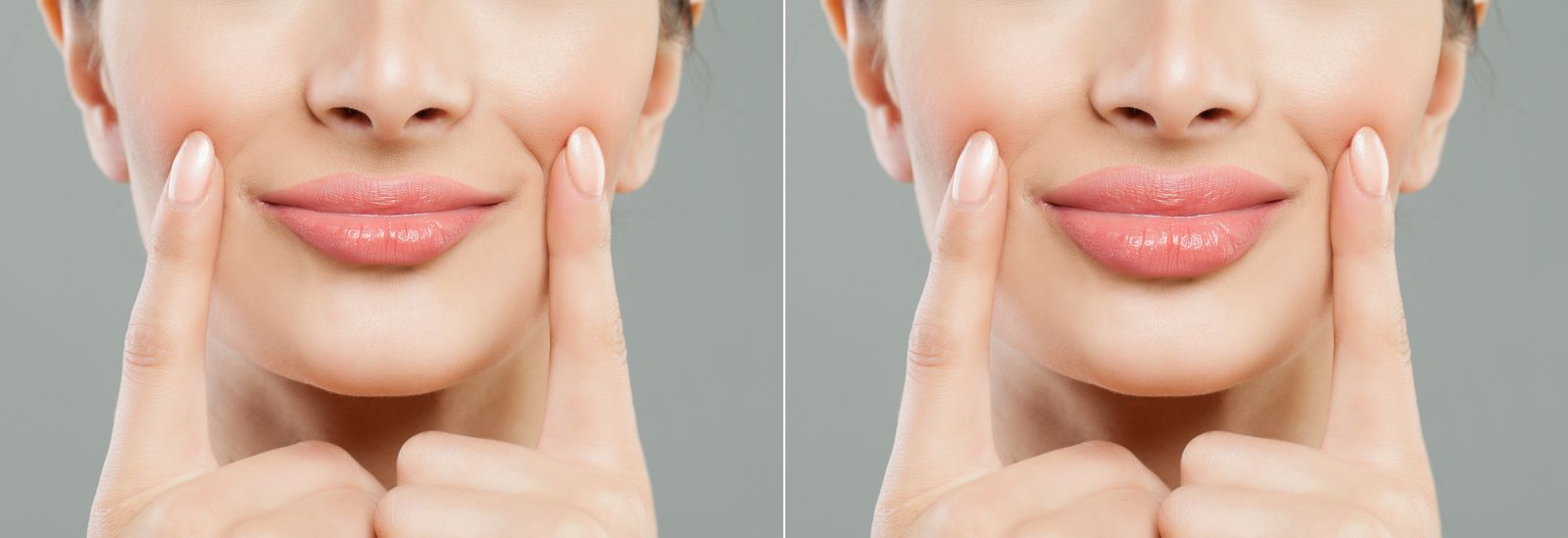
This creates a few visible changes. First, you'll see more of your upper lip, even when your face is at rest. Second, when you smile, your upper lip won't retreat as much, giving you a fuller appearance throughout your facial expressions. Third, the lip border becomes more defined without any actual volume being added. It's kind of brilliant when you think about it, we're not changing your anatomy or adding foreign substances to create volume. We're just adjusting how your existing muscle behaves, which is why the results look so natural.

The injection points are very specific and shallow, placed along the vermillion border where your lip meets the skin above it. Most people need between 4-6 injection points across the upper lip, using a total of about 2-4 units of Botox. Compare that to treating forehead lines, which might use 20 units, and you can see why this is such a subtle, targeted treatment.


Lip Flip vs. Lip Filler: Knowing Which One You Actually Need

This is probably the most common question we get, and it makes sense because both treatments enhance your lips but in completely different ways. Lip fillers use hyaluronic acid to physically add volume to your lips. If you want noticeably plumper lips, more projection, or to add definition to a specific area like your cupid's bow, fillers are your answer. They're great for creating shape where there isn't much to work with, balancing asymmetry, or just getting that fuller pout you've always wanted.

A lip flip, on the other hand, works with what you already have. It's perfect if your main concern is that your upper lip looks thin or disappears when you smile, if you have a gummy smile where too much of your gums show, or if you want to smooth out those vertical lip lines without adding volume. The flip enhances the appearance of your natural lip by changing how it sits and moves, not by making it physically larger.

Think of it this way: fillers are like adding padding to a jacket to change its shape, while a lip flip is like adjusting how the jacket hangs on your body to show off what's already there. Both can look amazing, but they're solving different problems. Some people end up getting both, using a small amount of filler for the body of the lip and a flip to enhance the upper lip's appearance and reduce gum show. At your consultation, we'll look at your specific anatomy and goals to figure out which approach makes sense for you.

Cost-wise, a lip flip typically runs less than traditional lip fillers because it uses such a small amount of product. Results from a flip last about 8-12 weeks, while quality lip fillers can last anywhere from 6-18 months depending on the product used. So you're looking at more frequent touch-ups with a flip, but lower cost per treatment and the flexibility to adjust or discontinue if you decide it's not for you.


What to Expect During Your Lip Flip Appointment

The actual treatment is surprisingly quick and straightforward. After discussing your goals and medical history during your consultation, the procedure itself takes about 10-15 minutes from start to finish. We start by marking the injection points along your upper lip, usually 4-6 strategic spots that will give you balanced, symmetrical results.

Some clinics offer topical numbing cream if you're concerned about discomfort, though most people find it unnecessary. The needles used are incredibly fine, and since we're only injecting into the muscle right above your lip (not deep into the lip tissue itself), most people describe the sensation as a quick pinch or pressure rather than actual pain. The entire injection process takes less than a minute.

Right after treatment, you might notice some small bumps where the injections went in, but these smooth out within an hour or two. There's typically minimal swelling or redness, and most people head straight back to work or their regular activities. We'll give you specific aftercare instructions, but the main ones are avoiding lying flat for 4 hours, no intense exercise for 24 hours, and don't massage or apply pressure to the treatment area.

The tricky part is that you won't see results immediately. Botox takes a few days to start working as it gradually relaxes the targeted muscle. Most people notice the first changes around day 3-4, with full results visible by day 10-14. This is actually a good thing because it means the change happens gradually and naturally, without anyone being able to point to a specific moment where you suddenly looked different.


Who Makes the Perfect Lip Flip Candidate

The ideal candidate for a lip flip has specific concerns that this treatment addresses better than alternatives. If your upper lip tends to disappear or thin out significantly when you smile, a lip flip can help maintain more lip visibility across all your facial expressions. People with a gummy smile, where you show more than 2-3mm of gum tissue when smiling, often see dramatic improvements because the relaxed muscle prevents the upper lip from lifting as high.

You're also a great candidate if you have a naturally thin upper lip but don't want the commitment or appearance of fillers. The flip gives you more visible lip area and a subtle boost in how full your upper lip looks, without changing its actual size. If you've noticed vertical lip lines starting to form above your upper lip, the flip can help smooth these out because the relaxed muscle isn't pulling on the skin as much.

That said, there are situations where a lip flip isn't the right choice. If you're pregnant or breastfeeding, we'll need to wait on any neuromodulator treatments. People with certain neuromuscular conditions like myasthenia gravis or Lambert-Eaton syndrome shouldn't get Botox treatments, period. If you have an active cold sore or infection around your mouth, we'll reschedule until it's cleared up.

Realistic expectations matter too. If you want dramatically fuller lips or significant volume, a lip flip won't deliver that. This is a subtle enhancement that works best for specific concerns. During your consultation, we'll be honest about whether a lip flip will achieve your goals or if another treatment would serve you better.


The Real Talk on Side Effects and What Can Go Wrong

Let's be upfront about the potential downsides, because no cosmetic treatment is perfect. The most common side effects are minor and temporary. You might experience slight bruising, swelling, or tenderness at the injection sites, which typically resolves within a few days. Some people notice asymmetry in the first week as the Botox takes effect, but this usually evens out as the full results develop.

The more functional side effects are worth discussing. Because we're relaxing the muscle around your mouth, some people experience temporary difficulty with certain actions. Drinking through a straw might feel weird for the first week or two. Some people notice slight changes in how certain words sound, particularly those requiring precise lip movements. A small percentage of patients report minor drooling, especially at night, because the relaxed muscle affects how tightly the lips seal together.

These functional changes are almost always temporary and resolve as you adjust to the new muscle pattern, but they can be annoying. This is why starting with a conservative amount of Botox is important, we can always add more at a touch-up appointment if needed, but we can't take it away once it's injected.

One concern people often bring up is whether a lip flip will change their smile. It can, and for many people, that's actually the goal. If you have a gummy smile, the flip will reduce how much gum shows, which changes the appearance of your smile. For others, showing more upper lip when smiling is a welcome change. But if you love your current smile and just want a slightly fuller-looking upper lip at rest, we need to be very precise about placement and dosage to enhance without altering your smile dynamics.

There's also the reality that results are temporary. At 8-12 weeks, a lip flip is one of the shorter-lasting Botox treatments. You'll need regular maintenance appointments to keep your results, which means ongoing cost and commitment. For some people, this flexibility is great because they can try it out without long-term commitment. For others, it's a dealbreaker compared to fillers that last significantly longer.


Lip Flip Aftercare: How to Get the Best Possible Results

The aftercare for a lip flip is pretty straightforward, but following these guidelines makes a real difference in your results. For the first 4 hours after treatment, stay upright and avoid lying down. This prevents the Botox from migrating to unintended areas. Skip the gym for 24 hours, intense exercise increases blood flow and can potentially spread the Botox beyond the treatment area.

Don't massage, rub, or apply pressure to your lips for at least 24 hours. If you're prone to cold sores, the injection trauma can sometimes trigger an outbreak, so talk to us about preventive antiviral medication if this is a concern.

Avoid alcohol for 24 hours before and after treatment, as it can increase bruising. Skip blood-thinning supplements like fish oil, vitamin E, and ginkgo biloba for a few days before and after your appointment for the same reason. If you do experience bruising, arnica gel or tablets can help it resolve faster.

One of the biggest mistakes people make is judging their results too early. Remember, full effects take 10-14 days to develop. If you're not thrilled at day 5, give it another week before deciding you need a touch-up. At your two-week follow-up, we'll assess your results and can add a little more Botox if needed to perfect the outcome.


Combining Treatments: When a Lip Flip Isn't Enough on Its Own

Many of our clients at Bar Beauty Medical end up combining a lip flip with other treatments for comprehensive lip enhancement. The most common combination is a lip flip plus a small amount of dermal filler. The flip handles the upper lip definition and gum show, while strategic filler adds volume where needed, like in the body of the lips or to enhance the cupid's bow. This combo approach often looks more natural than using a large amount of filler alone.

If you're dealing with vertical lip lines (those barcode lines above your upper lip), a lip flip helps by reducing the muscle movement that creates them, but you might also benefit from a resurfacing treatment like microneedling or a chemical peel to address the actual skin texture. The lip flip relaxes the muscle, preventing future lines from forming, while the skin treatment improves existing lines.

For people with more advanced lip aging, combining a lip flip with skinboosters creates beautiful results. The skinboosters hydrate and improve skin quality in the lip area, while the flip enhances shape and fullness. Some patients also add a bit of Botox around the mouth corners if they're dealing with downturned corners that make them look unhappy even when they're not.

The key with combination treatments is having a comprehensive plan. Rather than just addressing one concern at a time, we look at your entire lip area, including the skin around your mouth, and create a treatment strategy that works together. Sometimes this means spacing treatments out over a few months, other times we can do multiple treatments in one appointment if it makes sense for your goals and recovery timeline.


Conclusion 

A lip flip offers a refreshing alternative to traditional lip enhancement for people who want subtle, natural-looking results without the commitment of fillers. By relaxing the muscle above your upper lip with a small amount of Botox, this quick treatment creates more visible lip area, reduces gummy smile, and smooths vertical lip lines, all without adding volume or dramatically changing your appearance. The 10-15 minute procedure requires minimal downtime and delivers gradual results that look completely natural, making it perfect for first-timers or anyone who prefers understated enhancements. While the 8-12 week duration means regular maintenance appointments, it also provides flexibility to adjust or discontinue if your goals change. At Bar Beauty Medical in Toronto, we specialize in customizing lip flip treatments to your unique anatomy and aesthetic goals, ensuring results that enhance your natural beauty rather than mask it. Whether you're dealing with a disappearing upper lip, excessive gum show, or want a subtle boost in lip definition, a lip flip might be the perfect solution you've been looking for. Book your consultation today to discuss whether this treatment aligns with your vision.

Ready when you are

Book lip filler in Toronto

Free consultation, transparent pricing, licensed medical staff. Book online or call 416-923-1200.

Learn about lip fillers

Last clinically reviewed and updated: May 21, 2026 · Reviewed against 2026 Health Canada labelling, CSPS guidelines, and current peer-reviewed evidence. Next scheduled review: November 2026.

What Lip Flip Actually Does (And What It Does Not)

Most patients walk into a consultation with a mental picture of lip flip borrowed from TikTok, an Instagram reel, or a friend’s before-and-after grid. Before we cover anything else in this guide, let us be specific about what Botox lip flip mechanically does inside the skin, the muscle, or the bloodstream — and where the realistic ceiling sits. This is the difference between a result you are thrilled with for 12 months and a result you feel you were sold rather than informed about.

At Bar Beauty Toronto the clinical protocol we follow for lip flip is straightforward and we will say it in one line: Botox 4-6 units upper orbicularis oris, repeat 8-12 weeks. That sentence covers the device or product, the dose range, the cadence, and the realistic series length. Everything else — the marketing copy, the influencer testimonials, the one-and-done promises — is noise wrapped around that protocol. When you read the rest of this guide, anchor back to that line.

What lip flip does not do: it does not replace surgical correction in patients who genuinely need a surgical solution, it does not stop the underlying aging cascade (collagen loss, bone resorption, fat pad descent, hormonal shifts in perimenopause), and it does not work identically on every Fitzpatrick skin type. Anyone who tells you otherwise is selling, not assessing. For the device-level detail, pricing, and current promotional pricing, read the full treatment page on our site.

Who This Treatment Is For — And Who It Is Not For

The honest list of ideal candidates for lip flip includes: gummy smile, thin upper lip border, filler-averse patients, pre-wedding subtle enhancement. Outside of those profiles, results drop noticeably, the risk profile climbs, or both. We routinely turn patients away in consultation when the clinical math does not work, and we will explain to you in writing exactly why. This is not a sales meeting. It is a medical assessment.

How we screen during consultation

Every consult begins with a full medical history covering current medications (particularly blood thinners, immunosuppressants, isotretinoin within the last six months), allergies, autoimmune diagnoses, pregnancy or breastfeeding status, prior cosmetic treatments with photos when available, recent dental procedures or planned surgeries, and a detailed goals conversation in your own words. We document baseline standardised photography under controlled lighting so we can measure change objectively rather than relying on memory.

Five Real Patient Cases From Our Toronto Clinic

These are anonymised composites drawn from our 2024–2026 patient panel at Bar Beauty in Toronto. Identifying details have been changed; clinical outcomes are accurate.

Case 1 — The 32-year-old screen-based professional

Marketing director, downtown Toronto, working nine to ten hour days on monitors and tracking subtle changes she did not love. She came in for lip flip after noticing the concern progress over roughly eighteen months. We did baseline photography, a full medical intake including a perimenopause screen even at thirty-two (we ask, because hormonal shifts can begin earlier than most people expect), and a written twelve-month plan. Her result at the six-month mark scored a clinically meaningful improvement on the Global Aesthetic Improvement Scale (GAIS), and her self-reported satisfaction was nine out of ten. Her total cost over twelve months including maintenance is tracked in the hidden-cost table further down this page so you can see the real annualised number rather than just the headline price.

Case 2 — The 47-year-old in perimenopause

Estrogen decline had accelerated her concern profile in a way nobody had warned her about, and she felt blindsided by how quickly her skin and her overall presentation had shifted in eighteen months. We coordinated with her GP on hormonal context before treating, and we modified the standard protocol to account for slower wound healing and a more reactive skin barrier. Her outcome was visibly positive, but the maintenance cadence we recommended was slightly tighter than the standard schedule, which she budgeted for upfront after we showed her the annualised cost rather than discovering it at month nine.

Case 3 — The Fitzpatrick V patient previously burned at another clinic

She came to us after a post-inflammatory hyperpigmentation episode at another clinic where the wrong device settings had been used for her skin type. We rebuilt trust slowly: patch test on a discreet area, lower-energy starting parameters, longer interval between sessions, and an aggressive barrier-repair regimen between visits. Outcome at six months: her original concern improved meaningfully and there was zero recurrence of PIH. This is precisely why operator skill and device selection matters more than the brand name on the marketing materials.

Case 4 — The 28-year-old prevention patient

No visible concern yet, family history of accelerated change in her mother and aunt, and she wanted to start banking now rather than chase later. We talked her into the lowest-intensity entry protocol with a clear off-ramp if she ever wanted to stop. Not every clinic will under-treat a willing payer. We will, because the long-term relationship is worth more than maximising a single ticket.

Case 5 — The patient we declined

Sixty-two years old, presenting with a concern that was past the threshold for what lip flip can correct non-surgically. We referred her to a board-certified plastic surgeon partner with our notes and standardised photography. She came back fourteen months later for adjunctive maintenance once her surgical result had settled. That referral, and the way we handled it, is the kind of relationship we want with every patient we cannot fully help on our own.

The 2026 Standard of Care vs. 2025: What Has Changed

The protocol you would have received in 2025 is not the same protocol we run in 2026, and that is a good thing. Aesthetic medicine moves quickly, evidence accumulates, device parameters get refined, and patient expectations rightly evolve. Here is exactly what we updated this year.

Protocol Element 2025 Standard 2026 Standard at Bar Beauty
Pre-treatment workup Verbal intake plus a single photo Written intake, medication reconciliation, perimenopause screen where age-appropriate, baseline VISIA-style imaging under controlled lighting
Dose ranging Manufacturer default settings Patient-specific titration based on Fitzpatrick type, prior response to similar interventions, hormonal status, and concomitant skincare
Series planning Sold as fixed packages up front Session-by-session reassessment with documented clinical endpoints and the option to stop the series early if endpoints are met
Maintenance cadence Calendar-driven, often over-booked Endpoint-driven; you return when measurable change reappears, not on a recurring marketing schedule
Post-care Generic printed handout Personalised 14-day plan with check-in messages at day 3 and day 14 from a clinician
Aftercare access Front-desk callback during business hours Direct after-hours clinician line for urgent concerns (vascular events, severe reaction)

Red Flags: When to Walk Out of a Consultation

These are not opinions. These are the things that should make you cancel the appointment, forfeit the deposit if you have to, and leave. Aesthetic medicine in Ontario is loosely regulated compared to surgery, which means consumer vigilance is part of the job.

Red flag #1: No real medical intake

If the consult is the injector glancing at your face for ninety seconds and quoting a price, leave. A real consult covers medications (especially blood thinners, isotretinoin history within six months, recent or planned dental work, autoimmune flares), pregnancy and breastfeeding status, allergies, prior cosmetic history with photos if you have them, and your goals articulated in your own words rather than ticked off a checklist.

Red flag #2: Pressure to book today

Today-only pricing on injectables or device treatments is a sales tactic, not clinical urgency. Real medical pricing does not expire at midnight. If you feel rushed, you are being rushed for a reason that benefits the clinic, not you.

Red flag #3: No written aftercare and no emergency line

You should leave the clinic with a phone number that reaches an actual clinician — not a receptionist or an answering service — if something looks wrong at nine p.m. on a Sunday. Vascular occlusion from filler, for example, has roughly a ninety-minute window where intervention is most effective. Ask before you book: who do I call after hours, and what is the typical response time?

Red flag #4: Device or product they will not name

If they cannot or will not tell you the device model, the product brand, the lot number, and where it was sourced from before you sit down in the treatment chair, that is a Health Canada problem waiting to happen and you should not be the case study.

Red flag #5: The everything-bagel upsell

A good injector solves one concern at a time, validates the result at follow-up, and only then discusses adjuncts. A bad one tries to sell you the entire menu on day one because the financial incentive runs the other way.

Red flag #6: Before-and-after photos that all look the same

If every before photo is a glum, downcast, harsh-lit shot and every after is a smiling, well-lit, professionally-edited image, you are looking at photography tricks, not clinical results. Ask to see standardised photo pairs taken under identical conditions.

The Hidden Costs Nobody Quotes You Upfront

The price on the website is rarely the price you actually spend over a twelve to twenty-four month window once you factor in supporting products, repeat visits, and adjacent treatments. Here is the realistic math in 2026 Toronto dollars.

Cost Line Typical Range (CAD) Notes
Initial treatment or series Quoted on consult See the pricing page for current numbers
Pre-treatment workup $0–$150 VISIA-style imaging or bloodwork if clinically indicated
Supporting skincare $180–$420 / year Barrier moisturiser, daily SPF 30+, retinoid where appropriate
Maintenance visits Depends on cadence Always annualise the cost before you commit to the first session
Time off work 0–3 days Most are zero, some require planning around social or work events
Adjacent treatments Variable Often suggested at the month-six mark if you escalate your plan
Travel and parking $15–$60 / visit Add up the visits and factor it in honestly

Paying for it: HSA, Beautifi, and what is actually claimable

Most lip flip treatments are not covered by provincial OHIP in Ontario, but several routes can reduce your out-of-pocket cost meaningfully:

  • Health Spending Accounts (HSA): if you have a corporate HSA through your employer, some wellness-coded treatments are reimbursable depending on plan rules. We provide itemised receipts with medical coding on request, and we are happy to liaise with your plan administrator on what wording they need.
  • Beautifi financing: we accept Beautifi for treatments over a threshold — soft credit check, fixed monthly payments, and no impact on your credit score for the pre-approval inquiry. Beautifi’s website walks through eligibility in five minutes.
  • Loyalty banking at Bar Beauty: our internal program credits a percentage of every treatment toward your next maintenance visit. Ask at checkout or during your consult.
  • Medical Expense Tax Credit (METC): certain medically indicated treatments (not purely cosmetic) may qualify for the federal Medical Expense Tax Credit at tax time. Confirm with your accountant; we provide the documentation.
  • Couples and referral pricing: we run periodic referral credits. Ask at checkout, we do not advertise this aggressively.

Frequently Asked Questions

How soon will I see results?

Initial change is usually visible within the timeline described on our treatment page, with peak results typically eight to twelve weeks later depending on the protocol and your individual response. Photo-document at baseline, week four, week eight, and week twelve so you can compare objectively rather than relying on memory or the mirror.

How long do results last?

Duration depends on your metabolism, hormonal status, sun exposure, sleep quality, lifestyle factors, and whether you commit to a maintenance plan. A patient in perimenopause will not get the same duration as a twenty-eight-year-old on the same protocol, and that is normal physiology, not a failure of treatment. We discuss your realistic duration in the consult, including the range we have observed across our patient panel.

Does it hurt?

Discomfort varies significantly by treatment and personal pain threshold. We use topical anaesthetic, ice, vibration distraction, or nerve blocks where appropriate. Most patients rate discomfort two to four on a ten-point scale. We will never minimise a patient’s experience of pain — if something hurts more than expected we stop and reassess.

Is there downtime?

Downtime ranges from zero (walk in, walk out, go straight back to work or a meeting) to a few days of visible redness, swelling, or pinpoint bruising depending on the protocol. Detailed downtime is documented on the treatment page and we will confirm in your consult so you can plan around social and work commitments.

What are the real risks?

Every medical treatment has risk. Common: bruising, swelling, tenderness at the treatment site. Uncommon: asymmetry that may require a touch-up, prolonged redness, post-inflammatory hyperpigmentation in darker skin types if device settings are wrong. Rare but serious: vascular events with fillers, infection, allergic reaction. We disclose all of these in writing on a consent form before treatment, and we go through them verbally too.

Can I combine this with other treatments?

Often yes — but sequencing matters and timing matters. Some treatments need two to six weeks between them, some can be stacked the same day. We build a twelve-month plan in your first consult, not just a single appointment, so the sequencing is intentional.

Is this safe in pregnancy or breastfeeding?

Most cosmetic medical treatments are deferred during pregnancy and breastfeeding out of an abundance of caution given the limited safety data in these populations. Specifics depend on the treatment, but we will not treat in these windows without obstetric clearance, and for most aesthetic treatments we recommend waiting.

What if I do not like the result?

For reversible treatments (HA fillers can be dissolved with hyaluronidase, for example) we have an explicit reversal protocol documented in your file. For non-reversible treatments, we under-treat first by design and add more at follow-up. The goal is never to need a reversal.

How is Bar Beauty different from a med-spa chain?

Physician-led oversight, registered nurse injectors with named credentials, written protocols reviewed twice yearly, transparent device and product sourcing with lot numbers documented in your chart, and we publish our standards publicly. You can read our team page and book a consult before committing to anything.

Do you treat all skin types safely?

Yes. Our device parameters are adjusted for Fitzpatrick types I through VI and we have specific protocols for melanin-rich skin to avoid post-inflammatory hyperpigmentation. Ask to see our before-and-after gallery in your specific skin tone before you book — if we cannot show you, that itself is information.

Where are you located and which areas do you serve?

Bar Beauty serves the Greater Toronto Area including Toronto, Mississauga, Vaughan, Markham, Richmond Hill, Oakville, Burlington, and Etobicoke. Free parking on site, TTC-accessible, evening and Saturday appointments available for patients commuting from outside the core.

How do I book a consult?

Book a consultation through our treatment page or call the clinic directly. Your first consult is dedicated clinical time with a registered nurse or physician, not a sales rep.

Will you refuse to treat me if I am not a good candidate?

Yes, and we have done so many times. If your concern is better addressed by a different modality, a different clinic, or a surgical referral, we will tell you and where appropriate we will refer you out with our notes attached.

Booking Your Consult at Bar Beauty Toronto

The consultation is the most important appointment in this entire process. It is where we decide together whether lip flip is the right tool for the concern you brought in, whether you are a good candidate medically, what the realistic twelve-month plan looks like, and what it will actually cost you all-in. We do not book treatments without a consult first, and we will tell you honestly if you should see a different provider or pursue a different modality. Start with the treatment page or call us directly to set up a time that works for your schedule.

Stay In The Loop

Skincare insider perks.

Join our list for skincare tips from our medical team, new treatment launches, and an exclusive 10% off your first product order.