


SkinPen is a medical device rather than a spa tool, and the distinction is regulatory rather than marketing. It is licensed by Health Canada, uses single-use sterile cartridges, and the needle depth is adjusted by the practitioner for each area of the face. Home rollers share none of those things, which is why they tend to cause more harm than benefit.
- Depth is adjusted by area. Thinner skin around the eyes needs a shallower setting than the cheeks or forehead. A fixed-depth home roller cannot do this, which is how people damage delicate areas.
- Single-use sterile cartridges. Home devices are reused, and reused needles on skin is an infection route. This is the main reason we discourage at-home rolling entirely.
- What it treats well: texture, enlarged pores, rolling acne scars, fine lines and overall skin quality.
- What it will not do: tighten significant laxity or reach deep boxcar scarring. Those need radiofrequency at depth, which is Morpheus 8 at $600 to $1,400.
- Cost and course: $400 per session, typically three to six sessions four weeks apart. With PDRN it is $600, with ASCE+ exosomes $650.
- Downtime: redness like mild sunburn for 24 to 48 hours. Makeup the next day is usually fine. Full collagen remodelling continues for months after the last session.
Bar Beauty Medical, 46 Fort York Blvd, CityPlace, Toronto. Prices in Canadian dollars from our live booking system, verified 18 August 2026.
SkinPen Precision Microneedling System, Toronto
SkinPen Precision holds a Health Canada Class II medical device licence (licence 99476), and in the U.S. it is FDA 510(k) cleared for treating facial acne scarring. At Bar Beauty Medical, SkinPen is performed by our medical aesthetician, under medical direction. This is the deep-dive technical and outcomes page covering exactly how the system works, who it helps, and what to expect.
What the SkinPen Precision System Actually Is
SkinPen Precision holds a Health Canada Class II medical device licence (licence 99476). In the U.S. it holds FDA 510(k) clearance for the treatment of facial acne scarring in adults 22 and older, with subsequent clearances for neck wrinkles. Manufactured by Crown Aesthetics (formerly Bellus Medical) in the United States, the system is the clinical gold standard against which all other microneedling pens, including unregulated dermarollers, knockoff pens, and unbranded import devices, are measured. Bar Beauty Medical has operated SkinPen Precision since clinic launch and updated to the current generation hardware with single-use, sterilised BioSheath cartridges that prevent cross-contamination between the needle chamber and the motor housing.
The Device Hardware in Plain English
The SkinPen Precision handpiece is a cordless, ergonomic, motor-driven stamping device weighing approximately 161 grams. The motor oscillates a disposable cartridge containing 14 surgical-grade 32-gauge stainless steel needles at speeds up to 7,000 cycles per minute. Needle depth is fully adjustable from 0.25 mm to 2.5 mm in 0.25 mm increments, allowing the clinician to titrate trauma depth to the specific anatomical zone, shallow on the under-eyes and forehead, deeper on cheek acne scars and bound-down ice pick scars. The BioSheath single-use barrier creates a true closed system: nothing from one client’s skin can migrate into another’s treatment, which is the single biggest safety failure of cheap microneedling pens sold on online marketplaces.
Why Needle Depth Actually Matters
A device set to 0.5 mm is performing cosmetic exfoliation, useful for tone and pore appearance, but biologically incapable of triggering the dermal wound-healing cascade that remodels collagen. To reach the reticular dermis where boxcar scars, rolling scars, stretch marks, and deep texture live, you need 1.5-2.5 mm depth in the cheek area. Depths like these belong in a medical clinic, under medical direction, rather than a spa. Every SkinPen treatment at Bar Beauty is planned with depths individually mapped to your skin’s needs.
The Mechanism: Controlled Injury, Real Collagen
Microneedling is often described loosely as ‘collagen induction therapy,’ but the actual biology is more interesting. Each needle puncture creates a microscopic column of injury that triggers a three-phase wound-healing response: inflammation (0-48 hours), proliferation (2 days to 2 weeks), and remodelling (2 weeks to 12 months). During proliferation, fibroblasts migrate to the injury site and deposit new Type III collagen, which is gradually replaced by stronger Type I collagen during remodelling. The result is genuine structural change in the dermis, not a temporary surface effect.
What the Peer-Reviewed Data Actually Shows
The pivotal multi-centre clinical trial that supported SkinPen’s FDA clearance enrolled 90 subjects with moderate-to-severe facial acne scarring and demonstrated 90 percent of subjects rating their scar appearance improved or much improved at six months post-treatment. A 2024 systematic review in the Journal of Cosmetic Dermatology pooled outcomes across 33 controlled studies of medical microneedling and reported statistically significant improvements in atrophic acne scars, photoaging, stretch marks, and androgenetic alopecia. The improvements are dose-dependent: more sessions, performed at correct depth, produce better outcomes.
How SkinPen Differs From Dermarolling and Knockoff Pens
A 0.5 mm dermaroller bought online and used at home shares almost nothing with a medical SkinPen treatment except the word ‘needle.’ Rollers drag needles through the skin at oblique angles, creating tear-shaped wounds that heal with more inflammation and less remodelling. Knockoff pens often lack depth calibration, use non-sterile reusable cartridges, and run at uncontrolled motor speeds, increasing risk of post-inflammatory hyperpigmentation, infection, and tram-track scarring. The Health Canada licensing process specifically validates that SkinPen’s depth setting matches actual needle penetration, which is not true of unregulated devices.
What SkinPen Actually Treats
SkinPen is a versatile workhorse, but it is not a magic wand. The treatments where it produces the most defensible, peer-reviewed results are listed below in order of effect size.
Atrophic Acne Scars (Boxcar, Rolling, Some Ice Pick)
This is the indication SkinPen is specifically cleared for. Boxcar and rolling scars respond best, typically 40-70 percent improvement after a series of four to six sessions. Ice pick scars, which are narrow and deep, often require combination therapy with subcision or TCA CROSS for meaningful improvement; SkinPen alone will soften but not eliminate them.
Fine Lines, Crepiness, and Photoaging
At 1.0-1.5 mm depth, SkinPen significantly improves the appearance of crow’s feet, perioral lines, neck crepiness, and decolletage texture. Most clients see visible smoothing after three sessions, with peak collagen remodelling at the six-month mark.
Enlarged Pores and Skin Texture
Pore size is largely genetic, but the stretched, dilated appearance of pores caused by loss of dermal support responds well to SkinPen. Expect noticeable refinement after two to three sessions.
Stretch Marks (Striae Distensae)
Both red (striae rubrae) and white (striae albae) stretch marks respond to deeper needling at 2.0-2.5 mm. Striae rubrae respond faster because the underlying vasculature is still active; striae albae require more sessions and rarely fully resolve.
Hair Loss (Androgenetic Alopecia)
Scalp microneedling at 0.6-1.5 mm depth combined with minoxidil or platelet-rich plasma has strong supporting evidence for early-to-moderate androgenetic alopecia in both men and women. Bar Beauty often pairs SkinPen scalp treatments with our Salient PRP system for combined effect.
Melasma, With Significant Caveats
Microneedling for melasma is a controversial indication. Done well at conservative depths with tranexamic acid topicals, it can reduce pigment; done aggressively on a Fitzpatrick IV – VI skin type, it can worsen melasma through post-inflammatory hyperpigmentation. Bar Beauty performs SkinPen for melasma only after a detailed pigment workup and never without simultaneous topical depigmenting protocol.
Who Is and Is Not a Good SkinPen Candidate
SkinPen has one of the safest profiles in aesthetic medicine, but real contraindications exist.
Ideal Candidates
Adults with atrophic acne scarring, early-to-moderate photoaging, mild-to-moderate texture concerns, post-pregnancy stretch marks, or early thinning hair. All Fitzpatrick skin types I through VI are eligible when treated at appropriate depths by an experienced provider, SkinPen’s clinical trials specifically included darker skin types.
Absolute Contraindications
Active cystic acne in the treatment area, active herpes simplex outbreak, current isotretinoin therapy (must be discontinued six months prior, per Health Canada guidance), keloid scarring tendency, pregnancy, scleroderma, collagen vascular disease, immunosuppression, recent radiation to the area, or wound healing disorders.
Relative Cautions
Fitzpatrick V – VI skin requires conservative depth titration and aggressive sun avoidance for two weeks post-treatment to minimise post-inflammatory hyperpigmentation risk. Clients on blood thinners may experience increased bruising. Anyone with a history of cold sores in the perioral area should pre-treat with antiviral prophylaxis 24 hours before treatment.
The Bar Beauty SkinPen Protocol, Start to Finish
Our protocol is built around outcomes, comfort, and skin barrier protection. It looks like this from the moment you walk in.
Pre-Treatment Preparation
You arrive 45 minutes before the procedure. Skin is double-cleansed, photographed under standardised Salient Skin Analyzer imaging, and topical compounded lidocaine 23/7 cream is applied under occlusion for 30 minutes. Your clinician maps target zones, identifies any active acne to avoid, and documents baseline metrics. A pre-treatment serum containing hyaluronic acid is applied as glide medium, never numbing creams, oils, or PRP that has not been validated as compatible with the BioSheath.
During the Procedure
The procedure itself takes 25-40 minutes depending on the treatment area. Your clinician selects depth per zone, then passes the device in a controlled crosshatch pattern across each anatomical unit. Pinpoint bleeding is expected and desirable on the cheeks and forehead, it confirms reticular dermis penetration. For acne scars, individual scars may receive focused stacking passes for additional remodelling. Most clients describe the sensation as a mild vibrating buzz; topical lidocaine eliminates sharp pain.
Immediately After
Skin will be pink to red, similar to a moderate sunburn, for 12 to 36 hours. A growth-factor serum is applied immediately, followed by mineral SPF 50. Bar Beauty sends every client home with a take-home barrier-repair kit including a gentle cleanser, ceramide moisturiser, hyaluronic acid serum, and mineral sunscreen, included in the treatment price, not upsold separately.
Days 2-7
Light flaking begins around day three and resolves by day seven. Mineral SPF is non-negotiable. No retinoids, vitamin C, AHAs, BHAs, or active exfoliants for seven full days. Makeup can be reapplied 24 hours post-treatment.
Current pricing for every treatment is published on our (see current price list).
Red Flags: Not All Microneedling Is Created Equal
Toronto has hundreds of clinics offering ‘microneedling.’ The price range alone, $99 to $700 per session, should tell you something. Here is what to ask before you book anywhere.
Is the Device Health Canada Licensed?
Ask for the device’s Health Canada medical device licence number. SkinPen Precision is licensed (licence 99476); many imported pens are not. A clinic that cannot produce the licence number is either using an unlicensed device or does not know whether they are.
Who Is Operating the Device?
Ask who will perform your treatment, what microneedling training they have, and whose medical direction they work under. A good clinic answers all three without hesitating.
Are Cartridges Single-Use and Sealed?
Reused cartridges are a documented route of bloodborne pathogen transmission. SkinPen BioSheath cartridges arrive individually sealed and are disposed of in front of you.
What Numbing Is Used?
Compounded lidocaine 23 percent / tetracaine 7 percent is the standard. Over-the-counter lidocaine 4 percent is inadequate for treatments at 2.0 mm depth; if a clinic relies on it, your treatment will either be undertreated or unbearable.
What Serum Is Applied During Treatment?
Many clinics push hyaluronic-acid serums labelled for general topical use into open microchannels, a route of administration the serums were never tested for. Only PRP, your own growth factors, or specifically formulated peptide solutions validated for microchannel delivery should go in.
HSA, and Financing Options
SkinPen treatments are not typically covered by provincial health insurance in Ontario, but several payment pathways can reduce out-of-pocket cost.
Health Spending Accounts (HSA)
Many Canadian employer-funded HSAs reimburse medical microneedling when prescribed for documented acne scarring, with a physician or nurse-practitioner note. Bar Beauty provides itemised receipts with diagnosis codes on request.
Manufacturer Promotions
Crown Aesthetics, the SkinPen manufacturer, occasionally offers cross-clinic promotions during major aesthetic awareness months (May and October). Bar Beauty passes these directly to clients.
Treatments Enabled by This Device & Toronto Pricing (2026)
| Treatment | Sessions | Best For |
|---|---|---|
| SkinPen Single Session (Face) | 1 | Texture refresh, maintenance |
| SkinPen Package of 4 (Face) | 4 | Photoaging, fine lines, pore size |
| SkinPen Package of 6 (Acne Scars) | 6 | Boxcar and rolling acne scars |
| SkinPen + PRP Combination | Per session | Acne scars, advanced rejuvenation |
| SkinPen Scalp (Hair Restoration) | Per session | Androgenetic alopecia |
| SkinPen Body (Stretch Marks, per area) | Per session | Striae, body texture |
Frequently Asked Questions
How many SkinPen sessions will I actually need?
For general photoaging and texture, three to four sessions spaced four to six weeks apart deliver visible results. For moderate-to-severe acne scarring, plan on six to eight sessions. Hair restoration protocols typically run eight to twelve monthly sessions, then quarterly maintenance.
Does SkinPen hurt?
With compounded 23/7 lidocaine numbing, most clients rate the sensation 2-3 out of 10. The forehead and bony areas around the eyes feel more vibratory; the cheeks are the most comfortable area. We pace the treatment to your comfort, not the clock.
How long is recovery?
Visible redness for 12 to 36 hours, with light pink residue lingering up to 48 hours. Mild flaking from day three to day five. Most clients return to work the next day with mineral makeup.
How is SkinPen different from radiofrequency microneedling like Morpheus8?
SkinPen uses mechanical needle injury alone, ideal for surface texture, acne scars, and collagen induction. Radiofrequency microneedling adds thermal energy to the deeper dermis, better suited to skin tightening and laxity. Many clients use both for different goals.
Can SkinPen be done on darker skin tones?
Yes. SkinPen is one of the few collagen-induction treatments validated for all Fitzpatrick types including V and VI. Depth and number of passes are adjusted to minimise post-inflammatory hyperpigmentation risk.
How soon will I see results?
Initial brightness and a glow effect appear within five to seven days. Real structural changes, collagen remodelling, scar softening, peak between three and six months post-treatment.
Is SkinPen safe during pregnancy or breastfeeding?
No. Microneedling is contraindicated during pregnancy. We typically resume treatments three months postpartum or after weaning, whichever is later, to allow hormonal recalibration.
What happens if I skip post-treatment sun protection?
Sun exposure within the first 7-14 days dramatically increases the risk of post-inflammatory hyperpigmentation, particularly for Fitzpatrick III-VI skin. Mineral SPF 50 is the single most important post-treatment product.
Can SkinPen worsen acne?
SkinPen is not performed over active inflammatory acne. If used incorrectly over active lesions, it can spread bacteria and worsen breakouts. We treat only inactive acne scarring or perform spot avoidance around occasional pimples.
Book Your SkinPen Precision Consultation in Toronto
Bar Beauty Medical operates SkinPen Precision at our 46 Fort York Blvd flagship in downtown Toronto. Treatments are performed by our medical aesthetician, under medical direction. Book a complimentary 20-minute consultation to confirm candidacy.
Common Mistakes Patients Make With SkinPen microneedling
After more than a decade of treating Toronto patients, we see the same handful of avoidable mistakes derail otherwise excellent results. Most of these are not the patient’s fault, they are the predictable downstream effects of confusing online information, low-quality consultations elsewhere, and the natural urge to chase the lowest sticker price. Knowing the traps in advance saves time, money, and (in some cases) skin.
Mistake 1: Choosing a clinic based on price alone
The Toronto SkinPen market includes everything from injector apprentices working out of basement suites to physician-led medical practices. The cheapest quote in your inbox is almost always a junior provider working with the lowest-margin product, often diluted, often without an emergency plan if a complication arises. We routinely correct work from these clinics, it is more expensive to dissolve, revise, or rebuild a result than it is to get it right the first time. Ask who is performing the treatment, what their formal training is, what the medical director’s credentials are, and what the complication protocol looks like.
Mistake 2: Skipping the consultation or treating consultations as sales calls
A real medical consultation is a 30 to 60 minute structured conversation that includes medical history, photo documentation, skin analysis, and a written plan. If you are booked into a consultation that is really a 10-minute upsell on a discounted package, you are not in a medical environment. At Bar Beauty Medical, complimentary consultations are conducted by the same clinician who would perform your treatment, never a sales coordinator working off a commission sheet.
Mistake 3: Chasing a single dramatic session instead of a plan
Most regenerative and resurfacing modalities, including SkinPen, are designed to be staged over a series. Patients who insist on a single make-me-look-great-for-the-wedding session typically under-treat the actual concern and overspend on add-ons that paper over the result. We build 3 to 6 month roadmaps with milestone photography so progress is measurable rather than felt.
Mistake 4: Ignoring at-home skincare between visits
In-clinic work is roughly 40% of the outcome. The other 60% is what happens at home: SPF50+ daily, prescription-strength topicals where appropriate, barrier repair, sleep, hydration, and avoidance of self-prescribed actives that compete with your treatment plan. We send every patient home with a printed regimen and a list of products to pause for 7 to 14 days around treatment.
Mistake 5: Booking immediately before a major event
Even no-downtime treatments can produce 24 to 72 hours of pinkness, swelling, or pinpoint bruising. We never recommend a first-time SkinPen session within 14 days of a wedding, photo shoot, public speaking engagement, or international travel. Build a buffer.
Pre-Treatment Skincare Routine: The 14-Day Runway
What you do in the two weeks before your SkinPen appointment has an outsized impact on comfort, downtime, and final result. We give every patient a written 14-day runway protocol. Here is the short version.
Days 14 to 8 before treatment
- Continue your normal routine including retinoids, vitamin C, and exfoliating acids unless your clinician advises otherwise.
- Increase daily SPF to a mineral SPF50+ even on overcast Toronto days. Pre-treatment sun exposure is the single biggest predictor of post-treatment hyperpigmentation.
- Hydrate aggressively, 2 to 3 litres of water per day. Well-hydrated skin tolerates energy-based treatments significantly better.
- Stop any new actives, do not introduce a brand-new product within 14 days of treatment. Your skin needs a known baseline.
Days 7 to 3 before treatment
- Pause retinoids and exfoliating acids (AHA, BHA, glycolic, lactic) unless instructed otherwise.
- Avoid waxing, threading, depilatory creams, and aggressive facials in the treatment area.
- If you bruise easily, begin oral arnica montana and bromelain (we provide dosing). Stop fish oil, vitamin E, ibuprofen, and aspirin if cleared by your physician.
- Limit alcohol, alcohol dilates capillaries and worsens bruising and swelling.
Days 2 to 0 before treatment
- Eat a full meal within 2 hours of your appointment. Low blood sugar dramatically increases the risk of a vasovagal response.
- Arrive with clean, makeup-free skin. We will cleanse again in clinic but starting clean saves time.
- Wear a button-front or zip-front top so you do not pull anything over your face on the way out.
- Hydrate again, aim for 1 litre of water in the 4 hours before your appointment.
Post-Treatment Photography Tips: How to Track Your Own Progress
One of the most under-used tools in aesthetic medicine is consistent at-home photography. Patients who photograph themselves weekly are dramatically more satisfied with their results because they can see the change, not just feel it. Memory is a terrible witness with your own face, we forget what we looked like 8 weeks ago within days. Here is the Bar Beauty photo protocol we share with every patient.
Lighting matters more than the camera
Use the same north-facing window or the same overhead light, at roughly the same time of day, every time. Avoid mixed light (window plus overhead lamp), which throws color casts and shadows that mimic or hide pigment, redness, and texture. Phone cameras are fine; lighting is not.
Standardize the three angles
Front (straight on, chin parallel to floor), left 45-degree (rotate head a quarter turn), right 45-degree (mirror). Use a small piece of tape on the floor to mark your foot position so you stand in the same spot every time. Hair pulled back. No makeup. Neutral expression.
Capture weekly, not daily
Daily photos magnify normal fluctuations (sleep, hydration, salt intake) and obscure real trends. A weekly photo on the same day each week (Sunday morning is the most common) is far more informative.
Bring the album to follow-ups
At your 8-week and 12-week reviews, we go through your timeline together. This is the moment where the work becomes obvious and where we adjust the plan for the next phase if needed.
Insurance, HSA, and Tax Specifics for Ontario Patients
SkinPen microneedling is, in almost all cases, a cosmetic medical procedure and is not covered by OHIP. There are, however, several legitimate ways to reduce the out-of-pocket cost that most patients do not know about.
Health Spending Accounts (HSA)
If you are a Canadian-controlled private corporation shareholder, an incorporated professional, or an employee of a company that offers an HSA top-up to its group benefits, certain medically-necessary components of your treatment may be reimbursable. This typically includes physician consultation fees, prescription topicals (tretinoin, hydroquinone, tranexamic acid), and treatments with a documented medical indication. We provide itemized receipts coded for HSA submission on request.
Medical Expense Tax Credit (METC)
The federal Medical Expense Tax Credit allows you to claim eligible medical expenses that exceed the lesser of 3% of net income or a fixed annual threshold. Most purely cosmetic procedures do not qualify, but the consultation portion, prescription medications, and any procedure performed for a documented medical reason may. Discuss with your accountant and ask us for receipts broken down by line item.
Group benefits
A growing number of Toronto employers (especially in tech, finance, and law) offer wellness or lifestyle spending accounts that can be applied to medical aesthetics. Check your benefits booklet under lifestyle spending or wellness account and ask your HR team what documentation they require. Our team will format receipts to match.
Payment plans
For larger treatment plans, Affirm financing is available, including promotional rates for qualifying plans. This is a soft credit check that does not affect your credit score.
How Bar Beauty Compares to Three More Toronto Clinics
Toronto’s medical aesthetics market is crowded and the marketing is loud. Here is an honest, factual comparison of how Bar Beauty Medical differs from three additional well-known downtown clinics on the specific dimensions that matter for SkinPen.
Versus a high-volume Yorkville chain
High-volume Yorkville locations are optimized for throughput, 15-minute appointment slots, multiple injectors rotating through rooms, and a heavy upsell on bundled packages. Bar Beauty Medical books 45 to 60 minute appointments with the same clinician for the entire treatment arc. You will not be passed between three different providers. The trade-off is that we have fewer same-day openings; we book most new patients 7 to 14 days out.
Versus a King West med-spa with no medical director on site
Several Toronto med-spas operate under a delegated medical directive with a physician who is rarely (or never) physically present. Bar Beauty Medical is physician-led with a medical director on premises during treatment hours, which means real-time decision-making on complications and protocol adjustments. Ask any clinic you are considering whether their medical director is physically present and how complications are escalated.
Versus a high-end Bloor-Yorkville plastic surgery practice
Surgical practices that also offer injectables tend to price 25 to 40 percent above the Toronto median and route patients toward surgery for problems that can be solved non-surgically. Bar Beauty Medical is non-surgical by design, we will tell you honestly when a surgical consult is the right answer, but we are not financially incentivized to push you in that direction. For most SkinPen patients under 55, non-surgical options produce excellent results at materially lower cost and downtime.
Booking Your Consultation at Bar Beauty Medical
Every SkinPen journey at Bar Beauty Medical begins with a complimentary 30 to 45 minute consultation. You will meet the clinician who will perform your treatment, review your medical history, have your skin analyzed under medical-grade lighting, and leave with a written, itemized plan and quote. There is never any obligation to book on the day. Most patients take the plan home, sleep on it, and book within 48 hours.
To book, call our CityPlace clinic at 46 Fort York Blvd, Toronto, use our online booking, or send a contact form. We respond to all inquiries within one business day, often the same day. We see patients from across the GTA, Mississauga, Etobicoke, Vaughan, Markham, Richmond Hill, North York, Scarborough, Oakville, and Brampton, as well as out-of-town visitors from across Canada and the US.
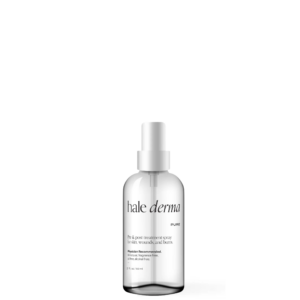
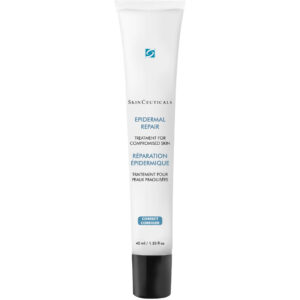
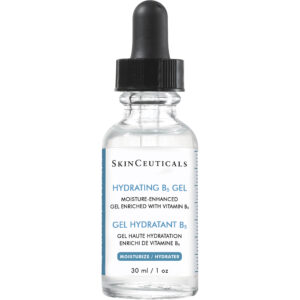
Recommended aftercare and skincare
The medical grade products our team uses to protect and extend your results. Shipped express across Canada, free over 150 dollars.
Ready to look into it properly?
Our consultation is free. We will look at your skin, give you an honest recommendation, and say so if a different treatment would suit you better.
Or call 416 923 1200 · 46 Fort York Blvd, CityPlace, Toronto
Questions about this treatment?
Ask us anything before you book. Consultations are free, and we will tell you honestly if a treatment is not right for you.