


Melasma is the stubborn one. Hormonal pigmentation that comes back if you don’t manage it on every front. Our protocol combines Aerolase NeoSkin (safe for melasma-prone skin where other lasers make it worse), gentle chemical peels, and a strict daily SPF and tyrosinase-inhibitor routine you’ll actually use.
Melasma is a chronic condition, and that is the part most people are not told at the first appointment. Overactive pigment cells respond to hormones, UV and visible light by producing too much melanin, and those triggers are still there after the patches fade. Treatment gets melasma into remission. Maintenance is what keeps it there.
- What it looks like. Symmetric brown to grey-brown patches across the forehead, cheeks, upper lip and chin. Well-defined single spots that match a recent sunburn are usually solar lentigines, which behave differently and clear more completely.
- Who tends to get it. Most often Fitzpatrick III through V, and disproportionately women of South Asian, East Asian, Hispanic, Middle Eastern and Mediterranean descent. Pregnancy and hormonal contraceptives are the two most common starting points.
- Why it comes back. The trigger outlives the treatment. Hormonal cycling, UV through car and office windows, visible light, and heat all keep the same pigment cells switched on after the brown has faded.
- There is a vascular side to it. Compared with unaffected skin from the same face, a melasma patch has more blood vessels and larger ones, with raised levels of the signalling protein that drives vessel formation. A plan that only treats brown tends to relapse, which is a large part of why melasma is so stubborn.
- Realistic timeline. Meaningful clearing usually takes three to six months, not weeks. Patients who hold photoprotection, topicals and in-clinic treatment together commonly maintain 60 to 80 percent clearing long term.
- Manageable, not curable. Anyone promising permanent clearance is overselling. Stop the sunscreen or the topicals and the pigment returns, which is why we plan for maintenance from the first visit rather than selling a one-off fix.
Bar Beauty Medical, 46 Fort York Blvd, CityPlace, Toronto. Hormonal triggers are screened at consultation before any device is chosen, because treating while a trigger is still active makes the job considerably harder.
Why melasma is different from regular hyperpigmentation
Melasma is a chronic, hormonally-driven pigmentation condition, most often triggered by pregnancy, hormonal contraception, or estrogen fluctuations. Unlike sun damage or post-inflammatory marks, melasma involves dysregulated melanocyte activity that responds to even tiny amounts of UV, visible light, and heat. It comes back. It frustrates patients. And many lasers make it dramatically worse before they make it better, a phenomenon called “rebound” that can leave patients with deeper pigmentation than they started with.
Why we use Aerolase NeoSkin for melasma
Aerolase is one of the few laser systems with documented safety for melasma. Its 650-microsecond pulse and 1064nm wavelength deliver heat below the rebound threshold, gentle enough to avoid the inflammatory cascade that triggers melasma flares, strong enough to nudge pigment to clear over a series of sessions. Most aggressive lasers (PDL, KTP, IPL, ablative CO2) are contraindicated for melasma. Aerolase isn’t.
The three-pillar melasma protocol
Pillar 1, In-office Aerolase NeoSkin: 4 to 6 sessions spaced 4 weeks apart, low-fluence, gentle setting. Sometimes paired with low-strength chemical peels (lactic acid, mandelic acid) for surface cell turnover.
Pillar 2, Prescription-strength topicals: hydroquinone (4%), tranexamic acid (oral or topical), kojic acid, alpha arbutin, retinoid at night. We tailor the stack to your skin’s tolerance and adjust over time. Patients with sensitive skin start gentle and ramp up.
Pillar 3, Daily SPF 50, mineral-based, including blue-light/visible-light protection: melasma responds to visible light, not just UV. SkinCeuticals Physical Fusion UV Defense or a tinted iron-oxide-containing mineral sunscreen is mandatory. Re-apply every 2 hours when outdoors. No exceptions.
Hormonal triggers we screen for
At consultation we discuss: pregnancy or recent pregnancy, hormonal contraception (birth control pills, hormonal IUD), HRT, fertility treatment, thyroid function. Some patients see dramatic improvement just from changing contraception methods. We’ll discuss whether referral to your physician or endocrinologist is part of the plan.
Realistic expectations
Melasma is a long game. Most clients see meaningful clearing across three to six months, not weeks. The goal is to get melasma into remission and keep it there with maintenance. Skip the SPF, the pigment comes back. Skip the topicals, it comes back. Skip the visits, it comes back. Patients who commit to all three pillars consistently see 60 to 80% clearing maintained long-term. Patients looking for a one-time miracle should look elsewhere, we’ll be honest about that at consultation.
What melasma is not
If you have well-defined dark spots that match recent sun exposure, see our hyperpigmentation page, that’s usually solar lentigines, which clear faster and more completely. Patches that came on after pregnancy or starting birth control, that worsen with sun and improve in winter, and that have a “mottled” or “patchy” appearance, that’s melasma. We diagnose at consultation.
Combining melasma work with other concerns
Melasma patients often have texture concerns or post-acne marks layered on top. We can carefully add microneedling at low depth, gentle Aerolase NeoSkin Custom Facial sessions, or NOON Aesthetics melasma-specific peels. We never aggressively treat secondary concerns until the melasma is stable.
Book your free consultation
Speak with a licensed Bar Beauty injector or laser tech. We will assess your skin, walk through options, and give you an honest plan with no upsell.
46 Fort York Blvd, Toronto · 416-923-1200 · Open 7 days
The part of melasma that is not pigment
Melasma gets discussed as a pigment problem because pigment is what you can see. Underneath there is a second thing happening, and it accounts for a lot of why melasma is so stubborn.
If you compare affected skin with unaffected skin from the same face, the patch has more blood vessels and the vessels are larger. Lesional skin also carries raised levels of vascular endothelial growth factor, the signalling protein that drives new vessel formation. Pigment cells and vessels sit close together and appear to influence one another, so a melasma patch is not just overproducing melanin. It has its own altered blood supply feeding that behaviour.
Two practical consequences follow.
The first is recurrence. Work looking at why melasma relapses has found that the more vascular patches tend to be the ones that come back. If a course of treatment clears the pigment but leaves the vessel changes untouched, the driver underneath is still sitting there. That is the best available explanation for the pattern almost every melasma patient recognises: it fades, it looks good for a few months, it returns.
The second is that it helps explain why tranexamic acid earned a place in melasma protocols at all. It came across from haematology, and its benefit here is thought to work through this vascular and inflammatory side rather than by bleaching pigment. The same reasoning sits behind choosing laser settings that respect vascular structures instead of settings that aggravate them.
None of this changes the fundamentals. Sun and visible light protection, careful topicals, patience. It does explain why a purely pigment-focused approach disappoints so often.
What melasma actually is, in plain language
Melasma is a chronic acquired hyperpigmentation disorder driven by overactive melanocytes that produce excess pigment in response to hormonal, UV, and visible-light triggers. It typically presents as symmetric brown to grey-brown patches on the forehead, cheeks, upper lip, and chin, almost exclusively in women, often appearing during pregnancy (chloasma, the mask of pregnancy) or after starting hormonal contraceptives. It is most common in Fitzpatrick skin types III through V and disproportionately affects women of South Asian, East Asian, Hispanic, Middle Eastern, and Mediterranean descent. The Toronto patient population is heavily represented in these demographics, which is why melasma is one of our highest-volume consultation reasons.
What melasma is not: it is not a sign of poor hygiene, not a fungal infection, not a stain that can be scrubbed off, and not curable in the sense that diabetes is not curable. It is manageable. With consistent treatment and trigger control, most patients achieve significant clearance. Without ongoing maintenance, it recurs.
The three pillars of melasma treatment
Pillar one: photoprotection (non-negotiable)
Daily tinted mineral sunscreen with iron oxide is the single highest-leverage intervention. Visible light, particularly the blue-violet end of the spectrum, drives melasma in Fitzpatrick III and above. Standard chemical sunscreens block UV but not visible light. Tinted mineral sunscreens with iron oxide block both. Look for iron oxides in the ingredient list and a tint close to your own skin tone. Several Canadian pharmacy and medical-grade lines qualify, and the one you will actually wear every day is the one that works.
Pillar two: pigment suppression (topicals and oral)
Hydroquinone 4% prescription cream remains the gold standard for active treatment, used in 12 to 16 week courses with rest periods to avoid ochronosis. Triple combination cream (hydroquinone 4%, tretinoin 0.05%, fluocinolone 0.01%) is highly effective for short-term courses under physician supervision. Tranexamic acid 3% topical serum is a newer non-hydroquinone option with growing evidence. Oral tranexamic acid 250 mg twice daily for 8 to 12 weeks has strong evidence in select patients but requires medical screening for clotting risk. Other adjuncts include azelaic acid 15%, niacinamide 5%, cysteamine 5%, kojic acid, and vitamin C.
Pillar three: device-based treatment (carefully selected)
Aggressive lasers can worsen melasma. The right device-based options at conservative settings include Aerolase Neo Elite (1064 nm Nd:YAG) at melasma-specific low fluence, microneedling with cysteamine or tranexamic acid topical, and gentle chemical peels (mandelic acid 20% to 40%, low-strength glycolic acid). Wrong device choices that worsen melasma include high-energy IPL, fractional ablative CO2 at standard settings, and broad-spectrum BBL at non-conservative fluence.
Triggers to identify and modify
- UV exposure (the most common trigger by far)
- Visible light (including indoor screen exposure at extended close range)
- Heat (saunas, hot yoga, prolonged cooking over a stove)
- Estrogen (combined oral contraceptives, hormone replacement therapy, pregnancy)
- Inflammation (harsh exfoliation, retinoid burn, fragranced products)
- Certain medications (some seizure medications, photosensitizing antibiotics)
- Thyroid dysfunction (in a minority of patients)
Treatment without trigger modification is a losing strategy. We work through each trigger at consultation. Some are immediately modifiable (sunscreen, sun avoidance, switching out harsh products). Some require coordination with your family doctor (changing or stopping hormonal contraception). Some are not modifiable (genetics, current pregnancy).
Red flags: what cheap melasma treatment means
Aggressive laser packages advertised at $99 to $199 per session for melasma in Toronto are a red flag. Inappropriate device choice or excessive fluence on melasma-prone skin can cause post-inflammatory hyperpigmentation that lasts months and is harder to treat than the original melasma. Cheap unregulated skin-lightening creams from grey-market sources may contain mercury, high-dose unregulated hydroquinone, or super-potent topical steroids. These cause permanent skin damage including ochronosis and steroid-induced atrophy.
Paying for melasma treatment
Some prescription topicals (hydroquinone, tretinoin, triple combination cream) are covered partially by Ontario Drug Benefit and most private extended health plans. Submit your prescription claim. Cosmetic device treatments are typically not HSA-eligible. Dermatologist-prescribed regimens billed through OHIP cover the consultation but not the products.
Affirm financing
For larger treatment plans, Affirm financing is available so you can split the cost into monthly payments. You can review your options at consultation; checking your rate does not affect your treatment plan.
Visible-light SPF deep dive
Iron oxides in tinted mineral sunscreens absorb visible light, including the blue-violet wavelengths that drive melasma. The tint must be opaque enough to be visible on the skin to be effective, which is why the best melasma-friendly sunscreens look like a lightweight tinted moisturizer rather than a clear gel. Apply two finger-lengths to the face daily, reapply every 2 hours during outdoor exposure. Indoor exposure to bright sunlight through windows or to prolonged blue-violet screen light at close range is also a trigger in highly susceptible patients. Phone and laptop blue-light is much lower intensity than midday outdoor sun but cumulative over hours can contribute in the most stubborn cases.
Frequently asked questions about melasma
Can melasma be cured?
Melasma is managed, not cured. Most patients achieve significant clearance with consistent treatment and trigger control. Without ongoing maintenance, it recurs.
Will my pregnancy melasma go away after delivery?
Some pregnancy-related melasma fades partially or fully postpartum. Some persists and requires treatment.
Is hydroquinone safe?
Prescription hydroquinone 4% is safe and effective when used in 12 to 16 week courses with rest periods. Long-term continuous use risks ochronosis (a paradoxical darkening). Over-the-counter unregulated hydroquinone from grey markets can be unsafe.
Can I use over-the-counter brightening serums?
Niacinamide, azelaic acid, vitamin C, alpha arbutin, and tranexamic acid are safe over-the-counter adjuncts. They are slower than prescription options but tolerated well.
Does sunscreen alone help?
Tinted mineral SPF with iron oxide alone produces measurable improvement in melasma over months in some patients. It is the foundation; other treatments build on it.
What about laser?
Aggressive lasers worsen melasma. Carefully selected low-fluence Aerolase Neo Elite or gentle microneedling protocols can help. Device choice and operator experience matter enormously.
Is melasma a sign of something serious?
Melasma is benign. It is not skin cancer. It is not contagious. Rare cases of new-onset melasma without typical triggers may warrant thyroid screening with your family doctor.
Can men get melasma?
Yes, in about 10% of cases. Male melasma is often related to sun exposure or testosterone-related hormonal factors.
How long does treatment take to work?
8 to 12 weeks for initial topical treatment response. 6 to 12 months for significant device-based protocol clearance. Maintenance is lifelong.
Will melasma come back if I stop treatment?
Likely yes, if you stop daily SPF and trigger modification. Active topical pigment suppressors can be cycled with rest periods, but photoprotection and trigger control must continue.
What if I am pregnant?
Pregnant patients should use mineral tinted SPF and avoid hydroquinone, tretinoin, and oral tranexamic acid. Azelaic acid is generally considered pregnancy-safe. Discuss with your OB.
Can I do chemical peels for melasma?
Low-strength mandelic acid or careful glycolic peels can help. Aggressive TCA peels often worsen melasma.
Melasma triggers and lifestyle modification
Treatment without trigger modification is a losing strategy. Identified melasma triggers include estrogen (combined oral contraceptives, hormone replacement therapy, pregnancy), heat (saunas, hot yoga, prolonged cooking over a stove, working near heat sources), inflammation (harsh exfoliation, retinoid burn, abrasive scrubs), and crucially UV and visible light exposure including light through windows on cloudy days and blue light from screens at extended close range. We work through each trigger in your intake. Some are immediately modifiable (sunscreen, sun avoidance, switching out harsh products). Some require coordination with your family doctor (changing or stopping hormonal contraception). Some are not modifiable (genetics, pregnancy).
Visible-light SPF is non-negotiable
Standard chemical sunscreens block UV but not visible light. Visible light, particularly the high-energy violet-blue end, is a documented driver of melasma in Fitzpatrick III and above. Tinted mineral sunscreens with iron oxide block visible light. Choose one that lists iron oxides and carries a tint you are happy to wear on your face daily. Worn every day and reapplied every 2 hours of outdoor exposure, that is the single highest-leverage intervention for melasma patients.
The melasma treatment timeline: month by month
Month 1: foundation and assessment
Consultation, Wood lamp evaluation to determine pigment depth (epidermal melasma is much more responsive than dermal melasma), trigger interview, photographic baseline. Initiate daily tinted mineral SPF, begin gentle skincare conversion (remove harsh exfoliants and fragranced products), begin selected topical regimen. No device-based treatment yet; we want a clean tolerance baseline.
Months 2 to 3: topical optimization
Adjust topical regimen based on tolerance. Many patients need a slower introduction of hydroquinone or retinoid to avoid irritation. Reassess at 8 weeks. Some patients show meaningful improvement on topicals plus SPF alone, in which case device-based treatment can be deferred.
Months 3 to 6: device-based protocol if indicated
Begin Aerolase Neo Elite low-fluence series at 4-week intervals, typically 4 to 6 sessions. Optional microneedling with tranexamic acid in alternating cycles. Continue topical and SPF.
Months 6 to 12: assessment and maintenance transition
Reassess clearance with standardized photography. Most patients achieve 50 to 75% improvement at this point. Transition to maintenance regimen (continued daily SPF, lower-intensity topical, quarterly maintenance device session if needed).
Beyond year 1: lifelong maintenance
Melasma is chronic. Maintenance is daily SPF, periodic topical pulses, and occasional device sessions. Patients who stop maintenance reliably see recurrence.
Why a downtown Toronto clinic matters for melasma care
Melasma care in Toronto is concentrated downtown for good reason. The clinics with the most diverse patient populations have developed the most refined protocols for Fitzpatrick III through VI skin types, which are the dominant melasma demographic. Bar Beauty Medical at 46 Fort York Blvd is in the downtown core, walking distance from Queen and King subway stations, accessible to patients from across the GTA. Our melasma volume gives us pattern recognition that lower-volume clinics do not have.
Tinted SPF deep-dive recommendations for melasma patients
Choosing the right tinted mineral sunscreen for daily use is one of the most consequential decisions a melasma patient makes. We recommend that patients try sample sizes of two or three brands before committing to a full-size bottle since aesthetic compatibility (does it match your skin tone, does it work under makeup, does it cause flashback in photos) varies. What to look for: iron oxides in the ingredient list, SPF 50 or higher, a tint close to your own skin tone, and a texture you will wear seven days a week. Bring whatever you are using now to your free consultation and we will read the label with you.
Book a melasma consultation at Bar Beauty Medical
Bar Beauty Medical is at 46 Fort York Blvd in downtown Toronto. Melasma consultations include Fitzpatrick assessment, Wood lamp evaluation of pigment depth, trigger interview, and a written treatment plan combining topical, device, and lifestyle interventions. Book online or call 416-923-1200.
The Bar Beauty melasma intake form: what we ask and why
Our melasma intake covers more than typical cosmetic-only forms. We ask about pregnancy history and current pregnancy status, hormonal contraceptive use and any recent changes, hormone replacement therapy, thyroid history, family history of melasma, current and prior skincare regimen, current prescription medications including any photosensitizing drugs, history of skin reactions or sensitivities, current sun protection habits, occupation and outdoor exposure patterns, recent foreign travel particularly to high-UV destinations, and goals for treatment. The reason this thoroughness matters is that melasma is a multifactorial condition; treatment without addressing all relevant factors is less effective than coordinated multi-pillar care. Our intake form takes 10 minutes to complete and substantially improves treatment-plan precision.
Pre-treatment skincare optimization protocol
One of the most underappreciated levers in melasma treatment outcomes is what happens in the 4-6 weeks before your appointment. Patients who follow a structured prep protocol consistently report faster recovery, better visible results, and fewer side effects. The protocol we walk Bar Beauty patients through covers four pillars: skin barrier conditioning, inflammation reduction, hydration loading, and lifestyle calibration.
- Strategic actives (weeks 6 to 1 out): Continue retinoids and vitamin C up to the 5-7 day mark, then pause. Restarting too early after treatment is one of the top three causes of post-procedure inflammation we see in clinic.
- Hydration loading (week of): 2.5 to 3 L of water daily for the 5 days prior. Hyaluronic acid binds water in a 1:1000 ratio, well-hydrated tissue holds product better and looks plumper from day one.
- Inflammation calm-down (72 hours out): Skip alcohol, fish oil, high-dose vitamin E, ibuprofen, aspirin, ginkgo, garlic supplements, and ginseng. These thin the blood and dramatically increase bruising risk. Acetaminophen (Tylenol) is fine if you need pain relief.
- Sleep and stress (week of): Cortisol slows wound healing by up to 40% in controlled studies. A week of 7-8 hour nights and reduced training intensity is worth more than any product you can buy.
Patients who execute this protocol typically see a noticeable improvement in same-day comfort, day-3 swelling, and 2-week appearance compared to patients who walk in cold.
What your practitioner wishes you knew before booking melasma treatment
Clearing these up before your appointment saves time, money, and disappointment.
- Instagram is not a treatment plan. The before-and-afters you screenshot are usually the absolute best results from someone with that specific anatomy, that specific starting point, and often that specific lighting. They are useful as inspiration, not as a contract. Your honest baseline matters more than someone else’s peak.
- “Natural” is a moving target. What looked natural in 2018 looks overdone in 2026, and what looks natural on a 28-year-old patient looks unnatural on a 58-year-old. We calibrate to your face at your age, not to a trend.
- Photographic documentation is non-negotiable. Without standardized before photos, neither you nor your provider can honestly evaluate the result 4 weeks later. Memory is unreliable; pixels are not.
- Your medication list matters more than you think. Anticoagulants, immunosuppressants, hormonal therapy, GLP-1 agonists, isotretinoin history, and certain antibiotics all change how we treat you. Bring a real list, not “the usual stuff.”
- One session is rarely the whole story. Melasma management is a process, not a moment. Patients who arrive expecting a one-and-done miracle leave more frustrated than patients who understand the realistic arc.
How Bar Beauty’s melasma treatment protocol differs from a typical Toronto clinic
Toronto’s aesthetic market is crowded, and on paper most clinics offer overlapping treatments. The differences show up in the protocol, not the brochure. Here is how our approach typically diverges from what patients describe experiencing elsewhere.
- Consultation length. A typical drop-in injector consult in the GTA runs 10-15 minutes. Bar Beauty consults run 45-60 minutes for new patients, with a full medical intake, facial analysis, photographic baseline, and written plan you can take home.
- Structured 2-week follow-up. Every patient is checked at the 14-day mark, in person or via photo review, included in the original price. This is where small refinements are made and complications are caught early.
- Documented complication pathway. If something goes sideways, such as a vascular event, infection or hypersensitivity, call us during business hours. After hours, leave a message and we will call you back the next morning, or go to the nearest emergency department if it cannot wait.
Common misconceptions about melasma treatment, debunked
Search results, TikTok creators, and even some clinic websites perpetuate myths that quietly cost patients money and results. Here are the ones we correct most often.
- Myth: “If a little is good, more is better.” Reality: dose-response curves in aesthetic medicine are not linear. Past a certain point, additional product or sessions deliver diminishing returns and rising risk. The sweet spot is almost always less than patients expect.
- Myth: “Results should be visible immediately.” Reality: most melasma management protocols have a delayed window of true result, typically 2-6 weeks. Judging at day 3 is judging swelling, not outcome.
- Myth: “Once you start, you have to keep going forever.” Reality: stopping treatment returns you to your natural aging trajectory, not to a worse-than-baseline state. The “you’ll look older if you stop” narrative is marketing, not biology.
- Myth: “All RNs / NPs / MDs are interchangeable.” Reality: license tier matters less than reps performed. A nurse who has done 5,000 of a specific procedure outperforms a physician who has done 50. Ask for case volume, not just credentials.
- Myth: “Numbing cream solves all discomfort.” Reality: topical anaesthetic handles surface sensation but not deep pressure or vibration. We layer topicals with cooling, vibration distraction, dental blocks (where appropriate), and pacing to address all four pain channels.
Year-by-year maintenance: what realistic melasma treatment planning looks like
Most aesthetic outcomes are not a single appointment, they are a multi-year arc. Here is the maintenance cadence we build into long-term melasma treatment plans, calibrated to a typical 30-something patient.
- Year 1: Establishment phase. 2-4 sessions depending on protocol, focused on building baseline result and learning how your tissue responds. Photographs at 0, 4, 12, and 26 weeks.
- Year 2: Refinement phase. Frequency drops by 30-50%. We start fine-tuning around your specific aging patterns rather than treating to a generic template.
- Year 3-5: Maintenance phase. Most patients settle into a predictable 2-3 visit per year cadence. Annual full-face reassessment ensures we are not over-treating one area while ignoring another.
- Year 5+: Evolution phase. Your face at 40 needs different inputs than your face at 35. Treatment selection should evolve with you, what worked beautifully five years ago may not be the right tool today.
Patients who follow this arc, with honest photo documentation and a single trusted provider, consistently end up with more natural results, lower lifetime spend, and significantly fewer corrective procedures than patients who clinic-hop or chase trends.
Booking your melasma treatment consultation at Bar Beauty Medical
If you are ready to skip the marketing and have a real conversation about what melasma management can, and cannot, do for your skin, our RN team is here for it. New-patient consultations include a full facial analysis, photographic baseline, honest discussion of alternatives, and a written plan with transparent pricing. There is no obligation to treat on the day of consultation, and we will tell you when a different treatment, a different timeline, or no treatment at all is the right answer.
Related: hyperpigmentation treatment in Toronto.
Recommended aftercare and skincare
The medical grade products our team uses to protect and extend your results. Shipped express across Canada, free over 150 dollars.
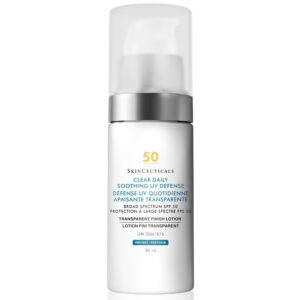
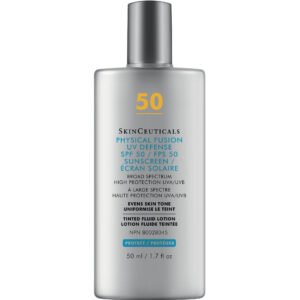
Between session melasma care
Melasma management lives or dies on daily topicals. These are the three we put every melasma patient on.
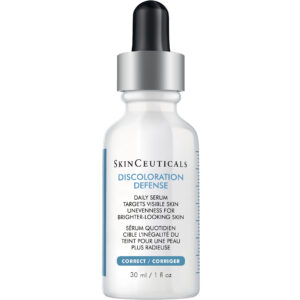 DISCOLORATION DEFENSE 30 ML$160.00
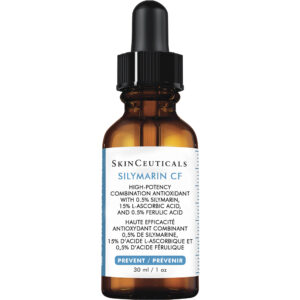 SILYMARIN CF 30 ML$220.00
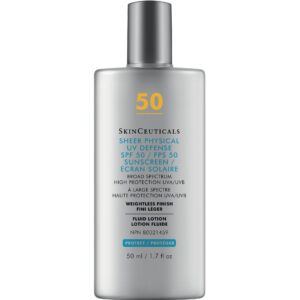 SHEER PHYSICAL UV DEFENCE SPF 50 50 ML$66.00
Stocked in clinic and shipped across Canada. Free express shipping over $150, or free pickup at 46 Fort York Blvd.
For the laser route specifically, our guide to Aerolase for melasma explains why the 1064 nm wavelength can treat pigment without feeding it.
Ready to look into it properly?
Our consultation is free. We will look at your skin, give you an honest recommendation, and say so if a different treatment would suit you better.
Or call 416 923 1200 · 46 Fort York Blvd, CityPlace, Toronto
Questions about this treatment?
Ask us anything before you book. Consultations are free, and we will tell you honestly if a treatment is not right for you.