


Tear trough filler in Toronto treats the hollow and shadow that forms between the lower eyelid and the cheek. It is the same treatment people search for as tear trough correction in Toronto, or simply as under-eye filler. At Bar Beauty Medical it is a bilateral session using Teosyal Redensity 2, and it is the most technique-dependent injection we perform. Below is what tear trough filler actually does, what it cannot fix, what it costs in Toronto in 2026, and who should not have it.
Tear trough filler is one of the few treatments we regularly decline. The under eye is unforgiving: skin is thinnest here, the filler sits close to the surface, and the wrong candidate ends up with puffiness, a bluish tinge or visible ridges that need dissolving. Knowing who should not have it is more valuable than knowing who should.
- Good candidates: genuine hollowing that creates shadow, reasonable skin thickness, and no significant fat herniation.
- Poor candidates: true under-eye bags from herniated fat, very thin skin with visible vessels, or a tendency to fluid retention. Filler makes all three look worse.
- The Tyndall effect: hyaluronic acid placed too superficially scatters light and looks bluish. It is a placement issue, and it is why depth matters more here than anywhere on the face.
- Cost: $850 for the tear trough. Dissolving, if it is ever needed, is $150.
- Swelling here is slower to settle than lips. Give it a full two weeks, sometimes three, before judging.
- If you are not a candidate, skin boosters at $500 or Aerolase at $350 improve quality without adding volume where volume would backfire. Sometimes the answer is better sleep and less salt, and we will say that too.
Bar Beauty Medical, 46 Fort York Blvd, CityPlace, Toronto. Prices in Canadian dollars from our live booking system, verified 18 August 2026.
Is tear trough filler safe?
Tear trough filler is the most technique-sensitive injectable area. It must be done with hyaluronic acid filler that is reversible. At Bar Beauty Medical we use Teosyal Redensity 2, which is the HA filler with the smallest particle size and lowest hydrophilicity, both critical for the thin skin under the eye. We also carry Restylane Eyelight, which is built for the same zone; which of the two we choose depends on your anatomy and how much shadow is pigment rather than hollow. We do not use firm, high-lift fillers for this area. What matters most under the eye is how much water the gel binds and how superficially it sits: a gel that swells, or one placed too superficially in skin this thin, produces puffiness and the blue-grey Tyndall cast.
Teoxane Redensity-1 and Redensity-2: How They Are Different
Both products come from the same Swiss manufacturer (Teoxane), but they are designed for completely different jobs. Mixing them up is one of the most common mistakes in Toronto med-spa marketing copy.
Redensity-1, a skin booster, not a volumizer
Redensity-1 is a hyaluronic acid skin booster, not a traditional volumizing filler. We use it at Bar Beauty Medical for:
- Skin hydration (deep, long-lasting moisture, not surface)
- Improving overall skin quality and luminosity
- Fine lines that are caused by surface dehydration
- Crepey skin on cheeks, neck, or hands
- Neck, face, décolleté, and back-of-hand revitalization
The formula contains hyaluronic acid, eight amino acids, three antioxidants, two minerals, and a complex of vitamins. It gives glow and hydration, not volume. If your goal is to look more rested and have better skin quality, Redensity-1 is the right pick. If your goal is to fill a wrinkle or restore lost volume, you need a different product.
At Bar Beauty Medical: Skin Boosters Redensity-1 starts at $500 per 1cc session at our CityPlace Toronto location.
Redensity-2, the specialized under-eye filler
Redensity-2 is a specialized filler formulated specifically for the under-eye area (tear trough). We use it for:
- Dark circles caused by shadow (not by pigment)
- Hollow under-eyes
- Tired or sunken appearance from age-related fat-pad descent
What makes it specific to the under-eye: the lower water-binding capacity of the gel means it does not swell up the way standard fillers do in delicate periorbital skin. The result looks more natural and reduces the risk of morning puffiness and Tyndall (the bluish cast from filler placed too superficially under thin skin).
At Bar Beauty Medical, our 2026 tear trough protocol uses Teosyal Redensity 2 as first-line, with Stylage as our second-line option for patients who need a softer, lighter gel. Bilateral session $850.
From our injection team: If a clinic offers tear trough filler under $700 you are likely getting an inappropriate HA product, an unqualified injector, or a half-syringe at a full-syringe price. Real tear trough work with Teosyal Redensity 2 is $850.
Tear trough filler fixes the hollow under your eye that makes you look tired no matter how much you sleep. We use a soft hyaluronic acid placed on the bone underneath the hollow. Done well, it lifts the under-eye, brightens the dark circle, and you stop hearing ‘are you okay?’ first thing in the morning.
This is the most technique-sensitive injection on our menu. Free consult is mandatory and we’ll only proceed if you’re a clean candidate.
Related reading: Tear Trough Filler Cost in Toronto: 2026 Pricing Guide
The under-eye is the highest-skill, highest-stakes injection in cosmetic medicine. Done correctly, tear trough filler softens the shadow that makes you look tired. Done badly, it causes lumps, bluish discolouration, lymphatic puffiness, or chronic swelling that takes years to resolve. This page is the long-form guide we use to filter candidates honestly.
What tear trough filler actually does (and what it doesn’t)
The treatment targets a single anatomical structure: the tear-trough ligament, a fibrous band running from the medial canthus diagonally down toward the cheek. With age, fat below the eye protrudes and the tissue above the ligament thins, creating a shadow-trough that reads as “tired” in front-on photography. By placing 0.1-0.3 mL of low-G′ HA filler deep on the orbital rim, we fill the hollow from below and lift the lid-cheek junction.
What this does not fix: true festoons (drooping malar bags, surgical only), fat-pad herniation (visible bulge under the eye even when smiling, needs lower blepharoplasty), pure pigmentary dark circles (needs PRF, laser, or topical), or fluid retention puffiness from kidney/thyroid/allergy causes.
2026 Toronto tear trough pricing
| Product | Volume | Duration |
|---|---|---|
| Teosyal Redensity 2 | 1 mL (bilateral) | 12-18 months |
| Stylage | 1 mL (bilateral) | 9-12 months |
| Toronto market average (2026) | 1 mL | 9-24 months |
For full Toronto injectable cost context see our Botox & injectables 2026 cost master and the dedicated tear trough filler cost guide.
Red flags: what cheap tear trough filler in Toronto means
- Use of Restylane Lyft or any other filler not intended for the eye area. Wrong rheology for this tissue; risks puffiness or blue discolouration.
- Same-day treatment without consult. Tear trough requires honest candidacy assessment, not everyone is a candidate.
- Filler under $400 per session. Wholesale Eyelight or Redensity-2 costs more than that.
- Injectors who promise to erase dark pigment. Filler does not bleach skin.
Financing & insurance reality
Tear trough filler for cosmetic purposes is not OHIP covered, not CRA medical deductible, and rarely covered by HSA plans. The exception is documented post-trauma reconstruction with a specialist referral, that’s a different conversation we’d redirect to oculoplastics.
Tear trough vs alternatives
| Treatment | Best for | Duration |
|---|---|---|
| Tear trough HA filler | Hollow / shadow | 12-24 months |
| Under-eye PRF | Crepe, pigment, mild hollow | 9-12 months |
| Cheek filler (indirect lift) | Lid-cheek junction | 12-24 months |
| Lower blepharoplasty | Fat herniation, festoons | 10+ years |
| Laser (BBL, Halo) | Pigment / texture | 6-12 months |
Recovery timeline
- Hour 0-2: mild pinpoint bleeding at the injection points. Ice.
- Day 1-3: swelling can mimic puffiness, this is not the final result.
- Day 4-10: bruise resolves (30-40% rate).
- Week 2: result reads correctly in photos.
- Week 4: integration complete. Touch-up if needed.
Am I a candidate? Honest filter
Yes: true bony tear-trough hollow, good skin thickness, no chronic puffiness, no prior over-filled work.
No: fat-pad bag (needs surgery), thyroid/kidney puffiness, severe pigmentary dark circles, dry-eye history, prior bad work that hasn’t been dissolved.
Related Bar Beauty treatments
- Under-eye PRF, the regenerative alternative
- Cheek filler, canvas for under-eye work
- Skin boosters, for crepey under-eye texture
- Detailed cost breakdown
- Master cost guide
Frequently Asked Questions
Is tear trough filler in Toronto different from under-eye filler?
They describe the same treatment. “Tear trough” is the anatomical name for the groove running from the inner corner of the eye toward the cheek; “under-eye filler” and “tear trough correction” are the everyday terms for correcting it. What matters far more than the wording is the product and the technique: a low-hydrophilic HA such as Teosyal Redensity 2, placed deep and conservatively, by an injector who treats this area regularly.
How much does tear trough filler cost in Toronto in 2026?
At Bar Beauty, tear trough treatment is a complete bilateral session using 0.5-1 mL of Teosyal Redensity 2. For current pricing, see our price list. Toronto market average is $700-$1,400. The under-eye is the highest-risk, highest-skill injection on the face, price reflects technique, not greed.
Am I a candidate for tear trough filler?
Not everyone who asks is a candidate. You need: a true bony tear-trough hollow (not a fat pad herniation, which is surgical), good skin thickness (Fitzpatrick III+ skin tolerates this best), no chronic puffiness or fluid retention, and no prior unsuccessful tear-trough work that hasn’t been dissolved.
What product do you use under the eyes?
Teosyal Redensity 2 or Stylage. We never use Restylane Lyft or any other firm, high-G′ volumising filler under the eyes. Those gels are built to project against tissue resistance, not to sit invisibly under 0.5 mm of skin, and the more hydrophilic ones swell and give the dreaded blue-grey Tyndall effect.
How long does tear trough filler last?
12-24 months. The under-eye area moves very little, so HA degrades slowly here compared to lips or nasolabials. Some patients still see partial result at month 30.
Is tear trough filler dangerous?
It carries the highest risk profile of any facial filler injection because of proximity to the angular and ophthalmic arteries. Vascular occlusion can rarely cause blindness.
Will it fix my dark circles?
Partially. The structural shadow caused by the hollow disappears. The pigment component (especially in Fitzpatrick III-V skin) does not. Realistic expectation: a less tired look, not a full erase of brown pigment.
Can I have tear trough filler if I’ve had Botox or cheek filler?
Yes. We often layer cheek filler first to support the lid-cheek junction, then add a conservative under-eye dose. Crow’s feet Botox can be done same session if needed.
Does tear trough filler bruise?
Bruising rate is approximately 30-40% because periorbital vessels are dense and superficial. Plan 7-10 days before a wedding or photoshoot.
What is PRF / under-eye PRP, and is it better?
PRP/PRF is a regenerative alternative for patients who aren’t HA candidates. It improves pigment and crepiness but doesn’t add volume. See our under-eye PRF page.
Can I dissolve under-eye filler?
Yes. Hyaluronidase reverses the work in 24-48 hours. Dissolving starts at $150. Under-eye is the area most often dissolved at our clinic when patients arrive with botched work from other providers.
Tear Trough Anatomy: Why This Zone Is the Highest-Stakes Filler in Cosmetic Practice
The tear trough is the depression between the lower eyelid and the cheek, formed by the attachment of the orbicularis retaining ligament. Just beneath this thin skin sit the orbital septum, the inferior orbital rim, and three critical vessels: the angular artery, the infraorbital artery, and small branches of the ophthalmic system. The skin in this area is the thinnest on the face, 0.5 mm at its thinnest point, meaning every choice (product, depth, technique) is visible. The wrong choice produces blue Tyndall effect, malar oedema, lumps, festoons, or in rare catastrophic cases, vision loss from vascular occlusion of the ophthalmic artery. This is why we use a low-G′ product and supra-periosteal placement, and why we turn away poor candidates.
Tear Trough Filler vs Surgical Lower Blepharoplasty vs CO2 vs PRP
- HA tear trough filler (0.5-1 mL, see our price list for pricing): 12-18 months, reversible, addresses volume loss.
- Lower blepharoplasty (surgical, $4,500-$8,500): Removes or repositions fat pads. Permanent. Best for prolapsed fat herniation, not volume loss.
- PRP under-eye (Cellenis NaturaGel 11 mL, $750 a session, usually a 3-session course, so $2,250): Improves skin quality and mild crepiness, not volume.
- Fractional CO2 / Erbium under-eye ($800-$2,000): Improves skin texture and tone; not a volume solution.
- Polynucleotides (PN): A skin-quality booster, not a volume solution. None holds a Health Canada licence, so we do not offer them.
Sticker Price vs True Cost of a Botched Tear Trough
For the current tear trough sticker price at Bar Beauty, see our price list. The hidden cost of a botched treatment elsewhere is the dissolving fee ($300-$500) plus the 6-12 month rest period before you can retreat, plus the psychological cost of looking worse than before. Worst-case scenarios, Tyndall, malar oedema, festoons, can require multiple dissolving sessions over 6 months. Total all-in correction cost: $1,500-$3,500. The case for choosing the right operator the first time is overwhelming.
Pre-Treatment Preparation: 14-Day Protocol
Fourteen days: assess fluid retention triggers (high sodium, low sleep, allergies). Stop blood thinners (NSAIDs, fish oil, vitamin E, ginkgo, ASA) 7 days prior. Hydrate 2.5 L/day. Three days: arnica, bromelain. Forty-eight hours: avoid alcohol entirely; manage allergies aggressively. Morning of: no caffeine if you bruise easily; bring a 5-year-old photo for reference. Critically: if you have any history of malar oedema or chronic eyelid swelling, disclose it, you may not be a candidate.
Common Mistakes in Tear Trough Filler
- Using the wrong product for the zone. A firm, high-G′ volumising filler in the tear trough reads as a palpable ridge, and placed superficially it gives Tyndall. Sculptra does not belong here either: Galderma states that periorbital use of Sculptra has not been studied and that an increased risk of papules and nodules following periorbital injection is reported in the literature. This zone needs a soft, low-G′, low-swelling gel.
- Placing too superficially. Filler in the dermal layer causes Tyndall (blue light scattering) almost guaranteed.
- Over-correcting. The tear trough should be flattened, not filled past the contour of the cheek. Over-fill creates a sausage roll.
- Treating in patients with festoons, malar oedema, or chronic allergy. Filler will trap fluid; the result worsens, not improves.
Decision Matrix: Tear Trough Filler, Blepharoplasty, or Nothing?
- Filler if: True volume loss (not fat herniation); intact skin elasticity; no malar oedema history; under 50 typically; budget tolerates 12-18 month maintenance cycle.
- Blepharoplasty if: Visible fat herniation/bagging; loose lower-lid skin; over 50; ready for permanent surgical correction; budget supports surgical fee.
- Nothing if: History of chronic malar oedema; active allergic rhinitis with daily eyelid swelling; severe festoons; expectations not realistic for what filler can achieve.
The Hidden Anatomy: What Distinguishes Skilled Tear Trough Operators
The single most under-appreciated variable in tear trough outcomes is the operator’s mental map of the angular and infraorbital vasculature, which varies substantially between individuals. Anatomical studies show that the angular artery can run as superficially as 1.5 mm beneath the dermis in some patients and as deep as 6 mm in others.
OHIP, HSA, and Insurance for Tear Trough Filler
Tear trough filler is considered cosmetic by Canadian provincial health plans and is not OHIP-covered. Health Spending Accounts may reimburse a portion when the clinician documents asymmetry or post-trauma indication.
The Special Case of Genetic Hollowing in Patients Under 30
Some patients under 30 have genetically hollow under-eyes rather than aging-related hollows. These patients have intact skin elasticity, no fat-pad atrophy, and a clear inherited anatomy, often visible in parents’ faces. The treatment plan is meaningfully different: smaller volumes (0.4-0.7 mL); longer-lasting result (often 18-24 months because metabolism is slower in younger tissue); and a stronger expectation that maintenance will be every 18-24 months rather than the 12-15 months typical of older patients. We make a point at consultation of distinguishing these two presentations because the conversation about expected outcomes, maintenance cadence, and lifetime cost differs substantially.
Deeper protocol breakdown for tear trough filler at Bar Beauty Medical
Beyond the high-level overview most clinics publish, patients researching tear trough filler in Toronto deserve to know what actually happens during a under-eye hollow correction appointment, how decisions are made in real time, and what separates a competent technician from a clinician building a long-term aesthetic plan. At Bar Beauty Medical, every tear trough filler appointment follows a six-stage protocol. Stage one is the seated visual assessment in neutral lighting with hair pulled back. Stage two is the dynamic assessment, where Jasmine asks the patient to smile, frown, pucker, and speak naturally to identify how the muscles of facial expression interact with whatever concern brought them in. Stage three is the photographic baseline using standardized angles (frontal, three-quarter left and right, profile, and submental) under fixed lighting. Stage four is treatment planning, where the proposed approach is sketched on a printed face diagram and reviewed with the patient before any product is opened. Stage five is consent, including a written explanation of risks specific to the planned anatomy. Stage six is the treatment itself, performed slowly and incrementally, with a hand mirror offered at natural pause points so the patient can confirm direction before more product is delivered.
This protocol exists because rushed appointments produce rushed outcomes. When a clinic books tear trough filler every 15 minutes, the planning conversation gets compressed and the patient is more likely to leave with a generic result. Our tear trough filler bookings are 60 to 90 minutes for new patients and 45 to 60 minutes for return visits, which is longer than the industry average but produces fewer revisions and more natural outcomes over time.
Year-one, year-two, and year-three cost framework
A realistic budget for tear trough filler extends beyond the first appointment. Year one typically involves an initial treatment plus one or two refinement or maintenance visits, depending on the product half-life and the patient’s goals. Expect a year-one investment in the range of CAD 750-1100 multiplied by 1.5 to 2.0. Year two usually settles into a maintenance rhythm where the patient has identified what works and is no longer building. Year-two costs typically drop 20 to 40 percent versus year one. Year three often introduces complementary treatments (skin quality work, biostimulator layering, or device-based collagen support) that reduce the dependency on the original under-eye hollow correction alone. A patient who plans across a three-year horizon usually spends less per year by year three than they spent in year one, and the result looks more cohesive because each decision was made in the context of an overall plan rather than as a one-off purchase.
Common reversal and correction scenarios
Patients ask about reversibility for good reason. For hyaluronic acid filler, hyaluronidase dissolves product within 24 to 72 hours of injection, although some patients require a second dissolving session for stubborn deposits. For neuromodulators, there is no reversal agent; the only option is to wait for the protein to metabolize, which takes 8 to 12 weeks. For biostimulators (Sculptra, Radiesse) the product is not directly reversible, which is why these treatments demand experienced injectors and conservative starting volumes. For energy-based treatments, the question is less about reversal and more about whether a course can be paused and restarted, which is generally yes. Our clinic carries hyaluronidase on site, follows a same-day complication pathway, and has direct vascular-occlusion protocols posted in every treatment room. We have performed dissolving on patients who were originally treated elsewhere; we do not charge punitively for these corrections, because patient safety matters more than relationship politics.
Before-and-after photography expectations
Standardized photography is part of tear trough filler planning at our clinic. We use a fixed camera distance, fixed focal length, fixed lighting, and identical patient positioning at every visit. This matters because non-standardized photos exaggerate or minimize change depending on angle and lighting, which makes it impossible to evaluate whether a treatment achieved its goal. Patients receive their before-and-after set after each appointment and can request a multi-year review at any time. We do not publish patient photos without explicit written, time-limited consent, and we do not pressure patients to grant photo permission as a condition of treatment.
Candidacy determinants we evaluate at consultation
Not every patient who requests tear trough filler is an ideal candidate at the moment they ask. We evaluate eight candidacy determinants: realistic expectations, baseline anatomy, skin quality, medical history (autoimmune, anticoagulant, isotretinoin, immunosuppression, pregnancy or breastfeeding), psychological readiness, financial fit across a multi-visit plan, lifestyle factors (travel, sun exposure, planned events), and prior treatment history. A patient who scores poorly on three or more of these is asked to address the relevant factor before proceeding, even if it means losing the booking revenue. This is not gatekeeping for its own sake; it is how we maintain a low complication rate and high patient satisfaction across years rather than across single visits.
Advanced technique discussion
For patients who have done their own research, here is what differentiates a thoughtfully performed tear trough filler session from a basic one. We use cannulas in anatomical zones where they reduce vascular risk and bruising (midface, jawline, tear-trough adjacent zones) and needles where precision and product placement demand it. Aspiration is performed where vascular density requires it. Product selection is matched to tissue plane: thinner, more cohesive gels for superficial work; more robust, higher-G’ products for structural support. Layering across multiple sessions is preferred over single-session high-volume work because tissue accommodates change more gracefully over time. These specifics are why two clinics can quote a similar dollar figure for tear trough filler and produce visibly different outcomes.
How long does tear trough filler last?
Tear trough filler typically lasts about 9 to 18 months, often longer than filler in more mobile areas because the under-eye moves very little. Longevity depends on the product used, your metabolism, and how much was placed. Many people choose a small top-up around the one-year mark to keep the correction smooth, and hyaluronic acid tear trough filler can be dissolved if you ever want it reversed.
Recommended aftercare and skincare
The medical grade products our team uses to protect and extend your results. Shipped express across Canada, free over 150 dollars.
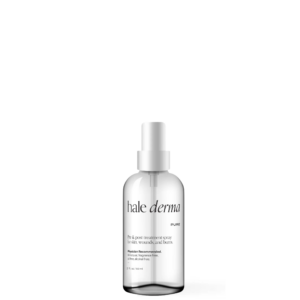
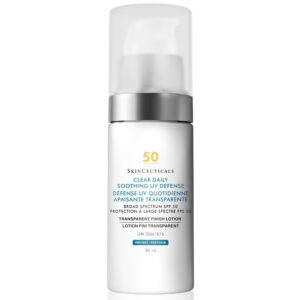
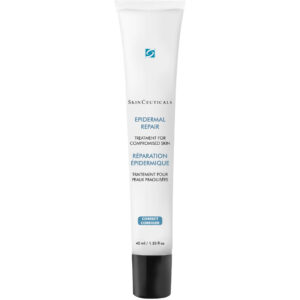
Under eye care we pair with tear trough work
Filler restores the hollow. These keep the thin under eye skin firm and bright.
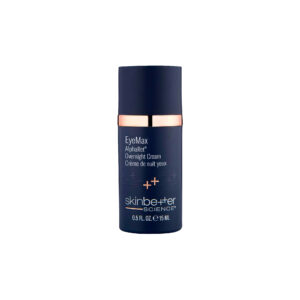 SkinBetter Science EyeMax AlphaRet Overnight Cream$190.00 Original price was: $190.00.$171.00Current price is: $171.00.
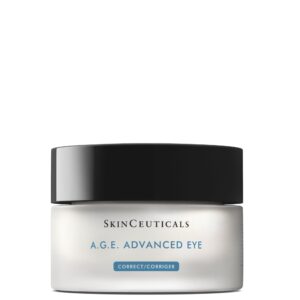 A.G.E Advanced Eye 15ml$150.00
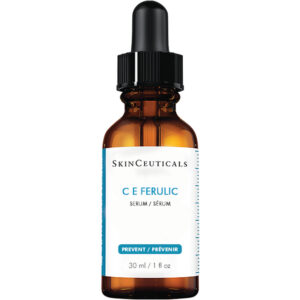 C E Ferulic with 15% with L-Ascorbic acid 30ml$220.00
Stocked in clinic and shipped across Canada. Free express shipping over $150, or free pickup at 46 Fort York Blvd.
Ready to look into it properly?
Our consultation is free. We will look at your skin, give you an honest recommendation, and say so if a different treatment would suit you better.
Or call 416 923 1200 · 46 Fort York Blvd, CityPlace, Toronto
Questions about this treatment?
Ask us anything before you book. Consultations are free, and we will tell you honestly if a treatment is not right for you.