


Forma is InMode’s non-invasive radiofrequency skin tightening treatment, and at Bar Beauty Toronto it is one of the most-requested zero-downtime treatments we offer. Patients across Toronto, Mississauga, Vaughan, Markham, North York, Etobicoke, Scarborough, and Richmond Hill book Forma when they want measurable skin tightening without needles, downtime, or visible recovery. This guide explains exactly how Forma works, who it suits, what it costs in 2026, how it compares to Morpheus8 and Thermage, and how we sequence it into a longer-term skin plan.
Forma is $280 CAD a session at Bar Beauty Medical, and that single-session number is what most people plan around. Radiofrequency tightening is dose dependent, so one visit buys you a preview and the series buys the result. The part worth understanding before you book is that the biggest change lands months after the appointments have stopped.
| When | What is happening in the skin | What you can see |
|---|---|---|
| The same day | The deep dermis has been held at roughly 42 to 43 degrees and existing collagen has contracted | A subtle tightening you will notice and nobody else will |
| Sessions one to six, 1 to 2 weeks apart across 6 to 10 weeks | Each pass adds to a cumulative thermal dose rather than repeating the last one | Change builds gradually through the series instead of stepping up at any single visit |
| Week 12 | The healing response from the final session is well under way | The week 12 photograph against the original baseline. Without it you are judging from memory, which flatters in both directions |
| Months three to six | Fibroblasts are still laying down new collagen and elastin | This is where the result actually arrives, long after the last appointment |
| Month four or five | A single maintenance session | Holds what the series built rather than adding to it |
| Months seven to nine | Nothing scheduled. The quiet quarter | Where most of the slipping back starts, and usually from skipped SPF on grey days rather than from the treatment fading |
| Month twelve | Assessment against the baseline photograph | Repeat the series, step down to twice a year, or stop. That photo is the only honest scoreboard |
Keep Forma at least seven to ten days away from filler, a peel or needling. Three modalities inside one week asks the skin to fund three separate repair processes at once, and none of them get the whole of it.
What Forma actually does
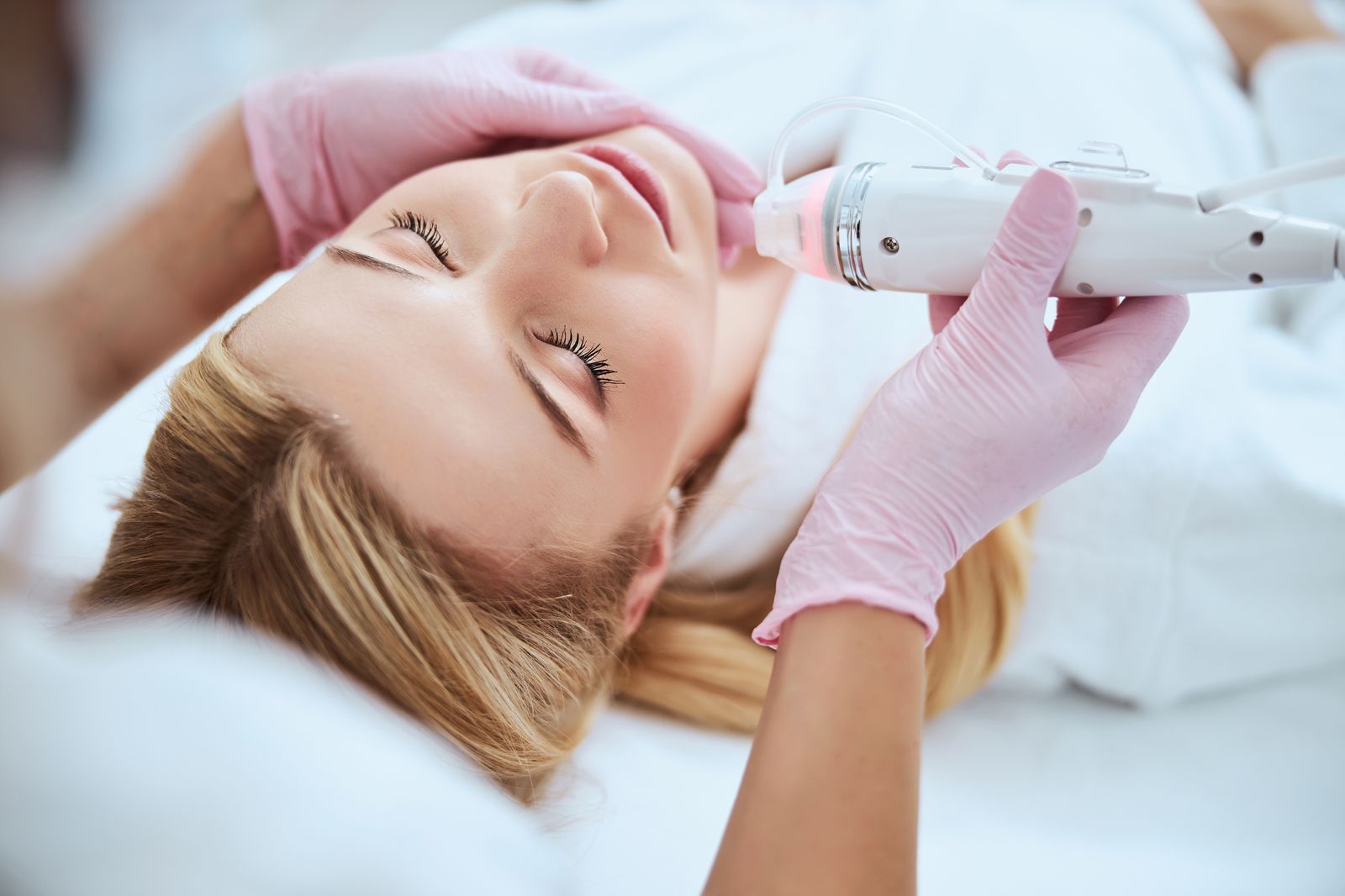
Forma uses bipolar radiofrequency energy to heat the deep dermis to a therapeutic temperature of approximately 42-43°C and hold it there for several minutes. This controlled thermal stress triggers two responses: immediate collagen contraction (you can see a subtle tightening that same day) and a longer-term wound-healing cascade in which fibroblasts produce new collagen and elastin over the following three to six months. Unlike microneedling devices, Forma does not break the skin. The applicator glides across the face with conductive gel, and built-in temperature sensors keep the treatment safe and consistent.
What Forma is good for
- Early-to-moderate jowl softening
- Neck and submental laxity
- Crepey skin around the eyes (carefully)
- Mild nasolabial fold softening
- Forehead and brow lift support
- Pre-emptive skin maintenance in patients in their 30s
What Forma will not fix
Forma is not a substitute for a facelift, and it will not eliminate deep static wrinkles, fix significant skin redundancy, or replace fat that has been lost. If you have stage 3+ jowling, we will be honest about that during consultation and discuss Morpheus8, biostimulator filler, or surgical referral instead.
Forma vs Morpheus8 vs Thermage in Toronto
| Feature | Forma | Morpheus8 | Thermage |
|---|---|---|---|
| Technology | Non-invasive bipolar RF | RF microneedling | Monopolar RF (single session) |
| Downtime | None | 2-5 days | None |
| Sessions needed | 6 (recommended series) | 3 | 1 |
| Discomfort | Very mild (warm) | Moderate (numbed) | Moderate |
| Best for | Early laxity, maintenance, all skin tones | Moderate laxity, acne scarring | Single-session boost |
| Results visible | 2 weeks – 3 months | 4-12 weeks | 2-6 months |
The Bar Beauty Forma protocol
Consultation and skin assessment (30 minutes)
We assess your degree of laxity using both the modified Fitzpatrick-Goldman scale and a hands-on tissue evaluation, then build a plan around your goals. Some patients need only a Forma series. Others benefit from Forma between two Morpheus8 sessions, or from Forma plus skin boosters.
Treatment session (30-45 minutes)
The skin is cleansed and conductive gel is applied. The Forma handpiece is moved in slow, continuous circular motion across each treatment zone for 8-12 minutes per zone until target temperature is reached and maintained. There is no numbing required. Patients often describe the sensation as a warm stone massage.
Series structure
Most patients complete 6 sessions spaced 1-2 weeks apart over 6-10 weeks. Maintenance sessions are then performed every 4-6 months. A single Forma session does produce visible tightening, but the collagen response is dose-dependent and the series delivers significantly better long-term results.
Current pricing for every treatment is published on our (see current price list).
Red flags: when to walk out of a Toronto Forma consultation
- You are not given a temperature endpoint or session count.
- The clinic uses a non-InMode “RF” device but calls it Forma (Forma is a specific InMode product).
- You are promised facelift-equivalent results from one or two sessions.
- The operator is not a regulated health professional or trained medical aesthetician.
- The device temperature is not being monitored during your session.
- You are upsold to surgery without trying conservative options first.
Candidacy
Good candidates include patients aged 30-65 with early to moderate skin laxity, all Fitzpatrick skin types, those wanting zero downtime, and those who want to maintain results between deeper treatments. Forma is not recommended for patients with active skin infection at the treatment site, those with electronic implants (pacemakers, ICDs), those who are pregnant, or those with very advanced skin redundancy where surgical lift is more appropriate.
Financing: HSA and payment options
Forma is a cosmetic treatment and is not typically covered by health spending accounts. A 6-session Forma series can be financed for as little as approximately $175/month at 0% promotional terms.
Affirm financing
For larger treatment plans, Affirm financing is available so you can split the cost into monthly payments. You can review your options at consultation; checking your rate does not affect your treatment plan.
Aftercare
There is no downtime. Skin may appear slightly flushed for 1-2 hours after treatment. Apply your usual SPF and moisturizer. Avoid hot tubs and saunas for 24 hours. Resume retinoids and exfoliating acids the next morning. Drink water, well-hydrated skin produces better collagen response.
Not sure whether this is the right tightening treatment for your face? Our skin tightening guide compares Forma, Morpheus8, Venus Bliss and BodyFX by area, downtime and price, and explains when heat is not the answer.
Frequently asked questions
How much does Forma cost in Toronto?
A single Forma session at Bar Beauty is $280. The recommended 6-session series is $1,680.
How many Forma sessions do I need?
Most patients see best results from a series of 6 sessions spaced 1-2 weeks apart, followed by maintenance every 4-6 months.
Does Forma hurt?
No. Forma feels like a warm stone massage. There is no needling and no downtime.
Is there any downtime?
None. You can wear makeup and return to work immediately after treatment.
How long until I see results?
Initial tightening appears within 1-2 weeks; full collagen remodeling continues for 3-6 months after the final session.
Is Forma safe on all skin tones?
Yes. Forma’s bipolar RF works safely on Fitzpatrick I – VI skin types with no risk of post-inflammatory hyperpigmentation.
Can I combine Forma with other treatments?
Yes. Forma pairs well with Botox, filler, microneedling, and Morpheus8.
How is Forma different from Morpheus8?
Forma is non-invasive bipolar RF for tightening. Morpheus8 is minimally invasive RF microneedling for deeper remodeling.
Deeper Look: How Forma Face Tightening Actually Works on the Skin
Most rushed consult conversations skip the mechanism. They jump straight to price. That’s a mistake because when you understand why Forma radiofrequency skin tightening produces the result it does, two things become possible. First, you can spot a clinic that’s running the protocol wrong before it costs you money. Second, you can predict whether the treatment will actually solve your concern, versus a concern someone on Instagram had that looked similar but wasn’t.
The headline mechanism behind Forma radiofrequency skin tightening is targeted, controlled injury or stimulation. The skin’s repair cascade is a stepwise sequence: hemostasis at minute zero, inflammation across days one to three, fibroblast proliferation from day four through week three, then remodelling that runs from week four through month six. Almost every result we promise lives inside that 24-week window, and the protocol, depth, density, energy, number of passes, downtime requested, has to map cleanly onto that biology. When a clinic cuts a session short to fit a 30-minute room turnover, you lose density. When they crank energy because it “looks dramatic,” you trade weeks of pinkness for the same final result. Neither is a fair trade.
For Forma Face Tightening specifically at Bar Beauty, the protocol prioritizes the late-proliferation and remodelling phases because that’s where collagen architecture is laid down, and that’s what survives at the six-month mark. The work you can see at week one is mostly inflammation and superficial change; it photographs well and it convinces friends, but it’s not the durable result. The durable result shows up between months three and six, which is also why we book the follow-up photo at week 12 and the second compare at week 24. If a clinic is showing you week-two photos as their hero gallery, ask to see week-12 and week-24 of the same patient. The honest practices have them.
Forma Face Tightening vs Morpheus8 vs Ultherapy: A Practical Decision Matrix
The three options patients usually compare to Forma Face Tightening in Toronto are Morpheus8 and Ultherapy. None of them are universally “better.” They solve overlapping but distinct problems, and the right answer changes with your skin, your budget, and your downtime tolerance.
Choose Forma Face Tightening when your primary concern matches its primary mechanism (described above), when you can commit to a series rather than a one-off, and when your downtime budget fits the recovery profile. Choose Morpheus8 when your concern is closer to its specific strength, typically a different tissue depth or a different chromophore target, and when you want to combine modalities. Choose Ultherapy when budget is the binding constraint and the result delta is acceptable, or when there’s a contraindication to the other two. A good Toronto provider will draw this matrix on a piece of paper at your consult. If they won’t, that’s information.
The trap to avoid is “modality loyalty.” Some clinics own one device and recommend it for everything because it’s what they bought. Others rotate you through three treatments in a year because the commission structure rewards add-ons. Neither serves you. The clinic that says “you don’t need Forma Face Tightening this quarter, come back in six months” is the one to trust with the bigger decisions later.
Cost Breakdown by Provider Type in the GTA
Sticker prices for Forma radiofrequency skin tightening in the Greater Toronto Area cluster into four tiers depending on who’s performing the treatment and where:
- Medspa, esthetician-led (entry tier): roughly $300-$350. Lower price, often a less specialized device, faster session, limited customization. Suitable for maintenance-only patients with healthy skin.
- Medspa, RN- or NP-led (standard tier): roughly $350-$475. Most Toronto patients land here. Medical oversight, validated device, structured before/after photography. This is the price-quality sweet spot for first-time patients.
- Physician-led aesthetic clinic (premium tier): roughly $475-$600. Higher price reflects MD time, broader complication-management capability, and typically a more advanced device generation. Worth it for medically complex skin or combination protocols.
- Hospital-affiliated or dermatology-derm clinic (specialty tier): $600+. Highest price, narrowest scheduling, longest waitlists. Reserved for cases involving prior complications, severe pigmentary disorders, or post-surgical reconstruction.
The pricing band that most overpays is the entry tier, not because the treatment failed, but because it usually has to be redone at the standard tier within 12 months. Two cheap sessions plus a corrective is almost always more expensive than one properly-done session.
Sticker Price vs True Annual Cost
One number ruins more Forma Face Tightening budgets than any other: the single-session sticker. Patients see “$280” and plan a one-and-done. Then six months in, they’re either underwhelmed because they skipped the series, or they’ve spent $1,800+ on touch-ups they didn’t budget for.
The honest framework is annual, not per-session. For a typical first year of Forma Face Tightening in Toronto: initial series (2-3 sessions front-loaded) + maintenance (1-2 sessions in months 6-9) + medical-grade home care (cleanser, antioxidant serum, retinoid, mineral SPF, call it $400-$700 across the year) + one consultation or photo review. Realistic year-one total in the standard tier: $1,050-$1,800. Year two, with the proliferation phase done, drops by roughly 40%. Build the budget on that arc and you won’t be surprised.
Pre-Treatment Prep: The 14-Day Runway
The single highest-leverage thing you can do before Forma Face Tightening is barrier prep. Two weeks out, drop the actives that thin or sensitize the skin, pause prescription retinoids, AHAs/BHAs above 5%, benzoyl peroxide on the treatment area, and any scrub or brush. Keep the cleanser bland, layer a ceramide moisturizer morning and night, and run mineral SPF 30+ daily even on overcast days. Hydration matters more than people credit; aim for steady water intake rather than a panic-drink the morning of.
Forty-eight hours out, avoid alcohol (it amplifies post-procedure redness and prolongs swelling), skip aspirin and high-dose fish oil if you aren’t on them for a medical reason, and do not book a workout in the four hours before your session. The morning of, come in with a clean face and bring sunglasses. None of this is dramatic, but together it shaves visible recovery time by roughly a day.
Twelve-Month Maintenance Plan
Maintenance is where most Toronto patients accidentally undo their own results. The simple, working plan after the initial Forma Face Tightening series:
- Months 1-3: finish the series on the cadence your provider set. Resist the urge to add new actives before week six. Re-photograph at week 12 against the original baseline.
- Months 4-6: single maintenance session at month four or five. Layer in retinoid two to three nights a week if tolerated. Repeat baseline photo at month six.
- Months 7-9: the “quiet quarter.” No new treatments unless there’s a clear change. Focus on SPF compliance and sleep. Most relapses we see start here, from missed SPF on grey-sky days.
- Months 10-12: assessment visit. Decide whether to repeat the series, step down to twice-a-year maintenance, or stop. Repeat baseline photo at month 12, this is the photo that tells you whether the year was worth it.
Common Mistakes Toronto Patients Make with Forma Face Tightening
- Booking on a discount code without checking the provider. Groupon-style pricing on medical aesthetics in Toronto correlates with shorter sessions, junior operators, and skipped post-care reviews. The unit price looks great; the per-result price is often worse.
- Stacking treatments in the same week. Filler on Monday, Forma Face Tightening on Wednesday, a peel on Friday, the skin can’t allocate repair resources to all three. Space modalities by at least seven to ten days.
- Skipping the week-12 photo. Without it, you’re judging results from memory, and memory is a flattering liar in both directions. The week-12 photo is the only honest scoreboard.
- Adding a “stronger” home-care product the night after treatment. The barrier is busy. Keep it boring for at least 72 hours. New product reactions in this window get blamed on the procedure.
- Chasing the wrong concern. Patients often book Forma Face Tightening for pigment when they should be booking it for texture, or vice versa. A 15-minute consult catches this. A self-diagnosed booking does not.
- Quitting after one session. Almost no Forma Face Tightening-class treatment delivers its final result in one visit. The “it didn’t work” reviews online are usually one-session reviews.
How to Vet a Toronto Forma Face Tightening Provider in Ten Minutes
Before you book, ask three questions and listen for the texture of the answer, not the speech. One: “Can I see a week-12 photo of a patient with skin similar to mine?” A practiced clinic answers within a minute. Two: “What’s your protocol when a patient has a delayed reaction at week two?” The right answer is specific and includes a callback policy. Three: “If Forma Face Tightening isn’t right for me, what would you recommend instead?” If they can’t name an alternative, they only sell one thing, and that’s not a clinic, it’s a counter.
None of this is a substitute for an actual consult. But it filters the bottom 30% of providers fast, and that’s where most regretted spend in the GTA ends up.
Book Forma in Toronto
Bar Beauty serves patients across the GTA from our Fort York location at 46 Fort York Blvd in CityPlace, downtown Toronto. Same-week appointments are usually available. Book online or call to start with a complimentary skin assessment.
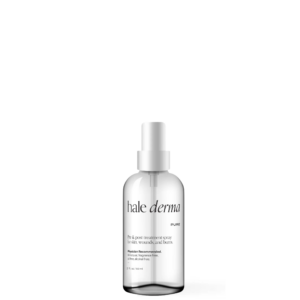
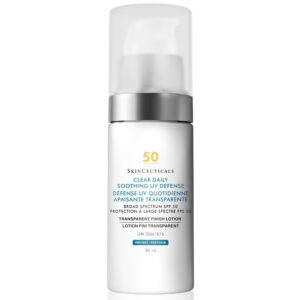
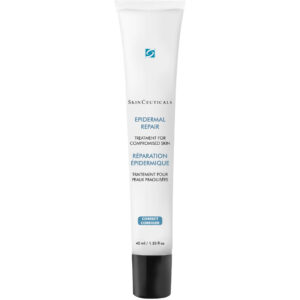
Recommended aftercare and skincare
The medical grade products our team uses to protect and extend your results. Shipped express across Canada, free over 150 dollars.
Ready to look into it properly?
Our consultation is free. We will look at your skin, give you an honest recommendation, and say so if a different treatment would suit you better.
Or call 416 923 1200 · 46 Fort York Blvd, CityPlace, Toronto
Questions about this treatment?
Ask us anything before you book. Consultations are free, and we will tell you honestly if a treatment is not right for you.