


Acne Treatment in Toronto: the 2026 control and scar plan
Acne is a multifactorial disease, sebum, follicular blockage, C. acnes bacteria, and inflammation. Effective control requires medical management plus the right in-clinic adjuncts. This is the Bar Beauty 2026 acne playbook.
Active acne, adult hormonal flares, post-pill rebound, or persistent inflammatory breakouts, responds to a stack of in-office laser, medical peels, and a discipline-driven home routine. We get most cases under control in 4 to 6 weeks without putting you on long-term oral antibiotics or accutane.
An acne plan here runs on a twelve-week clock rather than a single appointment. Aerolase NeoClear sessions and salicylic acid peels are layered across 8 to 12 weeks, your home routine carries about 40 percent of the work, and scar revision only begins once the active breakouts have settled.
| When | What the plan is doing | What most patients notice |
|---|---|---|
| Weeks 1 to 2 | First Aerolase NeoClear session, home routine built and started, first salicylic acid peel | Mild purging is common in this window. Laser sessions run 20 to 30 minutes with about an hour of warmth afterwards |
| Weeks 3 to 4 | Aerolase and peels alternating, home routine running daily without gaps | Noticeable improvement in inflamed lesions around week 4 |
| Weeks 5 to 8 | The 8 to 12 week protocol at full stride, three to six Aerolase sessions in total for most inflamed cases | Meaningful clearing by about week 8 |
| Weeks 9 to 12 | Frequency drops and peels move from monthly toward quarterly maintenance | Stability that is ready for maintenance rather than active treatment |
| After control | Scar work opens up: microneedling with exosomes for boxcar and rolling scars, Morpheus 8 RF for ice-pick scarring, Aerolase NeoSkin for post-inflammatory marks | Scar change takes a further 3 to 6 months, and a 50 to 80 percent improvement is the realistic target |
Acne relapses, so this is control and maintenance rather than a cure. Hormonal acne often needs longer and does better alongside hormonal management from your physician. If you have taken isotretinoin in the past six months we defer resurfacing, and severe nodulocystic or scarring acne is referred to dermatology rather than treated here.
The acne types we treat
Inflammatory acne, papules, pustules, painful cysts. Responds well to Aerolase NeoClear laser sessions and salicylic acid peels.
Comedonal acne, blackheads, whiteheads, congested pores. Best treated with extraction protocols, gentle resurfacing, and pore-clearing topicals.
Hormonal acne, concentrated around chin, jawline, lower face, often cyclical with menstrual cycles or hormonal birth control changes. We treat the surface symptoms while screening for hormonal triggers.
Acne mechanica, caused by friction, mask-wearing, hair products. Identification and trigger removal often resolves it without aggressive treatment.
How Aerolase NeoClear works for active acne
Aerolase NeoClear is a 1064nm laser pulse calibrated to target P. acnes bacteria in the sebaceous glands, calm inflammation, and reduce sebum production. Three to six sessions get most cases of inflamed acne under meaningful control. Safe across all skin tones, no risk of post-inflammatory hyperpigmentation that some other acne lasers cause on Fitzpatrick III to VI patients. Sessions take 20 to 30 minutes; mild warmth for an hour after.
Medical-grade peels for acne
Salicylic acid 20% to 30% peels clear pores, reduce sebum, and brighten post-acne marks. We layer them between Aerolase sessions across an 8 to 12 week protocol. For patients with combination acne and post-inflammatory marks, we add NOON Aesthetics peels which combine acid blends with anti-inflammatory complexes designed specifically for acne-prone Fitzpatrick III to VI skin.
The home routine that gets you clear
In-office treatments handle 60% of the work. The other 40% is consistent home care. The standard acne home routine we build with patients: gentle non-stripping cleanser (NOON C-Foaming or SkinCeuticals LHA Cleanser), SkinCeuticals Silymarin CF in the morning (vitamin C + salicylic for oily acne-prone skin), NOON AcNo Complex or prescription topical retinoid at night, and SkinCeuticals Physical Fusion UV Defense SPF 50 every morning. Cleanser-toner-serum-moisturizer-SPF, in that order. Consistency beats complexity.
What we don’t do
We don’t prescribe oral isotretinoin (Accutane), that’s a dermatology referral. We don’t prescribe long-term oral antibiotics like doxycycline, also dermatology. We don’t do harsh aggressive medical peels (Jessner’s, TCA at high strength) on acne-prone skin without careful preparation, too much risk of post-inflammatory hyperpigmentation, especially on Fitzpatrick III to VI. We screen out severe nodulocystic or scarring acne for dermatology referral and treat the moderate-to-mild cases that respond well to our in-office protocol.
After active acne is controlled, scar work
Once active breakouts are under control, we move to scar revision: microneedling with exosomes for boxcar and rolling scars, Morpheus 8 RF for ice-pick scarring, and Aerolase NeoSkin tone work for post-inflammatory hyperpigmentation. See our acne scar revision page for the full protocol.
Realistic expectations and timeline
Most patients see noticeable improvement by week 4 of a coordinated protocol, meaningful clearing by week 8, and maintenance-ready stability by week 12. Hormonal acne sometimes needs longer or pairs better with hormonal management from your physician. We tell you honestly at consultation what we can and can’t do for your specific case.
Book your free consultation
Speak with a licensed Bar Beauty injector or laser tech. We will assess your skin, walk through options, and give you an honest plan with no upsell.
46 Fort York Blvd, Toronto · 416-923-1200 · Open 7 days
What this treatment actually does (and what it does not)
Acne treatment hierarchy: topical retinoid + benzoyl peroxide for almost everyone, oral antibiotics for moderate inflammatory, hormonal therapy (spironolactone/OCP) for adult female hormonal acne, isotretinoin for severe nodulocystic, all prescribed by your physician. In-clinic we add: chemical peels (salicylic, mandelic, Jessner), Hydra-Dermabrasion-style extractions, LED blue/red light, and for scarring. RF microneedling.
What in-clinic care alone cannot do: deliver consistent home-care active ingredients. The compliance of your home routine matters more than any single in-clinic session.
Comparison table
| Treatment | Best for | Sessions |
|---|---|---|
| Salicylic peel | Comedonal | 4-6 monthly |
| Mandelic peel | Sensitive/darker skin acne | 4-6 monthly |
| Hydra-Dermabrasion Clear | Congestion, extractions | Monthly |
| LED blue + red | Inflammatory acne | 8-12 weekly |
| RF microneedling (scars) | Atrophic scars | 3-4 monthly |
| Subcision + filler (scars) | Rolling scars | 1-2 |
| Rx topical (referral) | Most patients | Daily |
How we decide who gets what: decision framework
Start with
Family physician or dermatologist referral for Rx topical foundation.
Add chemical peels if
Comedonal congestion persists.
Add LED if
Active inflammatory lesions.
Add Hydra-Dermabrasion Clear if
Congestion + need for extractions.
For scarring, add RF microneedling if
Acne is controlled but scars remain.
Current pricing for every treatment is published on our (see current price list).
Red flags: when to walk out of a acne treatment consultation
The Canadian medical aesthetics industry is partially self-regulated. Some clinics meet a very high bar; others trade on a luxury aesthetic while cutting clinical corners. Use this checklist on every clinic, including ours.
- No medical intake. If nobody asks about your medications, autoimmune history, prior treatments, pregnancy/breastfeeding status, or recent dental work, that is not a consultation, that is a sales call.
- Pressure to book today. “This price is only good if you book now” is a sales tactic, not medicine. Reputable clinics quote you, send you home with a written plan, and expect you to think about it.
- Refusal to show product packaging. Health Canada-approved neuromodulators and fillers arrive in sealed, labelled, lot-numbered packaging. You are entitled to see the box before it is reconstituted or opened in front of you.
- Vague provider credentials. Ask: who is injecting me, what is their CNO or CPSO registration number, and which physician medical-directs this clinic? If you cannot get straight answers, leave.
- Prices dramatically below market. If a quote is 50% under the Mississauga/Oakville/Toronto average, the most common explanations are diluted product, grey-market product imported outside the Canadian supply chain, or an unqualified injector. None of those are acceptable trade-offs.
- No emergency plan. Every injector should be able to tell you, in plain language, what they do if you have a vascular occlusion, an allergic reaction, or an unexpected outcome at 11 p.m. on a Saturday. “Go to the ER” is not a plan.
- Before/after photos that look identical. Real results vary; identical lighting, angle, and expression on every “result” usually means the photos are staged or stock.
Pricing transparency, hidden costs & financing in the GTA
The single biggest complaint patients voice when they switch to us from a competitor is that the quoted price was not the price they paid. We publish our menu, we quote in writing before you sit in the chair, and we walk you through every line item, including the ones some clinics quietly bury. Below is what you should expect at Bar Beauty Medical and what to interrogate at any clinic you visit in the Greater Toronto Area.
What your complimentary consultation covers
A first consultation at Bar Beauty Medical is complimentary. The consultation includes a 45-minute medical intake with a registered nurse, a Visia or LED-mapped skin analysis where relevant, a written plan with itemized pricing in Canadian dollars, and a follow-up call 24-48 hours after to confirm you understood the proposed plan. It does not include topical numbing, post-care kits, or device add-ons; those are quoted separately so you can decline anything you do not want.
How payment works
Your written plan is itemized in Canadian dollars before you book anything, and payment is taken at the clinic on the day of treatment. If you want to ask about third-party financing, raise it at your consultation and we will tell you what we currently accept.
HSA, insurance, OHIP and CRA medical expense considerations
Most cosmetic medical procedures are not covered by OHIP, and Bar Beauty Medical does not bill OHIP for elective aesthetics. That said:
- Health Spending Accounts (HSAs) through employer benefits sometimes reimburse RN-administered services when prescribed for a documented medical indication (e.g., hyperhidrosis treatment with onabotulinumtoxinA, masseter therapy for clenching/bruxism, rosacea-related vascular laser). We issue a detailed receipt with the RN’s regulatory number, the product DIN where applicable, and the medical indication so your HSA administrator has what they need.
- Private extended health rarely covers cosmetic care, but acne treatment plans and certain laser therapies for medically diagnosed conditions occasionally qualify under “paramedical” or “specialist” lines. Always pre-confirm with your benefits provider.
- CRA medical expense tax credit (METC), Canada Revenue Agency permits the METC for medically necessary procedures performed by a qualified medical practitioner. Purely cosmetic procedures performed after March 5, 2010 are not eligible under ITA s.118.2(2.1). Medically indicated work (for example, scar revision after surgery, hyperhidrosis, certain dermatologic conditions) may qualify if accompanied by a physician referral. Keep receipts and consult your tax professional.
- OHIP does not cover aesthetic neuromodulators, dermal fillers, cosmetic lasers, or skin tightening. It may cover dermatology consultations for medical skin disease through a family physician referral; that is a separate care pathway from our clinic.
Bottom line: do not assume coverage. Ask, in writing, before you commit.
Affirm financing
For larger treatment plans, Affirm financing is available so you can split the cost into monthly payments. You can review your options at consultation; checking your rate does not affect your treatment plan.
Who should NOT have this treatment
- Active flares, defer scar work.
- Pregnancy. Rx restrictions.
- Recent isotretinoin, defer resurfacing 6 months.
- Open lesions, modify in-clinic plan.
Recovery, aftercare, and what to expect
Consistent home care. Mineral SPF. No squeezing. Pillowcase hygiene. Diet awareness (high-glycemic, dairy in some patients).
Why GTA patients choose Bar Beauty Medical
We treat patients across Mississauga, Oakville, Toronto, Etobicoke, Brampton, Burlington, Milton, and Vaughan. We are physician-supervised and clinician-led, and we use only Health Canada-approved devices and products purchased through Canadian distributors. Every chart is photographed in standardized lighting at every visit so we can show you, objectively, how your skin and tissue are responding.
Frequently asked questions
Can acne be cured?
Long-term remission achievable; some adult acne is chronic and managed.
Is in-clinic treatment enough?
Rarely, combined with Rx home care is the standard.
Do peels make acne worse first?
Sometimes mild purging week 1-2.
Is LED therapy effective?
Yes as adjunct to medical management.
How long until I see results?
Active control: 6-12 weeks. Scarring: 3-6 months.
Can I treat acne scars while still breaking out?
Sometimes, depends on inflammation level.
What is the best home routine?
Gentle cleanser + Rx + non-comedogenic moisturizer + mineral SPF.
Does diet matter?
Evidence supports avoiding high-glycemic and skim dairy in susceptible patients.
Are extractions safe?
Yes when done professionally.
Will RF microneedling fully erase scars?
50-80% improvement realistic.
Is acne treatment covered by OHIP?
Some Rx yes; in-clinic no, possible HSA coverage.
How often should I get peels?
Monthly during active phase, quarterly maintenance.
Book a consultation: call 416-923-1200, email info@barbeauty.ca, or book online at barbeauty.ca/contact.
Pre-treatment skincare optimization protocol
One of the most underappreciated levers in acne treatment outcomes is what happens in the 4-6 weeks before your appointment. Patients who follow a structured prep protocol consistently report faster recovery, better visible results, and fewer side effects. The protocol we walk Bar Beauty patients through covers four pillars: skin barrier conditioning, inflammation reduction, hydration loading, and lifestyle calibration.
- Strategic actives (weeks 6 to 1 out): Continue retinoids and vitamin C up to the 5-7 day mark, then pause. Restarting too early after treatment is one of the top three causes of post-procedure inflammation we see in clinic.
- Hydration loading (week of): 2.5 to 3 L of water daily for the 5 days prior. Hyaluronic acid binds water in a 1:1000 ratio, well-hydrated tissue holds product better and looks plumper from day one.
- Inflammation calm-down (72 hours out): Skip alcohol, fish oil, high-dose vitamin E, ibuprofen, aspirin, ginkgo, garlic supplements, and ginseng. These thin the blood and dramatically increase bruising risk. Acetaminophen (Tylenol) is fine if you need pain relief.
- Sleep and stress (week of): Cortisol slows wound healing by up to 40% in controlled studies. A week of 7-8 hour nights and reduced training intensity is worth more than any product you can buy.
Patients who execute this protocol typically see a noticeable improvement in same-day comfort, day-3 swelling, and 2-week appearance compared to patients who walk in cold.
What your practitioner wishes you knew before booking acne treatment
Clearing these up before your appointment saves time, money, and disappointment.
- Instagram is not a treatment plan. The before-and-afters you screenshot are usually the absolute best results from someone with that specific anatomy, that specific starting point, and often that specific lighting. They are useful as inspiration, not as a contract. Your honest baseline matters more than someone else’s peak.
- “Natural” is a moving target. What looked natural in 2018 looks overdone in 2026, and what looks natural on a 28-year-old patient looks unnatural on a 58-year-old. We calibrate to your face at your age, not to a trend.
- Photographic documentation is non-negotiable. Without standardized before photos, neither you nor your provider can honestly evaluate the result 4 weeks later. Memory is unreliable; pixels are not.
- Your medication list matters more than you think. Anticoagulants, immunosuppressants, hormonal therapy, GLP-1 agonists, isotretinoin history, and certain antibiotics all change how we treat you. Bring a real list, not “the usual stuff.”
- One session is rarely the whole story. Active acne management is a process, not a moment. Patients who arrive expecting a one-and-done miracle leave more frustrated than patients who understand the realistic arc.
How Bar Beauty’s acne treatment protocol differs from a typical Toronto clinic
Toronto’s aesthetic market is crowded, and on paper most clinics offer overlapping treatments. The differences show up in the protocol, not the brochure. Here is how our approach typically diverges from what patients describe experiencing elsewhere.
- Consultation length. A typical drop-in injector consult in the GTA runs 10-15 minutes. Bar Beauty consults run 45-60 minutes for new patients, with a full medical intake, facial analysis, photographic baseline, and written plan you can take home.
- Structured 2-week follow-up. Every patient is checked at the 14-day mark, in person or via photo review, included in the original price. This is where small refinements are made and complications are caught early.
- Documented complication pathway. If something goes sideways, such as a vascular event, infection or hypersensitivity, call us during business hours. After hours, leave a message and we will call you back the next morning, or go to the nearest emergency department if it cannot wait.
Common misconceptions about acne treatment, debunked
Search results, TikTok creators, and even some clinic websites perpetuate myths that quietly cost patients money and results. Here are the ones we correct most often.
- Myth: “If a little is good, more is better.” Reality: dose-response curves in aesthetic medicine are not linear. Past a certain point, additional product or sessions deliver diminishing returns and rising risk. The sweet spot is almost always less than patients expect.
- Myth: “Results should be visible immediately.” Reality: most active acne management protocols have a delayed window of true result, typically 2-6 weeks. Judging at day 3 is judging swelling, not outcome.
- Myth: “Once you start, you have to keep going forever.” Reality: stopping treatment returns you to your natural aging trajectory, not to a worse-than-baseline state. The “you’ll look older if you stop” narrative is marketing, not biology.
- Myth: “All RNs / NPs / MDs are interchangeable.” Reality: license tier matters less than reps performed. A nurse who has done 5,000 of a specific procedure outperforms a physician who has done 50. Ask for case volume, not just credentials.
- Myth: “Numbing cream solves all discomfort.” Reality: topical anaesthetic handles surface sensation but not deep pressure or vibration. We layer topicals with cooling, vibration distraction, dental blocks (where appropriate), and pacing to address all four pain channels.
Year-by-year maintenance: what realistic acne treatment planning looks like
Most aesthetic outcomes are not a single appointment, they are a multi-year arc. Here is the maintenance cadence we build into long-term acne treatment plans, calibrated to a typical 30-something patient.
- Year 1: Establishment phase. 2-4 sessions depending on protocol, focused on building baseline result and learning how your tissue responds. Photographs at 0, 4, 12, and 26 weeks.
- Year 2: Refinement phase. Frequency drops by 30-50%. We start fine-tuning around your specific aging patterns rather than treating to a generic template.
- Year 3-5: Maintenance phase. Most patients settle into a predictable 2-3 visit per year cadence. Annual full-face reassessment ensures we are not over-treating one area while ignoring another.
- Year 5+: Evolution phase. Your face at 40 needs different inputs than your face at 35. Treatment selection should evolve with you, what worked beautifully five years ago may not be the right tool today.
Patients who follow this arc, with honest photo documentation and a single trusted provider, consistently end up with more natural results, lower lifetime spend, and significantly fewer corrective procedures than patients who clinic-hop or chase trends.
Booking your acne treatment consultation at Bar Beauty Medical
If you are ready to skip the marketing and have a real conversation about what active acne management can, and cannot, do for your skin, our RN team is here for it. New-patient consultations include a full facial analysis, photographic baseline, honest discussion of alternatives, and a written plan with transparent pricing. There is no obligation to treat on the day of consultation, and we will tell you when a different treatment, a different timeline, or no treatment at all is the right answer.
Book a acne treatment consultation
Related reading: Follow our step-by-step post-acne treatment roadmap.
Recommended aftercare and skincare
The medical grade products our team uses to protect and extend your results. Shipped express across Canada, free over 150 dollars.
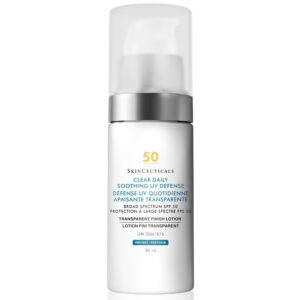
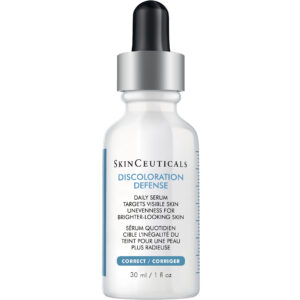
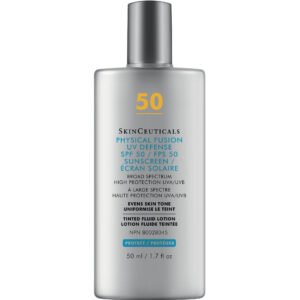
Home care that backs up your acne treatment
Clinic treatments clear active acne faster when home care matches. We stock these for that reason.
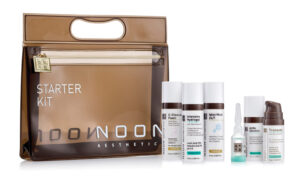 Noon Acne Starter Kit
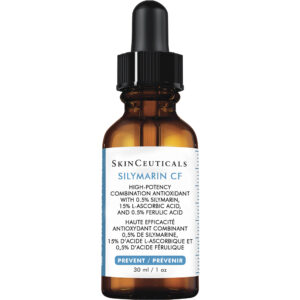 SILYMARIN CF 30 ML
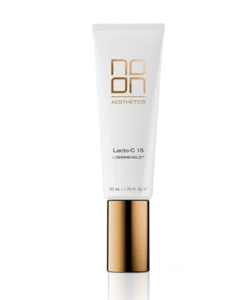 Lacto-C 15 (50gr.)
Stocked in clinic and shipped across Canada. Free express shipping over $150, or free pickup at 46 Fort York Blvd.
Ready to look into it properly?
Our consultation is free. We will look at your skin, give you an honest recommendation, and say so if a different treatment would suit you better.
Or call 416 923 1200 · 46 Fort York Blvd, CityPlace, Toronto
Questions about this treatment?
Ask us anything before you book. Consultations are free, and we will tell you honestly if a treatment is not right for you.