


Procell microchanneling differs from standard microneedling in two ways: the needles are finer and shallower, and the treatment is paired with a bone-marrow derived growth factor serum applied as the channels are created. That combination makes it gentler than SkinPen with less downtime, and correspondingly better suited to maintenance and sensitive skin than to deep correction.
- Gentler by design: shallower penetration means less trauma, less redness and a faster return to normal than traditional microneedling.
- The growth factor element: the serum is delivered through the channels at the moment they are open, which is the whole point of the timing.
- Best suited to: overall skin quality, fine texture, early ageing and sensitive skin that reacts badly to more aggressive treatment.
- Not the right tool for: deep acne scarring or significant laxity. SkinPen at $400 goes deeper, and Morpheus 8 from $600 adds radiofrequency at depth.
- Cost and course: $350 per session, typically three to six sessions four weeks apart.
- Downtime: mild redness for a few hours to a day. Most people are comfortable in makeup the next morning.
Bar Beauty Medical, 46 Fort York Blvd, CityPlace, Toronto. Prices in Canadian dollars from our live booking system, verified 18 August 2026.
ProCell Therapies Microchannel + Growth Factor System, Toronto
ProCell Therapies is a U.S.-developed medical microchanneling system combining a precision 36-needle cartridge with proprietary bone-marrow-derived mesenchymal stem-cell growth-factor serums applied directly into the microchannels created during treatment. It is the gold-standard combination platform for hair restoration, atrophic acne scars, and accelerated skin rejuvenation. This page covers the hardware, the mechanism, what it treats, who is a candidate, and how it differs from generic microneedling marketed with random serum add-ons.
What ProCell Therapies Actually Is
ProCell Therapies is a U.S.-developed medical microchanneling system that combines a precision-engineered, single-use 36-needle cartridge with proprietary bone-marrow-derived mesenchymal stem-cell growth-factor and cytokine serums applied topically into the open microchannels created during treatment. It is not microneedling marketed under a different name, the depth, cartridge geometry, and most importantly the partnered growth-factor serum stack distinguish ProCell from generic pen treatments. The combination treatment is FDA-cleared for the topical delivery of stem-cell-derived growth-factor serums in the post-microchannel period.
Hardware: The 36-Needle Cartridge
Where most microneedling pens use 12- or 14-needle cartridges, ProCell uses a denser 36-needle array that creates a more uniform field of microchannels per pass. Depth is adjustable from 0.25 mm to 2.5 mm with precision indexing. Cartridges are individually sterilised, single-use, and disposed of in the client’s presence.
The Growth-Factor Stack
ProCell’s signature differentiator is its bone-marrow-derived mesenchymal stem-cell conditioned media serum, which contains a documented cocktail of growth factors, cytokines, and signalling peptides including VEGF, KGF, EGF, IGF, TGF-beta, and multiple interleukins. The serum is applied topically into the just-formed microchannels, allowing the channels to act as direct delivery routes into the upper dermis where the growth factors interact with fibroblasts and stem cells.
The Mechanism: Microchannel + Growth-Factor Synergy
ProCell’s mechanism is conceptually simple but biologically sophisticated.
Phase One: Microchannel Creation
The 36-needle cartridge creates a dense, uniform pattern of micro-injuries that triggers the classical wound-healing cascade, inflammation, proliferation, remodelling, driving new collagen and elastin production over the following weeks to months.
Phase Two: Growth-Factor Delivery
Within the brief window when microchannels remain open (approximately 30-60 minutes post-treatment), the growth-factor serum is applied. This delivers signalling molecules directly to the dermal cells that would normally respond to wound healing, effectively amplifying the body’s own regenerative response.
Phase Three: Take-Home Reinforcement
ProCell protocols include a take-home growth-factor serum applied twice daily for 5 days post-treatment, prolonging the regenerative signal during the critical proliferation window.
What ProCell Treats
ProCell shares most of its indication list with SkinPen Precision, but the growth-factor amplification produces faster, more pronounced improvements in certain categories.
Hair Restoration (Androgenetic Alopecia)
This is ProCell’s strongest differentiated indication. The combination of scalp microchanneling and growth-factor serum has produced measurable trichoscopy improvements in hair density and shaft thickness in published studies, often faster than microneedling alone.
Atrophic Acne Scars
Boxcar and rolling scars respond well, with growth-factor amplification producing faster collagen remodelling than microneedling alone.
Photoaging and Skin Quality
Visible improvements in skin texture, tone, and fine lines after a series of 3-4 sessions.
Body Treatments
Stretch marks, scar revision on body, and skin texture concerns respond well.
Who Is and Is Not a Candidate
ProCell candidacy mirrors SkinPen.
Ideal Candidates
Adults with hair loss, atrophic acne scars, photoaging, or scar revision needs. All Fitzpatrick types.
Contraindications
Same as SkinPen: active skin infection, isotretinoin within 6 months, pregnancy, keloid tendency, immunosuppression, active eczema or psoriasis in treatment area.
Allergies
Clients with allergies to porcine, bovine, or specific growth-factor components should request the full ingredient list before treatment.
The Bar Beauty ProCell Protocol
Sessions run 60-75 minutes.
Pre-Treatment
Skin double-cleansed, numbed with compounded 23/7 lidocaine for 30 minutes.
Microchannel Phase
The ProCell device is passed across each anatomical zone at depths individualised to the indication – 1.0-1.5 mm for skin quality, 1.75-2.25 mm for acne scars, 0.6-1.2 mm for scalp hair restoration.
Growth-Factor Application
Immediately post-treatment, the bone-marrow-derived growth-factor serum is massaged into the just-opened microchannels.
Recovery and Take-Home
Mineral SPF applied. Take-home growth-factor serum for twice-daily application for 5 days, plus barrier-repair kit included in price.
Current pricing for every treatment is published on our (see current price list).
Red Flags: ProCell vs Generic Microneedling + Random Serums
Many clinics now market growth-factor microneedling using generic pens with off-label, unvalidated serum cocktails.
Is It Actual ProCell?
ProCell is a branded, FDA-cleared system. Ask for serum batch numbers and cartridge brand. Generic growth-factor serums often have unverified ingredient profiles.
Are Cartridges Single-Use ProCell Branded?
Beware of clinics using cheaper generic cartridges in a ProCell-branded handpiece.
Provider Credentials
Medical depth treatment requires a regulated health professional.
HSA and financing
Hair restoration ProCell protocols may qualify for HSA reimbursement with a prescription.
HSA Documentation
Itemised receipts with diagnosis codes provided on request.
Affirm financing
For larger treatment plans, Affirm financing is available so you can split the cost into monthly payments. You can review your options at consultation; checking your rate does not affect your treatment plan.
Comparing ProCell Against Alternative Microneedling Platforms
ProCell is one of several medical microchanneling platforms on the Canadian market. Here is how it compares against the other major options.
ProCell vs SkinPen Precision
Both are Health Canada and FDA-cleared mechanical microneedling platforms. SkinPen uses a 14-needle cartridge; ProCell uses a 36-needle cartridge for denser channel coverage. ProCell ships with an integrated bone-marrow-derived growth-factor serum stack and a take-home protocol; SkinPen does not include a brand-specific serum stack. Bar Beauty operates both, the choice depends on indication and client preference.
ProCell vs Radiofrequency Microneedling
RF microneedling devices (Morpheus8, Genius, Vivace) add thermal energy to needle injury, producing deeper dermal coagulation and skin tightening. ProCell uses mechanical injury alone, ideal for surface texture and scar revision but without the laxity-tightening effect of RF. Many clients use both for different goals.
ProCell vs Generic Microneedling Pens
Generic pens sold to spas vary wildly in build quality, needle calibration, depth accuracy, and cartridge sterility. ProCell’s integrated branded protocol provides traceability and consistency that generic pens cannot match.
The Hair Restoration Protocol in Detail
ProCell’s strongest differentiated indication is hair restoration. Here is how the protocol is built.
Initial Assessment and Trichoscopy
Every hair restoration client starts with trichoscopy imaging to document baseline hair density, shaft thickness, and follicular health. This baseline is critical for measuring twelve-month outcomes.
Combination With Topical and Oral Adjuncts
ProCell scalp treatments are most effective when combined with topical minoxidil 5 percent and (for appropriate male candidates) oral finasteride 1 mg. We coordinate with prescribing physicians for clients on these adjuncts.
Session Cadence and Maintenance
Initial intensive phase: eight monthly sessions. Maintenance phase: quarterly sessions for two to three years, then semi-annual. Hair restoration is a long-term commitment, clients seeking one-and-done solutions are typically not good candidates.
Realistic Outcomes by Hair Loss Stage
Early thinning (Norwood I-II, Ludwig I): excellent response, often 15-25 percent density improvement at twelve months. Moderate thinning (Norwood III-IV, Ludwig II): good response, typically 10-18 percent improvement. Advanced loss (Norwood V+, Ludwig III): poor response, hair transplant referral is more appropriate.
The Acne Scar Protocol in Detail
ProCell’s growth-factor amplification makes it particularly effective for atrophic acne scarring.
Scar Mapping and Documentation
Every acne scar client receives baseline Salient Skin Analyzer imaging documenting scar count, distribution, and shadow area. Treatment planning identifies scars amenable to ProCell alone versus those requiring combined subcision or TCA CROSS.
Depth Titration by Scar Type
Boxcar scars: 2.0-2.25 mm depth with focused stacking passes. Rolling scars: 1.75-2.0 mm broader-area treatment. Ice pick scars: combination treatment with TCA CROSS at 70-100 percent strength.
PRP Layering for Maximum Effect
For clients seeking maximum results, ProCell + PRP combination treatments layer concentrated platelet growth factors on top of the standard ProCell serum stack. This combination produces faster and more pronounced scar remodelling than either treatment alone.
Take-Home Protocol: The Five Days That Multiply Results
Most of the regenerative response from a ProCell treatment happens in the five days after you leave the clinic. The take-home protocol is what compounds your in-clinic investment.
Days One Through Two: Barrier Protection
During the first 48 hours, the skin is in active inflammation and early proliferation. Use only the gentle cleanser and growth-factor serum twice daily, followed by the ceramide moisturiser and mineral SPF 50. Avoid hot showers, exercise, makeup, and active skincare.
Days Three Through Five: Growth-Factor Maximisation
This is the peak proliferation window where your fibroblasts are most responsive to growth-factor signalling. Continue twice-daily growth-factor serum application. You may experience mild flaking, do not pick or exfoliate.
Days Six Through Fourteen: Gentle Reintroduction
Once flaking resolves, gradually reintroduce hyaluronic acid and peptide products. Hold off on retinoids, vitamin C, AHAs, and BHAs for the full two weeks.
Why Skipping the Take-Home Halves Your Result
Clients who skip the take-home protocol consistently see less pronounced results at three and six months. The in-clinic procedure is only the trigger, the sustained signal from the take-home serum is what drives the magnitude of the response.
Treatments Enabled by This Device & Toronto Pricing (2026)
| Treatment | Sessions | Best For |
|---|---|---|
| ProCell Single Session (Face) | 1 | Texture, tone, light photoaging |
| ProCell Package of 4 (Face) | 4 | Photoaging, acne scars |
| ProCell Package of 6 (Acne Scars) | 6 | Atrophic acne scarring |
| ProCell Scalp (Hair Restoration) | Per session | Androgenetic alopecia |
| ProCell Scalp Package of 8 | 8 | Hair density restoration |
| ProCell + PRP Combination | Per session | Maximum regenerative response |
Frequently Asked Questions
How is ProCell different from SkinPen?
Both are medical microneedling. ProCell uses a denser 36-needle cartridge and includes proprietary bone-marrow-derived growth-factor serums applied into the microchannels and used at home. SkinPen is a more refined pen platform without the integrated serum stack.
How many sessions do I need?
Skin quality: 3-4. Acne scars: 5-6. Hair restoration: 6-10 monthly sessions followed by quarterly maintenance.
Does ProCell hurt?
With compounded numbing, most clients rate the sensation 3-4 out of 10. The scalp area can feel more intense than the face.
How long is downtime?
Pink to red skin for 24-48 hours, mild flaking days 3-5. Most clients return to work the next day.
Is the growth-factor serum safe?
The bone-marrow-derived MSC conditioned media is one of the most rigorously studied regenerative serum categories. It is acellular, no live cells, and has a strong safety profile.
Can ProCell regrow lost hair?
ProCell stimulates dormant follicles and improves the quality of existing hair. It cannot regrow hair from completely scarred or fully bald areas with no follicular activity.
Is ProCell safe in pregnancy?
No, microchanneling is contraindicated during pregnancy.
Can ProCell be combined with other treatments?
Yes, commonly combined with PRP, exosomes, minoxidil, and topical regenerative regimens.
Will ProCell work for my type of acne scars?
Best for boxcar and rolling scars. Ice pick scars require combination treatment with subcision or TCA CROSS.
Book Your ProCell Therapies Microchannel + Growth Factor System Consultation in Toronto
Bar Beauty Medical operates ProCell Therapies Microchannel + Growth Factor System at our 46 Fort York Blvd flagship in downtown Toronto. Every protocol is performed by our medical aesthetician, under medical direction. Book a complimentary 20-minute consultation to confirm candidacy.
Protocol Deep-Dive: Step-by-Step Technique
Most pages describe what a treatment accomplishes; this section describes exactly how we perform the ProCell Therapies microchannel + growth factor system so that prospective clients understand the rigour behind the price. Bar Beauty operates under a written clinical protocol that everyone on our team follows identically.
Stage One: Consultation and Photographic Baseline
Every ProCell Microchanneling client begins with a 20-minute consultation that includes medical history review, medication reconciliation (with particular attention to blood thinners, isotretinoin exposure within the past six months, recent dental work, and immunomodulators), Fitzpatrick skin typing, and goal articulation. Photographic baselines are captured on the Salient Skin Analyzer using the same lighting, head positioning, and lens distance every visit. This standardised imaging is what makes meaningful before-and-after comparison possible at three, six, and twelve months.
Stage Two: Pre-Treatment Preparation
Skin is double-cleansed with a low-pH gentle cleanser followed by a chlorhexidine or alcohol-based antiseptic depending on the indication. For sensitive areas, a compounded 23/7 lidocaine-tetracaine topical anaesthetic is applied for 25-30 minutes under occlusion. Vitals are taken and consent is reconfirmed. The treatment plan is reviewed verbally one final time and the client is given the option to modify or cancel without penalty.
Stage Three: The ProCell Microchanneling Procedure Itself
Treatment is delivered in anatomically mapped zones using parameters titrated to the client’s tissue characteristics and goals. Throughout the procedure the injector or operator monitors for any signs of adverse reaction. Procedure time varies by indication but typical sessions run 30-75 minutes depending on the scope of treatment requested.
Stage Four: Immediate Post-Treatment Assessment
Before the client leaves we capture post-treatment photography, review written aftercare instructions, confirm the next appointment, and provide direct text-message access to our team for any concerns in the first 72 hours.
How ProCell Microchanneling Compares Against the Surgical Alternative
For clients researching whether a non-surgical treatment can achieve what surgery achieves, the honest answer is: sometimes yes, often partially, occasionally no. The surgical alternative most commonly considered for this indication is FUE/FUT hair transplant or CO2 fractional ablative resurfacing. Understanding the comparison is essential before deciding which path is right.
Time, Recovery, and Lifestyle Impact
ProCell Microchanneling is an in-office treatment with minimal downtime. Expect pink to red skin for 24 to 48 hours and mild flaking on days 3 to 5. Mineral SPF is applied before you leave, and most clients return to work the same day or the following morning.
Result Durability
After an initial series of 3 to 6 sessions four weeks apart, results typically hold for 6 to 12 months, with maintenance every 3 to 4 months.
Reversibility and Adjustability
This is the single most consistent reason clients choose non-surgical: results can be modified, reduced, or stopped entirely without permanent consequence. Surgical results cannot be undone without a second surgery. For clients in their first decade of aesthetic engagement we routinely recommend the non-surgical path first specifically because it preserves optionality.
Year 1, Year 2, and Year 3 Maintenance Cost Framework
Most prospective clients only consider the first-treatment cost. A more useful planning lens is the three-year total cost of ownership, which reflects how aesthetic outcomes actually behave over time.
Year 1: Initiation and Optimisation
The first year for ProCell Microchanneling typically requires the largest investment as the initial result is built and refined. Expect the bulk of treatments to happen in the first 6-9 months as we titrate to your optimal outcome. Year 1 budget envelope for most clients on this protocol falls in the $1,800-4,800 range depending on starting baseline, treatment area, and combination protocols selected.
Year 2: Maintenance and Refinement
Year 2 cost typically drops to 40-60 percent of Year 1 as the focus shifts from building the result to maintaining it. Most clients on this protocol budget $900-2,400 for Year 2, with the variability driven by individual metabolism, lifestyle factors (sun exposure, smoking, sleep, stress), and the addition or removal of adjunctive treatments.
Year 3 and Beyond: Steady-State
By Year 3 most clients have settled into a predictable maintenance cadence that delivers consistent outcomes at a predictable annual budget. Year 3+ typical budget is $800-2,200 annually.
Reversal and Correction Scenarios
Because ProCell Therapies microchannel + growth factor system relies on the body’s own healing and remodelling response rather than a foreign implant, there is nothing to dissolve or extract. The scenarios we manage are different: post-inflammatory hyperpigmentation in higher Fitzpatrick types (treated with hydroquinone, tranexamic acid, and strict photoprotection over 8-16 weeks), persistent erythema beyond expected timelines (treated with Aerolase vascular settings and topical timolol if warranted), and texture irregularities (treated with adjusted depth and density in subsequent sessions). The vast majority of side effects are self-limiting and resolve without intervention.
Before-and-After Photography: What to Expect and How to Read It
Photographic outcomes for ProCell Microchanneling are documented at standardised intervals: immediately pre-treatment, immediately post-treatment, 2-week follow-up, 6-week follow-up, 3-month, 6-month, and 12-month. The single most common mistake clients make when reviewing other clinics’ before-and-afters is not accounting for lighting, head position, and lens distortion. A photo taken under overhead fluorescent lighting at week zero compared against ring-light frontal photography at week eight can produce a dramatic apparent change driven entirely by photographic technique.
What Genuine Standardised Photography Shows
At Bar Beauty all outcome photography uses identical lighting (5500K balanced LED panels at fixed angles), identical lens (50mm equivalent), identical distance (90 cm), identical background, and identical head positioning aided by the Salient imaging system. This allows us to measure actual tissue and pigment changes rather than photographic artefact. Clients are provided with their full photographic series on request.
Realistic Visible Change Timelines
The first visible change for most ProCell Microchanneling protocols appears between 2 weeks and 6 weeks post-treatment. Peak visible change typically lands at the 8-16 week mark, with continued subtle remodelling for several months thereafter. Clients who evaluate their outcome at week one are evaluating swelling and inflammation rather than the actual treatment result.
What Determines Best Candidacy
Not every prospective client is a strong candidate for ProCell Microchanneling. The factors that most reliably predict an excellent outcome are listed below, ranked in approximate order of importance.
Realistic and Specific Goals
Clients who can articulate a specific, realistic goal (“I want to look refreshed and less tired in 3D headshots for my professional profile”) consistently report higher satisfaction than clients with vague goals (“I just want to look better”). During consultation we work explicitly on goal specification because it improves the outcome.
Baseline Tissue Quality and Health Factors
Non-smokers, clients with consistent sun protection habits, clients with stable weight, and clients who sleep 7+ hours nightly consistently achieve better and more durable outcomes than clients with the opposite profile. Lifestyle modification recommendations are part of every consultation because they multiply treatment efficacy.
Willingness to Commit to the Full Protocol
Clients who complete the full recommended protocol (including take-home regimens, attendance at follow-ups, and adherence to aftercare) achieve outcomes that are measurably superior to clients who treat the recommended plan as optional. The data on this is unambiguous and is part of why we structure pricing around multi-session packages.
Realistic Budget Across the Three-Year Horizon
Clients who budget only for Year 1 are often disappointed when the maintenance phase begins. The candidates who report the highest long-term satisfaction are those who entered with a three-year budget envelope already understood and accepted.
Honest Medical and Medication History
Undisclosed isotretinoin use, anticoagulant therapy, recent dental work, immunosuppression, autoimmune flares, pregnancy or breastfeeding plans, and certain supplements all materially change the risk profile of ProCell Microchanneling. Complete honesty during consultation is the single most important safety factor.
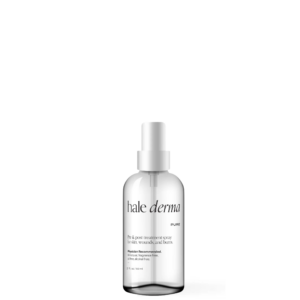
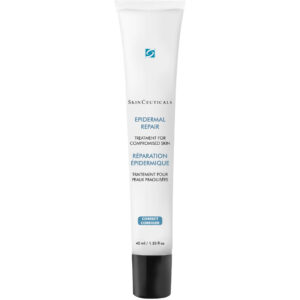
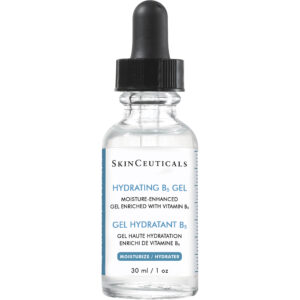
Recommended aftercare and skincare
The medical grade products our team uses to protect and extend your results. Shipped express across Canada, free over 150 dollars.
Ready to look into it properly?
Our consultation is free. We will look at your skin, give you an honest recommendation, and say so if a different treatment would suit you better.
Or call 416 923 1200 · 46 Fort York Blvd, CityPlace, Toronto
Questions about this treatment?
Ask us anything before you book. Consultations are free, and we will tell you honestly if a treatment is not right for you.