


Rosacea treatment at Bar Beauty Medical in Toronto costs $450 CAD per session using the Aerolase Neo Elite laser, which targets the vascular component without the heat of IPL. Most people need a series of about six sessions. There is no cure for rosacea, so treatment manages flushing and visible vessels rather than removing the condition.
| Treatment | Price (CAD) | What it covers |
|---|---|---|
| Aerolase Neo Elite, rosacea | $450 | Per session, targeting redness and visible vessels. |
| Six session course | $2,160 | The usual full course, works out to $360 per session. |
| Aerolase NeoSkin Custom Facial | $350 | For overall tone where redness is milder. |
| Single spot or small patch | $50 | One vessel or a very limited area. |
| Consultation | Free | Subtype assessment and a written plan. |
All prices are in Canadian dollars and are the published rates at Bar Beauty Medical, 46 Fort York Blvd, CityPlace, Toronto. Taken from our live booking system, verified 18 August 2026. Rosacea is a chronic condition. Treatment controls it, it does not cure it.
The seven rosacea treatments that actually work
Rosacea treatment begins with understanding that this chronic inflammatory skin condition affects over 16 million North Americans, causing persistent facial redness, visible blood vessels, and uncomfortable inflammation. If you're dealing with rosacea symptoms like burning sensations, red bumps, or flushing triggers that won't quit, you're not alone in searching for relief. At Bar Beauty Medical in Toronto, we see patients every day who've struggled with rosacea flare-ups and are ready for real solutions. The good news? Modern dermatology offers multiple effective treatments for rosacea that can significantly reduce redness and calm inflamed skin. Whether you're experiencing mild facial redness or dealing with severe rosacea with papules and pustules, medical treatments have evolved to target the root causes of this frustrating condition. This guide breaks down the most effective medical interventions that actually work for managing rosacea and restoring your skin's natural calm.
Understanding rosacea: why skin gets red, flushed and inflamed
Before diving into treatments, let's talk about what's actually happening when rosacea flares up. This chronic inflammatory condition affects the blood vessels in your face, causing them to dilate more easily than normal skin. That's why rosacea patients experience persistent redness, especially across the cheeks, nose, chin, and forehead.
There are four main rosacea subtypes that dermatologists recognize:
Erythematotelangiectatic rosacea shows up as persistent facial flushing with visible blood vessels (telangiectasia). You might notice your skin feels hot or stings during flare-ups.
Papulopustular rosacea looks similar to acne with red bumps and pus-filled lesions, but it's not the same as acne vulgaris. The inflammation happens differently, which is why acne treatments often don't work for rosacea.
Phymatous rosacea causes skin thickening, particularly on the nose (rhinophyma), and is more common in men.
Ocular rosacea affects the eyes, causing dryness, irritation, and redness around the eyelids.
Common rosacea triggers include sun exposure, hot beverages, spicy foods, alcohol, stress, and extreme temperatures. Your skin's natural barrier function becomes compromised with rosacea, making it more reactive to these triggers. The inflammation also involves an overactive immune response and sometimes an overgrowth of Demodex mites that live on skin.
Understanding your specific subtype and triggers helps your dermatologist create a targeted treatment plan that addresses your unique rosacea symptoms.
Prescription topical treatments: metronidazole, ivermectin and azelaic acid
Topical treatments form the foundation of most rosacea management plans. These prescription medications work directly on your skin to reduce inflammation, calm redness, and prevent flare-ups.
Metronidazole cream or gel is one of the most commonly prescribed topical antibiotics for rosacea. It reduces inflammation and has antimicrobial properties that help control bacterial overgrowth. You'll typically apply it once or twice daily, and most patients see improvement in redness and bumps within 4-6 weeks.
Azelaic acid works as both an anti-inflammatory and antimicrobial agent. It's particularly effective for papulopustular rosacea because it reduces the red bumps and inflammation while also addressing hyperpigmentation that sometimes accompanies chronic redness. Azelaic acid can cause some initial tingling, but your skin usually adjusts within a few weeks.
Ivermectin cream targets Demodex mites and inflammation simultaneously. Research shows it's highly effective for reducing inflammatory lesions and redness in rosacea patients. This prescription treatment has shown significant results in clinical trials for managing moderate to severe symptoms.
Brimonidine gel is a newer option that works differently from other topical treatments. It's a vasoconstrictor, meaning it temporarily tightens blood vessels to reduce facial redness. You'll see results within 30 minutes of application, lasting up to 12 hours. It's perfect for special occasions when you want quick redness reduction, though it doesn't treat the underlying inflammation.
Oxymetazoline cream is another vasoconstrictor approved specifically for persistent facial redness. It provides similar rapid relief by constricting dilated blood vessels.
Your dermatologist might combine multiple topical medications to address different aspects of your rosacea. The key is consistency these treatments work best when applied regularly as prescribed, not just during flare-ups.
Oral medication for rosacea: low dose doxycycline and isotretinoin
When topical treatments aren't enough to control moderate to severe rosacea, oral medications provide systemic relief that works from the inside out.
Doxycycline at low doses is the only FDA-approved oral antibiotic specifically for rosacea. Unlike higher doses used for infections, the 40mg modified-release formulation works through anti-inflammatory mechanisms rather than antimicrobial action. This means you get the inflammation-reducing benefits without the antibiotic resistance concerns. Most patients take it once daily and notice significant reduction in bumps and redness within 6-8 weeks.
Other oral antibiotics like minocycline, tetracycline, and erythromycin are sometimes prescribed off-label for rosacea. These medications reduce inflammatory lesions and calm the immune response that contributes to rosacea symptoms. Your dermatologist typically prescribes them for 8-12 weeks, then transitions you to maintenance therapy with topical treatments.
Isotretinoin (commonly known by the brand name Accutane) is reserved for severe rosacea cases that haven't responded to other treatments, particularly phymatous rosacea with significant skin thickening. It's powerful but requires careful monitoring due to potential side effects. However, for patients with severe symptoms, isotretinoin can provide life-changing results.
The advantage of oral medications is they treat rosacea systemically throughout your body, addressing inflammation at its source. They're particularly helpful when you have extensive facial involvement or when rosacea affects areas beyond just your face.
Your dermatologist will monitor your response and adjust dosages as needed. Many patients start with oral medication to get inflammation under control, then maintain results with topical treatments and lifestyle modifications.
Laser and light therapy: vascular laser, IPL and Nd:YAG for visible vessels
Laser treatments have revolutionized rosacea management, especially for patients dealing with visible blood vessels and persistent background redness that doesn't fully respond to medications.
Intense Pulsed Light (IPL) therapy uses broad-spectrum light to target the hemoglobin in dilated blood vessels. The light energy heats and destroys these vessels, reducing overall redness and flushing. Most patients need 3-5 treatment sessions spaced 4-6 weeks apart to see optimal results. IPL is incredibly effective for erythematotelangiectatic rosacea with those stubborn visible capillaries across your cheeks and nose.
Pulsed Dye Laser (PDL) therapy specifically targets blood vessels using yellow light wavelengths. It's highly effective for reducing both redness and visible telangiectasia. PDL treatments can cause temporary purpling (purpura) that lasts 5-10 days, but newer settings minimize this downtime while still delivering excellent results.
Nd:YAG lasers penetrate deeper into skin to treat larger blood vessels and diffuse redness. They're particularly useful for thicker skin or when blood vessels are deeper beneath the surface. This is the category Bar Beauty runs: our vascular laser is the Aerolase Neo Elite, a 1064 nm Nd:YAG. We also run the IPL described above, the InMode Lumecca, and it is a genuine option for the erythema and the fine telangiectasia of rosacea on Fitzpatrick I to III, case by case at IV with a test patch. It is not offered at V or VI, where the Aerolase does the same job without the burn risk. We do not operate a pulsed dye laser, and we refer out when that is the better tool, which includes port wine stains.
The beauty of laser treatments is they provide long-lasting reduction in redness and visible blood vessels results that topical and oral medications can't achieve. You'll still need to manage triggers and might continue some topical treatments, but lasers address the vascular component of rosacea that makes skin look perpetually flushed.
At Bar Beauty Medical, we customize laser protocols based on your specific rosacea presentation, skin tone, and treatment goals. Most patients describe the sensation as tiny rubber band snaps, with treatments taking 20-30 minutes. You might have some temporary redness and swelling for a day or two, but there's minimal downtime compared to the dramatic improvement in your skin's appearance.
Microneedling, chemical peels and barrier repair for rosacea
Beyond traditional medications and lasers, several advanced treatments complement your rosacea management plan.
Microneedling with radiofrequency combines controlled skin injury with RF energy to reduce inflammation, improve skin texture, and strengthen the compromised barrier function common in rosacea. When performed by experienced professionals using gentle settings appropriate for sensitive skin, microneedling can reduce redness, improve skin thickness, and decrease the appearance of enlarged pores that often accompany rosacea.
Gentle chemical peels using ingredients like lactic acid, mandelic acid, or low-percentage salicylic acid can help manage rosacea when carefully selected and properly administered. The key is avoiding aggressive peels that trigger inflammation. Mild peels can reduce bumps, improve skin texture, and help topical medications penetrate more effectively.
Medical-grade skincare focused on barrier repair is essential for all rosacea patients. Your compromised skin barrier makes you more reactive to triggers and treatments. Products containing ceramides, niacinamide, and centella asiatica help restore barrier function, reduce inflammation, and make your skin more resilient. We often recommend gentle cleansers, mineral-based sunscreens, and fragrance-free moisturizers specifically formulated for rosacea-prone skin.
LED light therapy using specific wavelengths (particularly yellow and red light) can reduce inflammation and promote healing without the intensity of laser treatments. While research is still emerging, many rosacea patients report improvement with regular LED sessions.
These complementary treatments work best when integrated into a comprehensive rosacea management plan that includes medical treatments, trigger avoidance, and appropriate skincare. The goal is strengthening your skin's natural defences while calming the chronic inflammation that drives rosacea symptoms.
Building a personalised rosacea treatment plan, from mild to severe
The most effective rosacea treatment approach combines multiple strategies tailored to your specific symptoms, triggers, and lifestyle.
Initial assessment with a dermatologist or medical aesthetics professional determines your rosacea subtype, severity, and primary concerns. Maybe you're most bothered by constant redness, or perhaps the bumps and pustules are affecting your confidence. Your treatment plan should prioritize what matters most to you.
Combination therapy typically delivers better results than single treatments alone. You might start with a topical prescription like metronidazole combined with gentle skincare, then add laser treatments to address visible blood vessels, while managing triggers through lifestyle modifications.
Treatment timeline varies by individual, but here's what to generally expect: Topical treatments show improvement in 4-8 weeks. Oral antibiotics work within 6-12 weeks. Laser treatments provide gradual improvement over 3-6 months with multiple sessions. The key is patience and consistency.
Maintenance therapy is crucial because rosacea is a chronic condition. Once you achieve control, you'll likely continue some form of treatment whether that's periodic laser sessions, daily topical medications, or strategic use of vasoconstrictors before events.
Trigger management remains important throughout your treatment journey. Even with excellent medical intervention, exposure to known triggers can cause flare-ups. Identifying and avoiding your specific triggers (heat, certain foods, stress, skincare ingredients) maximizes your treatment results.
Regular follow-up appointments allow your provider to adjust your plan based on how your skin responds. Rosacea treatment isn't one-size-fits-all, and what works beautifully for one patient might need tweaking for another.
Which rosacea treatment is right for your skin
Effective rosacea treatment exists, and you don't have to live with constant facial redness and inflammation. From prescription topical medications like metronidazole and azelaic acid to systemic options like low-dose doxycycline, modern dermatology offers multiple pathways to calm inflamed skin. Laser therapies including IPL and PDL provide long-lasting reduction in visible blood vessels and persistent redness that medications alone can't achieve. Advanced treatments like barrier-repair skincare and carefully selected procedures complement medical interventions for comprehensive rosacea management.
The key to successfully treating rosacea is working with experienced professionals who understand this complex inflammatory condition and can create a personalized treatment plan addressing your specific symptoms and triggers. Whether you're dealing with mild redness or severe papulopustular rosacea, combining the right medical treatments with proper skincare and trigger avoidance can dramatically improve your skin's appearance and your quality of life.
Ready to stop dealing with rosacea on your own? Book a consultation at Bar Beauty Medical in Toronto to explore which treatments are right for your skin. Our team specializes in creating customized rosacea management plans that actually work because you deserve skin that feels calm, looks clear, and lets your natural confidence shine through.
Ready when you are
Book Aerolase rosacea treatment
Free consultation, transparent pricing, licensed medical staff. Book online or call 416-923-1200.
What Rosacea Treatment Actually Does (And What It Does Not)
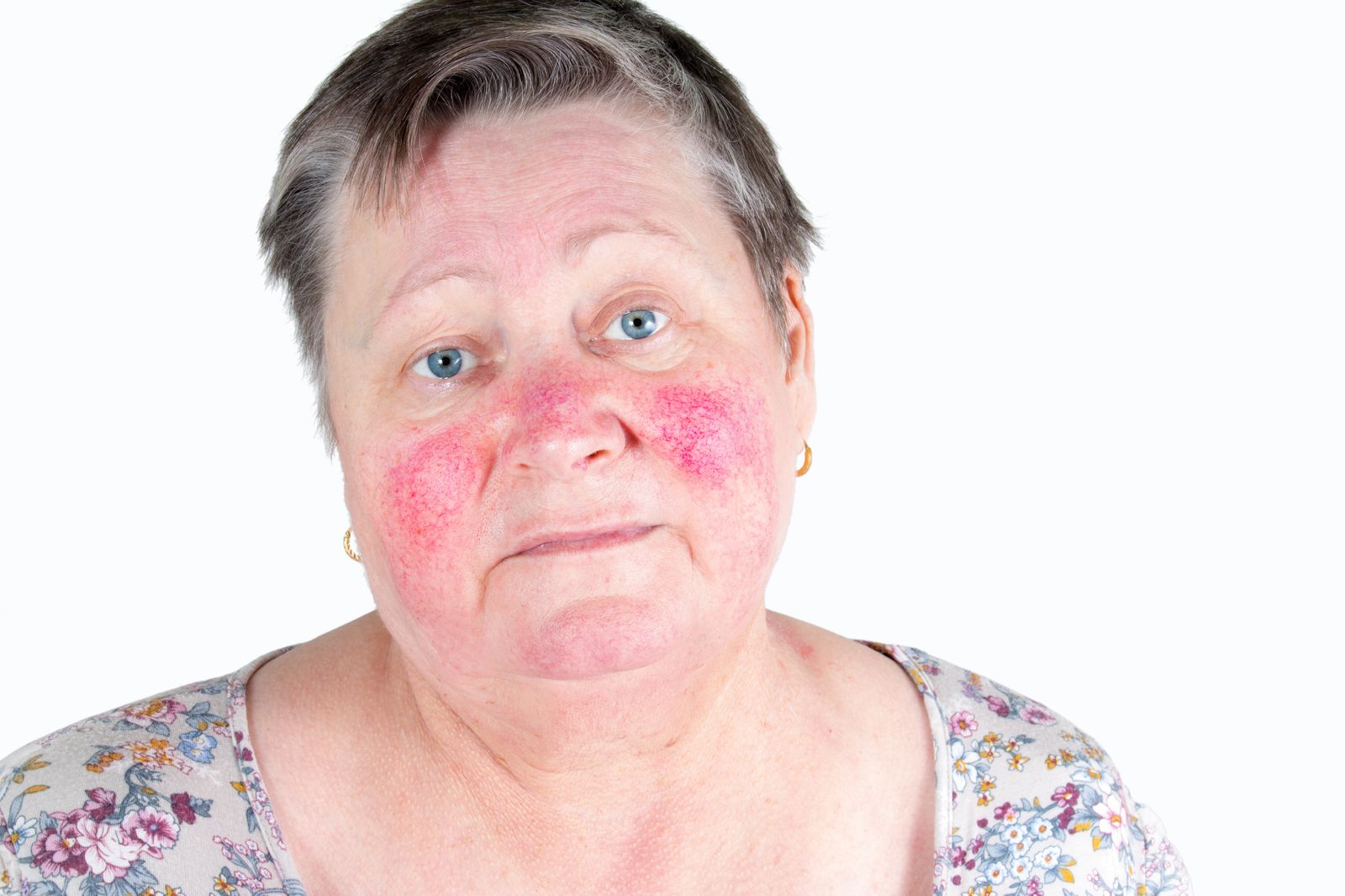
Most patients walk into a consultation with a mental picture of rosacea treatment borrowed from TikTok, an Instagram reel, or a friend’s before-and-after grid. Before we cover anything else in this guide, let us be specific about what medical rosacea treatment mechanically does inside the skin, the muscle, or the bloodstream, and where the realistic ceiling sits. This is the difference between a result you are thrilled with for 12 months and a result you feel you were sold rather than informed about.
At Bar Beauty Toronto the clinical protocol we follow for rosacea treatment is straightforward and we will say it in one line: IPL or Aerolase Neo + azelaic acid + barrier routine. That sentence covers the device or product, the dose range, the cadence, and the realistic series length. Everything else, the marketing copy, the influencer testimonials, the one-and-done promises, is noise wrapped around that protocol. When you read the rest of this guide, anchor back to that line.
What rosacea treatment does not do: it does not replace surgical correction in patients who genuinely need a surgical solution, it does not stop the underlying aging cascade (collagen loss, bone resorption, fat pad descent, hormonal shifts in perimenopause), and it does not work identically on every Fitzpatrick skin type. Anyone who tells you otherwise is selling, not assessing. For the device-level detail, pricing, and current promotional pricing, read the full treatment page on our site.
Who This Treatment Is For, And Who It Is Not For
The honest list of ideal candidates for rosacea treatment includes: flushing, persistent erythema, papulopustular flares, ocular rosacea, perimenopausal triggers. Outside of those profiles, results drop noticeably, the risk profile climbs, or both. We routinely turn patients away in consultation when the clinical math does not work, and we will explain to you in writing exactly why. This is not a sales meeting. It is a medical assessment.
How we screen during consultation
Every consult begins with a full medical history covering current medications (particularly blood thinners, immunosuppressants, isotretinoin within the last six months), allergies, autoimmune diagnoses, pregnancy or breastfeeding status, prior cosmetic treatments with photos when available, recent dental procedures or planned surgeries, and a detailed goals conversation in your own words. We document baseline standardised photography under controlled lighting so we can measure change objectively rather than relying on memory.
Red Flags: When to Walk Out of a Consultation
These are not opinions. These are the things that should make you cancel the appointment, forfeit the deposit if you have to, and leave. Aesthetic medicine in Ontario is loosely regulated compared to surgery, which means consumer vigilance is part of the job.
Red flag #1: No real medical intake
If the consult is the injector glancing at your face for ninety seconds and quoting a price, leave. A real consult covers medications (especially blood thinners, isotretinoin history within six months, recent or planned dental work, autoimmune flares), pregnancy and breastfeeding status, allergies, prior cosmetic history with photos if you have them, and your goals articulated in your own words rather than ticked off a checklist.
Red flag #2: Pressure to book today
Today-only pricing on injectables or device treatments is a sales tactic, not clinical urgency. Real medical pricing does not expire at midnight. If you feel rushed, you are being rushed for a reason that benefits the clinic, not you.
Red flag #3: No written aftercare and no emergency line
You should leave the clinic with a phone number that reaches an actual clinician, not a receptionist or an answering service, if something looks wrong at nine p.m. on a Sunday. Vascular occlusion from filler, for example, has roughly a ninety-minute window where intervention is most effective. Ask before you book: who do I call after hours, and what is the typical response time?
Red flag #4: Device or product they will not name
If they cannot or will not tell you the device model, the product brand, the lot number, and where it was sourced from before you sit down in the treatment chair, that is a Health Canada problem waiting to happen and you should not be the case study.
Red flag #5: The everything-bagel upsell
A good injector solves one concern at a time, validates the result at follow-up, and only then discusses adjuncts. A bad one tries to sell you the entire menu on day one because the financial incentive runs the other way.
Red flag #6: Before-and-after photos that all look the same
If every before photo is a glum, downcast, harsh-lit shot and every after is a smiling, well-lit, professionally-edited image, you are looking at photography tricks, not clinical results. Ask to see standardised photo pairs taken under identical conditions.
Frequently Asked Questions
How soon will I see results?
Initial change is usually visible within the timeline described on our treatment page, with peak results typically eight to twelve weeks later depending on the protocol and your individual response. Photo-document at baseline, week four, week eight, and week twelve so you can compare objectively rather than relying on memory or the mirror.
How long do results last?
Duration depends on your metabolism, hormonal status, sun exposure, sleep quality, lifestyle factors, and whether you commit to a maintenance plan. A patient in perimenopause will not get the same duration as a twenty-eight-year-old on the same protocol, and that is normal physiology, not a failure of treatment. We discuss your realistic duration in the consult, including the range we have observed across our patient panel.
Does it hurt?
Discomfort varies significantly by treatment and personal pain threshold. We use topical anaesthetic, ice, vibration distraction, or nerve blocks where appropriate. Most patients rate discomfort two to four on a ten-point scale. We will never minimise a patient’s experience of pain, if something hurts more than expected we stop and reassess.
Is there downtime?
Downtime ranges from zero (walk in, walk out, go straight back to work or a meeting) to a few days of visible redness, swelling, or pinpoint bruising depending on the protocol. Detailed downtime is documented on the treatment page and we will confirm in your consult so you can plan around social and work commitments.
What are the real risks?
Every medical treatment has risk. Common: bruising, swelling, tenderness at the treatment site. Uncommon: asymmetry that may require a touch-up, prolonged redness, post-inflammatory hyperpigmentation in darker skin types if device settings are wrong. Rare but serious: vascular events with fillers, infection, allergic reaction. We disclose all of these in writing on a consent form before treatment, and we go through them verbally too.
Can I combine this with other treatments?
Often yes, but sequencing matters and timing matters. Some treatments need two to six weeks between them, some can be stacked the same day. We build a twelve-month plan in your first consult, not just a single appointment, so the sequencing is intentional.
Is this safe in pregnancy or breastfeeding?
Most cosmetic medical treatments are deferred during pregnancy and breastfeeding out of an abundance of caution given the limited safety data in these populations. Specifics depend on the treatment, but we will not treat in these windows without obstetric clearance, and for most aesthetic treatments we recommend waiting.
What if I do not like the result?
For reversible treatments (HA fillers can be dissolved with hyaluronidase, for example) we have an explicit reversal protocol documented in your file. For non-reversible treatments, we under-treat first by design and add more at follow-up. The goal is never to need a reversal.
How is Bar Beauty different from a med-spa chain?
Physician-led oversight, registered nurse injectors with named credentials, written protocols reviewed twice yearly, transparent device and product sourcing with lot numbers documented in your chart, and we publish our standards publicly. You can read our team page and book a consult before committing to anything.
Do you treat all skin types safely?
Yes. Our device parameters are adjusted for Fitzpatrick types I through VI and we have specific protocols for melanin-rich skin to avoid post-inflammatory hyperpigmentation. Ask to see our before-and-after gallery in your specific skin tone before you book, if we cannot show you, that itself is information.
Where are you located and which areas do you serve?
Bar Beauty serves the Greater Toronto Area including Toronto, Mississauga, Vaughan, Markham, Richmond Hill, Oakville, Burlington, and Etobicoke. Parking is two free spots at the clinic, first come first served, plus public parking beside the Sobeys at Fort York Blvd and Telegram Mews, TTC-accessible, evening and Saturday appointments available for patients commuting from outside the core.
How do I book a consult?
Book a consultation through our treatment page or call the clinic directly. Your first consult is dedicated clinical time with a registered nurse or physician, not a sales rep.
Will you refuse to treat me if I am not a good candidate?
Yes, and we have done so many times. If your concern is better addressed by a different modality, a different clinic, or a surgical referral, we will tell you and where appropriate we will refer you out with our notes attached.
Booking Your Consult at Bar Beauty Toronto
The consultation is the most important appointment in this entire process. It is where we decide together whether rosacea treatment is the right tool for the concern you brought in, whether you are a good candidate medically, what the realistic twelve-month plan looks like, and what it will actually cost you all-in. We do not book treatments without a consult first, and we will tell you honestly if you should see a different provider or pursue a different modality. Start with the treatment page or call us directly to set up a time that works for your schedule.
Ready to look into it properly?
Our consultation is free. We will look at your skin, give you an honest recommendation, and say so if a different treatment would suit you better.
Or call 416 923 1200 · 46 Fort York Blvd, CityPlace, Toronto
Questions about this treatment?
Ask us anything before you book. Consultations are free, and we will tell you honestly if a treatment is not right for you.