


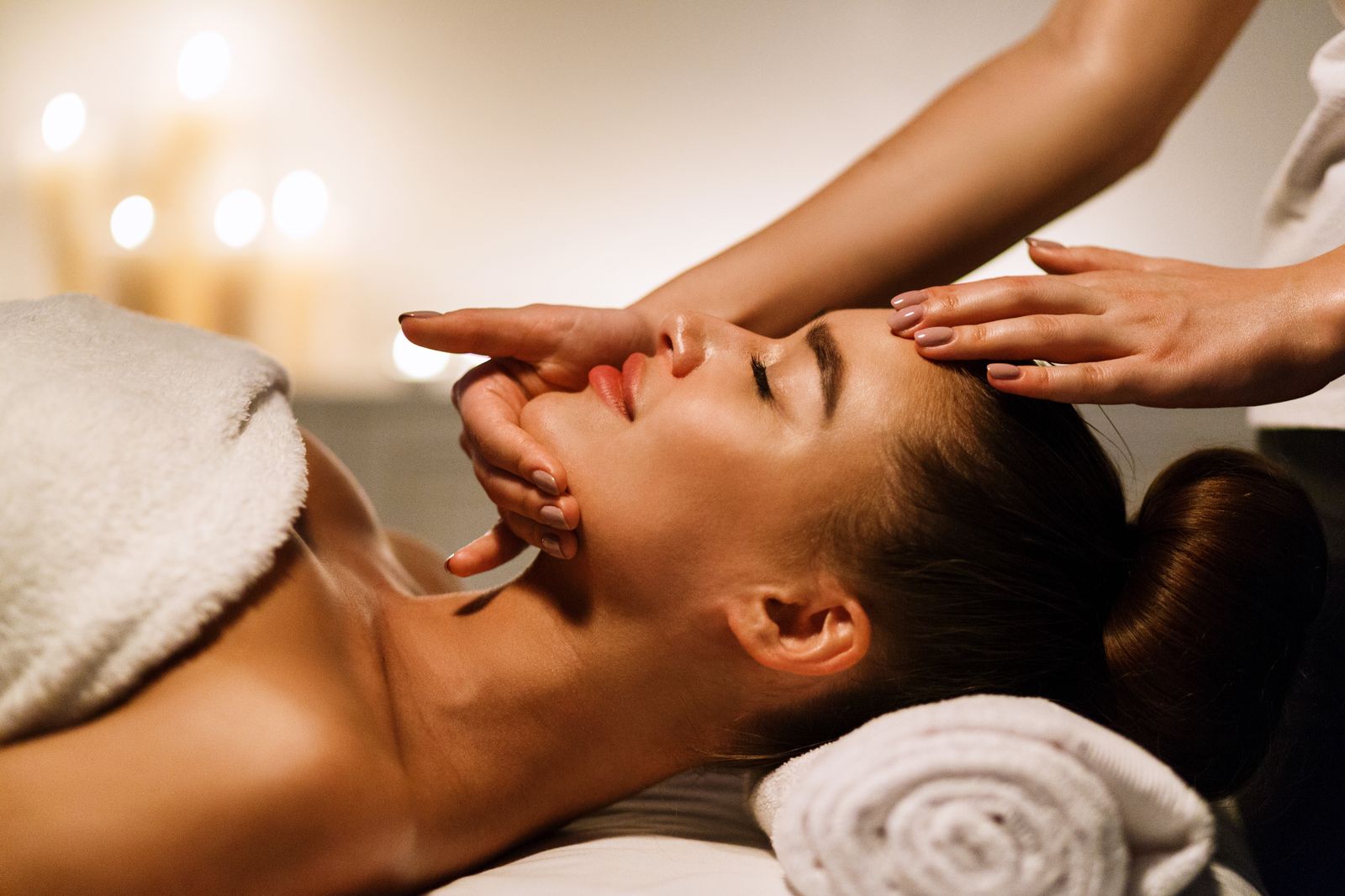
Extraction and Decongestion Facials: Your Complete Guide to Clearer, Healthier Skin
If you've been dealing with stubborn blackheads, congested pores, or breakouts that just won't quit, an extraction facial might be exactly what your skin needs. These specialized decongestion treatments go beyond your typical facial by manually removing the buildup that's clogging your pores and preventing your skin from looking its best. Whether you're dealing with occasional congestion or more persistent acne concerns, understanding how professional extractions work can help you make the right choice for your skin. At Bar Beauty Medical, we've seen firsthand how the right deep cleansing facial can transform not just your complexion, but your confidence too.
What Exactly Happens During an Extraction Facial
An extraction facial is a professional skincare treatment focused on removing impurities, blackheads, and congestion directly from your pores. Unlike regular facials that primarily focus on surface-level cleansing and hydration, extraction treatments specifically target the buildup trapped beneath your skin's surface that causes those frustrating bumps and dark spots.
The process starts with thorough cleansing to remove makeup, sunscreen, and surface debris. Your esthetician will then apply steam or warm towels to soften the skin and open up your pores, making the extraction process more comfortable and effective. This preparation phase is crucial because it loosens the hardened sebum, dead skin cells, and debris that have been sitting in your pores.
During the actual extraction portion, your skincare professional uses either gloved fingers with gauze or specialized extraction tools to gently apply pressure around clogged pores. The goal isn't to squeeze or force anything out, but rather to coax the blockage free with proper technique. A skilled esthetician knows exactly how much pressure to apply and when to leave certain blemishes alone to avoid scarring or damage.
After extractions are complete, the treatment typically includes a calming mask, high-frequency therapy to kill bacteria, and protective serums to restore your skin's pH balance. This post-extraction care is just as important as the extractions themselves because it prevents new breakouts from forming and helps your skin heal properly.
The Real Benefits of Professional Pore Decongestion
Getting regular decongestion facials offers benefits that extend far beyond just removing a few blackheads. First and foremost, these treatments drastically improve your skin's texture and clarity. When pores are clear of buildup, your complexion looks smoother, more even-toned, and noticeably brighter. That dull, congested look gets replaced with skin that actually reflects light properly.
One of the most underrated advantages is how much better your skincare products work after an extraction facial. When dead skin cells and sebum are clogging your pores, even the most expensive serums and treatments can't penetrate effectively. Once those blockages are removed, your acids, retinols, and hydrating products can actually reach the deeper layers of skin where they're supposed to work. You'll often notice your at-home routine becomes way more effective after professional extractions.
For people dealing with acne-prone or oily skin, decongestion treatments help regulate oil production over time. It might sound counterintuitive, but when your pores are constantly clogged, your skin sometimes overproduces oil to compensate. By keeping pores clear, you can actually help normalize your skin's sebum levels and reduce that shiny T-zone that appears by midday.
There's also the preventative aspect to consider. Regular extraction facials help catch congestion before it turns into inflamed acne. Those little bumps you can feel under your skin? If left alone, they often develop into full-blown breakouts. Professional extractions remove that buildup before it becomes a bigger problem, meaning fewer inflammatory pimples and less potential for scarring down the line.
Blackheads, Whiteheads, and What Can Actually Be Extracted
Not every blemish is a good candidate for extraction, and understanding the difference can save your skin from unnecessary damage. Blackheads, technically called open comedones, are the ideal targets for professional extraction. These appear as dark spots on your skin, typically concentrated around your nose, chin, and forehead. The dark color isn't actually dirt (despite what many people think), but rather oxidized sebum and dead skin cells exposed to air. Because blackheads have an open pore, they can be safely removed without breaking the skin's surface.
Whiteheads present a different situation. These closed comedones are covered by a thin layer of skin, which makes extraction trickier and riskier. While some superficial whiteheads can be safely extracted by experienced estheticians, many professionals prefer to avoid them because extracting closed blemishes increases the risk of scarring, infection, and pushing bacteria deeper into the skin. Instead, they'll often recommend spot treatments, chemical peels, or LED light therapy to help whiteheads resolve naturally.
Deep cystic acne, inflamed pustules, and any blemishes that feel painful or hot to the touch should never be extracted. These types of breakouts involve inflammation deep in the dermis, and attempting to extract them can cause serious scarring or spread infection. Your esthetician will recognize these and work around them, focusing instead on safely clearing out blackheads and surface-level congestion.
The key takeaway here is that professional extraction facials specifically target the impurities that can be safely removed. A skilled esthetician won't try to extract everything they see; they'll work strategically to clear what's safely accessible while using other treatment modalities for deeper concerns.
How Extraction Facials Differ from At-Home Pore Strips and DIY Methods
We've all been tempted to go after a blackhead at home, whether with a pore strip, extraction tool, or just our fingers. While the satisfaction of removing a blockage yourself is real, the difference between at-home attempts and professional extractions is significant and worth understanding.
Professional estheticians undergo extensive training on skin anatomy, proper extraction techniques, and sterile procedures. They know how to read different skin types, understand what level of pressure is appropriate, and can recognize when a blemish shouldn't be touched at all. This expertise prevents the collateral damage that often happens with DIY extractions things like broken capillaries, scarring, hyperpigmentation, and pushing bacteria deeper into the skin.
The tools matter too. Medical-grade extraction implements are designed with precise angles and sterilized properly between uses. When you're using your fingernails or random tools at home, you're introducing bacteria to opened pores, which can lead to new infections and breakouts. Even if you see popular extraction tools marketed for home use, they're rarely used correctly without proper training.
Pore strips might seem like a gentler alternative, but they only remove the very surface layer of blackheads while leaving the deeper plugs intact. They can also be quite harsh on sensitive skin and potentially enlarge pores over time with repeated use. Professional decongestion facials, on the other hand, fully clear the pore while minimizing trauma to the surrounding tissue.
Perhaps most importantly, professional treatments include critical before and after care. The pre-extraction prep (cleansing, steaming, enzymatic exfoliation) makes the process easier and more effective. The post-extraction protocols (antibacterial treatments, calming masks, barrier repair) prevent complications and help your skin heal properly. When you extract at home, you're skipping all of these protective steps.
What to Expect During Your First Decongestion Treatment
Walking into your first extraction facial can feel a bit nerve-wracking, especially if you've heard that extractions hurt or you're worried about how your skin will look afterward. Here's what actually happens so you know exactly what to expect.
Your appointment will typically start with a consultation where your esthetician asks about your skin concerns, current routine, and any sensitivities or medications. Be honest about everything certain products like retinoids or acids can make your skin more delicate, and your professional needs to know this before working on your face.
The treatment begins with a double cleanse to remove all traces of makeup, sunscreen, and surface oils. This step is more thorough than your at-home cleansing and sets the foundation for everything that follows. Next comes the prep work, usually steam or warm compresses combined with a gentle enzymatic exfoliant. This phase typically lasts about 10 to 15 minutes and should feel relaxing, not uncomfortable.
When it's time for extractions, your esthetician will dim the lights and use a bright magnifying lamp to see your pores clearly. They'll usually offer eye covers since that light can be intense. The actual extraction process involves gentle, controlled pressure applied around each clogged pore. Most people describe the sensation as slightly uncomfortable but not painful, think of it as pressure with occasional quick pinches. If something genuinely hurts, speak up immediately. Pain usually indicates too much pressure or an inappropriate extraction attempt.
The extraction portion usually takes 10 to 20 minutes depending on how much congestion you have. Afterward, your skin will likely look red and possibly a bit swollen, which is completely normal. Your esthetician will apply calming treatments like a hydrating mask, high-frequency therapy, or LED light to reduce inflammation. The redness typically subsides within a few hours, though sensitive skin might stay pink until the next morning.
Before you leave, you'll get specific aftercare instructions. Generally, you'll want to avoid touching your face, skip heavy makeup for 24 hours, and stay away from harsh exfoliants or active ingredients immediately after treatment. Your skin has essentially gone through a deep-cleaning workout, so treat it gently while it recovers.
How Often You Should Get Professional Extractions for Optimal Results
The frequency of extraction facials really depends on your individual skin type, level of congestion, and how your skin responds to treatment. For most people dealing with regular blackheads and oiliness, monthly decongestion facials work best. This four-to-six-week interval aligns with your skin's natural renewal cycle and prevents congestion from building up to problematic levels.
If you're dealing with more severe acne or extremely congested skin, you might benefit from extractions every three weeks initially until your skin clears up, then transition to monthly maintenance treatments. On the flip side, people with sensitive or dry skin who only experience occasional congestion might only need professional extractions every 8 to 12 weeks.
Consistency matters more than frequency. Getting an extraction facial once and expecting permanent results isn't realistic because your skin continuously produces oil and sheds dead cells. Regular appointments prevent that buildup from accumulating and turning into the kind of congestion that requires more aggressive treatment.
Between professional treatments, maintaining a solid at-home routine is essential. Daily cleansing with a gentle, pH-balanced cleanser removes surface debris before it has a chance to clog pores. Using chemical exfoliants like salicylic acid or glycolic acid a few times per week helps prevent dead skin cells from building up. And yes, moisturizing is crucial even if you have oily skin, dehydrated skin actually makes extractions harder and more uncomfortable because the skin lacks flexibility.
Over-extracting can damage your skin. Getting facials too frequently can lead to chronic irritation, weakened capillaries, and even more breakouts as your skin tries to repair itself constantly. Trust your esthetician's recommendations about timing, and don't push for more frequent treatments just because you want faster results.
Choosing the Right Decongestion Facial for Your Skin Type
Not all extraction facials are created equal, and the best treatment for you depends heavily on your skin's unique characteristics. Understanding your skin type helps you and your esthetician select the most effective approach.
For oily and acne-prone skin, traditional extraction facials paired with deep-cleansing treatments work wonderfully. These typically include salicylic acid peels or clay masks that help draw out excess sebum while the extractions clear existing blockages. Many professionals will also incorporate LED blue light therapy, which kills acne-causing bacteria and helps prevent new breakouts after extractions.
Combination skin requires a more balanced approach. Your esthetician might focus extractions on your T-zone (where oil production is highest) while using gentler, more hydrating treatments on your cheeks. The goal is to decongest without stripping moisture from the drier areas of your face.
If you have sensitive skin, extractions are still possible but need to be approached carefully. Your esthetician should use minimal steam, extremely gentle pressure, and focus on only the most necessary extractions. Post-treatment should emphasize calming and anti-inflammatory ingredients like chamomile, aloe, or centella asiatica. These facials might take longer because they require more careful work, but they're absolutely possible when done correctly.
For mature or dry skin experiencing congestion, hydrating extraction facials that incorporate gentle exfoliation and deeply moisturizing masks work best. The key is maintaining your skin's moisture barrier while still addressing the congestion. Enzyme peels are often better than acid-based options for this skin type because they're less likely to cause irritation or dryness.
People dealing with hyperpigmentation or melasma need to be particularly careful with extraction facials. While extractions themselves don't cause dark spots, any inflammation or trauma to the skin can trigger post-inflammatory hyperpigmentation in people prone to it. Working with an experienced esthetician who understands how to minimize trauma during extractions is crucial for these skin concerns.
Making Extraction Facials Part of Your Long-Term Skincare Strategy
Professional extraction and decongestion facials aren't just a luxury spa treatment they're an investment in your skin's long-term health and appearance. By removing the buildup that your at-home routine can't quite handle, these treatments keep your complexion clear, your pores refined, and your skin functioning at its best. The key is viewing extractions as part of a bigger picture that includes consistent daily care, appropriate products for your skin type, and regular professional maintenance.
When you work with experienced professionals who understand proper extraction techniques, you're getting more than just a facial you're getting expertise that protects your skin from the damage that DIY attempts often cause. Clear, congestion-free skin doesn't happen overnight, but with the right combination of professional treatments and at-home maintenance, you can absolutely achieve the smooth, glowing complexion you're after.
Ready to experience the difference professional extraction facials can make? At Bar Beauty Medical, our skilled estheticians customize each decongestion treatment to your unique skin needs, ensuring you get results without compromising your skin's health. Book your consultation today and take the first step toward clearer, healthier skin that makes you feel confident.
Ready when you are
Book Extract & Decongest facial
Free consultation, transparent pricing, licensed medical staff. Book online or call 416-923-1200.
An extraction and decongestion facial at Bar Beauty Medical in Toronto costs $160 CAD. The advanced version, which adds deeper decongestion, is $280. Hydrabrasion Deluxe is $170 and an Oxygen Glass Facial is $200.
| Treatment | Price (CAD) | What it covers |
|---|---|---|
| Extract & Decongest | $160 | Cleansing and manual extraction for congested skin. |
| Advanced Decongest Facial | $280 | A longer, deeper protocol for stubborn congestion. |
| Hydrabrasion Deluxe | $170 | Water based resurfacing and hydration. |
| Oxygen Glass Facial | $200 | Oxygen infusion for radiance before an event. |
| Dermaplaning | $200 | Physical exfoliation and vellus hair removal. |
| Consultation | Free | Skin assessment and a written quote. |
All prices are in Canadian dollars and are the current published rates at Bar Beauty Medical, 46 Fort York Blvd, CityPlace, Toronto. Taken from our live booking system, verified 18 August 2026.
What Extraction & Decongestion Facials Actually Does (And What It Does Not)
Most patients walk into a consultation with a mental picture of extraction & decongestion facials borrowed from TikTok, an Instagram reel, or a friend’s before-and-after grid. Before we cover anything else in this guide, let us be specific about what extraction and decongestion facial mechanically does inside the skin, the muscle, or the bloodstream, and where the realistic ceiling sits. This is the difference between a result you are thrilled with for 12 months and a result you feel you were sold rather than informed about.
At Bar Beauty Toronto the clinical protocol we follow for extraction & decongestion facials is straightforward and we will say it in one line: Hydra-Dermabrasion + manual extraction + LED + salicylic peel. That sentence covers the device or product, the dose range, the cadence, and the realistic series length. Everything else, the marketing copy, the influencer testimonials, the one-and-done promises, is noise wrapped around that protocol. When you read the rest of this guide, anchor back to that line.
What extraction & decongestion facials does not do: it does not replace surgical correction in patients who genuinely need a surgical solution, it does not stop the underlying aging cascade (collagen loss, bone resorption, fat pad descent, hormonal shifts in perimenopause), and it does not work identically on every Fitzpatrick skin type. Anyone who tells you otherwise is selling, not assessing. For the device-level detail, pricing, and current promotional pricing, read the full treatment page on our site.
Who This Treatment Is For, And Who It Is Not For
The honest list of ideal candidates for extraction & decongestion facials includes: congested pores, blackheads, sebaceous filaments, maskne, perimenopausal hormonal acne. Outside of those profiles, results drop noticeably, the risk profile climbs, or both. We routinely turn patients away in consultation when the clinical math does not work, and we will explain to you in writing exactly why. This is not a sales meeting. It is a medical assessment.
How we screen during consultation
Every consult begins with a full medical history covering current medications (particularly blood thinners, immunosuppressants, isotretinoin within the last six months), allergies, autoimmune diagnoses, pregnancy or breastfeeding status, prior cosmetic treatments with photos when available, recent dental procedures or planned surgeries, and a detailed goals conversation in your own words. We document baseline standardised photography under controlled lighting so we can measure change objectively rather than relying on memory.
Red Flags: When to Walk Out of a Consultation
These are not opinions. These are the things that should make you cancel the appointment, forfeit the deposit if you have to, and leave. Aesthetic medicine in Ontario is loosely regulated compared to surgery, which means consumer vigilance is part of the job.
Red flag #1: No real medical intake
If the consult is the injector glancing at your face for ninety seconds and quoting a price, leave. A real consult covers medications (especially blood thinners, isotretinoin history within six months, recent or planned dental work, autoimmune flares), pregnancy and breastfeeding status, allergies, prior cosmetic history with photos if you have them, and your goals articulated in your own words rather than ticked off a checklist.
Red flag #2: Pressure to book today
Today-only pricing on injectables or device treatments is a sales tactic, not clinical urgency. Real medical pricing does not expire at midnight. If you feel rushed, you are being rushed for a reason that benefits the clinic, not you.
Red flag #3: No written aftercare and no emergency line
You should leave the clinic with a phone number that reaches an actual clinician, not a receptionist or an answering service, if something looks wrong at nine p.m. on a Sunday. Vascular occlusion from filler, for example, has roughly a ninety-minute window where intervention is most effective. Ask before you book: who do I call after hours, and what is the typical response time?
Red flag #4: Device or product they will not name
If they cannot or will not tell you the device model, the product brand, the lot number, and where it was sourced from before you sit down in the treatment chair, that is a Health Canada problem waiting to happen and you should not be the case study.
Red flag #5: The everything-bagel upsell
A good injector solves one concern at a time, validates the result at follow-up, and only then discusses adjuncts. A bad one tries to sell you the entire menu on day one because the financial incentive runs the other way.
Red flag #6: Before-and-after photos that all look the same
If every before photo is a glum, downcast, harsh-lit shot and every after is a smiling, well-lit, professionally-edited image, you are looking at photography tricks, not clinical results. Ask to see standardised photo pairs taken under identical conditions.
Frequently Asked Questions
How soon will I see results?
Initial change is usually visible within the timeline described on our treatment page, with peak results typically eight to twelve weeks later depending on the protocol and your individual response. Photo-document at baseline, week four, week eight, and week twelve so you can compare objectively rather than relying on memory or the mirror.
How long do results last?
Duration depends on your metabolism, hormonal status, sun exposure, sleep quality, lifestyle factors, and whether you commit to a maintenance plan. A patient in perimenopause will not get the same duration as a twenty-eight-year-old on the same protocol, and that is normal physiology, not a failure of treatment. We discuss your realistic duration in the consult, including the range we have observed across our patient panel.
Does it hurt?
Discomfort varies significantly by treatment and personal pain threshold. We use topical anaesthetic, ice, vibration distraction, or nerve blocks where appropriate. Most patients rate discomfort two to four on a ten-point scale. We will never minimise a patient’s experience of pain, if something hurts more than expected we stop and reassess.
Is there downtime?
Downtime ranges from zero (walk in, walk out, go straight back to work or a meeting) to a few days of visible redness, swelling, or pinpoint bruising depending on the protocol. Detailed downtime is documented on the treatment page and we will confirm in your consult so you can plan around social and work commitments.
What are the real risks?
Every medical treatment has risk. Common: bruising, swelling, tenderness at the treatment site. Uncommon: asymmetry that may require a touch-up, prolonged redness, post-inflammatory hyperpigmentation in darker skin types if device settings are wrong. Rare but serious: vascular events with fillers, infection, allergic reaction. We disclose all of these in writing on a consent form before treatment, and we go through them verbally too.
Can I combine this with other treatments?
Often yes, but sequencing matters and timing matters. Some treatments need two to six weeks between them, some can be stacked the same day. We build a twelve-month plan in your first consult, not just a single appointment, so the sequencing is intentional.
Is this safe in pregnancy or breastfeeding?
Most cosmetic medical treatments are deferred during pregnancy and breastfeeding out of an abundance of caution given the limited safety data in these populations. Specifics depend on the treatment, but we will not treat in these windows without obstetric clearance, and for most aesthetic treatments we recommend waiting.
What if I do not like the result?
For reversible treatments (HA fillers can be dissolved with hyaluronidase, for example) we have an explicit reversal protocol documented in your file. For non-reversible treatments, we under-treat first by design and add more at follow-up. The goal is never to need a reversal.
How is Bar Beauty different from a med-spa chain?
Physician-led oversight, registered nurse injectors with named credentials, written protocols reviewed twice yearly, transparent device and product sourcing with lot numbers documented in your chart, and we publish our standards publicly. You can read our team page and book a consult before committing to anything.
Do you treat all skin types safely?
Yes. Our device parameters are adjusted for Fitzpatrick types I through VI and we have specific protocols for melanin-rich skin to avoid post-inflammatory hyperpigmentation. Ask to see our before-and-after gallery in your specific skin tone before you book, if we cannot show you, that itself is information.
Where are you located and which areas do you serve?
Bar Beauty serves the Greater Toronto Area including Toronto, Mississauga, Vaughan, Markham, Richmond Hill, Oakville, Burlington, and Etobicoke. Parking is two free spots at the clinic, first come first served, plus public parking beside the Sobeys at Fort York Blvd and Telegram Mews, TTC-accessible, evening and Saturday appointments available for patients commuting from outside the core.
How do I book a consult?
Book a consultation through our treatment page or call the clinic directly. Your first consult is dedicated clinical time with a registered nurse or physician, not a sales rep.
Will you refuse to treat me if I am not a good candidate?
Yes, and we have done so many times. If your concern is better addressed by a different modality, a different clinic, or a surgical referral, we will tell you and where appropriate we will refer you out with our notes attached.
Booking Your Consult at Bar Beauty Toronto
The consultation is the most important appointment in this entire process. It is where we decide together whether extraction & decongestion facials is the right tool for the concern you brought in, whether you are a good candidate medically, what the realistic twelve-month plan looks like, and what it will actually cost you all-in. We do not book treatments without a consult first, and we will tell you honestly if you should see a different provider or pursue a different modality. Start with the treatment page or call us directly to set up a time that works for your schedule.
The Préime DermaFacial runs a dedicated purify stage with salicylic acid under vacuum, then follows it with microdermabrasion and ultrasound delivery in the same appointment.
Ready to look into it properly?
Our consultation is free. We will look at your skin, give you an honest recommendation, and say so if a different treatment would suit you better.
Or call 416 923 1200 · 46 Fort York Blvd, CityPlace, Toronto
Questions about this treatment?
Ask us anything before you book. Consultations are free, and we will tell you honestly if a treatment is not right for you.