


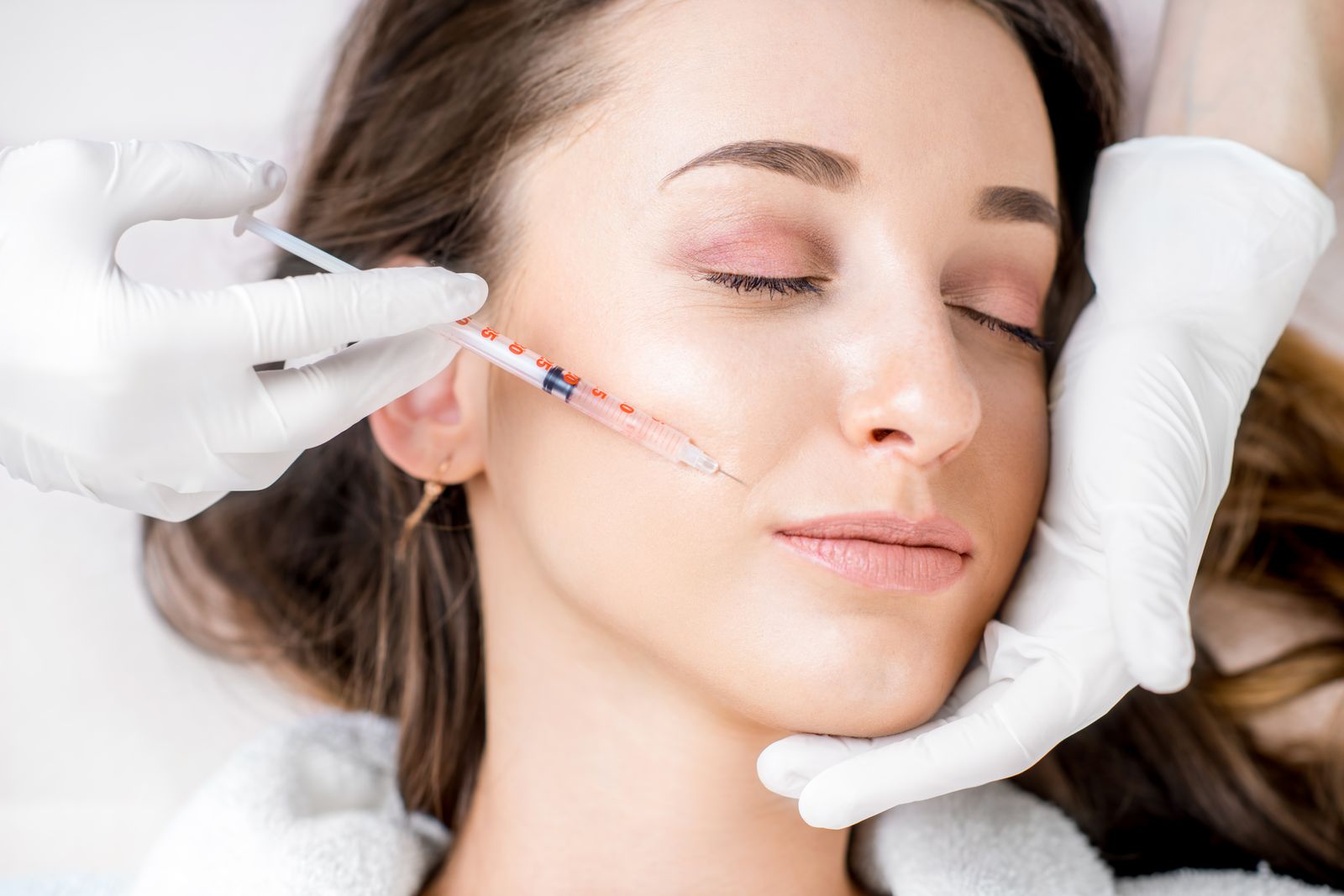
The short answer: no. At Bar Beauty Medical Toronto we don’t perform Botox or filler treatments on patients who are pregnant or breastfeeding. Here’s the medical reasoning.
The answer is no and it has no nuanced version. Bar Beauty Medical does not perform Botox or filler on anyone pregnant or breastfeeding, because botulinum toxin sits in Pregnancy Category C and the risk-benefit calculation never favours an elective cosmetic result. The half worth knowing is the other one: a good deal of the menu stays open, and there is a specific point at which injectables come back.
| Treatment | During pregnancy and breastfeeding | Detail |
|---|---|---|
| Botulinum toxin, any brand | No | Deferred for cosmetic indications throughout. Most patients resume 4 to 6 weeks after breastfeeding ends, or 4 to 6 weeks postpartum if not breastfeeding. |
| Hyaluronic acid filler, lips included | No | Same answer. Hyaluronic acid occurs naturally in the body, but the infection risk and the stress of the procedure are not worth carrying for an elective result. |
| Hydration-focused facials | Yes | No actives. Hydrabrasion Deluxe is on the pregnancy-safe list here. |
| Vitamin C and antioxidant topicals, mineral SPF | Yes | Worth prioritising rather than merely allowing, because melasma often appears for the first time during pregnancy. |
| Retinols, salicylic acid above 2%, benzoyl peroxide | No | Off the routine for the duration. Hyaluronic acid, niacinamide and zinc oxide sunscreen stay on. |
| Lymphatic massage for facial puffiness | Yes, referred out | We send you to a massage therapist rather than doing it here. |
If you were treated before you knew you were pregnant, the published evidence does not support a measurable increase in risk. Tell your OB-GYN, and stop further treatment until afterwards. If a Toronto clinic offers to inject you while you are pregnant, leave.
The official guidance
Health Canada and the FDA classify Botox as Pregnancy Category C. That means animal studies have shown adverse effects but there’s no well-controlled human studies. In plain English: it might be fine, but no one wants to be the trial.
The American Society of Plastic Surgeons, American Society of Aesthetic Plastic Surgery, and every reputable medical aesthetic association recommends against elective Botox during pregnancy and lactation.
The theoretical risks
- Crossing the placenta. Botulinum toxin is large enough that most studies suggest it doesn’t cross, but “most” isn’t “all.”
- Effect on breast milk. Unknown. There are no studies because nobody runs randomized trials on pregnant patients for elective cosmetics.
- Stress on the body. Even minor injection stress increases cortisol slightly, which is best avoided during pregnancy.
What we recommend instead
For Toronto patients who are pregnant or breastfeeding, we focus on safe alternatives:
- Pregnancy-safe facials. Hydration-focused, no actives. Hydrabrasion Deluxe at our clinic is fully safe during pregnancy.
- SPF + topical antioxidants. Vitamin C serums (like SkinCeuticals CE Ferulic) are safe during pregnancy and great for melasma which often shows up during this time.
- Pregnancy-safe skincare. Focus on hyaluronic acid, niacinamide, and zinc oxide SPF. Avoid retinols, salicylic acid above 2%, and benzoyl peroxide.
- Lymphatic massage. Reduces facial puffiness without any injection. We refer out to massage therapists.
When can you resume Botox after pregnancy?
Most patients resume Botox 4-6 weeks after they finish breastfeeding. If you’re not breastfeeding, 4-6 weeks postpartum is typical, once your hormones have stabilized.
What about lip fillers during pregnancy?
Same answer. Even though hyaluronic acid is naturally found in your body, the small infection risk and stress of the procedure aren’t worth taking during pregnancy.
Real talk from our clinic
If a clinic in Toronto offers to do Botox or filler while you’re pregnant, walk out. They’re either misinformed or willing to take unnecessary risk for revenue. Neither is what you want from a medical aesthetic provider.
FAQ
I didn’t know I was pregnant and had Botox last month. Should I panic?
No. Many women have done this and have healthy pregnancies. Talk to your OB-GYN openly. Discontinue further treatments until after pregnancy.
Can I get Botox while trying to conceive?
Most clinics including ours wait until pregnancy is ruled out. If you’re actively trying, plan your last Botox session for the start of a cycle.
What about while breastfeeding?
Same restriction. Wait until breastfeeding ends.
Looking for pregnancy-safe aesthetic care in Toronto? Book a custom facial consultation and we’ll build a safe protocol for you.
What Botox While Pregnant in Toronto Actually Does
Strip away the marketing language and Botox While Pregnant in Toronto is a clinical intervention with a measurable mechanism of action. Most patients arrive at BarBeauty with second-hand information collected from social media, friends, and competitor consults and most of that information is partially correct and dangerously incomplete. The point of this section is to give you the same mechanistic framing we give our injectors during onboarding so that you can evaluate any clinic, including ours, on the same vocabulary.
At a tissue level, the treatment interacts with one or more of four targets: skeletal muscle, dermis, subcutaneous fat, or vascular structures. The order in which those targets respond and the proportion of the response that is immediate versus delayed is what determines downtime, longevity, and revision rate. Patients who do not understand the target end up disappointed by the timeline; patients who do understand it are calm, compliant, and report 5-star experiences.
Primary Mechanism
The primary mechanism for Botox While Pregnant in Toronto is well-characterized in the peer-reviewed literature, with mechanism-of-action data from product monograph studies, device IFUs, and independent clinical trials. We summarize the consensus mechanism, then layer on the clinical observations we have collected in clinic. The combination of pharmacology, biomechanics, and pattern recognition is what allows our injectors to choose a product, a dose, and a depth with confidence.
Secondary Mechanism
Secondary mechanisms neocollagenesis, lymphatic drainage modulation, micro-injury healing cascades are what extend the result beyond the immediate window. Patients who treat the secondary mechanism as the actual product, rather than the immediate visible change, see better long-term outcomes and require fewer touch-up appointments per year. This is the single biggest mindset shift between a one-time consumer and a long-term member of our medical aesthetics program.
What It Does Not Do
Botox While Pregnant in Toronto does not stop time, does not fix every concern, and does not substitute for skincare, sleep, sunscreen, or skeletal structure. We will tell you in consult when another treatment is a better fit, even when that means referring out to a dermatologist, plastic surgeon, oculoplastic specialist, or hair restoration physician. Our job is to be honest about what the procedure can and cannot do anything else is a long-term reputational liability for the clinic.
Health Canada and Pregnancy: What the Monograph Says
Botulinum toxin type A (onabotulinumtoxinA, abobotulinumtoxinA, incobotulinumtoxinA, prabotulinumtoxinA) is classified by Health Canada and the U.S. FDA as Pregnancy Category C. The product monographs for the three brands we use, Botox, Dysport and Nuceiva, explicitly state that the product should not be used during pregnancy unless the potential benefit justifies the potential risk to the fetus. For purely cosmetic indications, there is no clinical scenario in which the benefit-risk calculation favours treatment.
The published evidence base is small. A 2016 Allergan-sponsored pregnancy registry of 396 onabotulinumtoxinA exposures during pregnancy did not detect a signal of increased major malformation rate above background, but the registry was not powered to detect smaller signals. The conservative clinical position, supported by the Society of Obstetricians and Gynaecologists of Canada and by every major Canadian dermatology society, is to defer all cosmetic botulinum toxin during pregnancy and lactation.
If You Were Treated Before You Knew You Were Pregnant
The half-life of botulinum toxin in tissue is short most of the local effect is complete within 24 to 72 hours of injection and the systemic exposure is negligible at cosmetic doses. If you were treated in the first 1 to 4 weeks of pregnancy before a positive test, the published evidence does not support a measurable increase in fetal risk, and elective abortion is not indicated on the basis of toxin exposure alone. Discuss with your OB or family physician, who may also refer you to MotherToBaby (Organization of Teratology Information Specialists) for a personalized risk assessment.
Safe Alternatives During Pregnancy and Breastfeeding
Topical Skincare Considered Pregnancy-Safe
Azelaic acid, glycolic acid at low concentrations, lactic acid, vitamin C (L-ascorbic acid), niacinamide, hyaluronic acid serums, mineral sunscreen with zinc oxide and titanium dioxide, and bakuchiol (a plant-based retinol alternative) are generally considered low-risk during pregnancy. Confirm with your OB.
Topical Skincare to Avoid
Topical and oral retinoids (tretinoin, adapalene, tazarotene, isotretinoin), high-dose salicylic acid, hydroquinone, formaldehyde-releasing preservatives, and chemical sunscreens with oxybenzone are best avoided during pregnancy and breastfeeding.
In-Clinic Treatments Considered Lower-Risk
Manual facials, gentle enzyme exfoliation, lymphatic drainage massage, LED light therapy at low fluence, and cool sculpting-style cosmetic ice tools are generally well-tolerated. We avoid all energy-based devices, injectable products, and medical-grade chemical peels during pregnancy and lactation by default and require written OB clearance for any deviation from that policy.
Breastfeeding: When to Resume
There is no consensus delay published in Canadian guidelines. The pragmatic clinical convention in our practice is to wait until the patient has finished breastfeeding or is at least 8 weeks past weaning before resuming cosmetic toxin, because milk supply, sleep, and hormonal volume changes in the postpartum face make pre-pregnancy dosing patterns unreliable. We re-photograph and re-map at the resumption appointment rather than copying the pre-pregnancy chart.
When to Consult a Physician Immediately
If you received any cosmetic injectable, energy-based treatment, or chemical peel and discovered you were pregnant, contact your OB or family physician within 7 days for a documented risk assessment. If you experienced any systemic symptom generalized weakness, difficulty swallowing, blurred vision, breathing difficulty after toxin injection at any life stage, this is a medical emergency: call 911 or present to your nearest emergency department immediately.
Red Flags: When to Walk Out of a Toronto Clinic
The Greater Toronto Area has roughly 600 clinics offering medical aesthetics, and the regulatory floor CNO registration for nurses, CPSO for physicians, Health Canada approval for products is necessary but not sufficient. Below is the same checklist we give friends and family when they ask where to go in a city where our own clinic is fully booked.
- Price quoted before assessment. A flat per-unit or per-syringe price quoted on the phone before anyone has examined your anatomy is a marketing tactic, not a treatment plan. Walk out.
- No written consent reviewed line-by-line. Consent is a conversation, not a clipboard. If you are handed a form and rushed to sign, the clinic is exposed and so are you.
- No emergency reversal protocol on premises. For dermal fillers, hyaluronidase must be stocked, in date, and within reach. Ask to see it. A clinic that hesitates is a clinic you do not want injecting near your blood vessels.
- Injector who cannot name the product brand and lot. Every Health Canada-approved injectable has a lot number recorded in your chart. If your injector cannot tell you the brand and batch, your chart is not being kept to standard.
- Pressure to upsell add-ons during the appointment. A reputable clinic discusses the plan in consult, not on the treatment chair when your face is numb and you are vulnerable to pressure.
- Lifetime warranty or guaranteed results. No ethical medical professional guarantees a biological outcome. These phrases violate CNO and CPSO advertising standards and should be reported.
- Groupon, ClassPass, or stacked discount codes for injectables. Deep discounting on prescription-grade product is a sign of grey-market sourcing. Ask which product you are getting and look it up with Health Canada: drugs such as Botox have a DIN, fillers have a medical device licence. If the clinic will not tell you, leave.
- No 24/7 contact for complications. You should leave with a direct phone number for the injector or medical director, not a generic info inbox.
Paying For Treatment: HSA, OHIP, and CRA
Medical aesthetic treatments are generally elective and not covered by OHIP, but the financial picture has more nuance than most clinics admit. Below is what we tell patients during consult so they can make informed decisions and document everything correctly at tax time.
Health Spending Accounts (HSA)
If you own a corporation or are an incorporated professional, an HSA can route certain medically necessary treatments through the corporation as a non-taxable benefit. Botulinum toxin for hyperhidrosis, migraine, bruxism, and TMJ may qualify under CRA Form T2201 guidance with a physician letter. Purely cosmetic treatment does not. We provide itemized HSA-formatted receipts on request at no charge.
OHIP
OHIP does not cover cosmetic procedures. It can cover medically necessary botulinum toxin for diagnoses such as chronic migraine, focal hyperhidrosis with failed first-line therapy, blepharospasm, cervical dystonia, and post-stroke spasticity when the prescription is written by a neurologist, dermatologist, or other qualifying specialist. We are happy to coordinate with your referring physician.
CRA Medical Expense Tax Credit (METC)
Treatments performed for the purpose of treating a medical condition not for purely cosmetic purposes may be claimable under the Medical Expense Tax Credit. The CRA published guidance on cosmetic procedures (Income Tax Folio S1-F1-C1) is the authoritative source. We provide CRA-formatted receipts annually on request.
Insurance and Extended Health Benefits
Major Canadian insurers Sun Life, Manulife, Canada Life, Green Shield, Equitable Life, Desjardins have specific medical-necessity criteria for botulinum toxin and related therapies. We help patients package the documentation required for adjudication. Approval is never guaranteed and is at the insurer discretion.
Areas Served Across the Greater Toronto Area
Bar Beauty Medical is located at 46 Fort York Blvd in CityPlace, in downtown Toronto near Fort York and the waterfront, a short streetcar ride from Union Station. We see patients from across the Greater Toronto Area, including Toronto, North York, Scarborough, Etobicoke, Mississauga, Vaughan, Markham, and Richmond Hill.
How to Book a Consultation at BarBeauty Toronto
We require an in-person or virtual consultation before any first-time medical aesthetics treatment. Consultations are quick to book online and focused on a proper medical assessment, not a sales pitch.
To book, visit our online scheduler, call 416-923-1200, or email info@barbeauty.ca. Mention this Botox While Pregnant in Toronto article and our coordinator will route you to the injector with the most relevant experience for your concern.
What to bring: a list of your current medications and supplements (especially blood thinners, fish oil, vitamin E, NSAIDs, retinoids, and any GLP-1 agonist), any prior treatment receipts from other clinics if available, and 2 to 3 reference photographs that represent the kind of result you find natural and appealing. We will provide standardized clinical photography during your visit.
Frequently Asked Questions
Is this treatment safe for first-time patients in Toronto?
Yes, when performed by a CNO-registered nurse or CPSO-registered physician at a reputable clinic with a written consent, in-date emergency reversal protocol, and standardized photography. At BarBeauty we treat hundreds of first-time patients each year.
How long does the treatment take from arrival to leaving the clinic?
Plan for 60 to 90 minutes for a first visit, which includes consultation review, photography, consent, numbing, treatment, and post-care education.
How long will the result last?
Longevity depends on the product, the zone, your metabolism, your sleep, your sun exposure, and your maintenance schedule. We publish category-specific longevity ranges on this page.
Can I have this treatment if I am pregnant or breastfeeding?
Most cosmetic injectables and energy-based devices are deferred during pregnancy and lactation. We can recommend pregnancy-safe alternatives and rebook you for cosmetic treatment after weaning.
Do you offer financing?
Yes. Both can pre-qualify you in under two minutes without a hard credit pull. Affirm financing is available for qualifying plans.
Will this treatment be covered by my insurance or OHIP?
Cosmetic indications are not covered. Medical indications such as chronic migraine or focal hyperhidrosis with the appropriate specialist referral may be eligible for coverage.
What happens if I have a complication?
You leave with a direct phone number for the treating injector and our medical director. We see complications within 24 hours.
How do I prepare for the appointment?
Stop fish oil, vitamin E, and elective NSAIDs for 7 to 14 days; avoid alcohol for 24 hours; sleep well; eat a real meal beforehand.
What is included when I book a treatment?
Your visit includes a proper consultation, the product, consumables, and a follow-up check. We do not list treatment prices in this article; for current pricing, see our price list. Botox is $10 per unit.
How do I know the product is genuine and Health Canada approved?
Every product we use has a Health Canada Drug Identification Number (DIN) or medical device licence, the lot number is recorded in your chart, and the receipt itemizes the brand.
Can I combine this with other treatments at the same visit?
Often yes. We sequence treatments based on tissue response and your treatment plan will sequence each visit.
How do I book a consultation?
Online via barbeauty.ca, by calling 416-923-1200, or by emailing info@barbeauty.ca. Online booking is the fastest route.
Ready to look into it properly?
Our consultation is free. We will look at your skin, give you an honest recommendation, and say so if a different treatment would suit you better.
Or call 416 923 1200 · 46 Fort York Blvd, CityPlace, Toronto
Questions about this treatment?
Ask us anything before you book. Consultations are free, and we will tell you honestly if a treatment is not right for you.