


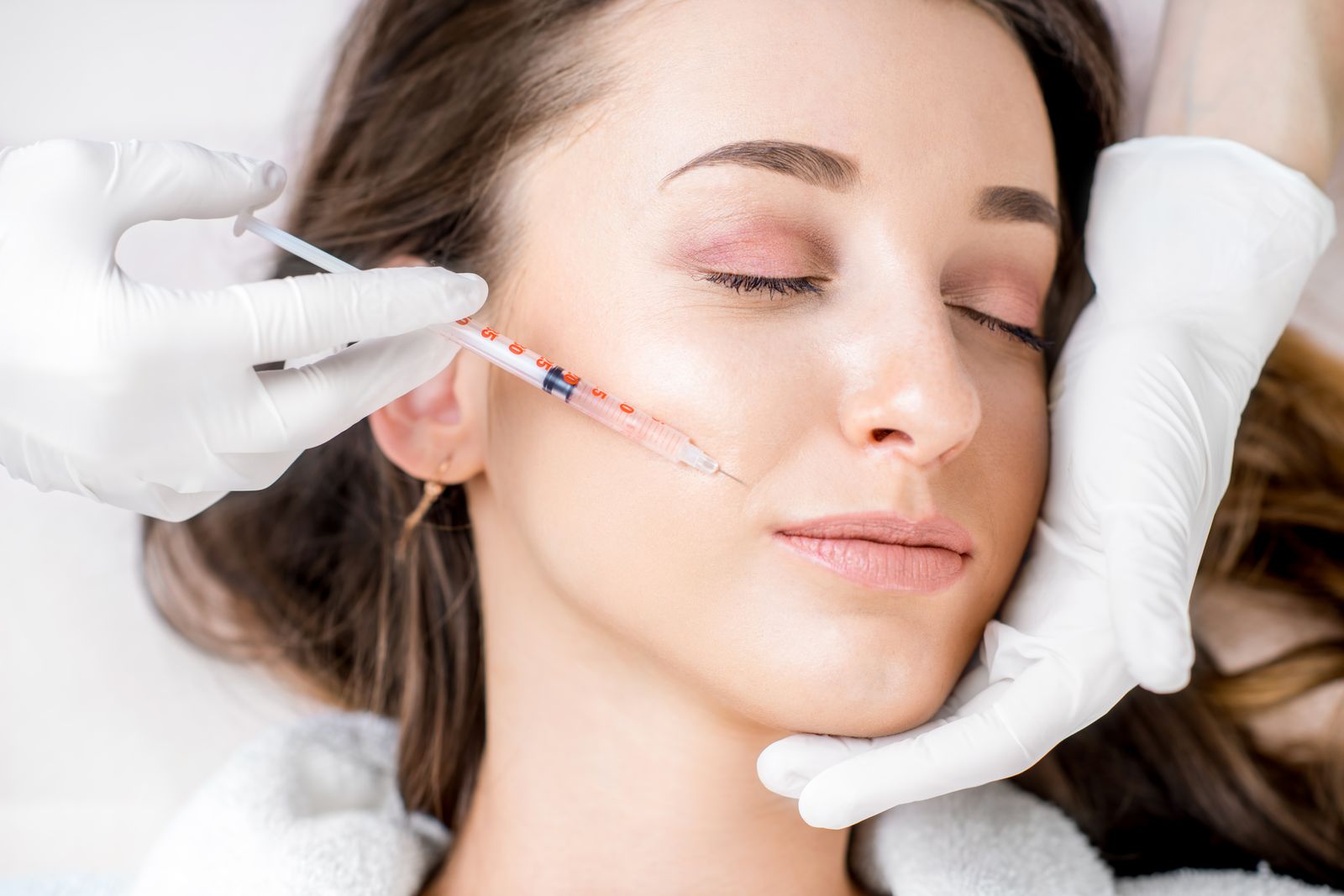
Cutting to it: most Botox treatments last 3 to 4 months. But several factors can push that window shorter or longer, and knowing them helps you plan your next appointment without surprises.
Three to four months is the answer to the wrong question. What actually decides how well Botox works for you over years is when you book the next one. Rebooking around month 3.5, before the muscle has fully switched back on, means every cycle starts from a weaker muscle than the last. Waiting until the movement has completely returned means starting from scratch each time.
| When you rebook | What state the muscle is in | What it does to the next cycle |
|---|---|---|
| Month 3 to 3.5, before movement fully returns | Still partly relaxed from the previous dose | The pattern we recommend. Each round starts from a weaker muscle, and the window between appointments tends to stretch over the years |
| Once it has completely worn off | Fully reactivated, back to where it started | You begin at baseline again every time, which is why treatment can feel like it is working less well than it used to |
| Too early, chasing stillness | Never allowed to recover between doses | This page is blunt about it: durable claims of six months and more usually mean the dose was too high, and that is what produces the frozen look |
| Every cycle with the same brand across years | A small share of patients build a neutralising antibody response | Rotating between Botox and Dysport every few cycles is the usual answer here |
| Not at all, you stop | Full function returns as new neuromuscular junctions form over 8 to 16 weeks | Nothing is left behind and nothing is permanent. The lines go back to where they were heading |
Areas do not fade at the same rate on the same face. The glabella, the masseter and the crow’s feet wear off ahead of the forehead because those muscles work harder. First-time patients commonly report 14 to 16 weeks, longer than repeat patients get. Botox is $10 CAD per unit here.
The typical timeline
After a Botox session at our Toronto clinic, you’ll see softening of expression lines starting around days 3 to 5. Full results appear by day 14. From there, results plateau for roughly 8 to 12 weeks, then gradually fade as the neurotoxin metabolizes. By month 4, most people are ready for a touch-up.
What makes Botox wear off faster
- Higher metabolism. Active people who work out 4+ times a week often see results fade closer to month 3 instead of month 4.
- Lower dose. Going under-treated to “see how it looks” almost guarantees faster fade.
- Strong muscle activity. The 11s, masseter, and crow’s feet all wear off faster because those muscles work harder than the forehead.
- Body’s antibody response. A small percentage of patients develop tolerance over time. Switching between Botox and Dysport every few cycles can help.
What makes Botox last longer
- Consistent treatment. Patients on a regular 3-4 month schedule often see longer windows over time as the treated muscles weaken.
- Adequate dosing. Forehead lines typically need 10-20 units; the 11s need 15-25; crow’s feet need 8-12 per side.
- Avoiding heat and strenuous exercise for 24 hours post-treatment.
When to book your next appointment
We generally recommend booking your next Botox session at month 3.5 to avoid letting muscles fully reactivate before treatment. If you wait until results are completely gone, you’re essentially starting from scratch each time.
What does Botox cost in Toronto?
At Bar Beauty Medical, Botox is priced at $10 per unit. A standard forehead treatment runs 15-25 units. For per-visit pricing, see our price list or our full Botox guide for area-by-area dosing recommendations and pricing.
Frequently asked questions
Does Botox last longer the more you get it?
Often, yes. Long-term consistent Botox can train the muscle to stay relaxed even between sessions. Some patients eventually stretch to 5 or 6 months between treatments.
Will my Botox last through a vacation in 4 months?
Probably right at the edge. Book a touch-up appointment for 1-2 weeks before you leave to make sure results are fresh.
Can I exercise right after Botox?
Skip the gym for 24 hours and avoid lying flat for 4 hours post-treatment. After that, normal activity is fine.
Book a complimentary Botox consultation with a licensed injector at Bar Beauty Medical, located at 46 Fort York Blvd in downtown Toronto.
Related at Bar Beauty Medical: Botox in Toronto · Forehead Botox · Masseter Botox for TMJ
Ready to book? Our licensed nurse injectors at CityPlace Fort York handle the consultation and treatment in one visit, average appointment under 25 minutes. Schedule online or call 416-923-1200.
The most-asked question in our consultation room is also the most over-simplified answer on the internet. Three to four months is the boilerplate response, and it is technically true for the first treatment, in the average patient, in the average treatment area. It is also misleading because Botox duration varies dramatically based on the muscle treated, the unit dose, the injector technique, your metabolism, your exercise intensity, your stress level, and whether you have built up neutralizing antibodies from years of injections. Some of our patients see results last six months; others metabolize neurotoxin in eight weeks. This guide explains why.
We have been administering Botox at BarBeauty and currently complete roughly 4,600 neurotoxin treatments per year across Botox Cosmetic, Dysport, and Nuceiva. The data we have accumulated allows us to predict, with reasonable accuracy, how long your specific treatment will last based on seven variables. This guide walks through each variable, the realistic timeline for first-time versus repeat patients, the differences between the four neurotoxins available in Canada, the maintenance scheduling approach we use to balance optimal results against cost, and the realistic 2026 pricing including financing options.
What Botox actually does (the unfiltered explanation)
Botox is botulinum toxin type A, a purified protein that temporarily blocks the release of acetylcholine at the neuromuscular junction, preventing targeted muscles from contracting. The muscle does not atrophy; it simply rests. As the body regenerates new neuromuscular junctions (a natural process taking 8 to 16 weeks), full muscle function returns and you book your next treatment.
The mechanism, step by step
The injector uses a 32G needle to place small volumes (0.05 to 0.1 mL per point) into specific muscle motor points. Onset begins at day 3, peaks at day 14. The toxin is metabolized at the nerve terminal level by the SNAP-25 protein turnover cycle; nerve sprouting and new junction formation re-enables muscle function gradually between weeks 10 and 16. The visible aesthetic effect (wrinkle softening) lags muscle recovery by 2 to 4 weeks because superficial dermal smoothing persists briefly after muscle activity returns.
What it does not do
Botox does not erase static wrinkles that are etched into the skin (those require microneedling, fractional laser, or filler). It does not give a brow lift if the underlying anatomy is significantly drooping. It does not last forever; longer claims (6+ months durably) suggest excessive dosing that produces frozen appearance. It cannot be reversed once injected; you wait for it to wear off (typically 12 to 16 weeks).
Red flags: When to walk out of the consult
Toronto’s medical aesthetics market is large and standards vary widely. Our RN injectors at Bar Beauty Medical in CityPlace have catalogued the warning signs that almost always predict a bad outcome. If you spot any of the following during your consult, leave and book elsewhere.
- No medical history form. If the clinic does not collect a written intake covering autoimmune disease, anticoagulants, recent vaccinations, and prior aesthetic procedures, they are skipping a Health Canada compliance step.
- Pricing posted “per syringe” with no unit count. Reputable clinics quote per Health Canada-regulated unit (Botox, Dysport, Nuceiva) or per millilitre of cross-linked hyaluronic acid.
- The injector cannot name the lot number. Every vial of neurotoxin and HA filler carries a lot and expiry. You can ask to see it. If the answer is vague, the product chain of custody is suspect.
- Pressure to add a second treatment same-day. Upselling Morpheus8 on top of a filler consult, before the skin has healed and before consent is properly documented, is not how a careful clinic works.
- No emergency hyaluronidase on site. Any clinic doing HA filler must stock hyaluronidase to reverse a vascular occlusion within minutes. Ask. Watch the answer.
- No physician medical director listed publicly. Ontario regulation requires nurse injectors to work under a delegated medical directive from an MD. The MD’s name should appear on the clinic website.
Paying for treatment: HSA, OHIP, and CRA rules
Aesthetic treatment in Ontario is rarely covered by OHIP because most procedures are classified as elective and cosmetic rather than medically necessary. That said, there are five legitimate paths to reduce the out-of-pocket cost, and we walk every patient through them at consultation.
Health Spending Accounts (HSA)
If you are self-employed, incorporated, or work for an employer offering a flexible HSA, you can often submit aesthetic-medicine receipts where the treatment has a documented medical indication, for example, hyperhidrosis Botox, scar revision Morpheus8, or migraine-related neurotoxin. The receipt must be issued by a regulated health professional (RN, NP, or MD) and itemized with the CPT-equivalent code. We provide HSA-compatible receipts on request.
OHIP coverage (rare but real)
OHIP will cover neurotoxin for documented severe primary axillary hyperhidrosis, chronic migraine (with a neurologist referral and failed first-line therapy), cervical dystonia, and blepharospasm. OHIP does not cover any cosmetic indication. We can refer you to a covering specialist if you suspect a billable diagnosis.
CRA medical expense tax credit
The Canada Revenue Agency permits a medical-expense tax credit (METC) for procedures performed by an authorized medical practitioner where there is a medical (not cosmetic) purpose. Keep itemized receipts, the practitioner’s licence number, and a note of medical indication. Speak to your accountant, METC interpretation has tightened since the 2023 federal budget.
More Botox longevity questions
How long does my first Botox treatment usually last?
First-time patients commonly report 14 to 16 weeks of result, slightly longer than repeat patients. This is because the body has not yet built any tolerance or accommodation.
Why is my Botox wearing off faster than expected?
Common reasons: high-intensity exercise within 24 hours post-treatment (increased metabolic clearance), saunas or steam rooms within 24 hours, dosing too low for the muscle mass, antibody resistance after years of use, or naturally fast metabolism. We adjust at follow-up.
How much does Botox cost per unit in Toronto?
Bar Beauty Medical charges $10 per unit for Botox Cosmetic. Dysport is dosed in its own units (roughly a 3:1 conversion to Botox units), so the per-unit numbers are not directly comparable; we will walk you through the unit count for your plan at your visit. For full pricing, see our price list. Other neurotoxins are price-matched per Botox-equivalent unit.
Is Botox safe for long-term use?
Botox has been in clinical use since 1989 and aesthetic use since 2002. The long-term safety profile is excellent. The only documented long-term concern is antibody formation in roughly 1% of patients which can reduce response; we mitigate by alternating products.
Should I do baby Botox or full doses?
Depends on goals. Baby Botox (50 to 60% of standard dose) preserves more natural movement but lasts only 8 to 10 weeks. Full doses last 14 to 16 weeks and produce stronger smoothing. Both are valid; we discuss your preference at consultation.
How long does masseter Botox last for jaw slimming?
Masseter Botox lasts 5 to 6 months, significantly longer than facial Botox because the masseter is a larger muscle and recovery takes longer. Visible jaw slimming peaks at 3 to 4 months.
What is the rule of 3 in Botox?
It is an informal rule of thumb, not an official guideline. People use it to remember that Botox takes about 3 days to start working, results build over about 3 weeks, and a treatment lasts roughly 3 to 4 months before you are due again. Your own timeline depends on dose, the muscle treated, and your metabolism, and we map it out for you at your appointment at Bar Beauty Medical in CityPlace.
Will Botox stop working over time?
About 1% of patients develop neutralizing antibodies that reduce response to Botox specifically. Switching brand can restore response. We carry Botox, Dysport and Nuceiva, and we do not carry Xeomin, so where true Botox resistance is documented that is a conversation for your consult.
What happens if I stop getting Botox?
Your muscle function returns to baseline within 14 to 16 weeks. Wrinkles return to their pre-treatment depth. There is no rebound or worsening. Static wrinkles that were etched in over years may have softened slightly during treatment but will not deepen beyond original.
Can I exercise after Botox?
Avoid strenuous exercise for 24 hours post-injection. Exercise increases circulation and metabolic rate, which can accelerate toxin clearance and reduce durability. Light walking is fine.
How does Botox compare to Dysport, and Nuceiva?
All four are botulinum toxin type A; differences are in protein structure and onset speed. Dysport: faster onset (24 to 48 h), diffuses slightly more (good for forehead). Nuceiva: newer Canadian-approved option, similar profile to Botox. Xeomin, which we do not carry, is a pure toxin with no complexing proteins. We help select from what we carry, Botox, Dysport and Nuceiva, based on your history.
Will Botox affect my smile or expression?
Properly placed Botox does not eliminate expression, it softens hyperactive muscles while preserving natural movement. Over-dosing or imprecise placement can produce a frozen look. Choose an experienced injector and discuss your preferred level of expressive preservation at consultation.
Common Mistakes Patients Make With Botox longevity in Toronto
After more than a decade of treating Toronto patients, we see the same handful of avoidable mistakes derail otherwise excellent results. Most of these are not the patient’s fault, they are the predictable downstream effects of confusing online information, low-quality consultations elsewhere, and the natural urge to chase the lowest sticker price. Knowing the traps in advance saves time, money, and (in some cases) skin.
Mistake 1: Choosing a clinic based on price alone
The Toronto Botox longevity market includes everything from injector apprentices working out of basement suites to physician-led medical practices. The cheapest quote in your inbox is almost always a junior provider working with the lowest-margin product, often diluted, often without an emergency plan if a complication arises. We routinely correct work from these clinics, it is more expensive to dissolve, revise, or rebuild a result than it is to get it right the first time. Ask who is performing the treatment, what their formal training is, what the medical director’s credentials are, and what the complication protocol looks like.
Mistake 2: Skipping the consultation or treating consultations as sales calls
A real medical consultation is a 30 to 60 minute structured conversation that includes medical history, photo documentation, skin analysis, and a written plan. If you are booked into a consultation that is really a 10-minute upsell on a discounted package, you are not in a medical environment. At Bar Beauty Medical, complimentary consultations are conducted by the same clinician who would perform your treatment, never a sales coordinator working off a commission sheet.
Mistake 3: Chasing a single dramatic session instead of a plan
Most regenerative and resurfacing modalities, including Botox longevity, are designed to be staged over a series. Patients who insist on a single make-me-look-great-for-the-wedding session typically under-treat the actual concern and overspend on add-ons that paper over the result. We build 3 to 6 month roadmaps with milestone photography so progress is measurable rather than felt.
Mistake 4: Ignoring at-home skincare between visits
In-clinic work is roughly 40% of the outcome. The other 60% is what happens at home: SPF50+ daily, prescription-strength topicals where appropriate, barrier repair, sleep, hydration, and avoidance of self-prescribed actives that compete with your treatment plan. We send every patient home with a printed regimen and a list of products to pause for 7 to 14 days around treatment.
Mistake 5: Booking immediately before a major event
Even no-downtime treatments can produce 24 to 72 hours of pinkness, swelling, or pinpoint bruising. We never recommend a first-time Botox longevity session within 14 days of a wedding, photo shoot, public speaking engagement, or international travel. Build a buffer.
Pre-Treatment Skincare Routine: The 14-Day Runway
What you do in the two weeks before your Botox longevity appointment has an outsized impact on comfort, downtime, and final result. We give every patient a written 14-day runway protocol. Here is the short version.
Days 14 to 8 before treatment
- Continue your normal routine including retinoids, vitamin C, and exfoliating acids unless your clinician advises otherwise.
- Increase daily SPF to a mineral SPF50+ even on overcast Toronto days. Pre-treatment sun exposure is the single biggest predictor of post-treatment hyperpigmentation.
- Hydrate aggressively, 2 to 3 litres of water per day. Well-hydrated skin tolerates energy-based treatments significantly better.
- Stop any new actives, do not introduce a brand-new product within 14 days of treatment. Your skin needs a known baseline.
Days 7 to 3 before treatment
- Pause retinoids and exfoliating acids (AHA, BHA, glycolic, lactic) unless instructed otherwise.
- Avoid waxing, threading, depilatory creams, and aggressive facials in the treatment area.
- If you bruise easily, begin oral arnica montana and bromelain (we provide dosing). Stop fish oil, vitamin E, ibuprofen, and aspirin if cleared by your physician.
- Limit alcohol, alcohol dilates capillaries and worsens bruising and swelling.
Days 2 to 0 before treatment
- Eat a full meal within 2 hours of your appointment. Low blood sugar dramatically increases the risk of a vasovagal response.
- Arrive with clean, makeup-free skin. We will cleanse again in clinic but starting clean saves time.
- Wear a button-front or zip-front top so you do not pull anything over your face on the way out.
- Hydrate again, aim for 1 litre of water in the 4 hours before your appointment.
Post-Treatment Photography Tips: How to Track Your Own Progress
One of the most under-used tools in aesthetic medicine is consistent at-home photography. Patients who photograph themselves weekly are dramatically more satisfied with their results because they can see the change, not just feel it. Memory is a terrible witness for your own face, we forget what we looked like 8 weeks ago within days. Here is the Bar Beauty photo protocol we share with every patient.
Lighting matters more than the camera
Use the same north-facing window or the same overhead light, at roughly the same time of day, every time. Avoid mixed light (window plus overhead lamp), which throws color casts and shadows that mimic or hide pigment, redness, and texture. Phone cameras are fine; lighting is not.
Standardize the three angles
Front (straight on, chin parallel to floor), left 45-degree (rotate head a quarter turn), right 45-degree (mirror). Use a small piece of tape on the floor to mark your foot position so you stand in the same spot every time. Hair pulled back. No makeup. Neutral expression.
Capture weekly, not daily
Daily photos magnify normal fluctuations (sleep, hydration, salt intake) and obscure real trends. A weekly photo on the same day each week (Sunday morning is the most common) is far more informative.
Bring the album to follow-ups
At your 8-week and 12-week reviews, we go through your timeline together. This is the moment where the work becomes obvious and where we adjust the plan for the next phase if needed.
Booking Your Consultation at Bar Beauty Medical
Every Botox longevity journey at Bar Beauty Medical begins with a complimentary 30 to 45 minute consultation. You will meet the clinician who will perform your treatment, review your medical history, have your skin analyzed under medical-grade lighting, and leave with a written, itemized plan and quote. There is never any obligation to book on the day. Most patients take the plan home, sleep on it, and book within 48 hours.
To book, call our CityPlace clinic at 46 Fort York Blvd, Toronto, use our online booking, or send a contact form. We respond to all inquiries within one business day, often the same day. We see patients from across the GTA, Mississauga, Etobicoke, Vaughan, Markham, Richmond Hill, North York, Scarborough, Oakville, and Brampton, as well as out-of-town visitors from across Canada and the US.
Ready to look into it properly?
Our consultation is free. We will look at your skin, give you an honest recommendation, and say so if a different treatment would suit you better.
Or call 416 923 1200 · 46 Fort York Blvd, CityPlace, Toronto
Questions about this treatment?
Ask us anything before you book. Consultations are free, and we will tell you honestly if a treatment is not right for you.