


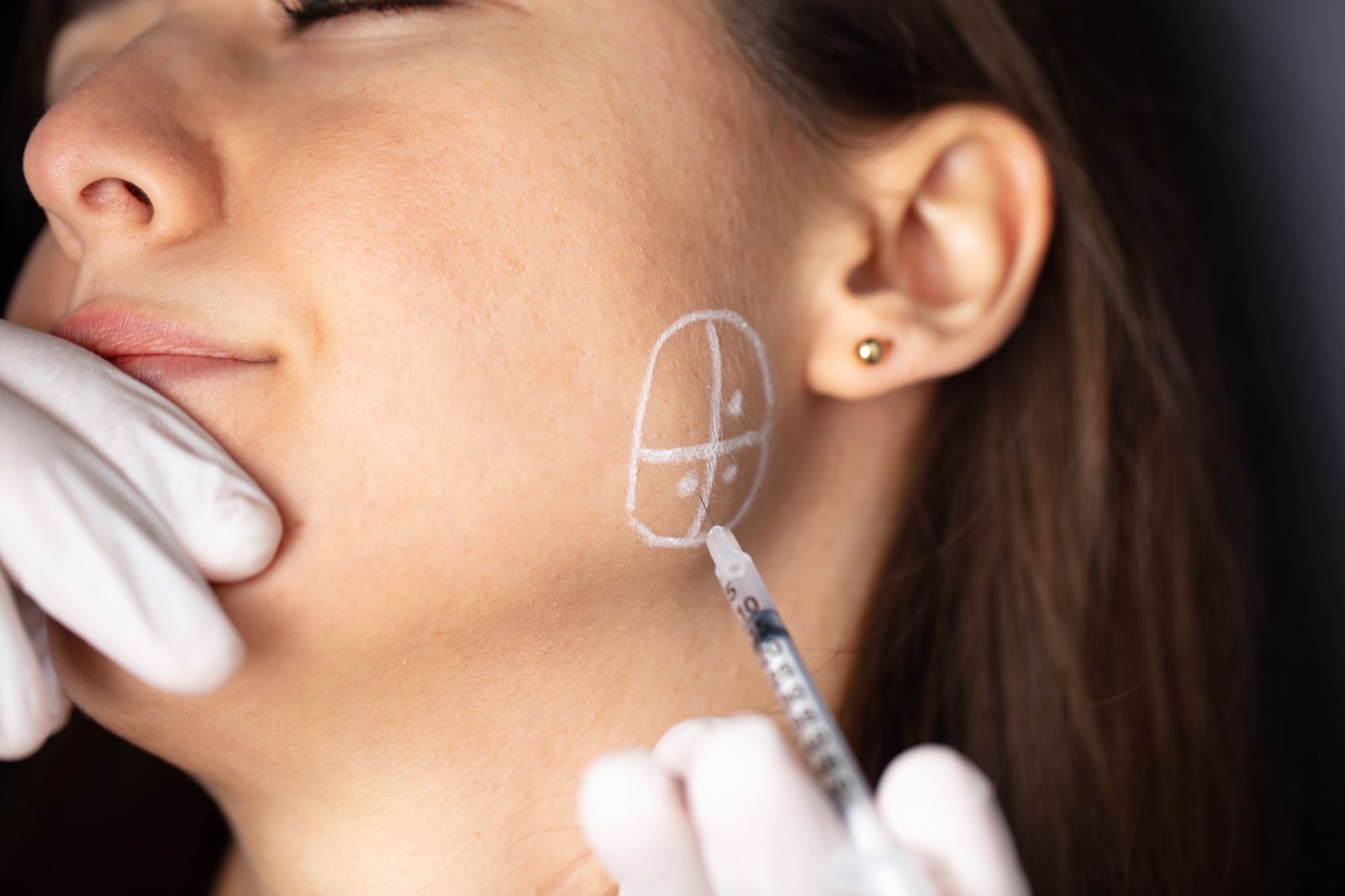
Collagen Banking: Building Your Skin's Reserve Before You Need It
Collagen banking is one of the smartest things you can do for your skin and if you haven't heard of it yet, you're about to become obsessed. The concept is simple: instead of waiting for visible signs of aging to show up and then scrambling to fix them, you start investing in your skin's collagen reserves right now, while they're still relatively intact. Think of it like a savings account for your skin. The more you deposit early, the more you have to draw on later.
Your skin is already losing collagen every single year, starting in your mid-20s. In fact, collagen naturally declines at roughly 1 to 1.5% per year, which doesn't sound dramatic until you do the math over a decade. The scaffold that keeps your skin firm, plump, and bouncy gets progressively thinner, and by the time visible wrinkles or laxity show up, a significant amount of that structural protein is already gone.
That's where collagen banking strategies come in. By proactively stimulating collagen production through professional treatments, targeted skincare ingredients, and lifestyle habits, you're essentially building a reserve a cushion that helps your skin age more gracefully and maintain its integrity longer. Here's everything you need to know about how collagen banking works, when to start, and which approaches actually deliver real results.
What Is Collagen Banking, And Why Does It Actually Matter?
Collagen is the most abundant protein in your body. It's the literal scaffolding that gives your skin its structure, firmness, and elasticity. Produced by specialized cells called fibroblasts, collagen works alongside elastin and hyaluronic acid to keep skin looking plump, smooth, and youthful.
The problem? Your body starts producing less collagen as early as your mid-20s. UV exposure, pollution, smoking, poor sleep, and high sugar intake accelerate the breakdown even further. And once collagen is gone, the skin structure becomes disorganized that's when you start seeing fine lines, sagging, and a loss of that healthy "bounce back" quality.
Collagen banking as a skin strategy is about getting ahead of that curve. Rather than reactive treatment trying to restore what's already been lost collagen banking is a proactive, long-game approach. You're using collagen-stimulating treatments and skincare now to build up reserves of this essential protein, so your skin has more structural support to maintain over time. It's preventative skincare in its most evolved form, and it's why dermatologists and medical aesthetics professionals increasingly recommend starting in your late 20s or early 30s.
When Should You Start a Collagen Banking Routine?
Here's the honest answer: earlier than you think. Most people associate anti-aging skincare with their 40s or 50s, but by the time you're reacting to visible concerns, collagen loss has already been compounding for 15 to 20 years. The ideal window to start actively banking collagen is in your late 20s to early 30s.
That said, it's genuinely never too late. If you're in your 40s, 50s, or beyond, collagen stimulation through professional treatments can still make a meaningful difference you're just working with a different baseline. The key point is that the earlier you start building those reserves, the more cushion you have to maintain youthful skin architecture over the long haul.
For people under 25, collagen banking doesn't need to be complicated. Consistent SPF use (non-negotiable UV exposure is the single biggest external driver of collagen breakdown), a solid vitamin C serum, and avoiding tanning beds is a strong starting foundation. As you move into your late 20s, introducing more targeted collagen-stimulating treatments starts to make real sense.
Signs it might be time to get more intentional about your collagen banking approach include: noticing the skin around your cheeks looks slightly less full than it used to, fine lines staying visible even when your face is relaxed, or skin taking longer to bounce back after being pressed. These are early signals that collagen reserves are starting to dip.
The Best Professional Treatments for Building Collagen Reserves
This is where collagen banking gets really exciting because professional treatments are the most efficient way to stimulate meaningful, measurable collagen production. At-home skincare supports and maintains, but in-clinic treatments are what actually move the needle on building new collagen. Here are the key players:
Microneedling
One of the most well-established collagen induction therapies available. Microneedling creates controlled micro-injuries in the skin, triggering the body's natural wound-healing response which includes a surge of new collagen production. Multiple sessions create progressive improvements in skin texture, firmness, and overall quality. It's highly effective across skin types and tones.
RF Microneedling (Radiofrequency Microneedling)
A step up from traditional microneedling, RF microneedling delivers radiofrequency energy deep into the dermis at the same time as the micro-channels are created. The heat energy coagulates existing collagen fibers (causing immediate tightening) while simultaneously stimulating robust new collagen synthesis at multiple skin depths. The result? More dramatic and longer-lasting collagen banking outcomes than microneedling alone.
Laser Treatments
Fractional lasers and non-ablative laser platforms like the Aerolase stimulate collagen remodeling by delivering targeted heat into the skin's dermal layer. The thermal injury prompts fibroblasts to kick into high gear producing new collagen. Laser treatments also address pigmentation and texture simultaneously, making them excellent multi-taskers for comprehensive skin improvement.
Biostimulators (Sculptra and Similar Injectables)
Unlike hyaluronic acid fillers that add volume by filling space, biostimulators work by actually triggering your body to produce its own collagen at the injection site. Sculptra (poly-L-lactic acid) and similar products stimulate natural collagen synthesis over several months, creating results that look incredibly natural and last significantly longer than traditional fillers. This is collagen banking in injectable form.
Morpheus8 and Deep RF Treatments
Morpheus8 is a fractional RF microneedling platform that works at greater skin depths than conventional devices. It remodels collagen in the deeper reticular dermis and even sub-dermal tissue, making it particularly effective for addressing skin laxity and contouring not just surface-level texture concerns.
Collagen Banking Skincare: The Ingredients That Actually Work
Professional treatments lay the foundation for your collagen banking strategy, but what you apply at home every day either amplifies those results or undermines them. These are the skincare ingredients that have solid evidence behind them for collagen support:
Retinol and Retinoids
The gold standard of collagen-stimulating skincare. Retinoids (vitamin A derivatives) work at the cellular level to upregulate collagen gene expression meaning they actively signal your skin to produce more collagen. They also inhibit the enzymes (called MMPs) responsible for breaking collagen down. Start with a lower concentration if you're new to retinoids and work your way up.
Vitamin C
Ascorbic acid is a co-factor in collagen synthesis, meaning collagen literally cannot be produced without it. Applying a stable, well-formulated vitamin C serum daily helps both protect existing collagen from free radical damage and support ongoing collagen production. It also brightens and evens skin tone as a bonus.
Peptides
Short chains of amino acids that signal the skin to produce more collagen. Certain peptides (like Matrixyl) have been shown to meaningfully stimulate fibroblast activity. They're also incredibly well-tolerated, making them a great option even for sensitive skin or those who can't handle retinoids.
SPF, Every. Single. Day.
This isn't a collagen-stimulating ingredient, but it's the most important entry in this list. UV radiation is the number one external cause of collagen degradation. Photoaging accounts for a massive portion of the visible aging most people experience. No collagen banking routine is complete without broad-spectrum SPF 30 or higher, worn daily, year-round, even on cloudy days in Toronto.
Hyaluronic Acid
While hyaluronic acid doesn't directly stimulate collagen production, it supports the environment in which collagen functions. Well-hydrated skin is healthier, more resilient, and more responsive to collagen-building treatments. It also creates that plumped, dewy appearance that makes skin look naturally youthful.
Lifestyle Habits That Support Your Collagen Banking Strategy
Your skin's collagen reserves don't just respond to treatments and products the way you live day-to-day has a significant impact on how quickly collagen is produced and how fast it breaks down. These habits are the unsexy but genuinely important foundation of any collagen banking approach:
- Protect from UV exposure daily, wear SPF and limit unprotected sun time
- Eat a protein-rich diet, collagen is made from amino acids, so adequate dietary protein matters
- Include vitamin C-rich foods, citrus, bell peppers, strawberries all support natural collagen synthesis
- Stay well-hydrated, dehydration affects skin plumpness and cellular function
- Prioritize sleep, skin repair and regeneration happens primarily during sleep
- Avoid smoking, smoking directly accelerates collagen breakdown and disrupts circulation
- Limit high-glycemic foods and excess sugar, sugar causes glycation, which damages collagen fibers
- Manage stress, chronic cortisol elevation breaks down collagen and impairs skin repair
None of these are new pieces of advice, but the difference between someone who builds their collagen reserves effectively and someone who doesn't often comes down to consistency with the basics. These lifestyle factors work synergistically with professional treatments and skincare to amplify results.
Collagen Banking in Toronto: What to Expect at Bar Beauty Medical
If you're in Toronto and ready to get serious about building your collagen reserves, Bar Beauty Medical offers a range of professional collagen stimulation treatments tailored to where you are in your skin health journey whether you're starting preventatively in your late 20s or looking to restore and maintain in your 40s and 50s.
We take a personalized, results-driven approach to every client's collagen banking strategy. That means a thorough skin assessment first, an honest conversation about your goals and timeline, and a customized treatment plan that combines the most effective in-clinic options with at-home skincare guidance.
Our collagen-stimulating treatments include microneedling, RF microneedling, laser platforms, and injectable biostimulators all performed by trained medical aesthetics professionals in a clinical environment where safety and efficacy are the priority. We don't do cookie-cutter skincare, because your skin doesn't fit a cookie-cutter mold.
Whether you're just starting to think about preventative skin health or you're looking to maximize what you've already invested in, collagen banking is one of the highest-ROI approaches to long-term skin quality and we'd love to help you build a strategy that actually works.
Start Building Your Collagen Reserve, The Best Time Is Now
Collagen banking is fundamentally a mindset shift: from reactive to proactive, from treating problems to preventing them. Your skin's collagen reserve is something you build over time, and like most things worth having, the earlier you start and the more consistently you contribute, the better the long-term outcome.
The good news is that regardless of where you're starting from, there are real, evidence-backed collagen banking strategies available to you from daily SPF and a solid retinoid to professional treatments that stimulate meaningful collagen production at depth. The key is not waiting until the problem is obvious.
If you're in Toronto and curious about which collagen banking treatments make the most sense for your skin right now, book a consultation with the team at Bar Beauty Medical. We'll take a look at where you are, talk through your goals, and build a personalized plan to help you maintain healthy, resilient skin for the long term. Because the best time to start banking collagen was a decade ago and the second best time is today.
Ready when you are
Book microneedling for collagen
Free consultation, transparent pricing, licensed medical staff. Book online or call 416-923-1200.
Collagen banking is the idea of stimulating collagen while you still produce it well, rather than waiting until laxity appears. The logic is sound, since production declines steadily from the mid-twenties and stimulating an active system works better than trying to restart a depleted one. What we will not tell you is that it is proven to change how you look at sixty, because that study does not exist.
- The reasoning: collagen production falls roughly one per cent a year from the mid-twenties, and accelerates around menopause. Stimulating earlier means working with a system that still responds.
- What genuinely stimulates collagen: microneedling from $400, Morpheus 8 RF from $600, Sculptra from $900 a vial, and Aerolase NeoSkin from $350.
- What does not, despite the claims: most topical collagen. Collagen molecules are too large to penetrate meaningfully. Retinoids and vitamin C support the process, collagen creams largely do not.
- The honest evidence position: each individual treatment has evidence for collagen stimulation. Long-term banking as a strategy is extrapolation, and reasonable extrapolation is still extrapolation.
- Sun protection outperforms all of it. UV degrades collagen faster than any treatment builds it. Daily SPF is the highest return action available and it is nearly free.
- A sensible pace: one or two collagen-stimulating treatments a year in your late twenties and thirties, rather than an aggressive schedule that costs a lot and adds little.
Bar Beauty Medical, 46 Fort York Blvd, CityPlace, Toronto. Prices in Canadian dollars from our live booking system, verified 18 August 2026.
What Collagen Banking Actually Does (And What It Does Not)
Most patients walk into a consultation with a mental picture of collagen banking borrowed from TikTok, an Instagram reel, or a friend’s before-and-after grid. Before we cover anything else in this guide, let us be specific about what collagen banking with biostimulators mechanically does inside the skin, the muscle, or the bloodstream, and where the realistic ceiling sits. This is the difference between a result you are thrilled with for 12 months and a result you feel you were sold rather than informed about.
At Bar Beauty Toronto the clinical protocol we follow for collagen banking is straightforward and we will say it in one line: Sculptra + microneedling + retinaldehyde + sunscreen stack. That sentence covers the device or product, the dose range, the cadence, and the realistic series length. Everything else, the marketing copy, the influencer testimonials, the one-and-done promises, is noise wrapped around that protocol. When you read the rest of this guide, anchor back to that line.
What collagen banking does not do: it does not replace surgical correction in patients who genuinely need a surgical solution, it does not stop the underlying aging cascade (collagen loss, bone resorption, fat pad descent, hormonal shifts in perimenopause), and it does not work identically on every Fitzpatrick skin type. Anyone who tells you otherwise is selling, not assessing. For the device-level detail, pricing, and current promotional pricing, read the full treatment page on our site.
Who This Treatment Is For, And Who It Is Not For
The honest list of ideal candidates for collagen banking includes: women in late 20s-30s wanting to bank reserves, pre-menopausal, Type I-III skin. Outside of those profiles, results drop noticeably, the risk profile climbs, or both. We routinely turn patients away in consultation when the clinical math does not work, and we will explain to you in writing exactly why. This is not a sales meeting. It is a medical assessment.
How we screen during consultation
Every consult begins with a full medical history covering current medications (particularly blood thinners, immunosuppressants, isotretinoin within the last six months), allergies, autoimmune diagnoses, pregnancy or breastfeeding status, prior cosmetic treatments with photos when available, recent dental procedures or planned surgeries, and a detailed goals conversation in your own words. We document baseline standardised photography under controlled lighting so we can measure change objectively rather than relying on memory.
Red Flags: When to Walk Out of a Consultation
These are not opinions. These are the things that should make you cancel the appointment, forfeit the deposit if you have to, and leave. Aesthetic medicine in Ontario is loosely regulated compared to surgery, which means consumer vigilance is part of the job.
Red flag #1: No real medical intake
If the consult is the injector glancing at your face for ninety seconds and quoting a price, leave. A real consult covers medications (especially blood thinners, isotretinoin history within six months, recent or planned dental work, autoimmune flares), pregnancy and breastfeeding status, allergies, prior cosmetic history with photos if you have them, and your goals articulated in your own words rather than ticked off a checklist.
Red flag #2: Pressure to book today
Today-only pricing on injectables or device treatments is a sales tactic, not clinical urgency. Real medical pricing does not expire at midnight. If you feel rushed, you are being rushed for a reason that benefits the clinic, not you.
Red flag #3: No written aftercare and no emergency line
You should leave the clinic with a phone number that reaches an actual clinician, not a receptionist or an answering service, if something looks wrong at nine p.m. on a Sunday. Vascular occlusion from filler, for example, has roughly a ninety-minute window where intervention is most effective. Ask before you book: who do I call after hours, and what is the typical response time?
Red flag #4: Device or product they will not name
If they cannot or will not tell you the device model, the product brand, the lot number, and where it was sourced from before you sit down in the treatment chair, that is a Health Canada problem waiting to happen and you should not be the case study.
Red flag #5: The everything-bagel upsell
A good injector solves one concern at a time, validates the result at follow-up, and only then discusses adjuncts. A bad one tries to sell you the entire menu on day one because the financial incentive runs the other way.
Red flag #6: Before-and-after photos that all look the same
If every before photo is a glum, downcast, harsh-lit shot and every after is a smiling, well-lit, professionally-edited image, you are looking at photography tricks, not clinical results. Ask to see standardised photo pairs taken under identical conditions.
Frequently Asked Questions
How soon will I see results?
Initial change is usually visible within the timeline described on our treatment page, with peak results typically eight to twelve weeks later depending on the protocol and your individual response. Photo-document at baseline, week four, week eight, and week twelve so you can compare objectively rather than relying on memory or the mirror.
How long do results last?
Duration depends on your metabolism, hormonal status, sun exposure, sleep quality, lifestyle factors, and whether you commit to a maintenance plan. A patient in perimenopause will not get the same duration as a twenty-eight-year-old on the same protocol, and that is normal physiology, not a failure of treatment. We discuss your realistic duration in the consult, including the range we have observed across our patient panel.
Does it hurt?
Discomfort varies significantly by treatment and personal pain threshold. We use topical anaesthetic, ice, vibration distraction, or nerve blocks where appropriate. Most patients rate discomfort two to four on a ten-point scale. We will never minimise a patient’s experience of pain, if something hurts more than expected we stop and reassess.
Is there downtime?
Downtime ranges from zero (walk in, walk out, go straight back to work or a meeting) to a few days of visible redness, swelling, or pinpoint bruising depending on the protocol. Detailed downtime is documented on the treatment page and we will confirm in your consult so you can plan around social and work commitments.
What are the real risks?
Every medical treatment has risk. Common: bruising, swelling, tenderness at the treatment site. Uncommon: asymmetry that may require a touch-up, prolonged redness, post-inflammatory hyperpigmentation in darker skin types if device settings are wrong. Rare but serious: vascular events with fillers, infection, allergic reaction. We disclose all of these in writing on a consent form before treatment, and we go through them verbally too.
Can I combine this with other treatments?
Often yes, but sequencing matters and timing matters. Some treatments need two to six weeks between them, some can be stacked the same day. We build a twelve-month plan in your first consult, not just a single appointment, so the sequencing is intentional.
Is this safe in pregnancy or breastfeeding?
Most cosmetic medical treatments are deferred during pregnancy and breastfeeding out of an abundance of caution given the limited safety data in these populations. Specifics depend on the treatment, but we will not treat in these windows without obstetric clearance, and for most aesthetic treatments we recommend waiting.
What if I do not like the result?
For reversible treatments (HA fillers can be dissolved with hyaluronidase, for example) we have an explicit reversal protocol documented in your file. For non-reversible treatments, we under-treat first by design and add more at follow-up. The goal is never to need a reversal.
How is Bar Beauty different from a med-spa chain?
Physician-led oversight, registered nurse injectors with named credentials, written protocols reviewed twice yearly, transparent device and product sourcing with lot numbers documented in your chart, and we publish our standards publicly. You can read our team page and book a consult before committing to anything.
Do you treat all skin types safely?
Yes. Our device parameters are adjusted for Fitzpatrick types I through VI and we have specific protocols for melanin-rich skin to avoid post-inflammatory hyperpigmentation. Ask to see our before-and-after gallery in your specific skin tone before you book, if we cannot show you, that itself is information.
Where are you located and which areas do you serve?
Bar Beauty serves the Greater Toronto Area including Toronto, Mississauga, Vaughan, Markham, Richmond Hill, Oakville, Burlington, and Etobicoke. Parking is two free spots at the clinic, first come first served, plus public parking beside the Sobeys at Fort York Blvd and Telegram Mews, TTC-accessible, evening and Saturday appointments available for patients commuting from outside the core.
How do I book a consult?
Book a consultation through our treatment page or call the clinic directly. Your first consult is dedicated clinical time with a registered nurse or physician, not a sales rep.
Will you refuse to treat me if I am not a good candidate?
Yes, and we have done so many times. If your concern is better addressed by a different modality, a different clinic, or a surgical referral, we will tell you and where appropriate we will refer you out with our notes attached.
Booking Your Consult at Bar Beauty Toronto
The consultation is the most important appointment in this entire process. It is where we decide together whether collagen banking is the right tool for the concern you brought in, whether you are a good candidate medically, what the realistic twelve-month plan looks like, and what it will actually cost you all-in. We do not book treatments without a consult first, and we will tell you honestly if you should see a different provider or pursue a different modality. Start with the treatment page or call us directly to set up a time that works for your schedule.
Radiofrequency is one of the ways to keep that reserve topped up without downtime. It is one of five technologies on the Préime DermaFacial, alongside microcurrent for tone.
Ready to look into it properly?
Our consultation is free. We will look at your skin, give you an honest recommendation, and say so if a different treatment would suit you better.
Or call 416 923 1200 · 46 Fort York Blvd, CityPlace, Toronto
Questions about this treatment?
Ask us anything before you book. Consultations are free, and we will tell you honestly if a treatment is not right for you.