Rosacea and Facial Redness in Toronto: The Safe and Honest Treatment Guide
By Basil Russo, Founder, Bar Beauty Medical, 46 Fort York Blvd, CityPlace Toronto Clinically reviewed by Jasmine Saggu, RN, Aesthetic Nurse Injector at Bar Beauty Medical Phone 416-923-1200 · Book at barbeautymedical.janeapp.com
You’ve been told you have “sensitive skin” for years. Your central cheeks, nose, forehead, and chin flush at the slightest provocation, wine, hot food, exercise, sun, embarrassment, cold air, a hot shower.
That’s rosacea. About 1 in 10 Canadians have it, with much higher prevalence in fair-skinned populations of Celtic and Northern European descent. It’s a chronic inflammatory condition that responds well to the right treatment combination and badly to the wrong one.
I’m Basil. I run Bar Beauty Medical on Fort York Blvd in CityPlace. Honestly, rosacea is the second condition (after melasma) where most Toronto med-spas get it wrong, often making patients flare for months after a single ill-chosen IPL session.
Rosacea is chronic, so the job is suppressing flares, reducing background redness and clearing visible vessels rather than curing anything. What decides how well that goes is often what you avoid. Several treatments marketed for facial redness make rosacea-prone skin worse, sometimes for months after a single appointment.
| Treatment | What goes wrong on rosacea-prone skin | What we do instead |
|---|---|---|
| Broadband IPL | Marketed hard for redness, and in expert hands at the right settings it can help. Set wrong, it produces an inflammatory rebound that outlasts the redness it was aimed at | We run one, the InMode Lumecca, and we use it for rosacea erythema and fine telangiectasia on Fitzpatrick I to III, case by case at IV with a test patch, with parameters set in person rather than off a preset. At V and VI, on tanned skin, and wherever we judge the margin too thin, background erythema and telangiectasias are treated at 1064 nm on the Aerolase Neo Elite instead, where the 650-microsecond pulse heats the vessel without spilling into the tissue around it |
| Picosecond and Q-switched pigment lasers | Built to fragment pigment, not to address the vascular component, and capable of the same rebound cascade | Not used for rosacea here |
| Microneedling at standard depth | The controlled injury that makes needling work is also one of the most reliable ways to set off a flare | Shallow depth only, paired with exosomes for healing, and only once the barrier has been stable for weeks |
| Scrubs, alcohol toners, fragrance, essential oils and stacked retinol | Barrier dysfunction is one of the drivers of the condition, not a side effect of it, so anything that strips the barrier feeds the problem | Products stripped back to a gentle cleanser, a ceramide moisturiser and a mineral SPF 50 with iron oxide for four to six weeks before any prescription topical starts |
| Steam and hot-towel facials | Heat is among the most consistent triggers there is, through the same TRPV1 route as hot showers, saunas and hot food | No heat-led protocol while the skin is reactive |
| Brimonidine leaned on as a daily fix | It does reduce redness in the moment, and it carries a rebound flushing risk when it becomes the whole plan | Prescribed selectively by Dr. Henneberry-Fudge, with the rebound risk explained before the first tube |
Nothing here is a cure. A well-run plan reduces background redness, ablates visible vessels and lengthens the gaps between flares, and it holds only while the topicals, the daily SPF and the trigger work continue. Phymatous change on the nose needs a different pathway and we refer for it, as we do for pulsed dye laser, which we do not operate.
What Is Rosacea?
A chronic inflammatory skin condition mostly on the central face. Four subtypes (often overlapping in the same patient):
- Erythematotelangiectatic (ETR), persistent central redness and visible small vessels (telangiectasias)
- Papulopustular, inflammatory papules and pustules, often confused with adult acne
- Phymatous, skin thickening, particularly on the nose (rhinophyma)
- Ocular, eye involvement (redness, dryness, irritation)
Driver biology:
- Vascular dysregulation, abnormal vasodilation and persistent hyper-reactivity
- Innate immune over-activation, abnormal cathelicidin / kallikrein-5 cascade
- Demodex mite overpopulation, the mites are normally present but overgrow in rosacea-prone skin
- Neurogenic inflammation, TRPV1 receptors hyper-respond to heat, capsaicin, stress
- Skin barrier dysfunction, increased trans-epidermal water loss
Rosacea is genuinely incurable. The goal is suppression of flares, reduction of background redness, and elimination of visible vessels.
What Triggers A Rosacea Flare?
Patient-specific. Common ones:
- UV, universal
- Heat, hot showers, hot rooms, hot food, saunas, hot yoga, summer
- Alcohol, particularly red wine
- Spicy food, capsaicin triggers TRPV1
- Hot drinks, temperature itself triggers
- Stress and embarrassment, neurogenic vasodilation
- Wind and cold, barrier insult
- Topical irritants, alcohol-based toners, fragrance, essential oils, retinol overuse
- Exercise, high-intensity warming
- Menopause flushing, hormonal
- Microbiome shifts, Demodex overgrowth, H. pylori associations
Why Do IPL And The Wrong Lasers Make Rosacea Worse?
IPL is often marketed for rosacea, and in expert hands at the right settings it can help. In inexperienced hands, IPL on rosacea-prone skin produces inflammatory rebound and worsens redness for months. The risk-benefit calculation often doesn’t favour IPL in our Toronto patient population.
The Aerolase Neo Elite is our preferred device for facial redness and visible vessels because:
- The 1064 nm wavelength bypasses epidermal pigment (safe on darker phototypes)
- The 650-microsecond pulse heats vessels for ablation without thermal spillover into surrounding tissue
- No inflammatory rebound cascade the way IPL and Pico can produce
- Safe across all Fitzpatrick types
What’s The Best Treatment For Rosacea?
Aerolase NeoSkin, The Primary Move
Aerolase Neo Elite is our workhorse for rosacea and facial redness. Across a course of 4-6 monthly treatments, background redness reduces, visible vessels ablate, skin quality improves.
- Aerolase NeoSkin Custom Facial, see our price list
- 4-6 sessions monthly, then quarterly maintenance
See our Aerolase Rosacea pillar page.
Topical Therapy (Dr. Fudge Prescribes)
Standard regimen:
- Metronidazole 0.75% gel twice daily, first-line anti-inflammatory
- Ivermectin 1% cream nightly, anti-Demodex
- Azelaic acid 15% gel, anti-inflammatory + tyrosinase modulation
- Brimonidine 0.33% gel, transient redness reduction (caution: rebound flushing risk)
- Oxymetazoline 1% cream, redness reduction
- Niacinamide 5% serum, barrier support
- Mineral SPF 50 with iron oxide, every morning
Pharmacy cost on patient.
Oral Therapy When Indicated
For moderate-to-severe:
- Doxycycline 40-100 mg, anti-inflammatory dose (often used at 40 mg modified-release)
- Spironolactone for some patients with hormonal overlay
- Carvedilol or propranolol off-label for flushing
Dr. Henneberry-Fudge prescribes after workup.
Vascular Laser For Persistent Telangiectasias
For visible vessels resistant to Aerolase NeoSkin, V-Beam pulsed dye laser is gold standard. We don’t operate V-Beam at Bar Beauty. We refer to dermatology.
Microneedling (Conservative Depth)
Microneedling can improve skin quality and barrier function but must be cautious in rosacea, too aggressive triggers flare. We use shallow depths and pair with exosomes for healing.
- SkinPen Microneedling, see our price list
- Microneedling with ASCE+ Exosomes, see our price list
Botox Micro-Dose For Flushing
Intradermal Botox micro-doses (mesotox / mesobotox) reduce sebaceous gland activity and vascular reactivity. Niche use, emerging evidence. Within Botox pricing.
Trigger Identification And Lifestyle
Trigger journal. Sun and heat avoidance. Dietary modification. Gentle skincare regimen rebuild.
Skin Barrier Rebuild
Many rosacea patients have a compromised barrier from over-using actives. We strip products back to a gentle cleanser + ceramide moisturiser + mineral SPF for 4-6 weeks before adding any prescription topical.
What Combination Protocol Do You Recommend?
For moderate erythematotelangiectatic rosacea:
- Workup and diagnosis, Dr. Fudge consult, confirm rosacea, screen for ocular involvement, identify subtypes
- Barrier rebuild, strip to gentle products, 4-6 weeks
- Topical regimen, metronidazole or ivermectin per subtype
- Aerolase NeoSkin course, 4-6 monthly sessions
- Trigger management, journal, education
- Maintenance, quarterly Aerolase + ongoing topicals
Year-one in-clinic investment depends on how many sessions and which treatments you combine, plus separate pharmacy costs for any prescriptions. We map the full plan and costs against our see our price list at your consult.
How Long Until I See Results?
- Week 4: first visible reduction
- Month 3: mid-course improvement
- Month 6: course peak
- Months 6-12: maintenance
What you can expect: 50-70% reduction in background redness over an Aerolase course. Visible vessel ablation. Fewer and shorter flares. Better tolerance of triggers. Improved barrier function.
What you can’t expect: a cure (rosacea is chronic). Resolution if triggers continue. Same-session dramatic results. Resolution of phymatous changes (rhinophyma needs surgical or ablative laser treatment).
When Is Rosacea Treatment A Bad Idea?
- Pregnancy or breastfeeding (defer most treatments)
- Active sunburn
- Recent isotretinoin (wait 6 months)
- Active dermatitis or significant barrier compromise (rebuild first)
- Severe ocular rosacea (ophthalmology referral first)
- BDD concern (Dr. Fudge screens)
Full pricing at barbeauty.ca/price-list.
What Happens At Your Consult?
Intake, flushing history, triggers, current products, ocular symptoms. Subtype identification (ETR, papulopustular, phymatous, ocular). Trigger education. Dr. Fudge consult for topical/oral prescribing. Barrier rebuild plan if needed. Aerolase candidacy assessment. Treatment plan. BDD screen.
Who Treats You?
Julia Barabas, Medical Aesthetician and Glow Specialist, leads Aerolase and gentle facials. Medical therapy and prescribing from Dr. John David Henneberry-Fudge MD FRCPC.
A Note From Dr. Henneberry-Fudge
Rosacea is the condition where the wrong treatment causes the most patient harm. IPL or Pico at the wrong settings, aggressive over-the-counter actives, harsh facials, any of these can produce months of worsened flare in a chronic inflammatory condition. The Bar Beauty rosacea protocol, Aerolase Neo Elite + evidence-based topicals + trigger education + barrier protection, is the safest and most effective approach I can recommend for our patient population.
, Dr. John David Henneberry-Fudge MD FRCPC, CPSO #95972
Who Are Your Typical Patients?
- 28-year-old, King West, ETR pattern, flushes with wine and embarrassment. Plan: an Aerolase course + topical metronidazole + trigger management + iron-oxide SPF.
- 42-year-old, Liberty Village, papulopustular pattern, often mistaken for acne. Plan: oral doxycycline + topical ivermectin + Aerolase + barrier rebuild.
- 55-year-old, mixed pattern + early phymatous change on nose. Plan: Aerolase + topical + dermatology referral for phymatous evaluation.
What Should I Ask at My Consult?
The free consult is twenty minutes. Most patients waste fifteen of those minutes on questions Google could have answered, and then run out of time before getting to the ones that actually predict their outcome. Here’s the list we wish every patient brought in.
About the person treating you
- “How many of this exact treatment have you personally done in the last twelve months?” Volume tracks skill more reliably than years in practice.
- “Who supervises your work, and can I verify their CPSO number?” Dr. Henneberry-Fudge is CPSO #95972, verifiable on the public register in 30 seconds.
- “Are you the person who will treat me on the day, or will I be handed off?” At Bar Beauty, the injector you consult with is the injector who treats you.
About the product or device
- “What exact product are you using on me, and why that one over the alternatives?” If the answer is “this is what we stock,” that’s a margin answer, not a clinical one.
- “Can I see the box and the lot number before you draw it up?” Any clinic should say yes without hesitation. We do this by default on every appointment.
- “What’s the manufacturer training certification for this device or product?” Real certifications are checkable.
About what happens if things go wrong
- “What’s your protocol for a vascular event with filler?” The answer should include hyaluronidase on the counter, not in a drawer down the hall.
- “Who do I call at 11pm if something feels off?” We have a 24/7 patient line, many clinics do not.
- “What’s your touch-up policy?” Ours is free at the 2-week mark for toxin, included in your initial fee, as long as no promotion or discount was applied to your original treatment.
About the result you want
- “Is the result I’m describing anatomically realistic for my face?” Patients who don’t ask this end up disappointed.
- “What’s the maintenance schedule and total annual cost if I commit?” The single-session price is the start of the conversation, not the end.
- “What would you say no to today?” An injector who can’t name something they’d refuse is an injector you should leave.
Bring this list. Read it off your phone if you have to. The patients with the best long-term outcomes are the patients who acted like consumers, not patients.
How Do I Spot a Bad Provider for This in Toronto?
Toronto’s aesthetic market is unregulated at the storefront level. Anyone with a business licence and a Square reader can call themselves a medical spa. Here’s the field guide we’d hand a friend.
Red flags before you book
- No medical director name on the website, or “Dr. on call” with no published name and no CPSO number to verify.
- Pricing not published. If you have to ask for a quote, the price is whatever they think you’ll pay when you walk in.
- A single phone number with no online booking. Operationally smaller than they want you to think.
- Stock photo team page. Real teams photograph their real people.
- A Google profile under 30 reviews after more than two years in business. Either nobody knows about them, or they’re suppressing the bad ones.
Red flags during the consult
- They quote you for treatments you didn’t ask about, in the first ten minutes.
- They don’t take a real medical history or screen for BDD.
- The injector can’t name what brand of product they’re about to use, or what the alternatives are.
- They suggest paying in cash for a discount. Indicates off-the-books bookkeeping and almost certainly no real chart on you.
- They press you to commit today with a “package discount” that disappears if you walk out. Real clinics’ prices are stable.
Red flags during treatment
- Product drawn from a vial you never saw or that has no label on it. Counterfeit filler is a real problem in Ontario.
- No emergency kit visible, no hyaluronidase, no epinephrine, no AED.
- They inject without marking your face first.
- They rush. A real injection appointment is 15-30 minutes including conversation, not five.
Red flags after treatment
- No written aftercare. No follow-up text. No 2-week check.
- When you call with a concern, you get a voicemail box that doesn’t get returned for days.
- You ask for your chart and they can’t produce it, or it’s a handwritten sheet in a binder.
The market has matured but the regulatory ceiling hasn’t moved. The patient who screens hard at the booking stage avoids almost every bad outcome we’ve seen.
Common Questions
Is rosacea treatment covered by OHIP? The medical side can be. Seeing a family physician or dermatologist for a rosacea diagnosis and prescription topicals or oral medication is covered by OHIP, and a referral to dermatology for V-Beam or severe cases is covered. Cosmetic and laser treatments like Aerolase, and the facials and skincare side, are not insured. We work alongside the medical pathway rather than replacing it, and Dr. Henneberry-Fudge handles the prescribing side in clinic.
What is the most effective treatment for rosacea? There is no single fix, because rosacea has several subtypes. The most effective real-world approach combines trigger management and barrier repair, prescription topicals or oral medication matched to your subtype, and a vascular laser, our preference is Aerolase Neo Elite, for the persistent redness and visible vessels. For most patients that layered plan beats any one treatment used alone.
Is rosacea a gut issue? There is a real association. Research links rosacea with conditions like H. pylori infection and small intestinal bacterial overgrowth, and some patients flare with specific foods. That said, rosacea is not caused by one gut problem you can simply fix. We focus on identifying your personal triggers and treating the skin directly, and we are happy to coordinate if a gut workup is warranted.
Can I treat rosacea over the counter? Over-the-counter products can support the skin barrier, a gentle cleanser, a ceramide moisturiser, niacinamide, and a daily mineral SPF with iron oxide, and azelaic acid is available in lower strengths. What they cannot do is replace prescription metronidazole or ivermectin for inflammatory rosacea, or a laser for visible vessels. Most people get the best result combining good basic skincare with in-clinic and prescription treatment.
Will Aerolase make my rosacea worse? No. Aerolase Neo Elite is the safest laser approach for rosacea in our experience.
How many sessions? 4-6 monthly initially, then quarterly maintenance.
Can rosacea be cured? No. It can be substantially managed.
Is it true that wine triggers rosacea? For many patients yes, particularly red wine. Trigger journal identifies yours specifically.
What about IPL? IPL can help in expert hands at right settings. In our patient population we prefer Aerolase for safety and consistency.
Can I exercise with rosacea? Yes, but high-intensity often triggers flushing. Cool-down protocols and post-exercise cooling help.
What is rhinophyma? Phymatous rosacea, skin thickening on the nose. Surgical or ablative laser treatment. We refer.
Will my eyes be affected? Some patients have ocular rosacea (dry, gritty, red eyes). Ophthalmology evaluation if significant.
Can I do facials? Gentle, no-extraction facials only. Avoid heat, steam, and aggressive exfoliation.
Can I use retinoids? Cautiously, slowly. Many rosacea patients tolerate azelaic acid better than retinoid.
Will hormones affect my rosacea? Often yes, perimenopausal flushing aggravates rosacea. Dr. Fudge can discuss management.
Can men get rosacea? Yes. Men often present with later, more phymatous involvement.
What about Demodex mites? Overgrowth contributes to rosacea. Ivermectin cream addresses it.
Can I get Botox or filler with rosacea? Yes, with care. We schedule injections away from active flare and treat gently.
How do I book? Online at barbeautymedical.janeapp.com, by phone at 416-923-1200.
Is this treatment safe for darker skin tones? For most of what we offer, yes, Aerolase Neo Elite at 1064 nm is safe across all Fitzpatrick types and is our default for vascular and pigment work in darker skin. Morpheus 8 carries a small PIH risk in Fitzpatrick V-VI that we mitigate with conservative energy settings.
Can I treat this while breastfeeding? Generally no for injectables. Most patients return to treatment three to six months after weaning. Lasers and most facials are fine while nursing.
How does this compare to Yorkville pricing at twice the price? Product is usually the same. Training is comparable. The differential is rent, location, and brand premium, not clinical skill.
Can I do this if I’m on Ozempic or another GLP-1? Yes, but planning matters. Significant weight loss redistributes facial fat. We stage filler decisions for patients in active weight loss.
Do you take insurance or HSA? Aesthetic treatments are not insured under OHIP. Some HSAs cover specific services. We provide itemised receipts on request.
Will my friends or co-workers notice? Not if we do it right. The compliment most patients hear is “you look rested,” not “you look different.”
Book Your Consult Online → Call 416-923-1200 Meet Our Medical Director →
Bar Beauty Medical · 46 Fort York Blvd, Toronto, ON M5V 3Z3 · 416-923-1200
How we treat it at Bar Beauty: Aerolase.
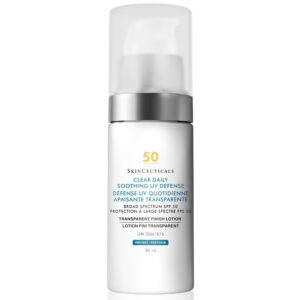
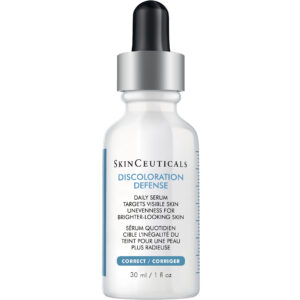
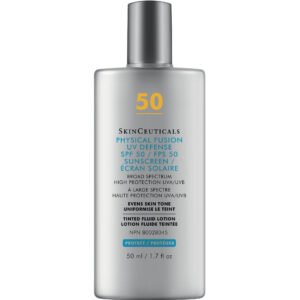
Recommended aftercare and skincare
The medical grade products our team uses to protect and extend your results. Shipped express across Canada, free over 150 dollars.
Ready to look into it properly?
Our consultation is free. We will look at your skin, give you an honest recommendation, and say so if a different treatment would suit you better.
Or call 416 923 1200 · 46 Fort York Blvd, CityPlace, Toronto
Questions about this treatment?
Ask us anything before you book. Consultations are free, and we will tell you honestly if a treatment is not right for you.