Tear trough filler at Bar Beauty Medical in Toronto costs $850 CAD. It treats the hollow groove running from the inner corner of the eye across the upper cheek, which is what creates that permanently tired look. It is one of the more technical injections on the face, and not everyone is a candidate.
| Treatment | Price (CAD) | What it covers |
|---|---|---|
| Tear trough filler, under eyes | $850 | The hollowing and shadowing itself. |
| Skin boosters, Redensity-1, 1 cc | $500 | Skin quality and fine crepiness rather than volume. |
| Aerolase NeoSkin Custom Facial | $350 | Tone and texture around the eye. |
| Dissolving, if needed | $150 | Hyaluronidase, occasionally used to refine an under-eye result. |
| Consultation | Free | Candidacy assessment. We turn people down for this one. |
All prices are in Canadian dollars and are the published rates at Bar Beauty Medical, 46 Fort York Blvd, CityPlace, Toronto. Taken from our live booking system, verified 18 August 2026. Poor candidates include significant fat herniation or very thin skin with prominent vessels. We will say so at the consult.
Under-Eye Hollows and Tear Troughs in Toronto: The Honest Guide
By Basil Russo, Founder, Bar Beauty Medical, 46 Fort York Blvd, CityPlace Toronto Clinically reviewed by Jasmine Saggu, RN, Aesthetic Nurse Injector at Bar Beauty Medical Phone 416-923-1200 · Book at barbeautymedical.janeapp.com
Teoxane Redensity-1 and Redensity-2: How They Are Different
Both products come from the same Swiss manufacturer (Teoxane), but they are designed for completely different jobs. Mixing them up is one of the most common mistakes in Toronto med-spa marketing copy.
Redensity-1, a skin booster, not a volumizer
Redensity-1 is a hyaluronic acid skin booster, not a traditional volumizing filler. We use it at Bar Beauty Medical for:
- Skin hydration (deep, long-lasting moisture, not surface)
- Improving overall skin quality and luminosity
- Fine lines that are caused by surface dehydration
- Crepey skin on cheeks, neck, or hands
- Neck, face, décolleté, and back-of-hand revitalization
The formula contains hyaluronic acid, eight amino acids, three antioxidants, two minerals, and a complex of vitamins. It gives glow and hydration, not volume. If your goal is to look more rested and have better skin quality, Redensity-1 is the right pick. If your goal is to fill a wrinkle or restore lost volume, you need a different product.
At Bar Beauty Medical: Skin Boosters Redensity-1 starts at $500 per 1cc session at our CityPlace Toronto location.
Redensity-2, the specialized under-eye filler
Redensity-2 is a specialized filler formulated specifically for the under-eye area (tear trough). We use it for:
- Dark circles caused by shadow (not by pigment)
- Hollow under-eyes
- Tired or sunken appearance from age-related fat-pad descent
What makes it specific to the under-eye: the lower water-binding capacity of the gel means it does not swell up the way standard fillers do in delicate periorbital skin. The result looks more natural and reduces the risk of morning puffiness and Tyndall (the bluish cast from filler placed too superficially under thin skin).
At Bar Beauty Medical, our 2026 tear trough protocol uses Teosyal Redensity 2 as first-line, with Stylage as our second-line option for patients who need a softer, lighter gel. Bilateral session $850 to $1,200. Cannula technique always, no needles for under-eye.
You walk into a bathroom under direct overhead lighting and see a shadowed groove running from the inner corner of your eye toward your cheek. Sometimes vertical, sometimes diagonal. Friends, makeup artists, or strangers have told you that you “look tired” even when you slept nine hours.
That’s a tear-trough deformity. It’s the single most-injected anatomical area at Bar Beauty Medical. It’s also the single most-mistreated area in Toronto generally.
I’m Basil. I run Bar Beauty Medical on Fort York Blvd in CityPlace. Honestly, tear-trough treatment is high-risk. The most vascularly dense injection territory on the face. The patients who come to us after a bad treatment elsewhere need the honest version of this conversation, not the marketing version.
What Is A Tear Trough?
Not a wrinkle. It’s the depression created by the boundary between the orbital portion of the orbicularis muscle (lower eyelid) and the malar portion of the cheek. An underlying ligament, the tear-trough ligament, tethers the skin to the maxilla bone. As you lose the medial malar fat pad (SOOF and medial cheek), the area below the ligament deflates while the area above stays the same. Visible groove.
Three contributing depressions get lumped together:
- The tear trough proper, medial groove from inner canthus to mid-pupil
- The palpebromalar groove (lid-cheek junction), lateral groove from mid-pupil to outer canthus
- The nasojugal fold, diagonal continuation toward the nasolabial area in some patients
Different plans for each. A medial-only trough needs ~0.5 mL placed deep on the bone with cannula. A full lid-cheek deficit may need a syringe to the trough, a syringe to the mid-cheek to support the structure above, and Botox to reduce the orbicularis-driven shadow.
Why Do Tear Troughs Develop?
- Genetics. The depth and shape of your orbital rim is mostly inherited. Patients with deep-set eyes and a recessed maxilla can have visible troughs in their twenties.
- Volume loss with age. The medial cheek fat pad atrophies and slides down from your mid-thirties.
- Bone resorption. The inferior orbital rim resorbs about 1% per year from 35.
- Rapid weight loss. GLP-1 agonists, post-illness, calorie restriction, all deflate the malar fat and reveal or worsen tear troughs.
- Allergic shiners. Chronic nasal allergy produces venous congestion that deepens the appearance.
- Pigment overlay. Periorbital hyperpigmentation makes a mild trough look severe. Filler doesn’t fix pigment.
- Sleep and lifestyle. Poor sleep, dehydration, high salt, alcohol all puff the lid into a transient bag that worsens the visible trough.
Diagnostic question at consult: how much is volume, how much is muscle, how much is pigment, how much is fluid? A plan that only addresses volume on a patient with 50% pigment contribution will disappoint.
What’s The Best Treatment For Under-Eye Hollows?
Tear Trough Filler, The Primary Move
The right filler in the right plane by an experienced injector is the single most-impactful cosmetic treatment in our practice. Done well, the patient looks rested in a way nobody can identify a treatment for. Done poorly, the patient develops the dreaded “festoon” or Tyndall effect, bluish, puffy lower lids that look worse than baseline.
At Bar Beauty:
-
Registered Nurse Jasmine Saggu performs the injection with a 25 G blunt-tip cannula through a single port at the lateral lid-cheek junction
-
Lighter HA formulations only, typically Teosyal Redensity 2 or Teoxane Redensity-2, selected per patient. We never use high-G-prime fillers here
-
Supra-periosteal placement (on the bone) deep to the orbicularis. Superficial placement produces Tyndall
-
Staged, typically half a syringe per side at the first appointment, reassess at 4 weeks, top up if needed
-
Tear Trough Filler: $850 per treatment
-
Sessions: 1 syringe, reassess at 4 weeks, occasional top-up
-
Maintenance: every 12-18 months
-
Downtime: 48-72 hours of swelling. Bruising possible 7-14 days, especially if you took fish oil, alcohol, or NSAIDs in the 48 hours before
-
Reversibility: hyaluronidase dissolves within 24 hours if needed ($150 fee)
Mid-Cheek Filler, The Structural Support
In moderate-to-severe deficit, the right tear-trough plan often starts with cheek volume above the trough. That lifts the surrounding tissue and reduces the apparent depth of the groove before we inject the trough itself.
- Cheek Filler: $750-$900
- Sessions: 1-2 syringes, reassess at 4 weeks
- Maintenance: 12-18 months
Under-Eye PRF, Skin-Quality Adjunct
Under-Eye PRF is your own blood, spun to isolate the slow-release fibrin matrix with platelets and growth factors, then injected superficially across the periorbital area. Doesn’t fill volume, improves skin quality, thickness, and crepiness across a course.
We often layer PRF on patients who’ve had filler and want to improve surrounding skin tone and texture without adding more volume.
- Under-Eye PRF: price on consult
- Sessions: 3, 6-8 weeks apart
- Downtime: 24-48 hours pinkness or mild swelling
- Bruising risk: real
Salient NaturaGel PRP, The Hybrid
Salient NaturaGel is autologous PRP processed with a thermal cross-link into a soft gel handled like a soft filler. Immediate mild volume plus the growth-factor benefits of PRP. Absorbs over 6-12 months. Niche for the patient who wants gentle restoration without HA. Price on consult.
Botox For The Orbicularis Shadow
A subset of patients have a strong lower orbicularis that bunches on smile and creates a transverse shadow above the tear trough. 1-3 units of Botox per side into the pre-tarsal orbicularis flattens it. Technique-sensitive, over-treatment causes lower-lid laxity.
Aerolase NeoSkin, Pigment And Skin Quality
For the pigmented contribution to dark circles (bluish, brownish, or purplish overlay that filler won’t fix), our protocol is Aerolase NeoSkin across a 4-6 session course. Safe on all skin tones.
- Aerolase NeoSkin Custom Facial: $350
Surgery (Lower Blepharoplasty), When We Refer Out
For significant excess skin (dermatochalasis), prominent lower-lid fat herniation, or a deep tear trough plus hollow not safely correctable with filler, the right answer is a lower blepharoplasty with fat repositioning by a facial plastic surgeon. We refer. We don’t over-fill a surgical candidate to make the sale.
What Combination Protocol Do You Recommend?
A typical plan:
- Consult and photograph, identify volumetric vs muscular vs pigment components
- Mid-cheek support if indicated, 1 syringe cheek filler
- Tear-trough filler, 0.5-1.0 mL per side, supra-periosteal cannula
- Reassess at 4 weeks, top up if needed
- Botox if muscle contribution, micro-dose pre-tarsal
- Aerolase NeoSkin course, 4-6 monthly sessions for pigment and skin quality
- At-home, prescription tretinoin (Dr. Henneberry-Fudge prescribes), mineral SPF 50 daily, sleep elevation, salt and alcohol reduction
Year-one investment: $2,500-$4,000.
How Long Until I See Results?
- Day 0: treatment
- Day 1-3: swelling visible
- Week 1: initial settling
- Week 4: final result for filler
- Month 3: final result if combined with Aerolase or microneedling
What you can expect: 70-90% reduction in shadow depth from filler alone if volume is the dominant cause. More rested, less tired appearance that strangers can’t place a treatment to. Better photos, the under-eye is where flash catches you out.
What you can’t expect: resolution of pigment overlay from filler alone. Permanent results, HA filler is 12-18 months here. A 21-year-old’s under-eye if you’re 50 with significant volume loss and skin laxity.
When Is Tear Trough Filler A Bad Idea?
- Festoons (malar bags), fluid-filled pouches below the lid that mimic dark circles. Filler will worsen festoons. Surgical evaluation.
- Significant lower-lid laxity, if the lower lid doesn’t snap back when gently pulled (positive snap-back test), filler can pool and produce chronic bagging
- Active thyroid eye disease, defer until stable
- Active anticoagulation that can’t be paused, bruising risk too high. Coordinate with prescriber
- History of vascular complication elsewhere, filler-related vascular events are uncommon but serious. A history is a strong relative contraindication
- BDD concern, Dr. Henneberry-Fudge screens
- Pregnancy or breastfeeding
- Unrealistic expectations, some shadowing under your eyes is anatomic at any age
Full pricing at barbeauty.ca/price-list.
What Happens At Your Consult?
Intake (5 min): health questionnaire, medications, allergies. Standardised photographs, multiple angles, including chin-up to assess trough vs lid bag. Snap-back and lid distraction test, we test lower-lid laxity. If positive, we discuss alternatives. Volume assessment: manual lift of the cheek to see if the trough resolves with cheek support. Pigment versus shadow via cross-polarised photography. Treatment plan in writing, itemised. No pressure. We often book the injection appointment 1-2 days later to give you time to confirm.
Who Treats You?
Registered Nurse Jasmine Saggu handles all tear-trough work. Julia Barabas, Medical Aesthetician and Glow Specialist, leads Aerolase and PRF. Medical oversight from Dr. John David Henneberry-Fudge MD FRCPC.
A Note From Dr. Henneberry-Fudge
Tear-trough filler is the area where I most often counsel patients to slow down. The under-eye is where patients project the most psychological weight, and the area is unforgiving, both anatomically (the vasculature) and aesthetically (overcorrection looks worse than undercorrection). I support the conservative, staged approach our injectors use, and I screen patients with disproportionate distress about this specific area for BDD. If you’re someone whose under-eye concern is genuinely about a visible defect, we can almost certainly help. If it’s the location your mind has landed on, we help in a different way.
, Dr. John David Henneberry-Fudge MD FRCPC, CPSO #95972
Who Are Your Typical Patients?
- 31-year-old, deep-set eyes, King West, genetic trough since teens. No volume loss, just a structural groove. One syringe with cannula, cheek not needed. $850. Lasts 18+ months.
- 44-year-old, perimenopausal, Liberty Village, recent 15 lb weight loss. Mid-cheek deflation, secondary trough, fine lines around the eye. Plan: cheek support + tear trough + Aerolase course. ~$2,500-$3,200 year one.
- 52-year-old, came in after bad filler elsewhere. Has Tyndall, puffy lower lids. Plan: dissolve all filler ($150), 4 weeks of rest, re-plan from baseline. Often the better long-term outcome.
Common Misconceptions About Under-Eye Filler
- “More filler fixes tired eyes.” Often the opposite. Overfilling the under-eye is what causes the puffy, bluish look people are trying to avoid. The skill here is using less, placed deep on the bone.
- “Filler fixes dark circles.” Only the shadow kind. Pigment-driven dark circles need a laser like Aerolase, not filler. Most under-eyes are a mix, which is why the consult sorts shadow from pigment first.
- “If it is expensive it must be better.” Under-eye price tracks injector skill, which is genuinely scarce here, more than product or postcode. A high quote at a luxury address does not guarantee a safer result.
- “My results will look obvious.” Not when it is done conservatively. The comment patients hear is “you look rested,” not “what did you have done.”
- “I have to decide today.” No. We often book the injection a day or two after the consult so you have time to confirm, and we stage the filler rather than doing it all at once.
- “Injectables are a slippery slope.” Only if no one screens for it. The under-eye is the area patients fixate on most, so Dr. Henneberry-Fudge runs a BDD screen and we say no when treatment will not help.
Under-Eye and Tear Trough Filler: Cost and Common Questions
How much does tear trough filler cost in Toronto?
At Bar Beauty Medical, tear trough filler is $850 for the under-eye treatment, which is the figure live in our booking system, using Teosyal Redensity 2 or Teoxane Redensity-2. Mid-cheek support, when it is needed first, is $750 to $900 per syringe. You get a fixed written quote at the consult, and the full price list is published.
What is the best filler for under-eye hollows?
We use Teosyal Redensity 2 first-line, a hyaluronic acid filler made specifically for the under-eye, with Teoxane Redensity-2 as a second option for a slightly different gel behaviour. Both are low-water-binding, soft fillers chosen specifically so they do not swell or turn the under-eye puffy. We do not use thick, high-G-prime products in this area.
Does under-eye filler get rid of dark circles?
It fixes the shadow kind of dark circle, the one caused by a hollow groove catching light. It does not fix pigment-based dark circles (brown or blue staining of the skin), which need a laser such as Aerolase NeoSkin. Most people have a mix, so we measure the contribution of each at the consult before quoting.
Is tear trough filler safe?
It is one of the higher-risk filler areas because the vasculature around the eye is dense, which is exactly why technique matters. We use a blunt cannula through a single lateral port, place product deep on the bone, keep hyaluronidase on hand, and screen out poor candidates (festoons, lower-lid laxity, active thyroid eye disease). In the right hands and the right candidate it is very safe.
How long does under-eye filler last?
Twelve to eighteen months on average, and sometimes longer in this low-movement area. HA filler here can be dissolved with hyaluronidase within 24 hours if you are ever unhappy, which is part of why we use it rather than a permanent option.
Common Questions
Will it hurt? With cannula and adequate numbing, most patients rate it 3-4/10, pressure more than pain.
How long does it last? 12-18 months on average. Some patients see 24+ months in this low-mobility area.
Will I bruise? 40-60% have some bruising visible at 7-14 days. We minimise by avoiding NSAIDs, fish oil, alcohol, and high-dose vitamin E 48 hours pre-treatment.
What if I don’t like it? Hyaluronidase dissolves it in 24 hours. ~$150.
Can it get worse over time? Two failure patterns we see from outside clinics: Tyndall (bluish appearance from superficial placement), and hydration creep (filler absorbs water across years and produces puffiness). Both dissolvable. Both avoidable with good initial technique.
Can I fly after treatment? Yes, after 24 hours, swelling tolerating.
Why is this area so expensive? Because the injector skill required is genuinely scarce. The vascular anatomy means a complication here can produce vision loss in the worst case. Pay for the operator, not the product.
Can I do it before a wedding? Yes, 6 weeks before. Not 6 days.
Do I need cheek work first? Sometimes. Many patients who present for tear troughs need cheek support first to lift surrounding tissue. We’ll tell you.
I have very dark skin. Is filler safe? Yes. HA filler is colour-blind. Aerolase Neo Elite is the safe laser if you also need pigment work.
What if I’m on Ozempic and losing weight? We typically wait until weight has been stable for 8-12 weeks before injecting, because the area changes shape as facial fat redistributes.
Can men get tear-trough filler? Yes. We adjust placement to preserve a more angular masculine periorbital appearance.
How do I book? Online at barbeautymedical.janeapp.com, by phone at 416-923-1200, or walk in to 46 Fort York Blvd.
Is this treatment safe for darker skin tones? For most of what we offer, yes, Aerolase Neo Elite at 1064 nm is safe across all Fitzpatrick types and is our default for vascular and pigment work in darker skin. Morpheus 8 carries a small PIH risk in Fitzpatrick V-VI that we mitigate with conservative energy settings.
Can I treat this while breastfeeding? Generally no for injectables. Most patients return to treatment three to six months after weaning. Lasers and most facials are fine while nursing.
How does this compare to Yorkville pricing at twice the price? Product is usually the same. Training is comparable. The differential is rent, location, and brand premium, not clinical skill.
Can I do this if I’m on Ozempic or another GLP-1? Yes, but planning matters. Significant weight loss redistributes facial fat. We stage filler decisions for patients in active weight loss.
Do you take insurance or HSA? Aesthetic treatments are not insured under OHIP. Some HSAs cover specific services. We provide itemised receipts on request.
Will my friends or co-workers notice? Not if we do it right. The compliment most patients hear is “you look rested,” not “you look different.”
Book Your Consult Online → Call 416-923-1200 Meet Our Medical Director →
Bar Beauty Medical · 46 Fort York Blvd, Toronto, ON M5V 3Z3 · 416-923-1200
How we treat it at Bar Beauty: tear trough filler and under-eye PRF.
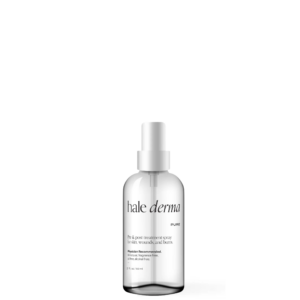
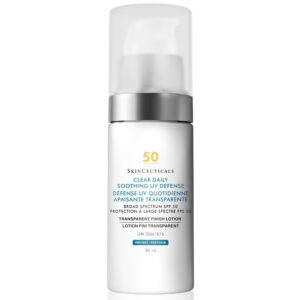
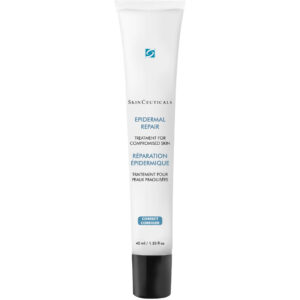
Recommended aftercare and skincare
The medical grade products our team uses to protect and extend your results. Shipped express across Canada, free over 150 dollars.
Ready to look into it properly?
Our consultation is free. We will look at your skin, give you an honest recommendation, and say so if a different treatment would suit you better.
Or call 416 923 1200 · 46 Fort York Blvd, CityPlace, Toronto
Questions about this treatment?
Ask us anything before you book. Consultations are free, and we will tell you honestly if a treatment is not right for you.