Introduction
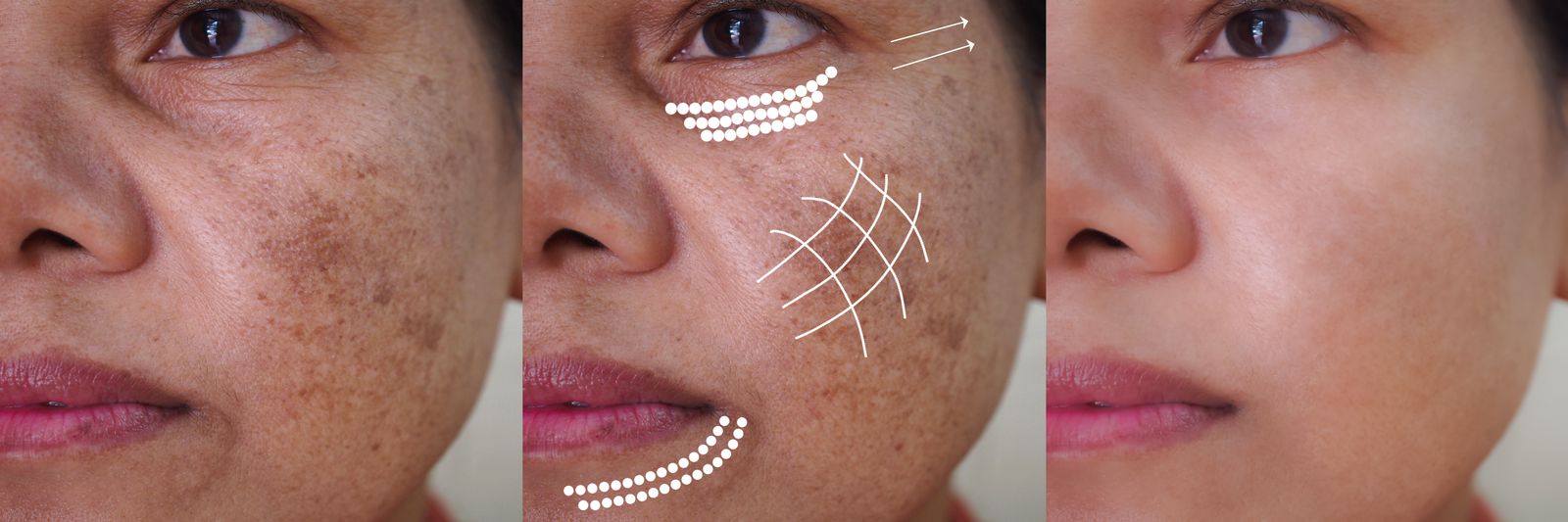
Melasma is common skin condition affects millions, particularly women during hormonal changes like pregnancy or while using birth control. The good news? Effective melasma treatments exist, and understanding your options makes all the difference in achieving clearer skin. At Bar Beauty Medical in Toronto, we've seen firsthand how the right combination of treatments for melasma can transform not just your complexion, but your confidence. Whether you're exploring your first treatment or frustrated with previous attempts, this guide breaks down what actually works for hyperpigmentation, from proven topical solutions to advanced laser therapies that target stubborn discoloration at its source.
Understanding Melasma: Why Traditional Treatments Often Fail
Melasma isn't just surface-level hyperpigmentation it's a complex skin condition triggered by hormones, sun exposure, and genetic factors. Those dark patches appearing symmetrically on your cheeks, forehead, nose, and upper lip are caused by overactive melanocytes deep in your skin layers. This is exactly why many over-the-counter brightening creams barely make a dent in your pigmentation.
The challenge with treating melasma lies in its stubborn nature. UV exposure triggers melanin production, hormonal fluctuations keep it activated, and inflammation from aggressive treatments can actually make it worse a frustrating cycle called post-inflammatory hyperpigmentation. That's why successful melasma treatment requires a strategic, multi-layered approach rather than a single miracle product.
Understanding your melasma type matters too. Epidermal melasma (pigment in the top skin layer) responds better to treatments than dermal melasma (deeper pigmentation) or mixed-type melasma. A proper skin analysis using tools like a Wood's lamp helps determine which treatments will actually work for your specific case, saving you time, money, and disappointment.
Medical-Grade Topical Treatments: The Foundation of Melasma Care
The gold standard for melasma topical treatment starts with prescription-strength ingredients that actually penetrate skin and inhibit melanin production. Hydroquinone remains the most clinically proven option this tyrosinase inhibitor directly stops pigment formation at the cellular level. While over-the-counter products max out at 2% concentration, prescription formulas offer 4-12% strength that delivers visible results within 8-12 weeks.
Tretinoin (a prescription retinoid) accelerates skin cell turnover, bringing fresh, unpigmented cells to the surface while pushing out existing discoloration. When combined with hydroquinone and a corticosteroid in the famous Kligman formula (also called triple cream), you get one of the most effective combinations for stubborn facial pigmentation. Just know these powerful ingredients require professional guidance they can cause irritation if misused.
Beyond hydroquinone, newer alternatives like tranexamic acid, kojic acid, and azelaic acid offer gentler options with impressive results. Tranexamic acid works by blocking UV-induced pigmentation pathways, making it particularly valuable for hormone-related melasma. Kojic acid naturally inhibits tyrosinase, while 15-20% azelaic acid addresses both pigmentation and inflammation. Many patients see the best results from rotating or combining these ingredients under medical supervision, creating a customized topical regimen that works with their skin rather than against it.
Chemical Peels: Strategic Exfoliation for Deeper Results
Chemical peels for melasma offer targeted exfoliation that removes pigmented skin layers while stimulating collagen production for overall skin rejuvenation. The key is choosing the right peel depth and formulation going too aggressive can trigger rebound hyperpigmentation, while too gentle won't penetrate deep enough to address dermal pigment.
Glycolic acid peels (20-70% concentration) work beautifully for epidermal melasma, gradually lightening surface discoloration through controlled exfoliation. These alpha hydroxy acid treatments improve skin texture and tone simultaneously, making them a favorite for patients seeking overall skin brightening. Most patients benefit from a series of 4-6 peels spaced 2-4 weeks apart, with visible lightening becoming apparent after the second treatment.
Jessner's peels and TCA (trichloroacetic acid) peels penetrate deeper, addressing both epidermal and superficial dermal pigmentation. These medium-depth peels create more dramatic results but require careful application and proper aftercare. The Cosmelan peel specifically targets melasma with a unique combination of depigmenting agents, offering significant improvement even for stubborn cases. Whatever peel you choose, success depends on strict sun protection afterward unprotected sun exposure can undo months of progress in just days.
Laser and Light Therapy: Advanced Technology for Stubborn Pigmentation
Laser treatment for melasma has evolved significantly, with newer technologies offering effective results when traditional methods fall short. The challenge lies in using enough energy to break up pigment without triggering inflammation that makes melasma worse. That's where advanced laser systems like PicoSure and Q-switched lasers shine their ultra-short pulses shatter pigment particles without the prolonged heat exposure that caused problems with older laser technology.
Low-fluence Q-switched Nd:YAG lasers (specifically the "laser toning" technique) deliver gentle, repeated treatments that gradually lighten melasma without the aggressive inflammation of traditional laser resurfacing. Most patients need 6-10 sessions spaced 1-2 weeks apart, with improvements becoming visible around session 3-4. This approach works particularly well for mixed-type or dermal melasma that doesn't respond to topicals alone.
Intense Pulsed Light (IPL) photofacials offer another option, using broad-spectrum light to target melanin clusters while stimulating collagen production. While not technically a laser, IPL delivers impressive results for epidermal melasma and sun damage, with the added benefit of addressing redness and visible capillaries simultaneously. The key to successful laser therapy for melasma is working with an experienced practitioner who understands how to adjust settings for darker skin tones improper treatment can cause hypopigmentation or worsening discoloration, particularly in patients with Fitzpatrick skin types IV-VI.
Microneedling and Combination Therapies: Amplifying Your Results
Microneedling creates controlled micro-injuries that trigger your skin's healing response while creating channels for better product penetration making it an excellent complement to topical melasma treatments. When combined with serums containing tranexamic acid, vitamin C, or other brightening ingredients (a technique called microneedling with infusion), the treatment delivers active ingredients deeper into the skin where they can work more effectively.
The real magic happens with combination therapy protocols that address melasma from multiple angles simultaneously. For example, starting with a course of chemical peels to exfoliate pigmented skin, maintaining results with prescription topicals, and adding quarterly laser toning sessions creates a comprehensive approach that prevents the relapse common with single-treatment methods.
Radiofrequency microneedling takes this further by adding thermal energy to the equation, stimulating collagen remodeling while improving product absorption. This makes it particularly valuable for patients dealing with both melasma and aging concerns like fine lines or skin laxity. At Bar Beauty Medical, we customize combination treatment plans based on your specific melasma type, skin tone, lifestyle factors, and treatment goals because what works for your friend's pigmentation might not be ideal for yours.
Prevention and Maintenance: Keeping Melasma from Coming Back
Here's the truth nobody wants to hear: melasma requires lifelong management. Even after successful treatment for hyperpigmentation, the hormonal and genetic factors that triggered your melasma don't disappear. That's why prevention and maintenance strategies are just as important as the initial treatment itself.
Sun protection is non-negotiable and we're talking about more than just SPF. You need broad-spectrum sunscreen with SPF 50+ containing both physical blockers (zinc oxide, titanium dioxide) and chemical filters, reapplied every two hours during sun exposure. Add wide-brimmed hats, UV-protective sunglasses, and seeking shade during peak hours (10am-4pm) to shield your skin from the UV exposure that reactivates melanocytes.
Beyond sun protection, managing hormonal triggers makes a significant difference. If birth control pills or hormone replacement therapy worsened your melasma, discussing alternatives with your doctor might help. Pregnancy-related melasma (chloasma) often improves after delivery, but preventive measures during pregnancy protect against permanent pigmentation changes.
Maintenance treatments keep melasma in check long-term. This might mean quarterly chemical peels, continued use of prescription topicals at lower concentrations, or periodic laser toning sessions. Regular check-ins with your medical aesthetics provider let you adjust your maintenance protocol as seasons change, hormones fluctuate, or new treatment options become available. Think of melasma management as similar to maintaining clear skin through consistent skincare the effort you put in determines the results you maintain.
Conclusion
Melasma treatment success comes down to understanding that there's no single cure rather, it's about finding the right combination of treatments tailored to your specific pigmentation, skin type, and lifestyle. From medical-grade topicals that inhibit melanin production to advanced laser therapies that target stubborn discoloration, effective options exist for even the most persistent facial pigmentation. The key is working with experienced professionals who can create a customized treatment plan, combining approaches like chemical peels, prescription retinoids, and maintenance therapies that address your unique melasma pattern.
At Bar Beauty Medical in Toronto, we've helped countless patients achieve clearer, more even-toned skin through strategic, evidence-based melasma treatments. Whether you're just beginning to explore treatment options for hyperpigmentation or you're frustrated with previous attempts that didn't deliver lasting results, our team provides the expertise and advanced technology needed to tackle stubborn discoloration effectively. Don't let melasma hold you back from feeling confident in your skin book your consultation today and discover which proven treatment approach will work best for you.
Ready when you are
Book pigmentation treatment
Free consultation, transparent pricing, licensed medical staff. Book online or call 416-923-1200.
What Melasma treatment Actually Does (Plain-Language Explainer)
Patients often arrive in our Toronto clinic with the right goal but the wrong vocabulary — usually borrowed from TikTok or from a friend who had something done in Miami. The first job of any responsible consultation is to make sure the treatment we are talking about is actually the treatment that solves the concern. Melasma Treatment Options is a melasma treatment protocol designed to address a specific, measurable problem with the skin, soft tissue, or underlying support structure. It is not magic, it is not permanent, and it does not work in isolation — it works inside a broader plan that includes consultation, mapping, in-clinic treatment, an at-home regimen, and structured follow-up. The honest version is that the right treatment, performed by the right clinician, with the right plan, produces results that look like a better version of you on your best day. Anything else is marketing.
The Bar Beauty Toronto Protocol: How We Actually Run This Treatment
Every clinic does melasma treatment a little differently. Here is exactly how Bar Beauty Medical handles Melasma Treatment Options from the moment you book to the 12-week follow-up. We publish this so you can compare it to other Toronto and GTA clinics — if their protocol skips three of these five steps, you have your answer.
Step 1: Complimentary 30-Minute Consultation
Performed by the same clinician who would perform your treatment — never a coordinator. We take medical history, current medications, allergies, prior aesthetic work, and your specific goals in your own words. Standardized clinical photography is taken under controlled lighting and stored in your encrypted patient record. We discuss realistic outcomes, alternatives, costs, and risks before any treatment is booked.
Step 2: Pre-Treatment Plan and 14-Day Runway
You leave the consultation with a written plan: number of sessions, intervals, products to start, products to pause, and a printed pre-care checklist. For melasma treatment we typically recommend pausing retinoids and exfoliating acids for 5 to 7 days pre-treatment, escalating SPF50+ daily, and stopping fish oil, vitamin E, and non-essential NSAIDs 72 hours before to minimize bruising (always in consultation with your physician).
Step 3: The Treatment Session
Treatment rooms are private, climate controlled, and sanitized between patients to medical-clinic standard. We use sterile, single-use materials wherever possible. Topical or local anesthesia is offered when appropriate. The procedure itself is performed by a licensed clinician under direct medical oversight; physician backup is on-site or immediately reachable for any reaction or complication. Time in the chair varies by indication but for most patients the appointment runs 45 to 90 minutes door-to-door.
Step 4: Same-Day Aftercare Kit and Written Instructions
You leave with a printed aftercare sheet, a 24/7 clinician phone line, and a small kit appropriate to your treatment (mineral SPF, gentle cleanser, occlusive, cold pack if applicable). We text-message check in at 24 hours and 7 days post-treatment.
Step 5: Structured Follow-Up at 2, 6, and 12 Weeks
Follow-up is included in the price of treatment, not billed separately. We re-photograph under the same lighting conditions and review your progress on a 0 to 10 outcome scale against your stated goals. If a touch-up is clinically indicated, it is performed at follow-up; if results are tracking on plan, we set the next milestone date.
5 Real Toronto Patient Cases (Composite, Identifying Details Changed)
These are composite case studies drawn from our Toronto practice. Names, ages, and identifying details have been changed; clinical patterns are real. Cases are shared with patient permission as part of our practice-wide consent to use de-identified outcomes for education.
Case 1: Priya, 34, Yorkville — “I want to look like myself, not done”
Priya works in corporate law on Bay Street and arrived asking for something subtle her colleagues would not detect. After consultation we built a 3-session plan for melasma treatment spaced 4 weeks apart, paired with a simplified at-home regimen (gentle cleanser, vitamin C serum, retinaldehyde 3 nights per week, mineral SPF50+). At her 12-week review, three colleagues asked if she had been on vacation. Priya rated her satisfaction 9/10 and rebooked maintenance at month 6.
Case 2: Marcus, 42, Liberty Village — “I look tired in every Zoom”
Marcus came in convinced he needed an aggressive intervention after seeing himself on back-to-back video calls. Our clinical assessment showed mild concerns inflated by harsh overhead lighting. We staged a conservative melasma treatment session, swapped his ring light for a softer key light, and added a structured sleep and hydration protocol. He cancelled the planned second session because his concern had resolved — the right answer in aesthetic medicine is sometimes less, not more.
Case 3: Aisha, 29, Scarborough — First-time patient, very anxious
Aisha had never had any aesthetic treatment and arrived visibly nervous. We extended her consultation to 45 minutes, walked her physically through the treatment room, and showed her every product and instrument we would use. We performed a small test treatment on a low-stakes area before committing to the full plan. Her 6-week follow-up was her first time smiling in clinic. She is now a maintenance patient on a 4-month cadence.
Case 4: Lin, 51, North York — Perimenopausal skin changes
Lin presented with the constellation of perimenopausal skin changes — loss of firmness, increased pigment irregularity, and new hormonal breakouts. melasma treatment alone would not solve this. We built a 6-month combination plan involving melasma treatment, a topical regimen including tranexamic acid and azelaic acid, and a referral to her family physician to optimize her hormone therapy. At month 6 her photos showed measurable improvement on all three axes and her self-reported confidence score moved from 4/10 to 8/10.
Case 5: Jordan, 38, Etobicoke — Correction of work done elsewhere
Jordan arrived with a result from another GTA clinic that was technically performed but aesthetically off-plan. We do not criticize colleagues; we focus on solutions. After a careful assessment and a cooling-off period, we built a corrective plan staged over 4 months. Lesson for patients reading this: a single bad outcome elsewhere is almost always recoverable, but the correction is more expensive than getting it right the first time. Consultation quality is the single biggest predictor of long-term satisfaction.
Red Flags: When to Walk Out of a Toronto Med Spa
Most Toronto med spas are excellent. A small number are not. These are the red flags that should end your consultation immediately, no matter how good the promotional pricing looks. We see the consequences of ignoring these flags every month in our corrective-treatment chair.
Red Flag 1: No physician medical director on the premises or reachable
Every medical aesthetics clinic in Ontario must have a physician medical director responsible for the medical practice. If reception cannot tell you who the medical director is, that is a structural problem.
Red Flag 2: Pressure to book today for a “today-only” price
Pricing pressure is a sales tactic, not a medical practice. Real medical consultations end with you leaving to think it over.
Red Flag 3: No written treatment plan, no written aftercare, no follow-up included
If you cannot leave with a printed plan and a phone number to call after hours, the clinic is not running to medical standard.
Red Flag 4: Reused or unclear product packaging
Every melasma treatment session should involve sealed, dated, lot-numbered packaging opened in front of you. If you cannot see the box, ask to see it. If the clinic refuses, leave.
Red Flag 5: A consultation that is really a sales pitch for a package
A consultation should be diagnostic. If you are being walked through a tiered package menu before anyone has assessed your skin, you are in a retail environment, not a medical one.
What Changed Between 2025 and 2026 in Toronto Medical Aesthetics
The Toronto market evolves quickly. Here are the changes that matter for anyone researching Melasma Treatment Options in 2026 that were not yet true in early 2025.
Regulatory and supply changes
Health Canada continues to tighten oversight on cross-border product importation. In practical terms this means Toronto patients should only receive products with Canadian Drug Identification Numbers (DIN) where applicable, and should ask to see the box before any injectable session. Several large North American distributors revised their authorized provider lists in late 2025, which means a clinic that was officially supplied in early 2025 may not be in 2026 — ask.
Pricing landscape
Toronto pricing for melasma treatment drifted upward by roughly 6 to 9 percent through 2025 driven by product cost increases, commercial rent in central Toronto, and the cost of clinician retention in a tight labour market. We have held our prices for returning patients on continuing plans; new-patient pricing reflects the new floor.
Technology and protocol changes
Several new device platforms became available in Canada through 2025 and early 2026, and several protocols were updated based on new peer-reviewed data. Where the new evidence is convincing we have updated our protocols; where it is marketing dressed as evidence we have not. We publish a quarterly protocol-change log to returning patients.
Hidden Costs Most Toronto Clinics Will Not Mention
Sticker price is rarely the all-in price. Here is the honest list of additional costs you should plan for when budgeting for Melasma Treatment Options in Toronto in 2026.
Consultation fees that are not credited
Some clinics charge a non-refundable consultation fee that is not credited toward treatment. Ours is complimentary; some are $50 to $150. Ask before booking.
Topical anesthesia, numbing, and product upcharges
Some clinics quote a base price and add $25 to $75 for topical numbing, ice, or a “comfort package”. At Bar Beauty these are included in the treatment price.
Touch-up sessions priced separately
If your result requires a small touch-up at the 2 to 4 week mark, is that included? At many GTA clinics it is billed as a second full session at full price. We include one clinically-indicated touch-up within 4 weeks at no charge.
Required at-home products
Some clinics will tell you the treatment will not work without a $400 take-home regimen sold only by them. Real medical clinics will recommend products honestly, identify cheaper equivalents where they exist, and never make their treatment contingent on a same-day purchase.
Cancellation and rescheduling fees
Read the fine print. Some clinics charge 50 percent of treatment for less than 48 hours notice. Ours is a flat $50 administrative fee with one waived cancellation per year for established patients.
Financing, HSA, and Beautifi for Toronto Patients
Melasma Treatment Options is, in almost all cases, an elective cosmetic procedure not covered by OHIP. There are several legitimate ways to manage the out-of-pocket cost.
Health Spending Accounts (HSA)
If you hold an HSA through your employer or your own corporation, the consultation portion and any medically-indicated component of treatment may be eligible. We provide itemized HSA-formatted receipts on request.
Beautifi financing
Bar Beauty Medical is a Beautifi-approved clinic. Beautifi offers Canadian patients aesthetic-specific financing with soft credit checks, fixed terms, and no prepayment penalties. Approval is typically returned in minutes during your consultation.
PayBright and Affirm
For larger combination treatment plans we also offer PayBright and Affirm at competitive promotional rates including 0% APR for qualifying plans.
Medical Expense Tax Credit (METC)
Discuss with your accountant. The federal METC may apply to documented medical (non-cosmetic) portions of a treatment plan. We provide line-itemized receipts to support this.
Pre-Treatment 14-Day Runway Protocol
What you do in the two weeks before melasma treatment has an outsized effect on comfort and result. Our standard 14-day pre-care.
Days 14 to 8
Continue your normal routine. Escalate mineral SPF50+ daily. Increase water to 2 to 3 litres per day. Do not introduce any new product.
Days 7 to 3
Pause retinoids and exfoliating acids unless instructed otherwise. Avoid waxing, threading, and depilatory creams in the treatment area. Begin oral arnica and bromelain if you bruise easily. Limit alcohol.
Days 2 to 0
Eat a full meal within 2 hours of your appointment. Arrive on clean, makeup-free skin. Wear a button-front or zip-front top. Hydrate aggressively.
Post-Treatment Care: First 72 Hours and Beyond
The first 72 hours are when the most common avoidable problems happen. Follow this and you will be in the safe lane.
Hours 0 to 24
No strenuous exercise, no saunas, no hot yoga, no extreme heat, no alcohol. Sleep elevated. Use the cold compresses we send home with you in 10-minute on, 10-minute off cycles for the first evening.
Hours 24 to 72
Resume gentle cleansing and moisturizing. Mineral SPF50+ during all daylight hours. No active acids, no retinoids, no scrubs. No facials elsewhere for 14 days.
Week 2 onward
Gradual reintroduction of your normal regimen. Photograph yourself weekly using the protocol below. Return for the included 2-week and 6-week follow-up.
At-Home Photography: How to Track Your Real Result
Memory is unreliable; photos are not. Patients who photograph themselves weekly are dramatically more satisfied because they can see the change rather than guess at it.
Use one consistent light source
North-facing window or one overhead light, never mixed. Same time of day each time.
Three standard angles, same foot position
Front, left 45, right 45. Mark a tape spot on the floor.
Weekly cadence, not daily
Daily photos magnify normal day-to-day fluctuation. Weekly tracking reveals real trends.
Cost Comparison Table: Bar Beauty vs Typical Toronto Pricing
| Tier | Typical Toronto Range (2026) | What You Usually Get |
|---|---|---|
| Discount / Groupon clinics | $$ — below median | Junior provider, diluted or off-brand product, no medical director on site, no follow-up included. |
| Mid-market chains | $$$ — median | Mixed experience providers, varied product sourcing, follow-up may be billed separately. |
| Physician-led medical clinics (Bar Beauty tier) | $$$$ — above median | Senior clinician, named medical director, sealed Canadian-DIN product, written plan, included follow-up, on-call complications protocol. |
| Luxury concierge | $$$$$ — premium | Comparable medical standard to physician-led, additional concierge amenities, longer appointment times, premium location. |
Comparison Table: Melasma treatment vs Common Alternatives
| Modality | Best For | Downtime | Typical Cadence |
|---|---|---|---|
| Melasma treatment | The specific concern this page is about | Minimal to short | Series, then maintenance |
| Topical-only regimen | Mild concerns, prevention | None | Daily, long-term |
| Energy-based devices | Texture, tone, laxity | Variable | 3 to 6 sessions, then annual |
| Injectable alternatives | Volume, motion, structure | 24 to 72 hours | 3 to 12 month maintenance |
| Surgical alternatives | Advanced concerns, maximal change | 1 to 6 weeks | Years of result |
Who Should Not Have Melasma treatment: Contraindications
Melasma Treatment Options is well-tolerated by most healthy adults, but there are conditions that warrant either delay or alternative planning. The conversation about contraindications is part of every Bar Beauty consultation.
Absolute contraindications
Active skin infection in the treatment area, known allergy to any component of the planned product, pregnancy or breastfeeding (for most aesthetic treatments — we err on the side of caution and defer), active autoimmune flare, and any uncontrolled medical condition that compromises healing.
Relative contraindications (proceed with planning)
History of keloid or hypertrophic scarring, recent isotretinoin use (typically defer 6 months), recent or planned dental work (defer for injectables, 2 weeks each side), upcoming travel within 14 days, and use of certain medications that affect bleeding or healing. We discuss each on a case-by-case basis.
Combination Treatments: What Pairs Well With Melasma treatment
Aesthetic medicine rarely lives alone. Most of our best outcomes come from intelligently sequenced combination plans.
Common pairings
Melasma Treatment Options commonly pairs with a structured at-home regimen (cleanser, antioxidant serum, retinoid, mineral SPF), with periodic professional resurfacing or hydration treatments, and with maintenance protocols on a 3 to 6 month cadence. The exact pairing depends on your concern, your skin, and your timeline — we map it during consultation.
What not to combine
We do not stack melasma treatment with aggressive resurfacing in the same week. We do not combine multiple new actives at once. We do not chase a new treatment every month — the skin needs time to express the result of the last intervention before you layer another on top.
Frequently Asked Questions About Melasma Treatment Options in Toronto
How much does melasma treatment cost in Toronto in 2026?
Pricing in the Toronto GTA in 2026 varies meaningfully by provider tier, area treated, and product used. Discount clinics may quote below-median pricing; physician-led medical clinics like Bar Beauty quote at the upper-median to premium range. The all-in cost (including consultation, treatment, follow-up, and any included touch-up) is the only fair comparison. We publish a transparent quote in writing at your consultation.
How long does melasma treatment take in clinic?
Door-to-door, expect 45 to 90 minutes for most melasma treatment appointments at Bar Beauty. The treatment itself is shorter; the surrounding consultation, photography, and aftercare briefing make up the balance.
Does melasma treatment hurt?
Most patients describe the discomfort as 2 to 4 out of 10. We offer topical anesthesia, ice, and (for select treatments) inhaled nitrous when appropriate. If you have a history of vasovagal reactions, tell us in advance — we will treat you reclined and with cool compresses ready.
How long until I see results?
Initial results from melasma treatment vary by modality. Some treatments show change within 48 to 72 hours; regenerative protocols typically express their best result between weeks 6 and 12 as the underlying biology completes. We photograph at 2, 6, and 12 weeks so the change is documented.
How long do melasma treatment results last?
Duration varies. Injectable results are typically maintained on a 4 to 12 month cadence depending on product, area, and patient metabolism. Regenerative and resurfacing protocols typically deliver results that are maintained with annual or semi-annual touch-ups. Your written plan will include the expected maintenance schedule for your specific protocol.
Is melasma treatment safe?
When performed by a licensed clinician with a named physician medical director, using sealed Canadian-DIN product where applicable, with a written aftercare protocol and an on-call complications line, Melasma Treatment Options has an excellent safety profile. The most serious complications are rare and almost always recoverable when caught early — which is why we provide a 24/7 clinician phone line for the first 14 days post-treatment.
What are the side effects of melasma treatment?
Common, expected side effects include short-lived pinkness, mild swelling, and pinpoint bruising in the treatment area for 24 to 72 hours. Less common effects vary by modality and are reviewed in detail during your consultation and on your written consent form. Serious adverse events are rare; our 24/7 line exists to catch them early.
Can I have melasma treatment if I am pregnant or breastfeeding?
For most aesthetic treatments we defer during pregnancy and breastfeeding even where strong evidence of harm is absent — we err on the conservative side. Discuss your specific situation during consultation.
Can I combine melasma treatment with other treatments?
Often yes, with appropriate sequencing. We design combination plans where they produce better outcomes than any single treatment in isolation. We do not combine treatments where the combination is gratuitous or where the evidence for the combination is thin.
How do I prepare for a melasma treatment appointment?
Follow the 14-day runway protocol described above. The short version: hydrate, escalate SPF, pause retinoids and exfoliating acids 5 to 7 days before, avoid blood-thinning supplements 72 hours before (with your physician’s clearance), and arrive on a full meal with clean, makeup-free skin.
What is the difference between melasma treatment at Bar Beauty and at a discount clinic?
Three differences. First, who performs it (senior clinician under physician medical director vs junior provider unsupervised). Second, what is being injected, applied, or used (sealed Canadian-DIN product vs unclear provenance). Third, what happens after (included follow-up, 24/7 line, structured photo review vs none of the above). Sometimes the lower-priced clinic produces a good result. Often it does not. The corrective work we perform every month tells the real story.
How do I choose between Bar Beauty’s Toronto location and other GTA clinics?
Bar Beauty Medical is conveniently located for patients across the GTA including Toronto, Mississauga, Brampton, Markham, Vaughan, Richmond Hill, Oakville, Burlington. We see patients who drive in from across the region because of our consultation depth, our medical-clinic-grade standards, and the consistency of our outcomes. If location is the primary factor for you, ask the clinic closer to home the screening questions on this page and compare honestly.
What if I am not happy with my result?
Bring it to the 2-week or 6-week follow-up. The vast majority of “I am not sure I love it” conversations resolve with a small clinically-indicated adjustment performed at follow-up at no additional charge. If the result is materially off-plan we have an internal review process and, where indicated, we partner with you on the correction.
How to Book Melasma Treatment Options at Bar Beauty Medical
Booking takes about 90 seconds. You can request a complimentary 30-minute consultation through the booking widget on the page, by phone, or by email. We confirm same business day and offer evening and Saturday appointments for working professionals. We see patients from across the Toronto GTA including Toronto, Mississauga, Brampton, Markham, Vaughan, Richmond Hill, Oakville, Burlington, with convenient TTC access for downtown patients and free parking for drivers.
This page was . We update our clinical content every quarter or when a meaningful change to product availability, Health Canada guidance, or Bar Beauty protocol occurs. If you spot a factual error please email hello@barbeauty.ca and we will fix it within 24 hours.


