


Crow’s Feet in Toronto: Why They Form and What Actually Works
By Basil Russo, Founder, Bar Beauty Medical, 46 Fort York Blvd, CityPlace Toronto Clinically reviewed by Jasmine Saggu, Registered Nurse at Bar Beauty Medical Phone 416-923-1200 · Book at barbeautymedical.janeapp.com
The fan of lines at the outer corner of your eyes, the ones that radiate when you smile and have started to hang around when you don’t, is what textbooks call lateral canthal rhytids. Everyone else calls them crow’s feet. One of the earliest visible markers of facial ageing, often appearing in your late twenties if you smile big or squint a lot, and honestly one of the most treatable concerns we see.
I’m Basil. I run Bar Beauty Medical on Fort York Blvd in CityPlace. Crow’s feet are typically the first wrinkle patients ever ask us about. Treatment is straightforward when dosing is correct and the anatomy is respected.
The dose at the outer eye is set as much by what gets avoided as by what gets treated. Botox into the lateral orbicularis takes dynamic crow’s feet down 80 to 95 per cent by day 14, and three structures sitting within a few millimetres of those injection points are deliberately left alone. That restraint is the reason a treated eye still smiles like your eye.
- The zygomaticus major. Injections stay superficial, intradermal or just under the skin, so nothing reaches the muscle that lifts your cheek when you smile. Reach it and the shape of your smile changes, which is a far more noticeable problem than the lines you came in for.
- The dose, on a face with low cheek elevation. If your cheek does not travel far when you smile to begin with, the dose comes down. A standard dose in that anatomy produces a heavy lower lid instead of a smoother one.
- The pre-tarsal lower lid. One to three units along the lower lid gives an open eye effect, but only where the snap-back test is positive. Where lower lid tone is poor it is skipped outright rather than dosed lightly.
- The immediate sub-orbital zone. Where lateral periorbital laxity calls for Morpheus 8, the treatment is kept lateral. We do not run it directly under the eye.
- Some movement, on purpose. A completely still outer eye is not the goal. Smile-related cheek elevation is preserved, which means lines that only show at a full smile will still show at a full smile.
The trade for that restraint is that toxin alone will not clear a line already etched into the dermis. Static crow’s feet soften by roughly 40 to 60 per cent over 6 to 12 months, and that softening comes from the skin work running underneath the Botox rather than from the Botox.
What Are Crow’s Feet?
The lateral orbicularis oculi wraps the outer corner of your eye and contracts every time you smile, squint, react to bright light, or blink hard. Those contractions fold the thin overlying periorbital skin into the radiating pattern. Over years, the folds etch into the dermis itself, dynamic (visible with movement) becomes static (visible at rest).
Two patterns:
- Lateral-only, confined to the area outside the bony orbit. The classic fan.
- Extended pattern with lower-lid involvement, extending down into the upper malar zone, often with a shadow line.
Patients with strong cheek elevation on smile get more lateral pattern. Patients with photo-damaged thin lateral skin transition to static lines earlier.
Why Do Crow’s Feet Form?
- Photoageing. The most reproducible accelerant. Lateral periorbital skin is sun-exposed continuously and recovers badly from UV.
- A big smile. Patients who smile widely and often develop crow’s feet earlier, the trace of a life well-smiled.
- Squinting. Screens, driving without sunglasses, reading without correction.
- Allergic eye rubbing. Chronic atopic patients contribute mechanical damage.
- Smoking and vaping. Degrade collagen and produce the “smoker’s squint” pattern.
- Sleep position. Side-sleepers etch one side more than the other.
- Genetics. Fitzpatrick I-III with thin lateral skin develop visible lines earlier.
- Hormonal change. Perimenopausal collagen drop deepens what’s there.
What’s The Best Treatment For Crow’s Feet?
Botox To The Lateral Orbicularis, The Primary Move
Neuromodulator into the lateral orbicularis oculi is the gold standard for dynamic crow’s feet. 4-8 units per side, 2-3 injection points along the lateral fan.
By day 14, dynamic crow’s feet are down 80-95%. With consistent treatment every 3-4 months, the muscle modestly atrophies and the dermis recovers, extra softening of static lines over 6-12 months.
Technique notes:
-
Superficial injection (intradermal or sub-cutaneous) to avoid the underlying zygomaticus major (would affect smile).
-
Conservative dose in patients with low cheek elevation, to avoid heavy-lower-lid look.
-
Pre-tarsal micro-dose (1-3 units along lower lid) for the “open eye” effect, only in patients with adequate lower-lid tone (positive snap-back test).
-
Botox for crow’s feet is dosed per unit at $10/unit, so your total depends on how many units each side needs. Full pricing is on our see our price list.
-
Often combined with full upper-face Botox covering forehead, glabella and crow’s feet in one session.
-
Sessions: every 3-4 months.
-
Downtime: none. Avoid lying flat 4 hours. No intense exercise for 24 hours.
-
Timeline: onset day 3-7, peak day 14, lasts 12-16 weeks.
Microneedling With Exosomes Or PRP
For etched static lines and crepiness, microneedling stimulates collagen and improves dermal density. Layering exosomes or PRP delivers growth factors at the moment of repair.
- SkinPen Microneedling, see our price list
- Microneedling with ASCE+ Exosomes, see our price list
- Vampire Facial: price on consult
Aerolase NeoSkin For Dermal Remodelling
Aerolase Neo Elite at 1064 nm with a 650-microsecond pulse heats the periorbital dermis and triggers collagen remodelling over 4-6 monthly sessions. Safe across all Fitzpatrick types. Zero downtime.
- Aerolase NeoSkin Custom Facial, see our price list
Light Filler For Deep Static Lines
For deeply etched static lines that persist after Botox has peaked, a small amount of thin HA filler placed superficially can soften the line. Niche use.
Morpheus 8, Lateral Periorbital Only
For patients with significant lateral periorbital skin laxity, Morpheus 8 RF microneedling remodels the lateral area. We avoid the immediate sub-orbital zone for safety.
- Morpheus 8 Face, around 3 sessions, see our price list
Chemical Peel For Photodamage
Surface peels brighten and improve texture in photo-damaged crow’s feet skin.
- Chemical Peel Noon 20 or Noon 30, see our price list
At-Home Skincare
Tretinoin nightly. Retinol eye cream cautiously. Mineral SPF 50 daily. Vitamin C serum morning.
What Combination Protocol Do You Recommend?
For a 30-50 year old with moderate crow’s feet:
- Botox for crow’s feet every 3-4 months, often part of an upper-face package
- Aerolase NeoSkin or a microneedling course, around 4 sessions
- At-home, tretinoin, mineral SPF
- Optional, small amount of soft filler for a persistent deep static line
Year-one investment depends on how many of these you combine. We map the full plan and costs against our see our price list at your consult.
How Long Until I See Results?
- Day 3-7: Botox onset
- Day 14: peak Botox result
- Week 4-12: skin treatments compound
- Week 12-16: re-treat Botox
What you can expect: 80-95% reduction in dynamic crow’s feet by day 14. 40-60% softening of static lines over 6-12 months. Brighter, more rested eye area. Better flash photos (flash is unforgiving of periorbital lines).
What you can’t expect: complete elimination of deeply etched static lines from Botox alone. Permanent results. A frozen face, we preserve smile-related cheek elevation on purpose.
When Is Crow’s Feet Treatment A Bad Idea?
- Pregnancy or breastfeeding
- Neuromuscular disease
- Allergy to neuromodulator
- Active infection in field, active conjunctivitis or HSV
- Significant lower-lid laxity (no pre-tarsal micro-dose)
- BDD concern (Dr. Henneberry-Fudge screens)
- Unrealistic expectations of “no lines”
Full pricing at barbeauty.ca/price-list.
What Happens At Your Consult?
Intake. Photos in animation (full smile, squint, react) and at rest. Lower-lid tone assessment. Dose discussion, some movement preserved vs more frozen. Plan and quote. BDD screen. Same-day treatment if confirmed.
Who Treats You?
Registered Nurse Jasmine Saggu handles all Botox. Julia Barabas, Medical Aesthetician and Glow Specialist, leads Aerolase, microneedling, and peels. Medical oversight from Dr. John David Henneberry-Fudge MD FRCPC.
What Should I Ask at My Consult?
The free consult is twenty minutes. Most patients waste fifteen of those minutes on questions Google could have answered, and then run out of time before getting to the ones that actually predict their outcome. Here’s the list we wish every patient brought in.
About the person treating you
- “How many of this exact treatment have you personally done in the last twelve months?” Volume tracks skill more reliably than years in practice.
- “Who supervises your work, and can I verify their CPSO number?” Dr. Henneberry-Fudge is CPSO #95972, verifiable on the public register in 30 seconds.
- “Are you the person who will treat me on the day, or will I be handed off?” At Bar Beauty, the injector you consult with is the injector who treats you.
About the product or device
- “What exact product are you using on me, and why that one over the alternatives?” If the answer is “this is what we stock,” that’s a margin answer, not a clinical one.
- “Can I see the box and the lot number before you draw it up?” Any clinic should say yes without hesitation. We do this by default on every appointment.
- “What’s the manufacturer training certification for this device or product?” Real certifications are checkable.
About what happens if things go wrong
- “What’s your protocol for a vascular event with filler?” The answer should include hyaluronidase on the counter, not in a drawer down the hall.
- “Who do I call at 11pm if something feels off?” With us, leave a message and we call you back the next morning. If it cannot wait, go to the nearest emergency department.
- “What’s your touch-up policy?” We check toxin results at two weeks. Touch-ups are not included in the original price.
About the result you want
- “Is the result I’m describing anatomically realistic for my face?” Patients who don’t ask this end up disappointed.
- “What’s the maintenance schedule and total annual cost if I commit?” The single-session price is the start of the conversation, not the end.
- “What would you say no to today?” An injector who can’t name something they’d refuse is an injector you should leave.
Bring this list. Read it off your phone if you have to. The patients with the best long-term outcomes are the patients who acted like consumers, not patients.
How Do I Spot a Bad Provider for This in Toronto?
Toronto’s aesthetic market is unregulated at the storefront level. Anyone with a business licence and a Square reader can call themselves a medical spa. Here’s the field guide we’d hand a friend.
Red flags before you book
- No medical director name on the website, or “Dr. on call” with no published name and no CPSO number to verify.
- Pricing not published. If you have to ask for a quote, the price is whatever they think you’ll pay when you walk in.
- A single phone number with no online booking. Operationally smaller than they want you to think.
- Stock photo team page. Real teams photograph their real people.
- A Google profile under 30 reviews after more than two years in business. Either nobody knows about them, or they’re suppressing the bad ones.
Red flags during the consult
- They quote you for treatments you didn’t ask about, in the first ten minutes.
- They don’t take a real medical history or screen for BDD.
- The injector can’t name what brand of product they’re about to use, or what the alternatives are.
- They suggest paying in cash for a discount. Indicates off-the-books bookkeeping and almost certainly no real chart on you.
- They press you to commit today with a “package discount” that disappears if you walk out. Real clinics’ prices are stable.
Red flags during treatment
- Product drawn from a vial you never saw or that has no label on it. Counterfeit filler is a real problem in Ontario.
- No emergency kit visible, no hyaluronidase, no epinephrine, no AED.
- They inject without marking your face first.
- They rush. A real injection appointment is 15-30 minutes including conversation, not five.
Red flags after treatment
- No written aftercare. No 2-week check.
- When you call with a concern, you get a voicemail box that doesn’t get returned for days.
- You ask for your chart and they can’t produce it, or it’s a handwritten sheet in a binder.
The market has matured but the regulatory ceiling hasn’t moved. The patient who screens hard at the booking stage avoids almost every bad outcome we’ve seen.
Common Questions
At what age do crow’s feet appear? Dynamic crow’s feet often show up in the late twenties, earlier in people who smile big, squint, or skip sunglasses. They become visible at rest, the static stage, usually in the late thirties to forties. Sun exposure is the single biggest accelerant, so daily SPF is the cheapest prevention there is.
What is the best way to get rid of crow’s feet? For the dynamic lines that appear when you smile, Botox to the lateral orbicularis is the most effective single treatment and the gold standard. For static lines etched at rest, the best results come from combining Botox with collagen work, microneedling, Aerolase NeoSkin, or Morpheus 8, plus a nightly retinoid. No cream alone erases a deep crow’s foot.
Can I treat crow’s feet without Botox? You can improve the skin quality and soften static etching with microneedling, Aerolase NeoSkin, chemical peels, and at-home retinoids and vitamin C. What you cannot do without Botox is stop the muscle from folding the skin when you smile, so dynamic lines keep returning. Most patients who want a real reduction in dynamic crow’s feet do best with Botox as the base.
What ingredients fight crow’s feet? The evidence-backed shortlist is a retinoid (tretinoin or retinol) to build dermal collagen, vitamin C as a daytime antioxidant, peptides for surface support, hyaluronic acid for hydration, and a broad-spectrum mineral SPF to stop further UV damage. These maintain results and slow new lines, they do not replace in-clinic treatment for lines already etched in.
How do I get rid of deep crow’s feet? Deep static lines need layers: Botox to stop the movement re-etching them, collagen remodelling with Morpheus 8 or a microneedling course, and sometimes a tiny amount of soft filler in a stubborn groove after Botox settles. We sequence these over a few months rather than doing everything at once.
What is the difference between crow’s feet and under-eye bags? Crow’s feet are the radiating lines at the outer corner of the eye caused by muscle movement and sun damage. Under-eye bags are puffiness or fat herniation under the lower lid, a different problem with different fixes. Treating one does not treat the other, and we assess both at your consult so you do not pay for the wrong thing.
Will my smile change? Not with proper dosing. The lateral orbicularis fibres we treat aren’t the smile-elevation muscles.
How long does it last? 12-16 weeks.
Does it hurt? 1-2/10. Tiny needles.
Will it get rid of all my lines? Dynamic: yes, mostly. Deep static: partially, with combination treatment.
Can men get crow’s feet treatment? Yes, common request. Higher doses often needed.
Will my eyes look “open”? With appropriate technique, subtly yes. We use pre-tarsal micro-dose only with adequate lower-lid tone.
What if I overdo it? We dose conservatively. If you want lighter, we go lighter next visit. If you want fuller relaxation, we add a small top-up at the 2-week assessment.
Will I bruise? 5-10% have a small bruise. Avoid NSAIDs, fish oil, and alcohol 48 hours pre-treatment.
Is Dysport better than Botox for crow’s feet? Slight tradeoffs. Dysport spreads slightly more (advantage for fan-shaped lines) and onsets faster. Botox more precise. We offer both, plus Nuceiva. We do not carry Xeomin.
What is “baby Botox”? Low-dose preventative Botox. Common in patients in their twenties to early thirties.
Can I start preventative Botox? If you have visible dynamic lines and want to prevent etching, yes. We talk it through at consult.
How do I book? Online at barbeautymedical.janeapp.com, by phone at 416-923-1200.
Is this treatment safe for darker skin tones? For most of what we offer, yes, Aerolase Neo Elite at 1064 nm is safe across all Fitzpatrick types and is our default for vascular and pigment work in darker skin. Morpheus 8 carries a small PIH risk in Fitzpatrick V-VI that we mitigate with conservative energy settings.
Can I treat this while breastfeeding? Generally no for injectables. Most patients return to treatment three to six months after weaning. Lasers and most facials are fine while nursing.
How does this compare to Yorkville pricing at twice the price? Product is usually the same. Training is comparable. The differential is rent, location, and brand premium, not clinical skill.
Can I do this if I’m on Ozempic or another GLP-1? Yes, but planning matters. Significant weight loss redistributes facial fat. We stage filler decisions for patients in active weight loss.
Do you take insurance or HSA? Aesthetic treatments are not insured under OHIP. Some HSAs cover specific services. We provide itemised receipts on request.
Will my friends or co-workers notice? Not if we do it right. The compliment most patients hear is “you look rested,” not “you look different.”
Book Your Consult Online → Call 416-923-1200 Meet Our Medical Director →
Bar Beauty Medical · 46 Fort York Blvd, Toronto, ON M5V 3Z3 · 416-923-1200
How we treat it at Bar Beauty: Botox and medical Botox.
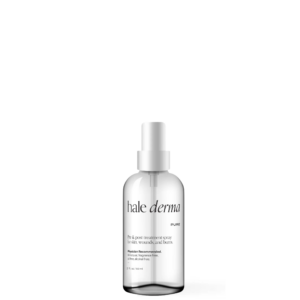
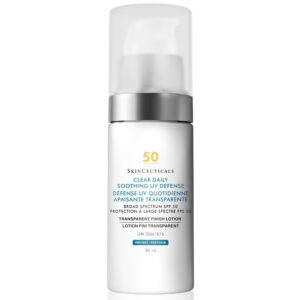
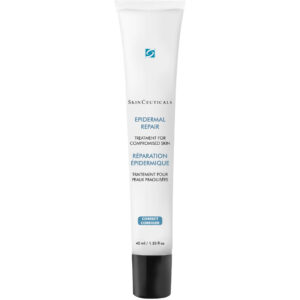
Recommended aftercare and skincare
The medical grade products our team uses to protect and extend your results. Shipped express across Canada, free over 150 dollars.
Ready to look into it properly?
Our consultation is free. We will look at your skin, give you an honest recommendation, and say so if a different treatment would suit you better.
Or call 416 923 1200 · 46 Fort York Blvd, CityPlace, Toronto
Questions about this treatment?
Ask us anything before you book. Consultations are free, and we will tell you honestly if a treatment is not right for you.