


Melasma and Hyperpigmentation in Toronto: Why Most Clinics Get This Wrong
By Basil Russo, Founder, Bar Beauty Medical, 46 Fort York Blvd, CityPlace Toronto Clinically reviewed by Jasmine Saggu, Registered Nurse at Bar Beauty Medical Phone 416-923-1200 · Book at barbeautymedical.janeapp.com
If a med-spa has told you they can “fix your melasma with a few IPL sessions” or “blast it out with Pico” and you’ve either been burned by the experience or watched your pigmentation come back darker, you’re not alone.
Honestly, melasma is the cosmetic condition I take most personally as a clinic owner. It’s the one most consistently mistreated in Toronto. The right answer for our phototype-diverse population is the opposite of what most clinics do. Gentle, repeated dermal treatment combined with appropriate medical therapy. Not aggressive pigment fragmentation.
I’m Basil. I run Bar Beauty Medical on Fort York Blvd in CityPlace.
Melasma is not pigment you can burn off. Most devices that clear sun spots work by depositing energy that melasma-prone skin reads as injury, and injured skin answers with more pigment weeks later. The first question is therefore which device, not how many sessions.
| Device | What happens on melasma-prone skin | Used here for melasma |
|---|---|---|
| IPL and BBL photofacial | Broadband light heavily absorbed by epidermal melanin. The energy deposit sets off an inflammatory cascade that reactivates the same pigment cells you were trying to quiet. Rebound darkening typically appears 4 to 12 weeks later, and on Fitzpatrick V and VI there is genuine burn risk. | No |
| Q-switched Nd:YAG | Fragments pigment granules mechanically. Triggers rebound in a majority of melasma patients within 6 to 12 months. | No |
| Picosecond lasers (PicoSure, PicoWay) | Sold as the melasma-safe alternative, but the photoacoustic fragmentation that drives rebound still operates, and real-world response is inconsistent. | No |
| Fractional CO2 and erbium resurfacing | Reliably makes active melasma worse. | No |
| Aerolase Neo Elite, 1064 nm at 650 microseconds | Too slow for photoacoustic fragmentation and too fast for thermal spillover. Gentle dermal heating alongside medical therapy, across 4 to 6 monthly treatments. | Yes, first line |
Device choice is settled at consultation after skin typing, because a setting that is safe on one phototype is not safe on another. Melasma is chronic, so even the right device is paired with daily photoprotection and topical therapy, and reviewed for recurrence rather than declared finished. Bar Beauty Medical, 46 Fort York Blvd, CityPlace, Toronto.
What Is Melasma?
An acquired hyperpigmentary disorder mostly on the central face, forehead, malar cheeks, upper lip, chin. Three distribution patterns (centrofacial, malar, mandibular) and three depth patterns (epidermal, dermal, mixed). Affects women about nine times more often than men. Fitzpatrick III-V disproportionately.
The driver biology:
- Melanocyte hyperactivity, not more melanocytes, just more tyrosinase activity in the ones you have
- Hormonal influence, oestrogen and progesterone receptors on melanocytes (pregnancy “chloasma,” OCP-associated melasma)
- UV and visible light, including iPhone screens and indoor fluorescent in some patients
- Vascular component, many patches have elevated dermal vascularity
- Inflammatory cascade, any insult (laser, heat, scrub, retinoid burn, IPL, hot yoga) can trigger melanin overproduction
Functionally incurable but very manageable. Goal: 50-70% suppression per treatment series and longer intervals between flares.
What Other Hyperpigmentation Patterns Look Like Melasma?
Often grouped at consult but biologically different:
- Post-inflammatory hyperpigmentation (PIH), pigment after acne, rash, injury. Common Fitzpatrick III-VI.
- Solar lentigines (“age spots”), focal patches from cumulative UV. Common Fitzpatrick I-III.
- Ephelides (freckles), genetic, UV-activated.
- Riehl’s melanosis, pigmented patches from chronic cosmetic contact.
- Periorbital hyperpigmentation (dark circles), genetic + vascular + pigment overlap.
What Makes Melasma Worse?
- UV, including UVA through windows and HEVL (high-energy visible light) from screens
- Hormonal cycling, pregnancy, OCP, perimenopause
- Inflammation, acne, rashes, picking, retinoid burn, sunburn
- Trauma, even minor: waxing, scrubbing, heat exposure
- Cosmetic ingredients, chemical sunscreens, fragrance, certain essential oils
- Heat independent of UV, kitchen workers, chefs
- Genetics, strong familial component
- Iron / vitamin D status, emerging evidence
What “elevated dermal vascularity” actually means
The list above mentions a vascular component. Here is what sits behind that phrase, because it explains more about how melasma behaves than anything else on the list.
Compare melasma-affected skin with unaffected skin from the same face and the patch has both more blood vessels and larger ones, alongside raised vascular endothelial growth factor, the protein that signals for new vessel growth. Pigment cells and vessels sit close together and influence each other. The melanocytes are not simply faulty, they are operating in a changed neighbourhood.
Why that matters to you rather than to a researcher: work on melasma relapse has found the patches with more vascularity are the ones that tend to come back. It is the single best explanation for melasma responding well, looking excellent for a season, then returning. It also underpins why tranexamic acid works at all, and why device settings chosen with vessels in mind behave so differently from settings chosen to blast pigment.
Why Do IPL, Q-Switched, And Pico Lasers Often Make Melasma Worse?
Patients come to us after a single IPL session at another Toronto clinic and produce 6-12 months of worsened pigmentation. It’s not the operator’s fault. It’s the wrong device.
- IPL delivers broadband light heavily absorbed by epidermal melanin. The energy deposit in melasma-prone skin triggers an inflammatory cascade that activates the same melanocytes you were trying to suppress. Rebound darkening usually shows up 4-12 weeks later. On Fitzpatrick V-VI it carries real burn risk.
- Q-switched Nd:YAG fragments melanosomes mechanically. Triggers rebound in a majority of melasma patients within 6-12 months.
- Pico (PicoSure, PicoWay) was marketed as the melasma-safe alternative. The photoacoustic fragmentation mechanism that triggers rebound still operates. Real-world Toronto response is inconsistent.
- Fractional CO2 and erbium resurfacing should not be used on active melasma. They reliably make it worse.
Aerolase Neo Elite at 1064 nm with a 650-microsecond pulse is different, the pulse is too slow for photoacoustic fragmentation and too fast for thermal spillover. Gentle dermal heating plus medical therapy is the safest evidence-supported approach we currently have.
What’s The Best Treatment For Melasma?
Aerolase NeoSkin, The Primary Move
Aerolase Neo Elite is the safest laser for melasma in Toronto’s phototype-diverse population. Across 4-6 monthly treatments, visible pigment density reduces meaningfully without rebound.
- Aerolase NeoSkin Custom Facial, 4-6 sessions typical, see our price list
See our Aerolase Melasma pillar page.
Oral Tranexamic Acid (When Appropriate)
250-500 mg twice daily has substantial evidence for melasma improvement through suppression of plasminogen-activator-driven melanogenesis. Dr. Henneberry-Fudge prescribes after workup (CBC, INR/PTT, liver function) and screens out contraindications (clot history, active OCP, hypercoagulable states, smoking).
Consult with Dr. Fudge is included in the medical melasma protocol fee. Medication is patient-responsibility through pharmacy.
Topical Therapy Stack
Standard regimen we prescribe alongside in-clinic treatment:
- Hydroquinone 4% short-course (12-16 weeks max) with mandatory pulse-cycling
- Tretinoin 0.025-0.05% nightly
- Azelaic acid 15-20% as tyrosinase inhibitor (well-tolerated in pregnancy)
- Vitamin C 15-20% morning
- Mineral SPF 50 every morning with iron-oxide pigment (blocks HEVL)
Dr. Henneberry-Fudge prescribes. Pharmacy-cost responsibility on the patient.
Conservative Chemical Peels
Low-strength glycolic, mandelic, or lactic peels improve epidermal pigment without triggering rebound. Too aggressive triggers PIH.
- Chemical Peel Noon 20 or Noon 30, see our price list
- Green Peel Skin Detox, see our price list
Microneedling (Conservative Depth)
Shallow microneedling improves pigment through controlled remodelling. Conservative in melasma, too aggressive triggers PIH rebound.
- SkinPen Microneedling, see our price list
- Microneedling + Exosomes, see our price list
Sunscreen And Lifestyle Counselling
Daily mineral SPF 50 with iron oxide. Wide-brim hat. Avoid hot environments (saunas, hot yoga, hot showers on face). Reduce visible-light exposure where possible.
For PIH And Solar Lentigines
These respond better to standard pigment treatments than melasma does. Aerolase, peels, microneedling, and topical brighteners all work. We confirm diagnosis before treatment.
What Combination Protocol Do You Recommend?
For moderate facial melasma:
- Workup, Dr. Fudge consult, baseline labs, photos, Wood’s lamp
- Topical regimen, hydroquinone short-course, tretinoin, vitamin C, mineral SPF
- Oral tranexamic acid if appropriate after labs
- Aerolase NeoSkin course, 4-6 monthly sessions
- Conservative peel maintenance, every 4-6 weeks
- Trigger management, UV, heat, hormonal, screen time
- Long-term maintenance, quarterly Aerolase + topical re-cycling
Year-one in-clinic investment depends on how many sessions and which treatments you combine, plus separate pharmacy costs for any prescriptions. We map the full plan and costs against our see our price list at your consult.
How Long Until I See Results?
- Week 4: first visible reduction
- Month 3: mid-course improvement
- Month 6: course peak
- Months 6-12: maintenance phase
What you can expect: 50-70% reduction in visible pigment density over a 4-6 session Aerolase course. Longer interval between flares. A safe protocol with no rebound if you stay within trigger management. For PIH and solar lentigines, often 70-90% improvement.
What you can’t expect: a cure (melasma is chronic). Resolution that ignores trigger management, if you sunbathe or sit in saunas, the pigment comes back. Same-session dramatic results, this is gradual.
When Is Melasma Treatment A Bad Idea?
- Pregnancy or breastfeeding, defer most treatments; topical azelaic acid only
- Active sunburn or fresh tan
- Recent isotretinoin (wait 6 months)
- Active dermatitis or rash in the field
- Patient who won’t commit to mineral SPF and trigger management
- BDD concern (Dr. Fudge screens)
- Tranexamic acid or hydroquinone allergy (we substitute)
- History of thromboembolism (no oral tranexamic acid)
Full pricing at barbeauty.ca/price-list.
What Happens At Your Consult?
Intake including hormonal, OCP, pregnancy history, sun and heat exposure, current skincare. Wood’s lamp exam to assess epidermal vs dermal vs mixed depth. Calibrated baseline photos. Diagnosis: melasma vs PIH vs solar lentigines vs other. Dr. Fudge consult for medical therapy planning (lab requisition for tranexamic acid candidates). Treatment plan and topical script. Trigger education. First Aerolase session same-day if confirmed.
Who Treats You?
Julia Barabas, our Medical Aesthetician and Glow Specialist, leads Aerolase, peels, and microneedling. Jasmine Saggu, RN handles any injectable adjuncts. Medical therapy and prescribing from Dr. John David Henneberry-Fudge MD FRCPC.
What Should I Ask at My Consult?
The free consult is twenty minutes. Most patients waste fifteen of those minutes on questions Google could have answered, and then run out of time before getting to the ones that actually predict their outcome. Here’s the list we wish every patient brought in.
About the person treating you
- “How many of this exact treatment have you personally done in the last twelve months?” Volume tracks skill more reliably than years in practice.
- “Who supervises your work, and can I verify their CPSO number?” Dr. Henneberry-Fudge is CPSO #95972, verifiable on the public register in 30 seconds.
- “Are you the person who will treat me on the day, or will I be handed off?” At Bar Beauty, the injector you consult with is the injector who treats you.
About the product or device
- “What exact product are you using on me, and why that one over the alternatives?” If the answer is “this is what we stock,” that’s a margin answer, not a clinical one.
- “Can I see the box and the lot number before you draw it up?” Any clinic should say yes without hesitation. We do this by default on every appointment.
- “What’s the manufacturer training certification for this device or product?” Real certifications are checkable.
About what happens if things go wrong
- “What’s your protocol for a vascular event with filler?” The answer should include hyaluronidase on the counter, not in a drawer down the hall.
- “Who do I call at 11pm if something feels off?” With us, leave a message and we call you back the next morning. If it cannot wait, go to the nearest emergency department.
- “What’s your touch-up policy?” We check toxin results at two weeks. Touch-ups are not included in the original price.
About the result you want
- “Is the result I’m describing anatomically realistic for my face?” Patients who don’t ask this end up disappointed.
- “What’s the maintenance schedule and total annual cost if I commit?” The single-session price is the start of the conversation, not the end.
- “What would you say no to today?” An injector who can’t name something they’d refuse is an injector you should leave.
Bring this list. Read it off your phone if you have to. The patients with the best long-term outcomes are the patients who acted like consumers, not patients.
Common Questions
What is the most successful treatment for melasma? There is no single cure, and any clinic promising one is overselling. The most successful real-world approach for Toronto’s phototype-diverse population is layered: daily iron-oxide mineral SPF, a topical stack (a retinoid, vitamin C, often short-course hydroquinone or azelaic acid), oral tranexamic acid where appropriate after labs, and gentle in-clinic treatment with Aerolase Neo Elite rather than aggressive IPL or Q-switched lasers. Managed this way, most patients see meaningful, durable suppression.
Can hyperpigmentation be treated permanently? It depends on the type. Solar lentigines (age spots) and post-inflammatory hyperpigmentation can often be cleared and stay clear with sun protection. Melasma is chronic, it is suppressed and managed rather than permanently removed, and it flares again with sun, heat, or hormonal triggers. Knowing which type you have is the whole point of the consult, because the prognosis and plan differ.
Which foods should I avoid for pigmentation? No food causes or cures melasma, so be skeptical of diet-cure claims. The honest version: there is limited evidence linking low vitamin D and iron status to melasma, so it is worth keeping those in a healthy range. Far more important than diet is sun and heat protection and avoiding inflammatory triggers to the skin.
Does melasma go away after pregnancy? Pregnancy-related melasma (often called chloasma) fades for some women in the months after delivery as hormones settle, but it commonly lingers or returns, especially with sun exposure. During pregnancy and breastfeeding we keep treatment conservative, topical azelaic acid and strict mineral SPF, and start the fuller protocol once you have weaned.
Do you treat melasma with Botox or filler? No. Melasma is a pigment condition, not a wrinkle or volume problem, so injectables do not treat it. Anyone offering Botox or filler as a melasma fix has the wrong tool. Our melasma work is laser, topical, oral, and peel based. We only mention injectables here so you can rule them out for this concern.
Will Aerolase make my melasma worse? No. Aerolase Neo Elite is the safest evidence-based laser approach currently available. The mechanism doesn’t trigger the rebound cascade that IPL and Pico do.
How many sessions will I need? 4-6 monthly initially, then quarterly maintenance indefinitely.
Can melasma be cured? No. It can be managed and suppressed. Good trigger management means long intervals between flares.
Is oral tranexamic acid safe? For most patients yes. Dr. Henneberry-Fudge runs labs and screens contraindications before prescribing.
What about hydroquinone? Short-course (12-16 weeks max) with cycling is safe and effective. Long-term continuous use risks ochronosis. We pulse-cycle and rotate.
Can I do this if I’m pregnant? We defer most treatments. Azelaic acid topical and strict SPF are pregnancy-safe.
How does the iPhone trigger melasma? HEVL at 400-500 nm activates melanocytes in some patients. Iron-oxide mineral SPF blocks HEVL.
Does this work on Fitzpatrick V-VI? Yes, Aerolase Neo Elite is specifically suited to dark skin tones.
Will I have downtime? None from Aerolase. 1-3 days mild flaking from peels.
What about heat and hot yoga? Heat alone (no UV) triggers melasma. We strongly recommend cooler environments during the active treatment phase.
Will my dark circles improve? Pigment-driven, yes. Shadow-driven hollow dark circles need filler. We’ll tell you which.
How do I book? Online at barbeautymedical.janeapp.com, by phone at 416-923-1200.
Is this treatment safe for darker skin tones? For most of what we offer, yes, Aerolase Neo Elite at 1064 nm is safe across all Fitzpatrick types and is our default for vascular and pigment work in darker skin. Morpheus 8 carries a small PIH risk in Fitzpatrick V-VI that we mitigate with conservative energy settings.
Can I treat this while breastfeeding? Generally no for injectables. Most patients return to treatment three to six months after weaning. Lasers and most facials are fine while nursing.
How does this compare to Yorkville pricing at twice the price? Product is usually the same. Training is comparable. The differential is rent, location, and brand premium, not clinical skill.
Can I do this if I’m on Ozempic or another GLP-1? Yes, but planning matters. Significant weight loss redistributes facial fat. We stage filler decisions for patients in active weight loss.
Do you take insurance or HSA? Aesthetic treatments are not insured under OHIP. Some HSAs cover specific services. We provide itemised receipts on request.
Will my friends or co-workers notice? Not if we do it right. The compliment most patients hear is “you look rested,” not “you look different.”
Book Your Consult Online → Call 416-923-1200 Meet Our Medical Director →
Bar Beauty Medical · 46 Fort York Blvd, Toronto, ON M5V 3Z3 · 416-923-1200
How we treat it at Bar Beauty: Aerolase, a chemical peel and microneedling.
Recommended aftercare and skincare
The medical grade products our team uses to protect and extend your results. Shipped express across Canada, free over 150 dollars.
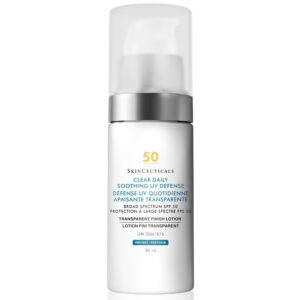
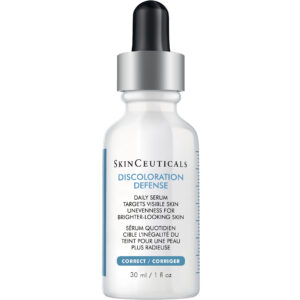
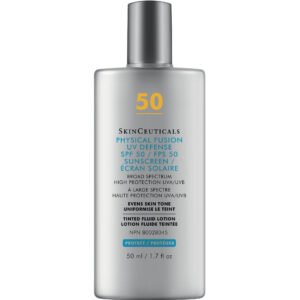
The device we reach for first here is covered in depth in Aerolase for melasma in Toronto.
Ready to look into it properly?
Our consultation is free. We will look at your skin, give you an honest recommendation, and say so if a different treatment would suit you better.
Or call 416 923 1200 · 46 Fort York Blvd, CityPlace, Toronto
Questions about this treatment?
Ask us anything before you book. Consultations are free, and we will tell you honestly if a treatment is not right for you.