


Sun Damage and Photo-Ageing in Toronto: The Long Repair Guide
By Basil Russo, Founder, Bar Beauty Medical, 46 Fort York Blvd, CityPlace Toronto Clinically reviewed by Jasmine Saggu, Registered Nurse at Bar Beauty Medical Phone 416-923-1200 · Book at barbeautymedical.janeapp.com
You grew up in the eighties or nineties. You sunbathed at the cottage every July. You used baby oil instead of SPF. Now you look in the mirror and see brown patches on your cheeks, crepe on your décolletage, lines that arrived earlier than your siblings’.
That’s photo-ageing. About 80% of visible facial ageing is the cumulative damage from UV exposure across decades, not chronological ageing. Bad news: it’s real and significant. Good news: a lot of it is reversible because the underlying skin isn’t as biologically old as it looks.
I’m Basil. I run Bar Beauty Medical on Fort York Blvd in CityPlace. Honestly, the sun-damage consult is one of the most rewarding ones we do. With 12 months of commitment, patients describe the result as “I look like my actual age again.”
Sun damage is not one condition, which is why there is no single treatment for it. The consult sorts what you actually have into pigment, vascular change, collagen loss and elastosis, and screens for anything pre-cancerous before an aesthetic plan is written, because two of these categories are not ours to treat. About 80 percent of visible facial ageing is cumulative UV rather than chronological age, and that share is the part that can genuinely be moved.
| What UV left behind | How it presents | What we run, or where we send you |
|---|---|---|
| Solar lentigines | Focal brown patches, the classic age spot | Aerolase, or focal peel application to the individual spot |
| Diffuse hyperpigmentation | Generalised darkening across the whole field | An Aerolase NeoSkin course, chemical peels between sessions, and the prescription topical regimen underneath both |
| Collagen depletion | Fine lines, deeper lines, skin thinning | Microneedling with ASCE+ exosomes or PRP, and Morpheus 8 where laxity has joined the picture |
| Telangiectasias | Small visible vessels on the cheeks and nose | Aerolase, which covers vascular damage in the same course that treats the pigment |
| Poikiloderma of Civatte | Reddish-brown reticular discolouration on the lateral neck and chest | The same protocols extended off the face. Hands and chest run on their own schedule. |
| Severe elastosis | Crepey, yellowish, leathery skin from degraded elastin fibres | Fractional CO2 is the gold standard for this and we do not operate one. We refer. |
| Actinic keratoses | Rough scaly lesions that are pre-cancerous | Dermatology. We screen at consult and refer. We do not treat these cosmetically. |
| Suspicious or non-healing lesions | Possible basal cell, squamous cell or melanoma | Dermatology first, before any aesthetic plan is started |
First visible change usually lands around week four and the course peaks at month six. None of it holds without daily mineral SPF, which is why a patient who will not commit to sun protection is the one case where we say the protocol is not worth starting.
What Is Sun Damage?
UV produces several distinct categories of visible damage:
- Solar lentigines (age/liver spots), focal pigment patches from cumulative UV
- Diffuse hyperpigmentation, generalised pigment darkening
- Elastosis, degraded elastin fibres producing crepey, yellowish, leathery skin
- Collagen depletion, loss of dermal scaffolding producing fine lines, deep lines, skin thinning
- Telangiectasias, visible small vessels on cheeks and nose
- Actinic keratoses, rough scaly lesions that are pre-cancerous (needs dermatology evaluation)
- Poikiloderma of Civatte, reddish-brown reticular discolouration on lateral neck and chest
- Skin cancers, basal cell, squamous cell, melanoma. Screening matters.
The first job at consult is identifying what type of damage you have, screening for anything pre-cancerous or cancerous, and then planning the aesthetic protocol.
Why Does Sun Damage Accumulate?
- UVA penetrates deep into the dermis. Degrades collagen and elastin daily, through windows and on cloudy days.
- UVB causes burning and pigment changes at the epidermal level.
- HEVL (high-energy visible light) from sun and screens triggers pigment in some patients.
- Infrared (IR) contributes to dermal damage.
- Cumulative dose, compounds over decades. The 18-year-old who tanned every summer becomes the 45-year-old with brown patches.
- Smoking, accelerates the same collagen-degradation pathways.
- Air pollution. Toronto urban pollution contributes oxidative stress.
- Skin tone, Fitzpatrick I-III show pigment damage readily; IV-VI differently (PIH, melasma overlap).
What’s The Best Treatment For Sun Damage?
Aerolase NeoSkin, The Workhorse For Diffuse Damage
Aerolase Neo Elite addresses pigment, dermal scaffolding, vascular damage, and skin quality across a course. Safe on all phototypes.
- Aerolase NeoSkin Custom Facial: $350 per session
- 4-6 sessions monthly, then quarterly maintenance
Microneedling With Exosomes Or PRP
For dermal collagen replacement and skin quality, microneedling with growth factors over a course produces visible smoothing and brightening.
- SkinPen Microneedling: $400
- Microneedling + ASCE+ Exosomes: $650
Morpheus 8 For Deeper Damage And Laxity
For damaged skin combined with laxity and collagen loss, Morpheus 8 RF microneedling remodels the deeper dermis across 3 sessions.
- Morpheus 8 Half Face: $600
- Morpheus 8 Face: $900
- Morpheus 8 Face + Neck: $1,400
Chemical Peels For Surface Pigment And Texture
Surface peels improve epidermal pigment, dyschromia, and texture.
- Chemical Peel Noon 20 or Noon 30: $240 each
- Green Peel Skin Detox or Fresh Up: $260
Prescription Topical Regimen
Non-negotiable foundation:
- Tretinoin 0.025-0.05% nightly (Dr. Henneberry-Fudge prescribes)
- Vitamin C 15-20% serum every morning
- Niacinamide 5-10% for barrier
- Mineral SPF 50 with iron oxide every morning
- Hydroquinone 4% short-course for specific patches (cycled to prevent ochronosis)
- Azelaic acid for pigmented + inflammatory mixed patterns
Solar Lentigines Spot Treatment
Individual age spots can be targeted with Aerolase or focal peel application.
Skin Boosters (Redensity-1) / Skin Boosters
Injectable HA boosters improve hydration and bio-remodel sun-damaged dermis. Price on consult.
For Pre-Cancerous Or Cancerous Lesions
Actinic keratoses, suspicious moles, non-healing lesions, dermatology evaluation. We screen at consult and refer when indicated. We don’t treat suspicious lesions cosmetically.
Hands And Décolletage
Aerolase NeoSkin on hands plus Radiesse Hands for volume is a common combo. Same protocols extend to the chest.
For Severe Elastosis And Deep Lines
Fractional CO2 laser is gold-standard non-surgical resurfacing for severe photo-ageing. We don’t operate it. We refer.
What Combination Protocol Do You Recommend?
For moderate sun-damaged skin:
- Skin cancer screening, at consult; referral if indicated
- Prescription topical regimen, tretinoin, vitamin C, mineral SPF, focal hydroquinone if needed
- Aerolase NeoSkin course, 4-6 monthly sessions ($350 each)
- Microneedling + Exosomes, alternating monthly ($650)
- Chemical peel maintenance, every 6-8 weeks ($240)
- Lifestyle, daily mineral SPF, sun-protective clothing, hat, sunglasses
Year-one investment: $3,500-$5,500.
How Long Until I See Results?
- Week 4: first visible change
- Month 3: mid-course
- Month 6: course peak
- Month 12+: compound effect with continued maintenance
What you can expect: 50-70% reduction in visible pigment. Smoother surface. More even skin tone. Reduced fine line depth. Healthier, more luminous appearance.
What you can’t expect: complete erasure of decades of damage without ablative laser. Resolution of severe elastosis without CO2 referral. Permanent results without maintenance. The skin of someone who SPF’d every day from age 10, that ship has sailed, but we can substantially improve from current baseline.
When Is Aggressive Sun Damage Treatment A Bad Idea?
- Pregnancy or breastfeeding (defer tretinoin and energy devices)
- Active sunburn or recent tanning
- Recent isotretinoin (wait 6 months)
- Suspicious or undiagnosed pigmented lesions, dermatology first
- Patient who won’t commit to mineral SPF (futile without daily sun protection)
- BDD concern (Dr. Fudge screens)
Full pricing at barbeauty.ca/price-list.
What Happens At Your Consult?
Intake, sun history, skin cancer history, current products. Full skin exam, face, neck, chest, hands. Lesion screening, anything suspicious referred immediately. Cross-polarised photography to map pigment and vascular damage. Treatment plan with at-home regimen + in-clinic protocol. Dr. Fudge consult for prescriptions. BDD screen.
Who Treats You?
Julia Barabas, Medical Aesthetician and Glow Specialist, leads Aerolase, microneedling, Morpheus 8, and peels. Jasmine Saggu, RN handles Skin Boosters (Redensity-1) and Radiesse Hands. Medical screening and prescribing from Dr. John David Henneberry-Fudge MD FRCPC.
Common Misconceptions About Sun Damage Treatment
- “One laser session will clear it.” Rarely. Diffuse photodamage built up over decades comes off in layers across a course, usually four to six sessions plus a topical regimen, not a single visit.
- “I can fix it without changing my sun habits.” No. Daily mineral SPF is the non-negotiable part. Without it, every dollar spent in-clinic is undone by the next summer.
- “If it is expensive it must work better.” Price tracks rent and brand position more than results. A published price list and the right device matter more than a luxury postcode.
- “Brown spots are only cosmetic.” Usually, but not always. Some pigmented and scaly lesions are pre-cancerous or cancerous, which is why we screen before any cosmetic treatment and refer anything suspicious.
- “My results will look dramatic and obvious.” The goal is skin that looks healthier and more even, not a different face. Most people are told they look well-rested, not that they had something done.
- “Once it is gone it stays gone.” Only with maintenance and sun protection. Pigment slowly returns if you stop protecting the skin.
What Should I Ask at My Consult?
The free consult is twenty minutes. Most patients waste fifteen of those minutes on questions Google could have answered, and then run out of time before getting to the ones that actually predict their outcome. Here’s the list we wish every patient brought in.
About the person treating you
- “How many of this exact treatment have you personally done in the last twelve months?” Volume tracks skill more reliably than years in practice.
- “Who supervises your work, and can I verify their CPSO number?” Dr. Henneberry-Fudge is CPSO #95972, verifiable on the public register in 30 seconds.
- “Are you the person who will treat me on the day, or will I be handed off?” At Bar Beauty, the injector you consult with is the injector who treats you.
About the product or device
- “What exact product are you using on me, and why that one over the alternatives?” If the answer is “this is what we stock,” that’s a margin answer, not a clinical one.
- “Can I see the box and the lot number before you draw it up?” Any clinic should say yes without hesitation. We do this by default on every appointment.
- “What’s the manufacturer training certification for this device or product?” Real certifications are checkable.
About what happens if things go wrong
- “What’s your protocol for a vascular event with filler?” The answer should include hyaluronidase on the counter, not in a drawer down the hall.
- “Who do I call at 11pm if something feels off?” With us, leave a message and we call you back the next morning. If it cannot wait, go to the nearest emergency department.
- “What’s your touch-up policy?” We check toxin results at two weeks. Touch-ups are not included in the original price.
About the result you want
- “Is the result I’m describing anatomically realistic for my face?” Patients who don’t ask this end up disappointed.
- “What’s the maintenance schedule and total annual cost if I commit?” The single-session price is the start of the conversation, not the end.
- “What would you say no to today?” An injector who can’t name something they’d refuse is an injector you should leave.
Bring this list. Read it off your phone if you have to. The patients with the best long-term outcomes are the patients who acted like consumers, not patients.
How Do I Spot a Bad Provider for This in Toronto?
Toronto’s aesthetic market is unregulated at the storefront level. Anyone with a business licence and a Square reader can call themselves a medical spa. Here’s the field guide we’d hand a friend.
Red flags before you book
- No medical director name on the website, or “Dr. on call” with no published name and no CPSO number to verify.
- Pricing not published. If you have to ask for a quote, the price is whatever they think you’ll pay when you walk in.
- A single phone number with no online booking. Operationally smaller than they want you to think.
- Stock photo team page. Real teams photograph their real people.
- A Google profile under 30 reviews after more than two years in business. Either nobody knows about them, or they’re suppressing the bad ones.
Red flags during the consult
- They quote you for treatments you didn’t ask about, in the first ten minutes.
- They don’t take a real medical history or screen for BDD.
- The injector can’t name what brand of product they’re about to use, or what the alternatives are.
- They suggest paying in cash for a discount. Indicates off-the-books bookkeeping and almost certainly no real chart on you.
- They press you to commit today with a “package discount” that disappears if you walk out. Real clinics’ prices are stable.
Red flags during treatment
- Product drawn from a vial you never saw or that has no label on it. Counterfeit filler is a real problem in Ontario.
- No emergency kit visible, no hyaluronidase, no epinephrine, no AED.
- They inject without marking your face first.
- They rush. A real injection appointment is 15-30 minutes including conversation, not five.
Red flags after treatment
- No written aftercare. No 2-week check.
- When you call with a concern, you get a voicemail box that doesn’t get returned for days.
- You ask for your chart and they can’t produce it, or it’s a handwritten sheet in a binder.
The market has matured but the regulatory ceiling hasn’t moved. The patient who screens hard at the booking stage avoids almost every bad outcome we’ve seen.
Sun Damage Treatment: Common Questions
Can sun-damaged skin be repaired?
A lot of it, yes. Because most of what looks like ageing is photodamage rather than true biological age, the skin underneath is younger than it appears. A prescription topical regimen, Aerolase laser, microneedling and peels over six to twelve months typically clears 50 to 70 percent of visible pigment and softens fine lines. The deepest elastosis needs ablative CO2 laser, which we refer out.
What is the best treatment for sun-damaged skin?
There is no single best treatment, because sun damage is several problems at once (pigment, vessels, texture, collagen loss). At Bar Beauty Medical the backbone is Aerolase NeoSkin for diffuse pigment and vascular damage, microneedling for collagen, chemical peels for surface texture, and a daily tretinoin-and-SPF regimen underneath all of it. The consult sorts out which combination your skin actually needs.
What is the best facial treatment for sun damage?
For most skin tones our first choice is the Aerolase NeoSkin facial at $350 a session, because the 1064 nm wavelength treats pigment and redness safely across all Fitzpatrick types. Chemical peels and microneedling are layered in for texture. IPL can work well for isolated brown spots on lighter skin, but we lean on Aerolase for broader, safer coverage.
How can I heal sun-damaged skin naturally?
Daily sun protection, a vitamin C antioxidant serum in the morning, niacinamide for the barrier, and consistent moisturising all genuinely help the skin repair itself over time, and they are the foundation we build every plan on. They will not erase established brown patches or deep texture on their own, which is where in-clinic treatment comes in, but they protect and extend every result.
How much does sun damage treatment cost in Toronto?
In-clinic sessions at Bar Beauty Medical start at $240 for a chemical peel and $350 for an Aerolase NeoSkin facial, with microneedling at $400 ($650 with exosomes). A full first-year program for moderate damage usually runs $3,500 to $5,500 including a course of treatments and maintenance. Everything is on the published price list.
Common Questions
Will tretinoin reverse sun damage? Partially, yes, over 6-12 months it reverses some photodamage at the cellular level.
How many in-clinic sessions? 4-6 Aerolase + 3 microneedling + chemical peels every 6-8 weeks for the first year.
Will hydroquinone bleach my skin? Short-course (12-16 weeks max, cycled) is safe and effective for focal pigment. Long-term continuous use risks ochronosis.
What about IPL? For solar lentigines specifically, IPL can be very effective, and we run one: the InMode Lumecca, filtered to 515 to 1200 nm. On fair, untanned skin with discrete brown spots it is the faster tool, often in one to three sessions. It is offered on Fitzpatrick I to III, case by case at IV with a test patch, and it is not offered at V or VI, and it needs four weeks with no sun before treatment, which matters in a Toronto summer. Where any of that rules it out, we use the Aerolase Neo Elite instead, which is safe across every phototype and works on tanned skin. Your phototype is mapped in person and the device is chosen from that, not from a menu.
Can I tan after treatment? No. Tanning reverses all your work. Mineral SPF 50 daily is mandatory.
Will my dark spots come back? With proper sun protection and maintenance, slowly if at all. Without, yes.
Can I do my chest and hands too? Yes. Extension protocols available.
Will I need maintenance forever? Yes. Sun exposure continues, so does the work to counter it.
Is fractional CO2 better? For severe damage, often yes. Single-session dramatic result, 10-14 days downtime, hyperpigmentation risk on darker phototypes. We refer.
Can men get this treatment? Yes, frequently. Men often present with significant damage from outdoor work and recreation.
Will retinol help? At-home retinol is a good adjunct. Prescription tretinoin is significantly more potent.
How do I book? Online at barbeautymedical.janeapp.com, by phone at 416-923-1200.
Is this treatment safe for darker skin tones? For most of what we offer, yes, Aerolase Neo Elite at 1064 nm is safe across all Fitzpatrick types and is our default for vascular and pigment work in darker skin. Morpheus 8 carries a small PIH risk in Fitzpatrick V-VI that we mitigate with conservative energy settings.
Can I treat this while breastfeeding? Generally no for injectables. Most patients return to treatment three to six months after weaning. Lasers and most facials are fine while nursing.
How does this compare to Yorkville pricing at twice the price? Product is usually the same. Training is comparable. The differential is rent, location, and brand premium, not clinical skill.
Can I do this if I’m on Ozempic or another GLP-1? Yes, but planning matters. Significant weight loss redistributes facial fat. We stage filler decisions for patients in active weight loss.
Do you take insurance or HSA? Aesthetic treatments are not insured under OHIP. Some HSAs cover specific services. We provide itemised receipts on request.
Will my friends or co-workers notice? Not if we do it right. The compliment most patients hear is “you look rested,” not “you look different.”
Book Your Consult Online → Call 416-923-1200 Meet Our Medical Director →
Bar Beauty Medical · 46 Fort York Blvd, Toronto, ON M5V 3Z3 · 416-923-1200
How we treat it at Bar Beauty: Aerolase, microneedling and a BBL photofacial.
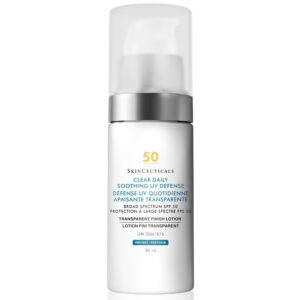
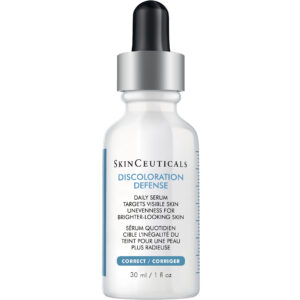
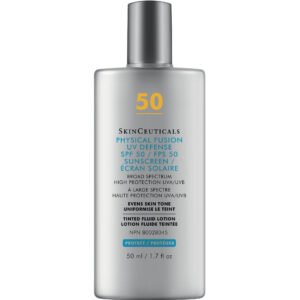
Recommended aftercare and skincare
The medical grade products our team uses to protect and extend your results. Shipped express across Canada, free over 150 dollars.
Sun damage and melasma overlap but are not the same condition. Where melasma is the diagnosis, this is how we treat it with Aerolase.
Ready to look into it properly?
Our consultation is free. We will look at your skin, give you an honest recommendation, and say so if a different treatment would suit you better.
Or call 416 923 1200 · 46 Fort York Blvd, CityPlace, Toronto
Questions about this treatment?
Ask us anything before you book. Consultations are free, and we will tell you honestly if a treatment is not right for you.