


By Basil Russo, Founder, Bar Beauty Medical, 46 Fort York Blvd, CityPlace Toronto. Clinically reviewed by Julia Barabas, Medical Aesthetician and Glow Specialist, and Jasmine Saggu, Registered Nurse.
Perioral dermatitis is the rash that gets misdiagnosed more than almost anything else we see. People arrive having treated it as acne for eight months, or having been handed a steroid cream that worked beautifully for two weeks and then made everything worse. If that is where you are, this page is written for you. It explains what the condition actually is, why the standard reflex makes it worse, and the narrow, honest role a laser plays in settling it down.
One thing up front, because it matters more than anything else here: Aerolase does not cure perioral dermatitis, and it is not the first thing you should do about it. The first move is almost always stopping something, not adding something. We will get to that.
The most useful thing on this page is a sign you can check in a mirror. Perioral dermatitis characteristically leaves a clear ring of normal skin a few millimetres wide right around the lip line, with the rash starting outside it. Acne does not do that and neither does rosacea, and the wrong label is what costs people months.
| Mistaken for | What separates them | Where treating it as that leads |
|---|---|---|
| Adult acne | Acne produces comedones, the blackheads and whiteheads that come from blocked follicles. This generally does not, and it rings the mouth while sparing the lip border | Months of benzoyl peroxide, salicylic acid and a retinoid on skin that was never clogged, ending in a wrecked barrier and a rash that has not moved |
| Rosacea | Rosacea centres on the cheeks, nose and central face and usually involves flushing and visible vessels. This sits lower and around the mouth, and flushing is not the story | Effort aimed at flushing triggers while whatever is being applied around the mouth carries on driving it |
| Seborrheic dermatitis | Seborrheic dermatitis favours the brows, the folds beside the nose and the scalp, and tends to be greasier and more scaly | An antifungal regimen with nothing to work on, and more weeks lost |
| Something a steroid cream will fix | People with this very often describe burning or stinging rather than itching | Days of dramatic relief, then a rebound flare on withdrawal that is bigger than the original, and a cycle that tightens each round |
We do not diagnose. If a physician has not looked at this, that comes before anything we do, and we will say so rather than book you. The Neo Elite has a narrow job here: the background redness left around the mouth and nose, most usefully once the medical side has done the work. It does not cure the condition, it does not replace the medical treatment, and we will not treat while a topical steroid is still going on the area.
How to tell perioral dermatitis apart from acne and rosacea
This is the question most people actually arrive with, so we will answer it first rather than burying it.
Perioral dermatitis shows up as small red bumps and papules, sometimes with fine scale, clustered around the mouth, and often around the nose and eyes as well. Despite the name, it is not always confined to the mouth. The single most useful clinical sign is that it characteristically spares the vermillion border, the rim of skin immediately bordering your lips. You will often see a clear ring of normal skin a few millimetres wide right around the lip line, with the rash starting outside it. Acne does not do that. Rosacea does not do that.
A few other distinctions worth knowing:
- Versus acne: acne produces comedones, the blackheads and whiteheads that come from blocked follicles. Perioral dermatitis generally does not. If you are looking at bumps with no blackheads anywhere in the mix, and they are ringed around the mouth, that points away from acne.
- Versus rosacea: rosacea centres on the cheeks, nose and central face, and typically involves flushing and visible vessels. Perioral dermatitis centres lower and around the mouth, and flushing is not usually the story.
- Versus seborrheic dermatitis: seborrheic dermatitis favours the eyebrows, the folds beside the nose and the scalp, and tends to be greasier and more scaly.
- The burn and sting: people with perioral dermatitis very often describe burning or stinging rather than itching. That detail is diagnostically useful.
We do not diagnose. If you have not had this looked at by a physician, get that done first. A misdiagnosed rash treated with a laser is a bad outcome, and we would rather say so plainly.
The steroid trap, and why it comes back worse when you stop
Here is the pattern we hear almost weekly at the clinic.
Someone develops a rash around their mouth. They are prescribed, or they borrow, or they find in a drawer, a topical corticosteroid. Within days the redness calms dramatically. It looks like the problem is solved. Then they stop, and within a week or two the rash returns, angrier and covering more ground than before. So they go back on the steroid. It works again. The cycle tightens.
Topical steroids are strongly associated with perioral dermatitis, and the relief they give is real but temporary. When they are withdrawn, a rebound flare is common, and that flare is frequently worse than the original rash. This is the single most important thing to understand about this condition, because it explains why so many people feel trapped.
The way out is usually to come off the steroid under medical supervision and ride out the rebound, sometimes alongside an oral or topical antibiotic prescribed by a physician. Clinicians sometimes call the withdrawal approach zero therapy, meaning you strip the face back to almost nothing and let it settle. It is uncomfortable. It can take weeks. It also works.
We cannot prescribe and we cannot manage a steroid taper. That belongs to your doctor or dermatologist. What we can do is help with the part that makes the taper so hard to tolerate, which is the inflammatory redness while your skin is finding its footing again.
The trigger list nobody hands you
Alongside topical steroids, several everyday things are commonly implicated. Not all of them will apply to you, and this is not a diagnosis, but they are worth auditing:
- Inhaled and nasal steroids. Asthma inhalers and steroid nasal sprays deposit medication around the mouth and nose. Rinsing after use is a small change that sometimes matters.
- Heavy occlusive skincare. Thick balms, rich night creams and heavily layered routines around the mouth are frequently part of the picture.
- Fluoridated and tartar control toothpaste. Reported often enough to be worth a trial switch if the rash hugs the mouth.
- Hormonal shifts. The condition disproportionately affects women roughly between twenty and forty five, and many people connect flares to their cycle or to starting or stopping oral contraceptives.
- Sunscreen and cosmetic vehicles. Not the actives usually, but the emollient base carrying them.
When people ask us what to do first, the honest answer is rarely a treatment. It is a subtraction. Take the face back to a gentle cleanser, nothing occlusive around the mouth, and a simple sunscreen, and give it a few weeks while your physician handles the medical side.
Where the Neo Elite genuinely helps, and where it does not
Bar Beauty runs the Aerolase Neo Elite, a 1064nm Nd:YAG that delivers energy in 650 microsecond pulses. That very short pulse duration is why it can be used without contact, without gel and without the skin cooling that most lasers need, and it is why it is comparatively forgiving on reactive skin. Redness, inflammation and vascular response are among its established strengths.
What it can realistically do for perioral dermatitis:
- Settle the diffuse background redness that lingers around the mouth and nose, particularly during and after a steroid withdrawal
- Reduce the visible inflammatory component so the area looks calmer between flares
- Help with post inflammatory redness left behind after the papules themselves have resolved
What it cannot do, stated plainly:
- It will not cure the condition. Perioral dermatitis is managed, not cured, and it can recur.
- It will not replace the medical treatment. If your physician has you on a taper or an antibiotic, that is doing the heavy lifting, not us.
- It will not fix the problem if you are still using the thing that is driving it. Treating an actively steroid driven rash with a laser is treating smoke while the fire burns.
What we will refuse to do
We turn people away for this condition more often than for most, and we would rather you know that before you book than after you have paid for a consultation.
We will not treat an actively flaring, weeping or crusted rash. We will not treat you while you are still applying a topical steroid to the area, because we would simply be masking a problem that needs to be unwound. And if the presentation does not look like perioral dermatitis to us, or looks like something that needs a physician’s eyes, we will tell you to go and get it assessed rather than sell you a package.
Julia, our Medical Aesthetician and Glow Specialist, runs most of these assessments alongside Jasmine. If either of them is not comfortable treating you that day, you will not be treated that day.
What a session actually involves
Sessions run about twenty to thirty minutes for the perioral area. There is no gel, no contact with the skin, and no cooling apparatus. Most people describe it as a warm snapping sensation, tolerable without numbing. You can wear makeup out of the clinic if you want to, though we would rather you did not for a few hours.
You are not looking for a dramatic single session result here. What you are looking for is a gradual reduction in background redness across a series, running alongside whatever your physician has you doing.
Pricing at Bar Beauty, in plain numbers
Perioral work is treated as a targeted area rather than a full face. Our 2026 rates:
| Treatment | Price | Notes |
|---|---|---|
| Single spot or very small area | $50 | Useful for a limited patch |
| Targeted perioral / lower face area | $300 | Most common starting point |
| Half face | $300 | If the rash extends beyond the mouth |
| Full face | $450 | Where nose and eye areas are also involved |
Most concerns need a series of three to six sessions spaced two to four weeks apart, so a realistic course sits somewhere between $900 and $2,700 depending on the area treated and how many sessions your skin actually needs. We do not lock anyone into a package before we have seen how the first session goes, and there is no “starting from” bait pricing. The consultation is free. See our full price list for everything else.
A realistic timeline
If you are coming off a topical steroid, expect the first few weeks to be the hardest part, and expect that to have nothing to do with us. The rebound is the rebound. We generally prefer to start treating once the acute flare has settled and your physician is happy.
From there, most people notice the background redness looking calmer somewhere around the second or third session. The papules themselves are usually handled by the medical treatment rather than by us. By the end of a series of four to six, the goal is skin that looks even rather than skin that looks treated.
The skincare reset that goes with it
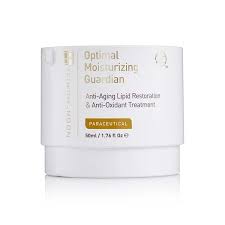
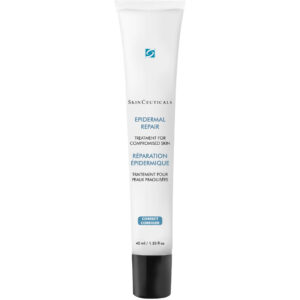
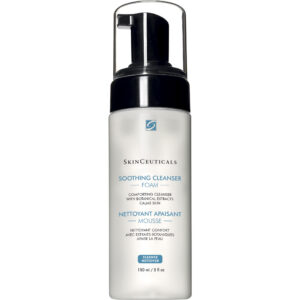
Treatment without changing what you put on your face is largely wasted for this condition. We keep the recommendations deliberately minimal:
- A gentle, non foaming cleanser, used with lukewarm water and no scrubbing
- Nothing occlusive or heavily emollient around the mouth while things settle
- A simple mineral sunscreen, because post inflammatory redness darkens with sun
- No actives, no acids, no retinoids around the affected area until it is quiet
What we actually see walk through the door
Three versions of this turn up repeatedly, and recognising which one you are makes the plan obvious.
The eight month acne treatment. Someone has been on benzoyl peroxide, salicylic acid, maybe a retinoid, treating what they were sure was adult acne. The routine is aggressive, the skin barrier is wrecked, and the rash has not budged because it was never acne. The useful intervention here is subtraction, not addition. Once the actives come off and the barrier recovers, a surprising amount settles on its own.
The steroid cycle. Two or three rounds deep into using and stopping a topical steroid, each rebound worse than the last. This person needs a physician and a supervised taper, and they need to hear that the flare after stopping is expected rather than a sign the steroid was helping. We are useful afterwards, not during.
The post clearance redness. The papules have gone, the medical treatment worked, and what is left is a persistent pink stain around the mouth that will not fade. This is the group the Neo Elite helps most straightforwardly, and it is the one we are happiest taking on.
Why the barrier matters more than the treatment
Almost everyone who arrives with this has been attacking their face. Foaming cleansers twice daily, acids, scrubs, a retinoid, sometimes several at once, because the bumps look like something that should be exfoliated away.
Perioral dermatitis is not a clogging problem and it does not respond to being stripped. What that routine reliably produces is a compromised barrier, which makes the skin more reactive, which makes the rash look angrier, which prompts more treatment. It is a loop, and breaking it is usually the highest value change anyone makes.
The instruction we give is deliberately boring. One gentle cleanser. One simple moisturiser, kept light and kept away from the immediate perioral area while things are active. One mineral sunscreen. Nothing else on the face for a few weeks. People find this much harder than they expect, because doing less feels like doing nothing.
Aftercare and the weeks that follow
- Mild redness and warmth for a few hours after a session is normal and settles quickly
- No heat for twenty four hours. Sauna, steam, hot yoga and hot showers directed at the face all count
- No actives, acids or retinoids around the treated area for about five days
- Mineral sunscreen daily, because post inflammatory redness darkens with sun exposure
- Keep the perioral area free of heavy balms and occlusives, including through the night
- If you use a steroid inhaler, rinse your mouth and wipe the surrounding skin after every use
If a flare starts while you are in a series, tell us before your next appointment rather than turning up. We will move the session rather than treat inflamed skin.
Perioral dermatitis, the questions we field daily
Is perioral dermatitis contagious?
No. It is an inflammatory skin condition, not an infection you can pass to anyone.
Will it come back after treatment?
It can. This is a condition that is managed rather than cured, and recurrence is common, particularly if the original trigger comes back into the picture. Anyone promising you a permanent fix is overselling.
Can I just use the steroid cream, it works so well?
It works, and that is exactly the trap. The relief is real and short lived, and withdrawal typically produces a worse flare than the one you started with. Please have that conversation with your physician rather than managing it yourself.
How long does it take to clear without treatment?
With the trigger removed and appropriate medical treatment, many cases settle over a period of weeks to a few months. It is rarely fast, which is part of why people give up and go back to the steroid.
Does the laser hurt on such a sensitive area?
Most people manage it comfortably without numbing. The perioral area is more sensitive than the cheeks, so we work at a gentler setting there and take it slowly.
Can I wear makeup afterwards?
Yes, though we would rather you waited a few hours. Mineral makeup is easier on the area than anything heavily occlusive.
I am pregnant or breastfeeding, can I be treated?
We do not treat during pregnancy. Perioral dermatitis is common in pregnancy and the safest route is a conversation with your physician about pregnancy appropriate options.
Do you diagnose this?
No. We are a medical aesthetics clinic with physician oversight. If you have not been assessed, get assessed. We would rather lose the booking than treat the wrong thing.
Can children get perioral dermatitis?
Yes. It occurs in children, and it is frequently linked to inhaled or topical steroid use. Paediatric cases belong with a physician, and we do not treat children.
Is it caused by poor hygiene?
No, and the opposite is closer to the truth. Over cleansing and over treating the area is a far more common contributor than under washing.
My dermatologist prescribed an antibiotic. Should I still see you?
Finish the medical course first. The antibiotic is doing the real work. Come to us afterwards if there is residual redness, which is the part we are genuinely useful for.
Why did it start when nothing in my routine changed?
Hormonal shifts, a new inhaler, a course of steroids for something unrelated, or simply a change in season are all common triggers people do not connect. The trigger audit above is worth going through carefully.
Can I use makeup to cover it in the meantime?
Mineral makeup is generally fine and much better tolerated than heavy occlusive foundations. Take it off gently at the end of the day without scrubbing.
Where are you and how do I book?
We are at 46 Fort York Blvd in CityPlace, downtown Toronto, a short walk from the Bathurst and Spadina streetcars. Consultations are free and you can book online any time.
Questions about this treatment?
Ask us anything before you book. Consultations are free, and we will tell you honestly if a treatment is not right for you.