



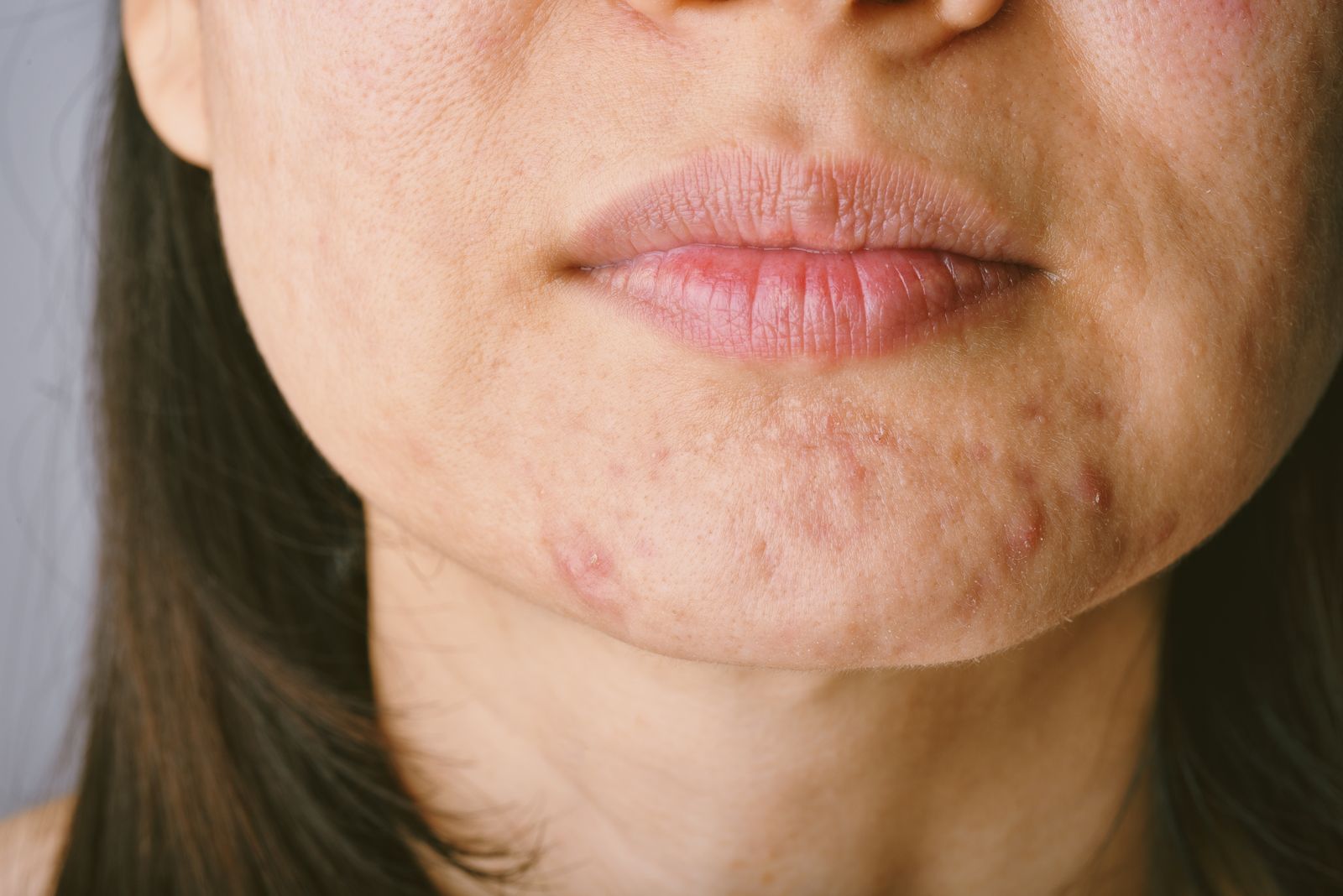
Fixing Stubborn Acne Scars: Treatments That Make a Difference
Acne scars can be frustrating, often sticking around long after the breakouts are gone. The good news is that there are proven treatments that meaningfully improve skin texture. Whether you are dealing with deep pitted scars, rolling indentations, or lingering discoloration, understanding your options is the first step. This guide explains what actually makes a difference, and what to expect from each approach.
Understanding Your Acne Scars
Before choosing a treatment, it helps to know what kind of scars you have, because different scars respond to different methods.
Atrophic scars are the most common, the indented marks that create texture. They fall into three types: ice pick scars (deep, narrow pits), boxcar scars (wider indentations with sharp edges), and rolling scars (wave-like depressions). They form when skin loses collagen while healing from inflammatory acne.
Hypertrophic and keloid scars are raised scars that form when the body produces too much collagen during healing. They are less common but can be stubborn. Post-inflammatory hyperpigmentation (PIH) is not technically scarring, it is discoloration, though many people group it with acne scars. A proper skin assessment is the right place to start.
Laser Treatments for Acne Scars
Laser therapy is one of the most established approaches for acne scars, and different lasers address different problems.
Fractional ablative resurfacing is the strongest option for deep scars. It creates many tiny treatment zones that prompt the skin to heal and build collagen, which improves texture and reduces scar depth. It involves several days of visible recovery, but for severe scarring it can deliver significant results.
Fractional non-ablative lasers are gentler with less recovery time. They work below the surface to build collagen without removing the top layer. You typically need more sessions, but the downtime is minimal, which suits people who cannot take time off.
Pulsed dye lasers and IPL target the redness and discoloration that can accompany acne scars. They do not correct texture, but they help even out overall tone. Most people see real improvement after a series of laser sessions spaced about a month apart, with continued gains over the following months as new collagen forms.
Microneedling and RF Microneedling
Microneedling is a well-supported option for acne scars. Fine needles create controlled micro-injuries that trigger the skin’s healing response, building collagen and elastin to gradually fill scars and smooth texture. Standard microneedling suits mild to moderate scarring, needs little downtime, and generally costs less than laser.
RF microneedling goes further. Treatments such as Morpheus8 combine needling with radiofrequency energy that heats deeper layers, prompting more collagen remodeling and making it better suited to deeper scars, with the added benefit of mild tightening. For acne scars, plan on a series of sessions about a month apart, with the best results appearing two to three months after the final session. Medical-grade microneedling with proper depth control makes a meaningful difference compared with at-home rollers.
Chemical Peels
A chemical peel remains relevant for certain acne scarring, especially alongside other treatments. Medium-depth TCA peels can improve boxcar and rolling scars by removing damaged layers and encouraging collagen, though medical-grade peels require an experienced provider and involve real recovery. Lighter peels using salicylic or glycolic acid work better for surface discoloration and minor texture and fit well into a broader plan. Many providers combine peels with other treatments, for example a series of lighter peels to maintain results between laser or microneedling sessions.
Dermal Fillers for Certain Scars
Dermal fillers can work well for specific scars. For deep rolling or wider boxcar scars, hyaluronic acid fillers lift the depression level with the surrounding skin, giving immediate improvement rather than waiting for collagen to build. The best candidates have soft rolling scars or wider boxcar scars; narrow ice pick scars respond less well. Results are temporary, typically lasting several months to over a year depending on the product and your metabolism, and some people use fillers for immediate improvement while building longer-term collagen through laser or microneedling.
Subcision and TCA CROSS for Tough Cases
For severe, stubborn scars that have not responded to other methods, two specialized techniques can help.
Subcision is a minor procedure where a needle is passed under the scar to release the fibrous bands that tether the skin downward. Once released, the skin can lift and the healing response builds new collagen underneath. It works well for rolling scars and some boxcar scars.
TCA CROSS (Chemical Reconstruction of Skin Scars) applies high-concentration TCA precisely into individual ice pick or boxcar scars, prompting collagen to fill the scar gradually from the base. It is precise work that requires real skill. Both techniques usually work best combined with other treatments, such as subcision first to release tethered scars, followed by resurfacing to refine texture.
Building a Personalized Treatment Plan
The most effective approach to stubborn acne scars usually combines treatments rather than relying on one. Your scarring and skin are individual, and your plan should reflect that.
Several factors shape the plan:
- Scar type and severity, since deep ice pick scars need different solutions than shallow rolling scars
- Skin type and tone, since some lasers suit lighter skin while others are appropriate for darker complexions
- Downtime you can take, since stronger treatments work faster but need recovery
- Budget and timeline, since combination plans can be phased over time
A proper consultation is the best starting point. At Bar Beauty Medical we assess your scar types, current skin condition, what you have already tried, and your goals, then build a realistic timeline. Improvement happens gradually as your skin builds collagen, with most people seeing noticeable change within three to six months and continued gains for up to a year. For treatment pricing, see our price list.
Frequently Asked Questions
What are the different types of acne scars?
The main types are atrophic (indented) scars, which include ice pick, boxcar, and rolling scars, and raised hypertrophic or keloid scars. Post-inflammatory hyperpigmentation is discoloration rather than true scarring. Identifying your type guides which treatment will work best.
Can acne scars be removed permanently?
Many acne scars can be improved dramatically, and some shallow scars can be brought close to flat, but complete permanent removal is not always realistic for deep scarring. The goal is significant, lasting improvement in texture and tone through the right combination of treatments.
What is the best treatment for ice pick scars?
Narrow, deep ice pick scars usually respond best to targeted techniques like TCA CROSS or punch methods rather than fillers, often combined with resurfacing for the surrounding skin. An in-person assessment determines the right combination.
What is the difference between acne scars and acne marks?
Acne marks are flat areas of discoloration (post-inflammatory hyperpigmentation or redness) that often fade over time on their own or with topicals and sun protection. Acne scars are changes in skin texture, indented or raised, that usually need in-clinic treatment to improve.
How many sessions will I need?
It depends on the treatment and the severity of your scarring. Laser and microneedling plans typically run a series of sessions spaced about a month apart, with results continuing to improve for months afterward. Your provider will outline a realistic number at your consultation.
Is acne scar treatment safe for darker skin tones?
Yes, with the right approach. Some lasers and settings are better suited to darker skin to avoid pigmentation issues. Choosing an experienced provider who tailors the treatment and settings to your skin tone is the most important safety factor.
How much does acne scar treatment cost in Toronto?
Cost varies by the treatments involved and how many sessions you need. We provide a clear quote at your consultation, and current pricing for each treatment is on our price list.
Ready when you are
Book Acne Scar Microneedling
Free consultation, transparent pricing, licensed medical staff. Book online or call 416-923-1200.