


Temple Hollowing Treatment in Toronto
By Basil Russo, Founder, Bar Beauty Medical, 46 Fort York Blvd, CityPlace Toronto. Clinically reviewed by Jasmine Saggu, Registered Nurse at Bar Beauty Medical. Phone 416-923-1200 · Book at barbeautymedical.janeapp.com.
Most people have never thought about their temples, and that is exactly why temple hollowing goes unnoticed while it quietly ages the upper face. The temple is the soft area between the outer corner of your eyebrow and your hairline, above the cheekbone. When it deflates, the eye looks more sunken, the brow drops a little, the side of the forehead falls into shadow, and the upper face loses the gentle convex curve that reads as youthful.
We run Bar Beauty Medical on Fort York Blvd in CityPlace, and we have treated Toronto patients. Temple filler is one of those treatments where a small, well-placed amount produces a result people describe as looking like themselves again without being able to say what changed. Here is the honest version of that conversation.
Book Your Consult Online → Call 416-923-1200
The temple is a small volume in a crowded space. Between skin and skull sit the temporal fat pad, the temporalis muscle, the superficial temporal artery and the frontal branch of the facial nerve, and each of them changes something about how the injection is done. That is why the dose is small, the placement is deep, and the result is not judged on the day.
| What is in there | Why it matters | What it changes in practice |
|---|---|---|
| The deep temporal fat pad | Its loss is what creates the scoop, and it sits deep rather than just under the skin | Product goes deep, on or near bone or in a deep plane beside the eye socket rim, never superficially |
| The temporalis muscle | It moves every time you chew, and in very lean people it has thinned as well | Product in the wrong plane can read as a lump when the jaw is working rather than at rest |
| The superficial temporal artery | Often visible or easy to feel, and it runs straight through the area being treated | Its path gets mapped by hand at the consult. We use a cannula or one slow deep placement, and aspirate before injecting |
| The frontal branch of the facial nerve | It crosses this region on its way to the forehead | The plane is chosen deliberately rather than by feel, which is most of why technique matters more here than product |
| Bone that has resorbed at the temporal crest and orbital rim | The foundation has changed, not only the padding on top of it | Filler restores the curve but cannot restore bone, so the honest ceiling is a rested temple rather than a young one |
| Skin thin enough to show what is underneath | On lean temples the product itself can become visible if there is too much of it | A small amount split across both sides, reassessed at four weeks before anything more goes in |
A complication in this zone can in the worst case affect the eye, which is why hyaluronidase and a vascular protocol are kept on hand and why higher-risk anatomy sometimes gets a short cooling-off period before we book the injection. Temporal contouring with filler is $750 at Bar Beauty Medical. Consultations are free.
What is temple hollowing?
The temple is bounded by the outer eye-socket edge, the temporal crest of the skull, the cheekbone arch below, and the hairline. Within that area, from deep to superficial, sit the temporalis chewing muscle, the temporal fat pads, and then the skin.
The temple also contains the superficial temporal artery, which is often visible or easy to feel, and the frontal branch of the facial nerve. Those two structures make this a genuinely high-risk injection zone in inexperienced hands, which is the single most important thing to understand before treating it.
With age, the deep temporal fat pad shrinks, the bone of the temporal crest and eye-socket rim resorbs slightly, and in very lean people the muscle itself can thin. The visible result is a scooped, concave temple where there used to be gentle fullness.
Why do temples hollow, and what causes sunken temples?
- Age. Deep temporal fat loss is close to universal from the mid-thirties on.
- Genetics. Some people simply carry less fat here.
- Rapid weight loss. GLP-1 medications like Ozempic and Wegovy, post-illness loss, and bariatric surgery often produce visible temple hollowing within six to twelve months.
- Endurance training. Chronically low body fat thins the area, sometimes called runner’s temple.
- Chronic illness or chemotherapy. Facial volume loss often shows here first.
- Smoking. Speeds up the whole pattern.
- Resting your head on one hand over years, which can drive a one-sided indentation.
What treatments do we offer for temple hollowing in Toronto?
Temple hollowing is a volume problem, so it is treated with injectables, specifically filler and biostimulators. There is no meaningful non-injectable fix for lost volume here, which is worth being clear about up front.
Temple filler, the primary move
A well-placed hyaluronic acid temple filler restores the convex contour immediately and lasts well over a year. Placement is deep, on or near the bone above the muscle, or in a deep plane beside the eye-socket rim, using a needle or a cannula depending on the anatomy.
Vascular safety matters most here. The superficial temporal artery runs through this region, and a filler complication in this zone can, in the worst case, affect the eye. Technique matters more than the product. We use a cannula or a single deep, slow placement, aspirate before injecting, and keep hyaluronidase and a vascular protocol on hand.
- Temporal Contouring with filler: $750, usually split across both sides, with a reassessment at four weeks.
- Maintenance is typically every 18 to 24 months.
- Downtime is short, with mild swelling for a day or two and possible bruising.
Sculptra for a gradual rebuild
Sculptra placed deep in the temple stimulates your own collagen over three to six months. It suits people with diffuse upper-face deflation who want a slower, more biological rebuild rather than an immediate fill.
- Sculptra Face Rejuvenation: $900 for one vial, $1,700 for two.
See Biostimulators and our Sculptra vs Radiesse vs HA fillers guide.
Radiesse for a longer-lasting single-syringe result
Radiesse gives immediate fill plus collagen stimulation over the following months, which is a good option for someone who wants one durable result.
- Radiesse Rejuvenation: $900 per syringe.
Fat transfer, when we refer out
For permanent volume, fat transfer is a surgical option. That is outside what we do, so we refer to a facial plastic surgeon.
Injectable versus non-injectable for the temples
Temple hollowing is volume loss, so the honest answer is that it is an injectable concern. HA filler, Sculptra and Radiesse are all injectable, and they replace or rebuild the lost volume. There is no laser or facial that restores a hollow temple, so any clinic suggesting a non-injectable fix for this specific problem is overselling. What non-injectable skin treatments can do is improve the quality of the skin over the area, which is a separate goal.
What combination approach makes sense?
For someone in their 40s or 50s with visible temple hollowing, a typical plan is:
- Temple HA filler, usually a small amount split across both sides.
- A reassessment at four weeks, with a top-up only if needed.
- Cheek or brow support if relevant, since many people with temple loss also have cheek volume loss.
- Sculptra as a longer-term biological adjunct for diffuse loss.
What results can I expect, and how soon?
- Day 0: immediate visible volume.
- Days 1 to 3: possible mild swelling.
- Weeks 1 to 2: settled.
- Week 4: final result, and the point we reassess.
What you can expect: an immediate return of the convex temple contour, a subtle lift to the brow tail because the brow rises when the temple is supported, less of the drawn or tired look, and glasses that sit more naturally.
What you cannot expect: a 25-year-old’s temple if the underlying bone has resorbed significantly, permanent results without maintenance, or correction of the whole upper-face ageing pattern from temple work alone.
Who is a good candidate, and who is not?
Good candidates have clear temple hollowing and stable weight. Treatment is not appropriate in these cases:
- Pregnancy or breastfeeding.
- Blood thinning that cannot be paused.
- Active infection in the area.
- A history of a vascular complication from prior filler.
- Active weight loss on a GLP-1, where we wait until your weight is stable.
- A known allergy to HA or lidocaine.
- Body dysmorphic concerns, which our MD screens for.
What does temple filler cost in Toronto?
Temporal contouring with filler is $750 at Bar Beauty Medical, usually enough to treat both sides, and we publish every price. For current Sculptra and Radiesse pricing, see our price list. Most people need maintenance only every 18 to 24 months, so the ongoing cost is low for the result. Financing through Affirm is available if you would rather spread it over monthly payments.
Full pricing at barbeauty.ca/price-list.
What happens at your consult?
Intake and a medication review. A hands-on assessment of the temple, including the path of the superficial temporal artery. Photos in standard lighting from several angles. A discussion of whether to pair the temple with cheek or brow support, a screen for body dysmorphic concerns, and a written quote. For higher-risk anatomy we will sometimes build in a short cooling-off period before scheduling the injection.
Who treats you?
Registered Nurse Jasmine Saggu performs the higher-risk anatomic injections at Bar Beauty Medical, including the temples, with Jasmine Saggu, RN, supporting injectable care. Julia Barabas, our Medical Aesthetician and Glow Specialist, leads non-injectable skin protocols. Medical oversight comes from Dr. John David Henneberry-Fudge MD FRCPC.
Common questions
Is temple filler safe?
It is when it is done by an experienced injector with the right technique. The temple is a high-risk zone because of the artery running through it, so we use cannula or slow deep placement, aspirate, and keep a vascular protocol ready. It is not a treatment to have done cheaply or casually.
How much filler will I need?
Usually a small amount split across both sides. We reassess at four weeks and top up only if needed.
How long does temple filler last?
Typically well over a year, often 18 to 24 months, before maintenance.
Does it hurt?
It is well tolerated with numbing, and a cannula approach keeps discomfort low.
Will temple filler lift my brow?
Often a little. When the temple is supported, the tail of the brow tends to rise subtly, which is part of why the upper face looks fresher.
I lost volume on Ozempic. Can I treat my temples?
Yes, this is a very common reason people come in. We prefer to wait until your weight is stable, because ongoing loss keeps changing the area and you would otherwise redo the work.
Should I choose filler or Sculptra?
Filler gives an immediate result and is ideal for a defined hollow. Sculptra is better for diffuse upper-face loss where you want a gradual, collagen-based rebuild. We will recommend based on your anatomy at the consult.
Will I bruise?
Some bruising is possible and usually minor. Following the pre-treatment instructions we send reduces the risk.
Will it look obvious?
Done conservatively, no. The usual feedback is that people look rested rather than treated.
How do I book?
Online at barbeautymedical.janeapp.com or by phone at 416-923-1200.
Book Your Consult Online → Call 416-923-1200 Meet Our Medical Director →
Bar Beauty Medical · 46 Fort York Blvd, Toronto, ON M5V 3Z9 · 416-923-1200.
How we treat it at Bar Beauty: temporal filler and Sculptra.
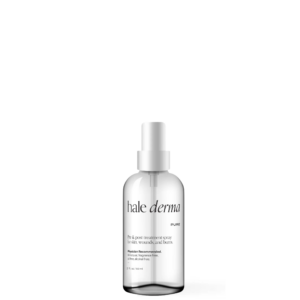
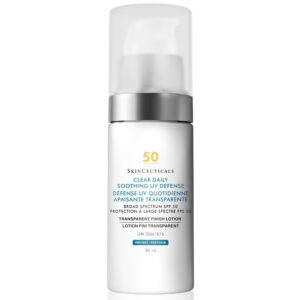
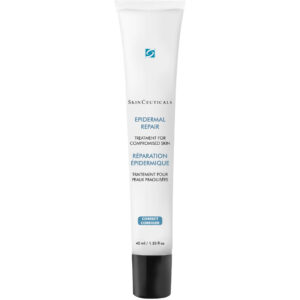
Recommended aftercare and skincare
The medical grade products our team uses to protect and extend your results. Shipped express across Canada, free over 150 dollars.
Ready to look into it properly?
Our consultation is free. We will look at your skin, give you an honest recommendation, and say so if a different treatment would suit you better.
Or call 416 923 1200 · 46 Fort York Blvd, CityPlace, Toronto
Questions about this treatment?
Ask us anything before you book. Consultations are free, and we will tell you honestly if a treatment is not right for you.