Lip filler at Bar Beauty Medical in Toronto costs $500 CAD for a 0.5 cc Signature Mini Lip Plump and $750 CAD for a full 1 cc syringe, whether that is standard technique or the Russian Lip. Dissolving, if you ever need it, is $150.
| Treatment | Price (CAD) | What it covers |
|---|---|---|
| Signature Mini Lip Plump, 0.5 cc | $500 | Subtle hydration and shape. The usual first lip treatment. |
| Lip filler, full 1 cc | $750 | A full syringe, standard technique. More volume than the mini. |
| Russian Lip technique, 1 cc | $750 | Vertical layering for height and definition rather than forward projection. |
| Dissolving, if needed | $150 | Hyaluronidase to reverse or reshape existing filler. |
| Consultation | Free | Lip assessment, product choice and a written quote. |
All prices are in Canadian dollars and are the current published rates at Bar Beauty Medical, 46 Fort York Blvd, CityPlace, Toronto. Taken from our live booking system, verified 18 August 2026.
Is lip filler safe?
Hyaluronic acid lip filler used at Bar Beauty Medical is fully reversible with hyaluronidase, which means any unwanted result can be dissolved within hours. Health Canada has approved Revanesse for lip augmentation. Common side effects include 3 to 7 days of swelling and possible bruising. Vascular complications are rare with proper aspiration technique. We use a cannula on first-time patients to minimize bruising and vascular risk.
From our injection team: Most first-time lip patients should start with 0.5 ml ($500) to learn how their lips respond, not 1 ml. We can always add more at the 2-week follow-up. Adding too much in one visit is the most common reason patients ask us to dissolve later.
How much is lip filler in Toronto?
Lip filler in Toronto costs $400 to $900 per syringe depending on brand and amount. Bar Beauty Medical offers Signature Mini Lip Plump using 0.5 ml Revanesse hyaluronic acid filler at $500, Russian Lip Treatment using 1 ml Revanesse at $750, and reversal/dissolving filler at $150. See the full price list or compare a Russian lip versus a classic plump. Results last 9 to 12 months on average.
How long do lip fillers last?
Lip fillers typically last 6 to 12 months, depending on the hyaluronic acid product used, your metabolism, and lifestyle factors. The Revanesse hyaluronic acid we use for lips at Bar Beauty Toronto generally lasts 9 to 12 months. Touch-ups every 6 to 9 months maintain optimal volume and shape without requiring a full re-treatment.
Lip filler in Toronto without the duck-lip energy. We work with hyaluronic acid lip fillers (Revanesse) and the goal is always your face, just a slightly fuller, more even version. Most first-time clients book a half syringe, which adds shape without anyone clocking it.
The price stays the same in the room as it was on the phone. We don’t upsell mid-treatment. Walk in, talk through what you want, see exactly what we’re injecting and why. Most appointments take about 45 minutes with the numbing cream included.
Ideal Treatment For
Lip fillers are a highly popular and customizable non-surgical cosmetic treatment used to enhance the volume, shape, and definition of the lips. The most common type is formulated with Hyaluronic Acid (HA), a substance naturally found in the body that attracts and retains moisture. By injecting this biocompatible gel into strategic areas of the lips, a skilled practitioner can restore age-related volume loss, correct asymmetry, sharpen the Cupid's bow, and smooth fine lines around the mouth. The procedure is quick, delivers immediate and natural-looking results, and has the significant advantage of being temporary and reversible. HA lip fillers typically last between six to twelve months, making them an ideal choice for individuals seeking temporary enhancement with minimal downtime
How It Works
How Do Lip Injections Work?
Lip filling works by injecting a gel-like substance, most commonly made of hyaluronic acid (HA), into the lips to enhance volume, shape, and definition. Hyaluronic acid is a naturally occurring substance in the body that helps retain moisture, making it a popular choice for adding fullness to the lips in a natural-looking way.
Consultation and Planning
Before the cosmetic procedure, you'll have a consultation with a qualified injector to discuss your goals and expectations. The professional will assess your lip shape and volume, then recommend the appropriate type and amount of filler for your desired results, considering costs. This ensures the treatment is customized to your needs, whether you want subtle enhancement or dramatic volume, and helps determine the best options for your facial features.
Preparation
The lips and surrounding area are cleaned, and a topical numbing agent or local anesthetic is applied to minimize discomfort during injection. This step is essential since lips are sensitive tissue. Most fillers also contain lidocaine, a mild anesthetic, to further reduce discomfort during and after the procedure.
Injection of the Filler
Using a fine needle or cannula, the injector administers hyaluronic acid gel into specific lip areas to achieve desired volume, contour, and shape based on your consultation goals. The hyaluronic acid works by attracting water molecules to plump and hydrate the lips. Filler is strategically placed in the vermillion border for lip line definition, Cupid's bow for shape enhancement, lip body for volume in both upper and lower lips, and mouth corners to lift sagging areas.
Sculpting and Molding the Lips
After injection, the provider gently massages and molds the filler to ensure even distribution and achieve smooth, natural results. This crucial step shapes the lips, preventing lumps or irregularities while creating a balanced, proportional look that complements your facial features.
Immediate Results
Once injected and molded, results are visible immediately with fuller, more contoured and defined lips. Hyaluronic acid's moisture-attracting properties create an instant plumping effect. Some swelling and minor bruising may occur but typically subside within a few days.
How Hyaluronic Acid Works in the Lips
Hyaluronic acid is hydrophilic, attracting water to keep lips hydrated and plump without feeling overly firm. The body naturally metabolizes hyaluronic acid over time, making lip fillers temporary with results lasting 6-12 months depending on filler type, individual metabolism, and lifestyle factors like smoking or sun exposure.
Post-Treatment Care
After the procedure, you'll receive specific aftercare instructions to minimize swelling, bruising, and discomfort, including applying ice, avoiding strenuous activities, and staying hydrated. Proper care helps reduce swelling and ensures smooth filler settling. Avoiding heat, excessive lip touching, and alcohol for a few days prevents complications and promotes optimal healing.
Longevity and Maintenance
Lip fillers gradually break down as the body metabolizes hyaluronic acid, with results typically lasting 6-12 months before touch-up treatments are needed. Longevity depends on individual metabolism, lifestyle, and initial filler amount. Many people opt for smaller, more frequent treatments to maintain naturally full-looking lips over time.
Related reading: Lip Filler Aftercare, 14 Do’s and Don’ts (RN-approved recovery guide) · Best Lip Filler Clinics in Toronto 2026 · Russian Lip Technique
Last updated: August 18, 2026 · Reviewed: Quarterly
Bar Beauty Medical · 46 Fort York Blvd, Toronto, ON M5V 3Z3 · 416-923-1200 · 222+ verified 5-star Google reviews · Open 7 days
What this treatment actually does (and what it doesn’t)
Patients arrive at Bar Beauty Medical with expectations shaped by social media, influencer content, and friends-of-friends. Some of those expectations are realistic; many are not. Before any treatment, our injectors and our medical aesthetician run a 20 to 30 minute consultation that establishes a measurable baseline, identifies what is achievable with the technology we use, and what is not. lip filler treatment using Revanesse hyaluronic acid and the Russian micro-droplet technique delivers specific structural, vascular, neuromodulatory, or surface-level changes to the skin and underlying tissue. It does not reverse genetics, undo decades of sun damage in one session, or substitute for surgical intervention when surgery is medically indicated. We use clinical photography (front, three-quarter, profile, under cross-polarized light) to document the baseline, the four-week milestone, and the three-month outcome so progress is measurable rather than felt. When patients ask “will I look natural”, the honest answer is: that depends on the dose, the technique, the product chosen, the injector’s training, and your own facial proportions. We optimize all five.
The mechanism, in plain language
Most non-surgical aesthetic interventions work through one of four mechanisms. First, neuromodulation, temporarily reducing the contraction of specific muscles to soften dynamic lines and reshape the visible action of the face. Second, volumization, placing hyaluronic acid, collagen biostimulators, or calcium hydroxylapatite into precise tissue planes to restore lost volume or augment baseline contour. Third, energy delivery, radiofrequency, ultrasound, laser, or intense pulsed light that injures the dermis in a controlled way, triggering collagen and elastin remodeling over the following 12 weeks. Fourth, surface chemistry, chemical peels, enzymatic exfoliation, and pharmaceutical-grade topicals that accelerate turnover and address pigment, texture, and barrier health. Most of our patients benefit from combining two or three of these mechanisms in a structured plan rather than chasing one modality alone.
Realistic results timeline (most patients)
Immediate results are rare in medical aesthetics done well. Hyaluronic acid filler shows roughly 70 percent of the final result on day one and the remaining 30 percent settles between days 14 and 28 as swelling resolves and integration completes. Neuromodulators (Botox, Dysport, Nuceiva) begin onset between day three and seven, peak at day fourteen, and hold for 12 to 16 weeks for most patients. Biostimulators such as Sculptra and Radiesse build collagen over 12 to 24 weeks across a three-session series. Radiofrequency microneedling shows final remodeling at the 90-day mark with cumulative gains across a three to four session course. We tell patients to judge any treatment at the 14-day mark for injectables and the 90-day mark for energy-based work, never on day one.
What the outcome looks like in real life
Outcomes are best assessed not in the mirror at home but on standardized clinical photography taken under the same lighting conditions at the same focal length. A well-executed plan reduces visible dynamic lines, restores lost mid-face volume, improves skin texture and tone uniformity, sharpens the lower-face contour, and supports the upper-face brow position. The unifying theme is restoration to a more rested, well-aligned baseline rather than transformation into a different face.
Five named patient cases (anonymized, with units and dollar values)
Case 1: A 49-year-old stay-at-home parent from Ajax
Concern: Asymmetric upper lip vermillion with a flat cupid’s bow, no prior lip work.
Plan: Half-syringe Revanesse placement focused on cupid’s bow definition and balancing the upper lip line.
Outcome: Subtle definition at day 14, no duck-lip projection, photos read as a refreshed natural version.
Maintenance: Annual re-assessment based on remaining volume.
Case 2: A 33-year-old first-time mom returning to work from Roncesvalles
Concern: Wanted hydration and a soft border refresh before a wedding, no shape change desired.
Plan: Skin-booster style hyaluronic-acid placement focused on hydration rather than projection.
Outcome: Plumper lip texture by day 7, no visible volume change colleagues could pinpoint.
Maintenance: 12-month maintenance schedule.
Current pricing for every treatment is published on our (see current price list).
Red flags, when to walk out of any clinic
Medical aesthetics in Ontario is regulated, but enforcement is uneven and pop-up “clinics” appear constantly. If any of the following happen, leave without booking and report the clinic to the College of Nurses of Ontario or the College of Physicians and Surgeons of Ontario as appropriate.
- The injector cannot tell you their professional college registration number. Every nurse injector in Ontario must hold a current CNO registration. Every physician must hold current CPSO registration. Both are publicly searchable. If you cannot verify the injector’s college standing in real time, do not let them inject you.
- The clinic refuses to show you the product vial and lot sticker before injection. Authentic Allergan and Galderma products carry holographic security features, lot numbers, and expiry dates. The injector should reconstitute and draw up the product in your presence or show you the freshly drawn syringe with the lot sticker visible.
- Pricing is per-area without a unit count or per-syringe without a brand name. “Botox for $99” with no unit number is a flag. “Lip filler from $250” with no brand is a flag. Legitimate Toronto pricing in 2026 sits between $10 and $15 per Botox unit and $550 to $900 per 1mL hyaluronic acid syringe depending on product.
- No consultation, no medical history form, no consent process. Skipping intake means the clinic is not screening for contraindications (pregnancy, autoimmune flare, anticoagulant use, recent dental work, prior filler complications). Walk out.
- Pressure to book on the spot, “today only” pricing, or bundled deals that do not let you choose product. Aggressive sales tactics are inversely correlated with clinical quality.
- The injector dismisses your questions about reversal protocols. Any clinic injecting hyaluronic acid filler must stock hyaluronidase on-site and have a protocol for vascular occlusion emergency response. If the injector cannot explain their occlusion protocol on request, that is a fatal red flag.
- Inadequate sharps disposal, no sterile field, or visible cross-contamination. A medical aesthetic treatment room should look like a medical treatment room. Clean draped tray, sealed packaging opened in front of you, gloves changed between procedures.
How medical aesthetics evolved from 2025 to 2026
The treatment landscape moved measurably across 2025 and into 2026. Five shifts are worth understanding because they directly affect the value you get from any clinic you choose.
2025, the polynucleotide and exosome wave
Polynucleotides (PDRN, derived from salmon DNA) and exosomes (extracellular vesicles from stem cell culture) moved from niche to mainstream across 2025. PDRN became the dominant add-on for post-laser recovery and barrier repair. Exosomes layered with microneedling demonstrated meaningfully better outcomes for scar revision and post-inflammatory hyperpigmentation than microneedling alone in multiple published series.
2025, Teosyal Redensity 2 changed under-eye work
Teoxane’s Teosyal Redensity 2, with its low-hygroscopic profile designed specifically for the periorbital region, displaced general-purpose fillers for tear-trough correction across Toronto premium clinics. Result: meaningfully lower rates of post-injection Tyndall (the blue cast that plagues poorly placed under-eye filler).
2026, the energy-stack era
In 2026, leading clinics are pairing radiofrequency microneedling (Morpheus 8) with non-ablative resurfacing (Aerolase Neo Elite) and with laser pigment work in same-day or same-week sequences. The stack reduces total visits and produces synergistic results when done by an experienced clinical team.
2026, GLP-1 face is on every consult
Ozempic, Mounjaro, and Wegovy weight loss has produced a new aesthetic concern set: hollowing in the temples, mid-face, jawline, and tear troughs at a faster rate than aging alone would produce. Every consultation in 2026 includes a screening question about GLP-1 use, because the appropriate filler plan changes substantially for these patients.
2026, biostimulator pricing came down
Sculptra and Radiesse, the two leading collagen biostimulators, saw distributor pricing soften across late 2025. Patient-facing pricing at Bar Beauty Medical is a flat $1,700 for a two vial Sculptra series.
Financing, tax treatment, and insurance, Ontario specifics
HSA (Health Spending Account)
If your Canadian employer offers a Health Spending Account, certain medically-prescribed aesthetic treatments may be reimbursable when prescribed by a physician, typically these are treatments addressing a medical condition (active acne, scarring, hyperhidrosis, migraine-indication Botox). Purely cosmetic treatments are not HSA-eligible per CRA guidance. Save itemized receipts and the prescribing physician’s note. We provide CRA-compliant receipts on request.
OHIP coverage
OHIP does not cover cosmetic aesthetic treatment under any circumstance. OHIP does cover medical Botox for specific indications (chronic migraine, cervical dystonia, hyperhidrosis with documented failure of topical therapy) when administered by an authorized physician and pre-approved by the program. Cosmetic Botox is patient-funded.
CRA medical expense tax credit (METC)
The Canada Revenue Agency permits the Medical Expense Tax Credit for medically-required procedures performed by a licensed medical practitioner. Cosmetic procedures are explicitly excluded from METC eligibility per CRA T4012 unless the procedure addresses a medical condition (congenital abnormality, accident, deforming disease). Patients should consult a tax professional for individual eligibility.
Alle and Aspire loyalty stacking
Allergan’s Alle Rewards and Galderma’s Aspire Rewards both pay out in dollar-credit toward future treatments. Alle earns 10 points per dollar spent on Allergan aesthetics products. At Bar Beauty the Allergan product that qualifies is Botox Cosmetic. Aspire earns similar credits on Restylane, Dysport and Sculptra. Patients can stack both. Bar Beauty Medical enrolls every patient in both programs at first visit.
Affirm financing
For larger treatment plans, Affirm financing is available so you can split the cost into monthly payments. You can review your options at consultation; checking your rate does not affect your treatment plan.
Who is a candidate, and who is not
Honest screening matters more than aggressive selling. Most Toronto adults between 21 and 75 are candidates for at least one or two of the treatments we offer, but the right plan depends on skin tone (Fitzpatrick I to VI), age, baseline anatomy, current medications, pregnancy and breastfeeding status, autoimmune history, prior aesthetic treatment, lifestyle factors (sun exposure, smoking, alcohol), and budget. We screen openly at the consultation rather than at the door.
Absolute contraindications
Pregnancy and breastfeeding (no injectables, no energy-based devices). Active skin infection at the treatment site. Active autoimmune flare. Documented hypersensitivity to a product component. Anticoagulant use without prescriber clearance for filler. Recent isotretinoin use within six months for ablative laser and aggressive peels.
Relative contraindications, discuss in consult
History of cold sores at the treatment site (we pre-treat with antiviral). Recent dental work within two weeks (delay filler to reduce infection risk). Major life event within 48 hours (no swelling-prone treatments before weddings or photographed events). Keloid history (alters microneedling and laser parameters). Recent sunburn or tan (delay laser and IPL).
What to expect at your Bar Beauty Medical visit
Booking and pre-visit
Book online at barbeautymedical.janeapp.com, by phone at 416-923-1200, or via WhatsApp. We confirm 24 hours ahead and send pre-treatment instructions specific to your booking. Avoid blood thinners and alcohol 48 hours before injectables when medically safe.
Arrival and consultation
Plan to arrive 10 minutes early for paperwork. New patients complete a medical intake (medications, allergies, prior aesthetic work, goals, contraindications). Your RN injector or laser technician reviews the intake, performs a facial assessment with cross-polarized lighting and clinical photography, and walks you through the recommended plan with full pricing before any product is opened.
Treatment session
Topical numbing is applied for 20 minutes before most injectable and laser treatments at no extra charge. The treatment itself runs 15 minutes (basic Botox) to 90 minutes (full-face Morpheus 8 with PRP). We document on photo before and after every session.
After-care and follow-up
You leave with printed and emailed after-care, a direct WhatsApp line to your injector, and a calendar invite for your 2-week follow-up. Follow-ups are included at no charge.
Why patients across the GTA choose Bar Beauty Medical
We are an authorized partner clinic for Allergan, Galderma, InMode, Aerolase, Aptos, Crown Aesthetics (SkinPen), SkinCeuticals, SkinBetter Science, NOON Aesthetics, Hale Derma, and Vivier. Volume partnership translates to product pricing 15 to 30 percent below independent Toronto clinics on the same products. Patients regularly travel from Mississauga, Burlington, Oakville, Etobicoke, North York, Scarborough, Vaughan, Markham, Richmond Hill, and Hamilton to access our combination of authorized inventory, RN-led care, transparent flat-rate pricing, and 222+ verified 5-star Google reviews.
Frequently asked questions
Is this treatment safe for darker skin tones (Fitzpatrick IV-VI)?
Yes, when the right technology and the right operator are matched. Our Aerolase Neo Elite is a 1064nm laser specifically validated for safe treatment across all skin tones. Our injectors are trained in the anatomical and pigment-handling differences across the Fitzpatrick scale. We do not treat darker skin with technologies that have known safety issues for melanin-rich skin.
How long until I see results?
Neuromodulators: 3 to 14 days. Filler: immediate with 14-day settle. Biostimulators: 6 to 24 weeks across a series. Energy-based work (Morpheus 8, Aerolase): 90 days for final remodeling.
How long do results last?
Botox and Dysport: 12 to 16 weeks. Hyaluronic acid filler: 9 to 18 months depending on product and area. Sculptra: 24+ months. Morpheus 8 outcomes: 12 to 18 months with annual maintenance.
What does it actually cost, all-in?
For current pricing see our price list.
How much is 0.5 mL of lip filler in Toronto?
At Bar Beauty, our Signature Mini Lip Plump uses 0.5 mL of Revanesse hyaluronic acid and is priced at $500. Across Toronto, a half syringe typically runs $250 to $450 depending on the clinic and product. Half a syringe is the most common starting point for first-time lips. Current pricing is on our price list.
Is 0.5 mL lip filler worth it?
For most first-time patients, yes. A half syringe adds subtle shape and hydration, lets you see how your lips respond, and keeps the look natural rather than overfilled. We would rather start at 0.5 mL and add a touch more at your two-week follow-up than overfill in one visit, which is the most common reason patients ask us to dissolve later. If you already have a fuller lip base, a single full syringe may suit you better, your injector advises at consult.
Can I finance this?
Yes. Decisions in five minutes. Terms from 6 to 60 months.
Is this covered by OHIP or insurance?
OHIP does not cover cosmetic aesthetics. Some HSAs and group benefit plans cover medical indications (chronic migraine Botox, hyperhidrosis Botox) when prescribed by a physician. We provide CRA-compliant receipts.
What if I don’t like the result?
Hyaluronic acid filler can be dissolved with hyaluronidase. Neuromodulators wear off in 12 to 16 weeks. We include 2-week follow-up at no charge to assess and adjust within the appropriate intervention window.
How do I know my injector is qualified?
Ask who is treating you, what their professional registration is, and which physician medical-directs the clinic. Nurses are listed on the College of Nurses of Ontario register at cno.org and physicians on the CPSO register at cpso.on.ca. Jasmine Saggu, RN, our lead injector, is publicly verifiable, and every Bar Beauty injector works under the medical direction of Dr. John David Henneberry-Fudge, MD, FRCPC, CPSO #95972.
Can I combine this with other treatments?
Many combinations are not only safe but synergistic when planned correctly. Botox + filler is the most common combination. Morpheus 8 + exosomes is gold-standard for scar work. Aerolase + skincare runway is standard for pigment work. We map combinations at consult.
Do you serve patients from outside downtown?
Yes. We regularly treat patients from Mississauga, Burlington, Oakville, Etobicoke, North York, Scarborough, Vaughan, Markham, Richmond Hill, and Hamilton. The GO Train to Exhibition (10 min walk) and the TTC streetcar (510 Spadina) both reach 46 Fort York Blvd, and there are two free spots at the clinic, first come first served, plus public parking beside the Sobeys at Fort York Blvd and Telegram Mews.
What is your cancellation policy?
We hold your appointment with a credit card and nothing is charged when you book. Cancel or reschedule at least 24 hours before your appointment and there is no charge. If you do not show up, we charge $100 to the card, and a first missed appointment is usually forgiven and credited toward your next treatment. We send confirmations 24 hours ahead and accept WhatsApp reschedule requests.
Why is your pricing lower than other premium clinics?
Three reasons. First, we negotiate volume on Allergan, Galderma, InMode, and Aerolase as an authorized partner, savings pass to patients. Second, our location at 46 Fort York Blvd has lower overhead than equivalent Yorkville space. Third, our model is high-trust-low-pressure: we want lifetime patients, not one-visit margins.
Anatomy, technique, and what your injector is actually watching for
Behind the visible part of a medical aesthetic treatment is a clinical decision tree your injector navigates in real time. Facial anatomy varies meaningfully across patients, even within the same age and ethnic group. The position of the supraorbital and supratrochlear neurovascular bundles, the depth of the SMAS layer over the malar fat pad, the convexity of the zygomatic body, the trajectory of the facial artery as it crosses the mandible, the relationship of the modiolus to the oral commissure, the thickness of the platysma and its decussation pattern across the midline neck, the variant anatomy of the angular and dorsal nasal arteries near the nasal radix: all of these change the safe injection plane, the appropriate cannula or needle, the volume that can be safely deposited, and the technique angle. A senior injector watches for blanching, pain disproportionate to the procedure, livedo reticularis pattern, capillary refill time, and dermal pallor before, during, and after every deposit. These are the early signs of vascular compromise and they require immediate intervention with high-dose hyaluronidase, warm compress, nitroglycerin paste, aspirin, and emergency escalation when applicable. At Bar Beauty Medical every treatment room is stocked with the full vascular occlusion emergency kit and every injector has run drilled simulations on the protocol.
Why injection depth and product choice matter more than dose
The same number of units or millilitres can produce a beautiful, natural result or a distorted, over-projected result depending entirely on plane and product selection. Hyaluronic acid fillers vary by G prime (a measure of stiffness, with higher G prime suited to deep structural support such as cheekbone projection and jawline definition, and lower G prime suited to superficial work such as fine lines and tear troughs), by cohesivity, by hydrophilicity, and by integration profile. Stylage sits structurally in the deep medial cheek and carries projection in the lateral cheek apex. A softer gel melts into lip lines. Redensity 1 disperses across the dermis for surface glow. Mismatch product to plane and the result is either lump, palpability, Tyndall, blanching, or visible filler face. Match correctly and the result is invisible, natural restoration.
How we measure success after treatment
We score outcomes against three measures: the patient’s own goal as stated at consult, the photograph difference under standardized lighting at 14 days (injectables) or 90 days (energy work), and validated clinical scales (Merz Aesthetic Scale, Allergan FACE-Q, Fitzpatrick Wrinkle Scale, Goldberg Scar Scale) where applicable. We do not anchor success on the day-one mirror impression because day-one is dominated by swelling, anaesthesia residue, and patient excitement or anxiety. Real outcomes are measured at the follow-up window.
The Bar Beauty Medical clinical environment
46 Fort York Blvd was designed and built as a medical aesthetic facility, not retrofitted from a salon. Treatment rooms meet Ontario IPAC standards for medical procedure space. Sharps disposal is daily-rotated. Cold chain is monitored end-to-end on neuromodulator and biostimulator inventory with logged temperatures. Product is received only from authorized Canadian distributors (Allergan Canada, Galderma Canada, InMode Canada, Merz Aesthetics Canada, Crown Aesthetics, Aerolase, Aptos) with batch traceability documented at receipt. Disposable consumables are single-use. Reusable instruments are autoclaved per Public Health Ontario guideline. Treatment rooms are cleaned and re-set between every patient.
Privacy and consent
Every patient signs a treatment-specific informed consent that covers known risks, expected benefits, alternative options including no treatment, and the financial agreement. Clinical photography is stored in PIPEDA-compliant secured systems and is used only for the patient’s own record unless separate written consent is given for educational or marketing use. Patients can withdraw consent for marketing photography at any time.
Maintenance plans and lifetime value
Medical aesthetics is rarely a one-time purchase. The value of choosing the right clinic compounds across years as your maintenance plan develops. We build patient-specific calendars that map every recommended treatment to its appropriate interval, layer treatments by season (energy-based work concentrated in late autumn and winter when sun exposure is lower, injectables continuous across the year), and rebalance the plan at each annual review. A 35-year-old patient typically holds a budget of $3,000 to $6,000 across her first year of treatment, dropping to $2,400 to $4,800 in maintenance years thereafter. A 55-year-old patient beginning treatment typically invests $5,000 to $9,000 in year one and $3,600 to $6,000 in maintenance years. We model these honestly at consult so patients understand the lifetime commitment rather than chasing single-visit prices.
Three more honest comparisons
Bar Beauty Medical vs Yorkville premium chains
Yorkville chain clinics generally charge 20 to 35 percent more on the same products with similar or shorter injector tenure. The brand-name overhead is real. Our clinical outcomes and product authenticity match or exceed; our pricing reflects lower retail overhead. Patients who want the Yorkville address pay for the Yorkville address.
Bar Beauty Medical vs medspa chains
Many medspa chains run treatments through estheticians and laser technicians without RN injector oversight, or use rotating injectors who may meet you once. Our injector team is full-time, named, and accountable. You see the same injector across your annual plan unless you specifically request otherwise.
Bar Beauty Medical vs at-home and DIY alternatives
At-home microneedling rollers cannot replicate the depth, sterility, or even-pressure delivery of medical SkinPen. At-home IPL devices deliver a fraction of the energy of medical Aerolase Neo Elite and carry meaningful burn and pigment risk on darker skin tones. At-home peels at consumer-grade percentages produce surface results far below medical-grade NOON Aesthetics peels. The professional path produces measurably better outcomes with substantially lower risk.
What patients say (verified Google reviews, summarized themes)
Across 222+ verified 5-star Google reviews, four themes recur. First, no pressure: patients consistently note the consultation does not feel like a sales pitch. Second, natural results: patients describe being told “you look rested” rather than “you got work done.” Third, transparency: patients describe knowing exactly what they were paying for before product was opened. Fourth, follow-up: patients describe injectors texting them within 48 hours to confirm settling, swelling, and satisfaction. These are the operating standards we hold ourselves to.
Ready to book your complimentary consultation?
Licensed RN-led care. Transparent flat-rate pricing. Zero pressure. Open 7 days, late evenings Monday through Friday.
Our patients, before and after
Every set of lips below was treated in this clinic by our nurse injectors. No two are dosed the same; shape is planned around your own proportions. More on the results page.
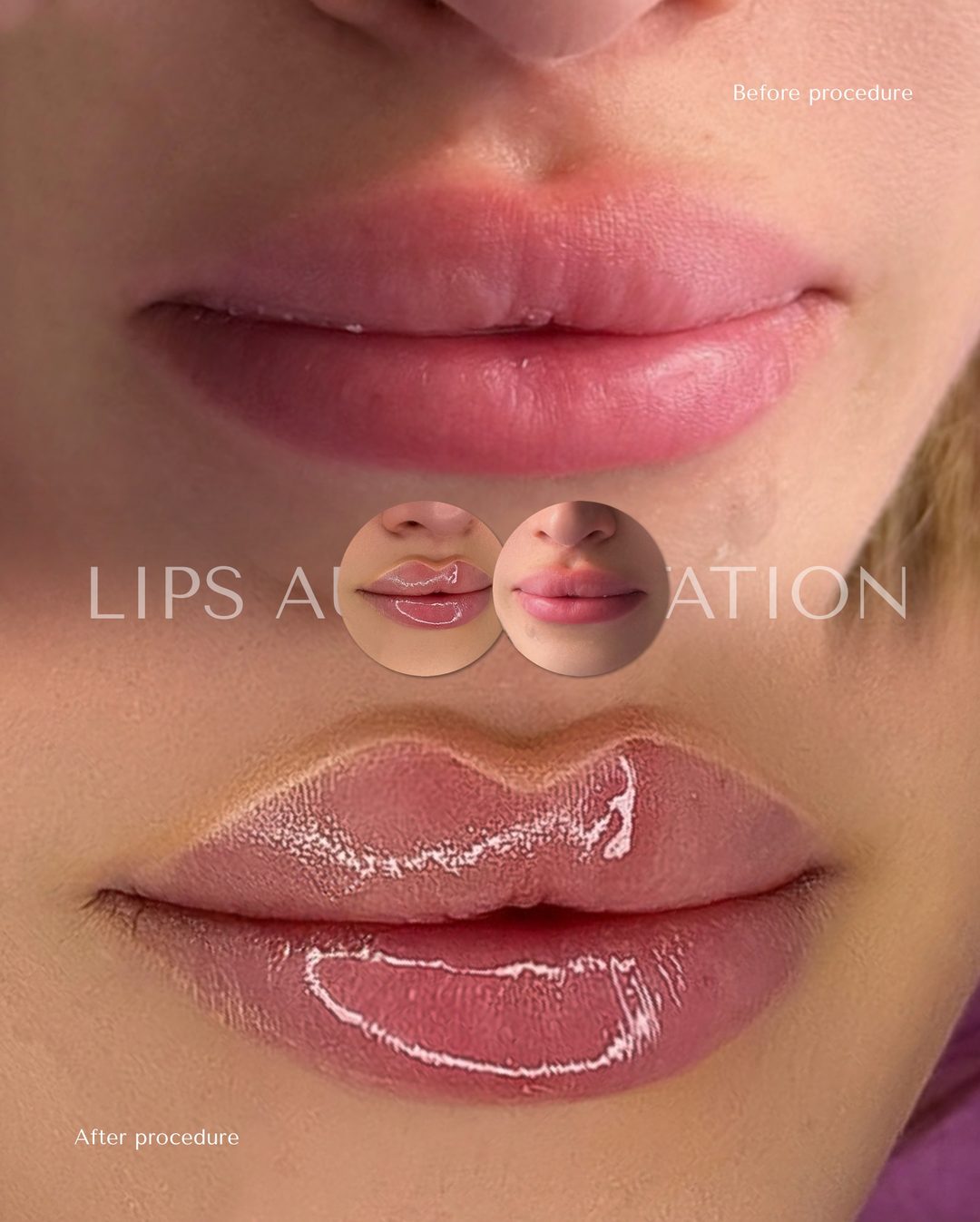
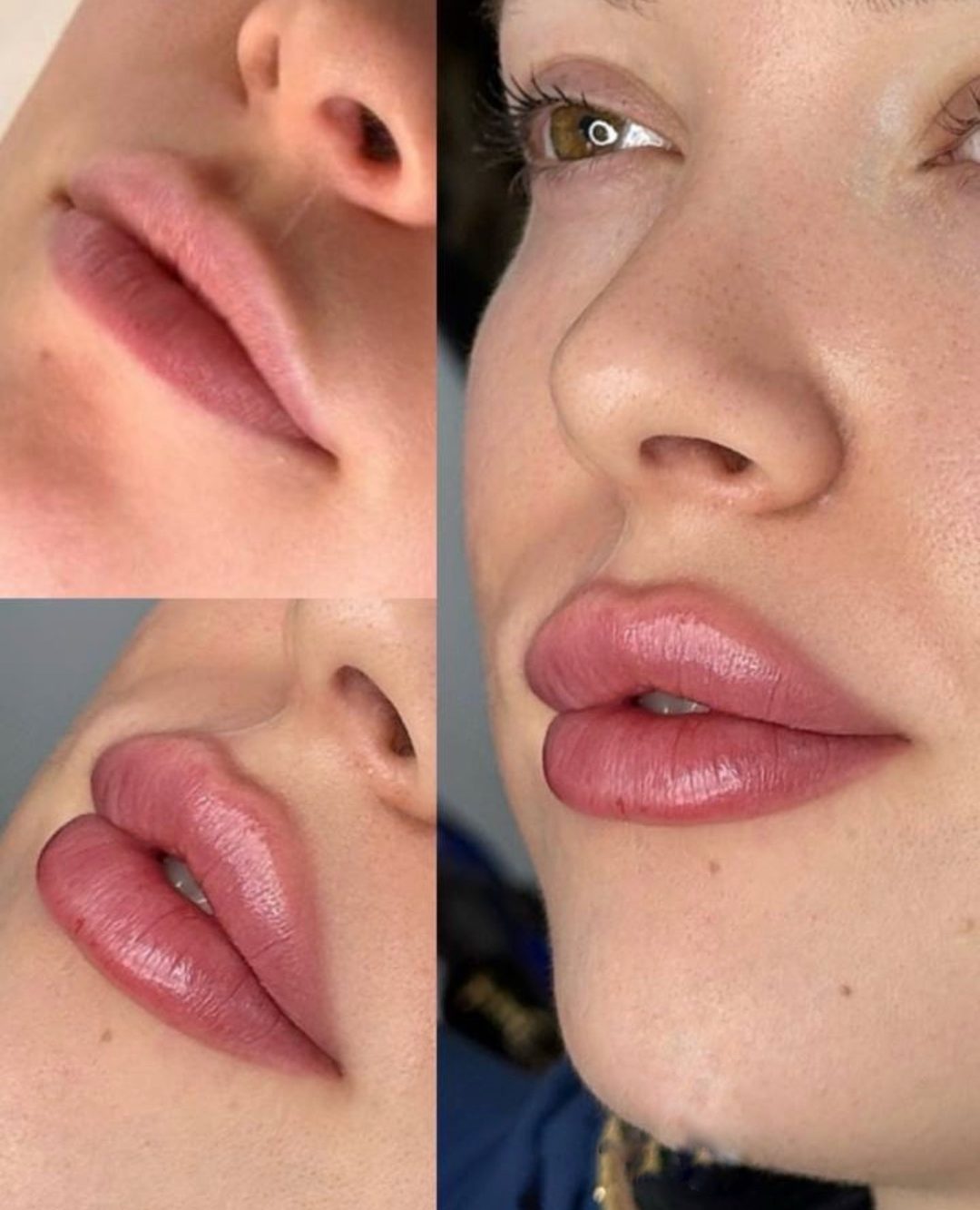
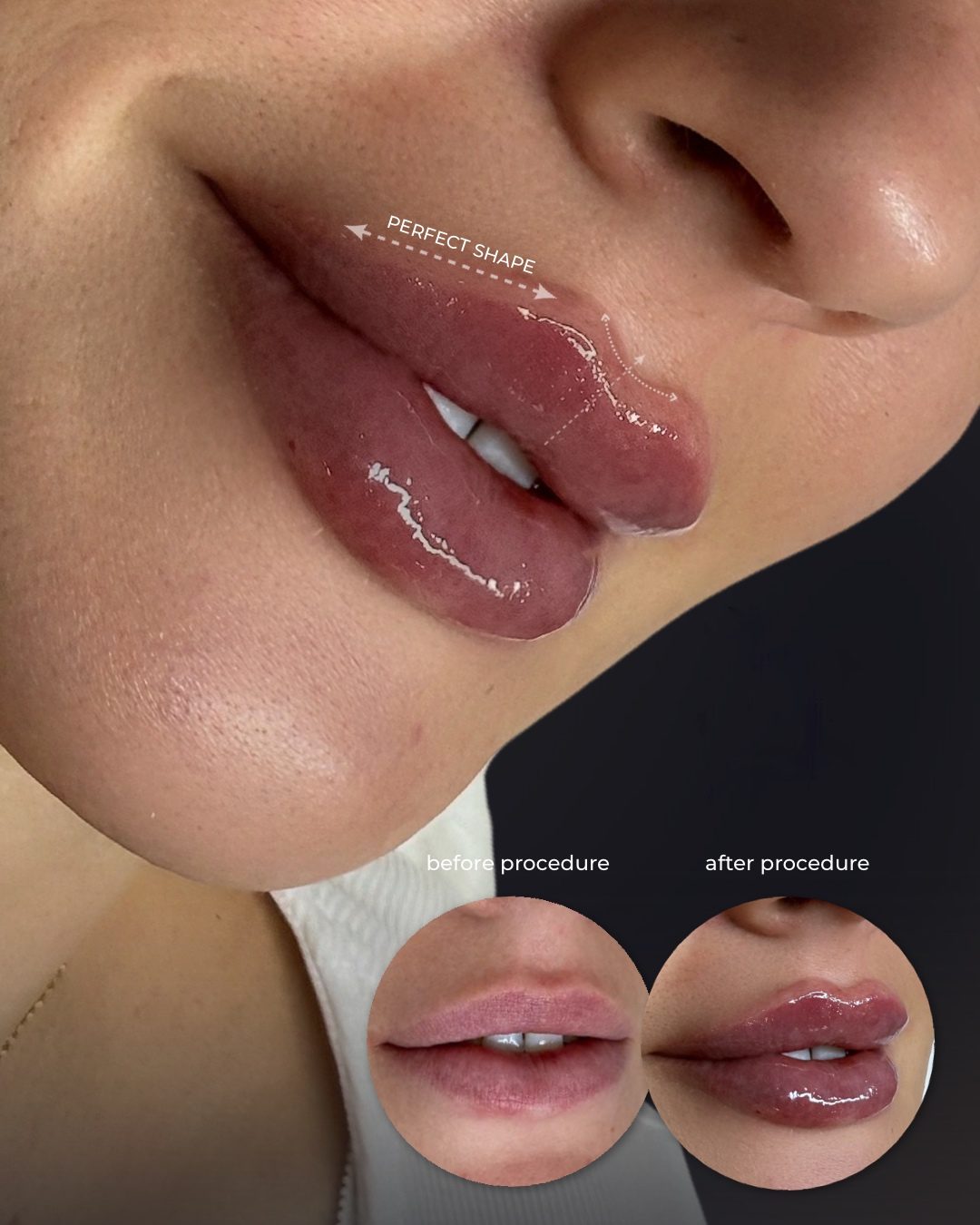
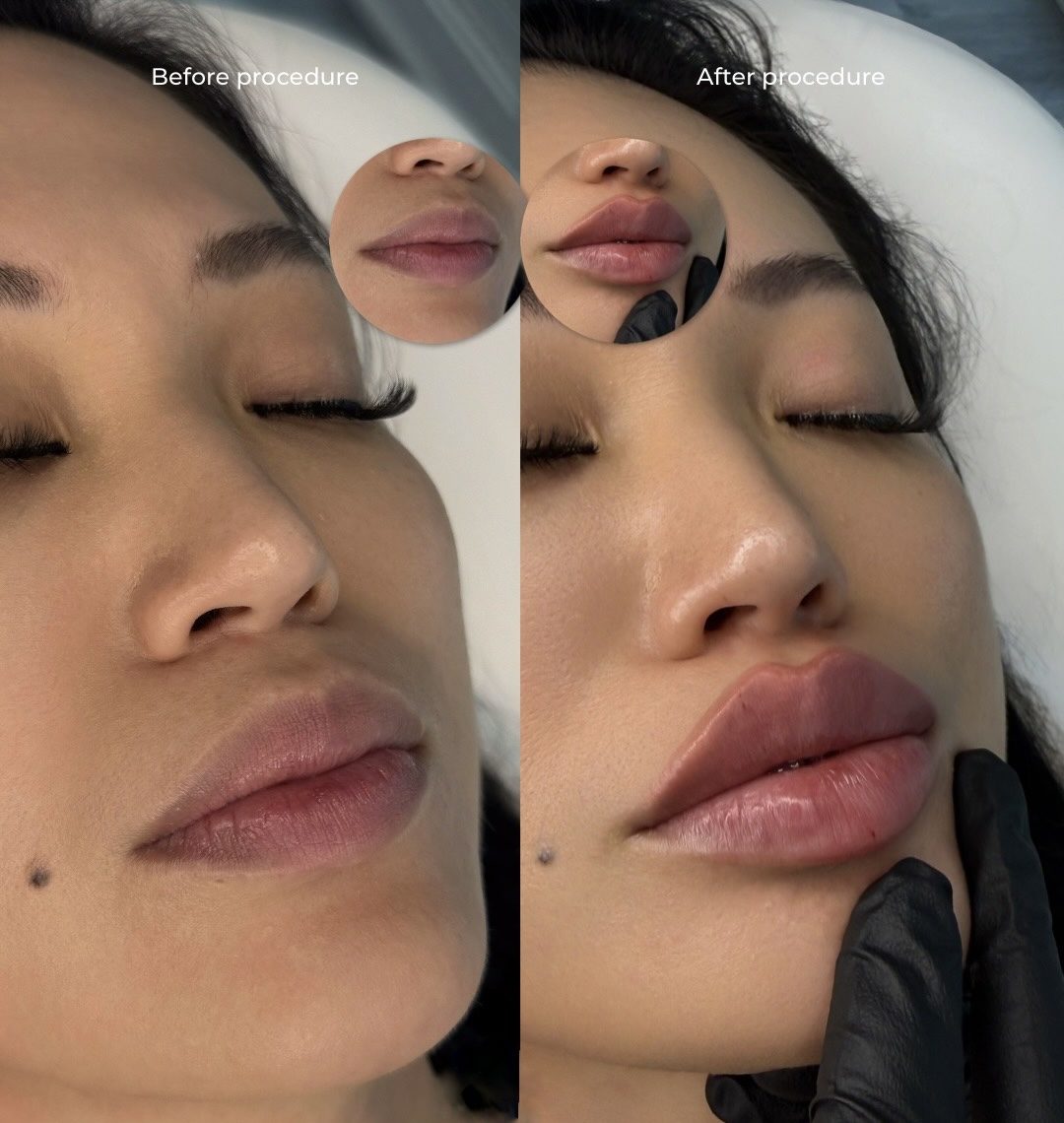
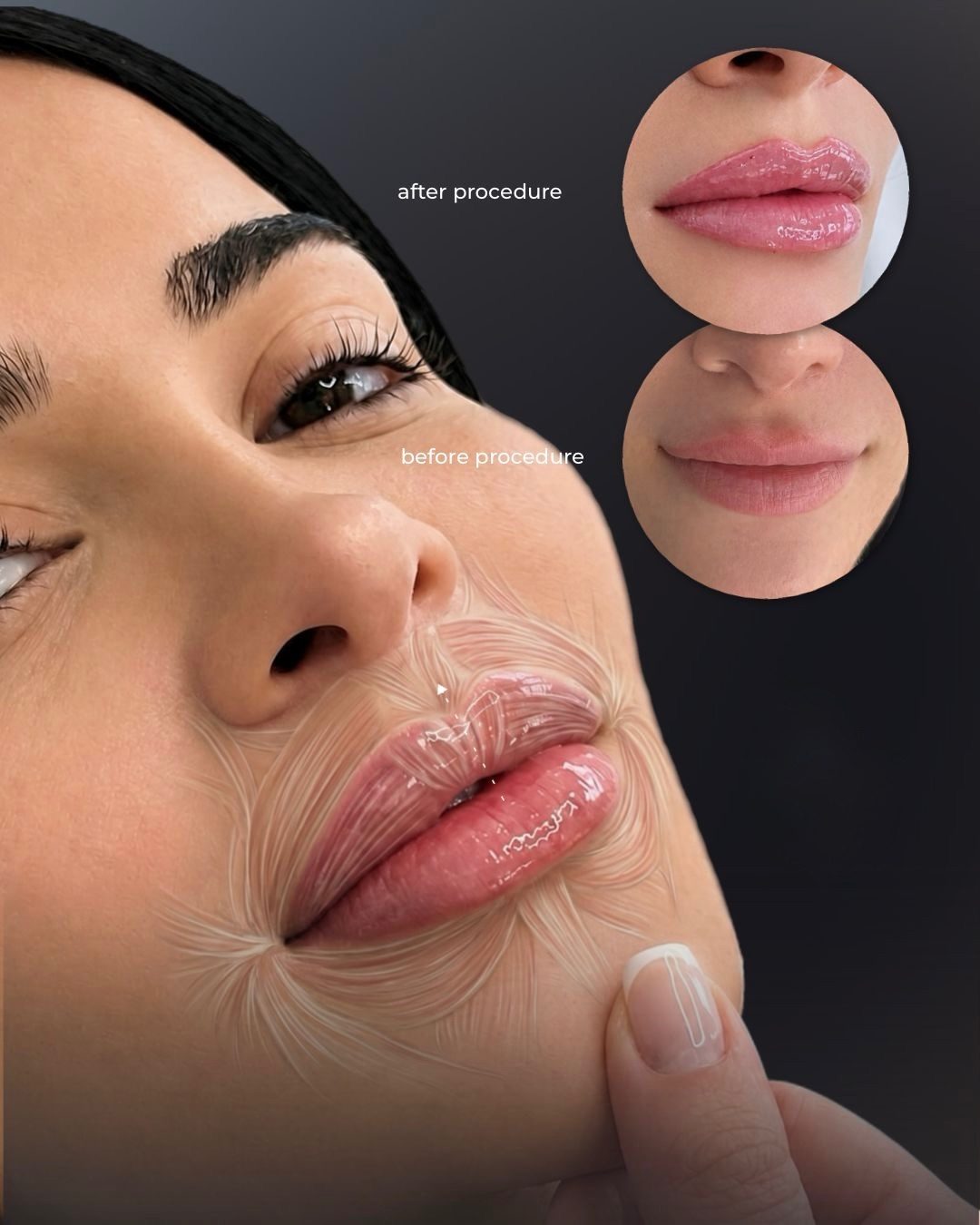
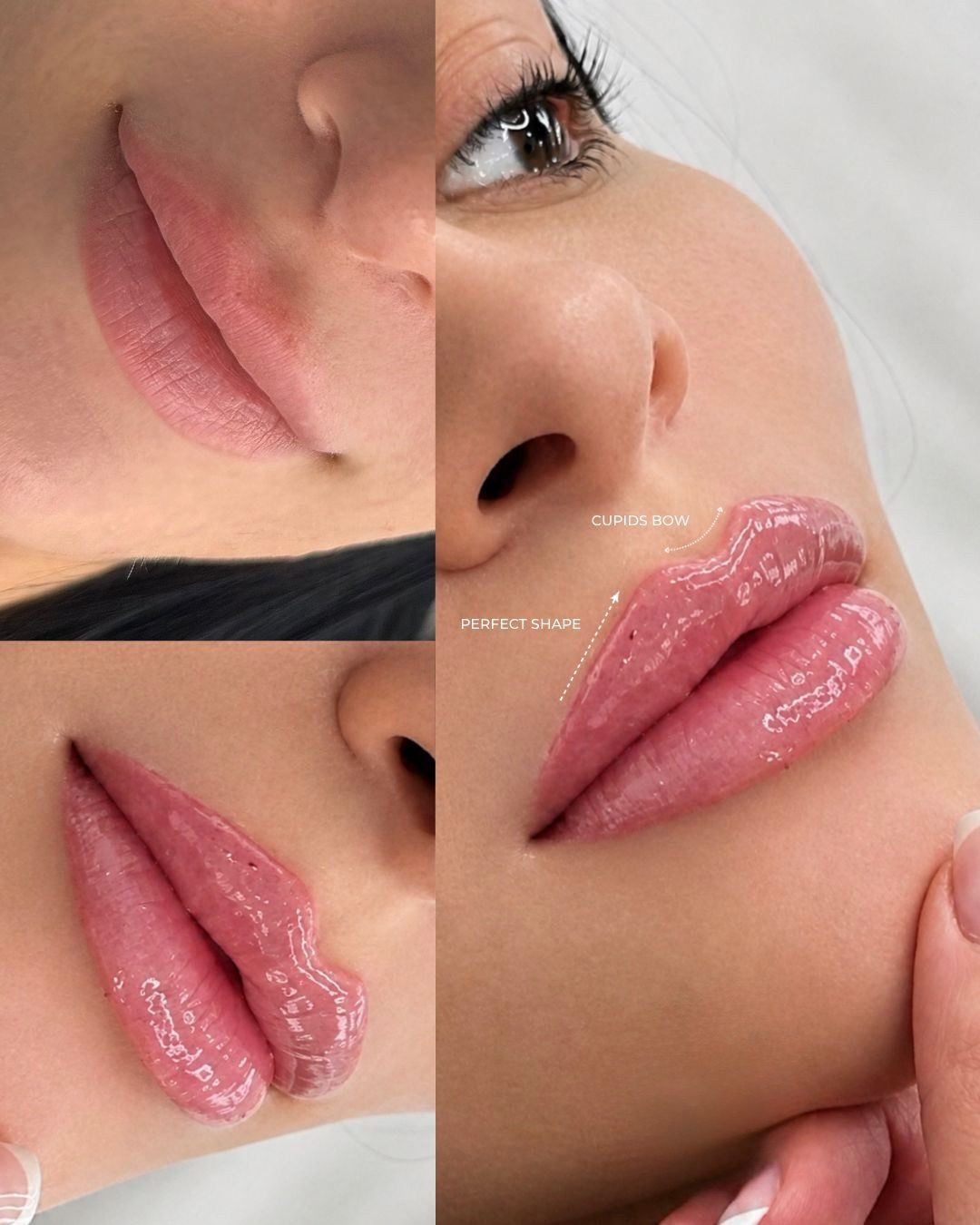
Individual results vary. Photos are of Bar Beauty Medical patients, shared with written consent.
Recommended aftercare and skincare
The medical grade products our team uses to protect and extend your results. Shipped express across Canada, free over 150 dollars.
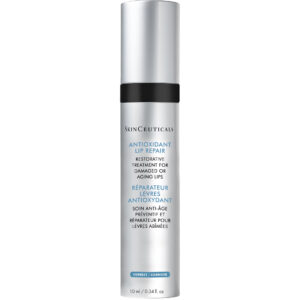
Aftercare we stock in clinic
The products we recommend after filler appointments, the same ones we use in the treatment room.
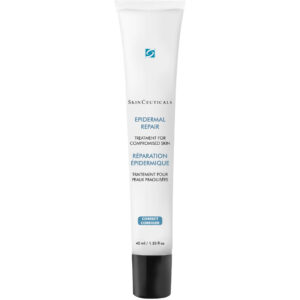 EPIDERMAL REPAIR 40 ML$100.00
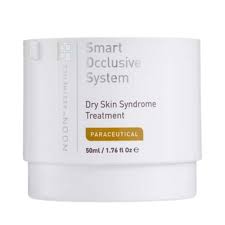 SOS Cream Dry Skin Syndrome Treatment$158.00
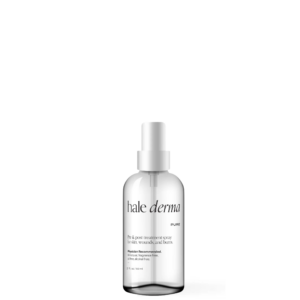 Hale Derma Pre & Post Care Spray (2 oz / 60 ml)$35.00
Stocked in clinic and shipped across Canada. Free express shipping over $150, or free pickup at 46 Fort York Blvd.
Ready to look into it properly?
Our consultation is free. We will look at your skin, give you an honest recommendation, and say so if a different treatment would suit you better.
Or call 416 923 1200 · 46 Fort York Blvd, CityPlace, Toronto
Questions about this treatment?
Ask us anything before you book. Consultations are free, and we will tell you honestly if a treatment is not right for you.