


Forma by InMode, non-invasive RF skin tightening with zero downtime. 30-minute sessions, no needles, gradual collagen rebuild across 6 to 8 visits.
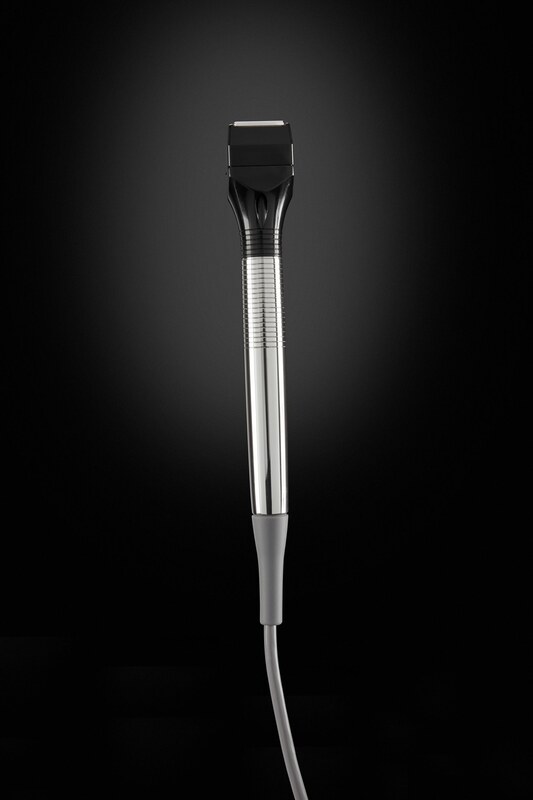
Forma is the gentlest device we run and we would rather set expectations honestly than oversell it. It delivers radiofrequency heat to tighten existing collagen and stimulate new production, with no needles, no downtime and no marks. The trade for that comfort is subtlety. Results are gradual and cumulative, and anyone expecting a single dramatic session will be disappointed.
- What it actually does: heats the dermis to a therapeutic temperature and holds it there, which tightens existing collagen and prompts new production over the following weeks.
- What it feels like: warm, comparable to a hot stone massage. No numbing needed, no marks afterward, back to your day immediately.
- Realistic result: mild to moderate tightening and improved texture. Best for early laxity, not established sagging.
- It is a course, not a session. Typically six treatments. Single session $280, or a course of six at $900, which is $150 per session.
- When we recommend something else: if laxity is significant, Morpheus 8 at $600 to $1,400 goes deeper with needles and heat, and will outperform Forma. We would rather send you there than sell you a course that underdelivers.
- It suits people who cannot have downtime or who are nervous about needles, and it stacks well with other treatments rather than competing with them.
Bar Beauty Medical, 46 Fort York Blvd, CityPlace, Toronto. Prices in Canadian dollars from our live booking system, verified 18 August 2026.
How Forma works
Forma uses radiofrequency energy delivered through a heated probe massaged across your skin. Internal sensors maintain a constant therapeutic temperature (~42°C) for 30 minutes, long enough to stimulate collagen contraction immediately and seed fresh collagen growth over the following weeks.
Where we use it
Jawline definition, neck tightening, lower face lift, eye area firming, and arm/abdomen tightening for body work. Pairs beautifully with Botox for a complete refresh.
Sessions, results, recovery
6 to 8 sessions spaced 1 to 2 weeks apart. Zero downtime, go right back to work. Visible tightening builds across the course with peak results 8 to 12 weeks after final session. Maintain with quarterly single sessions.
Forma vs Morpheus 8
Morpheus 8 goes deeper with needles for serious skin laxity or scar work. Forma is the no-needle, no-downtime alternative for early-stage skin firming and maintenance. We pick based on your specific concern at consultation.
Book your free consultation
Speak with a licensed Bar Beauty injector or laser tech. We will review your goals and give you a clear plan, zero pressure.
46 Fort York Blvd, Toronto · 416-923-1200 · Open 7 days
Forma RF in Toronto is a non-invasive bipolar radiofrequency skin-tightening treatment from InMode. A heated handpiece is massaged across the face, neck, or body for 30 minutes at a sustained therapeutic temperature of approximately 42 to 43 degrees Celsius. Internal sensors maintain the temperature and prevent burns. The result is immediate collagen contraction with ongoing collagen remodeling over 8 to 12 weeks. At Bar Beauty in downtown Toronto we deliver Forma for jawline definition, neck tightening, lower-face firming, eye-area treatment, and body areas. 2026 pricing is $295 per single session and $1,495 for a course of 6 (one free).
To book a no-pressure consultation, call (416) 923-1200 or use the contact page.
What Forma RF actually does
Forma uses bipolar radiofrequency energy delivered between two electrodes inside the handpiece. The energy flows through the skin’s dermal layer and converts to heat. At 42 to 43 degrees, three things happen simultaneously: existing collagen fibers contract immediately, fibroblasts are activated to produce fresh collagen and elastin over the following weeks, and small blood vessels dilate, increasing circulation to the treated area. Internal thermal sensors maintain a constant temperature throughout the 30 minute session, which is what differentiates Forma from older RF devices that produced variable heating and a higher risk of burn or under-treatment.
The cumulative effect across a course of 6 to 8 sessions is visible skin tightening, improved firmness, smoothing of fine lines, and softening of early jowls. Forma is not a facelift substitute for moderate-to-severe skin laxity, but for early laxity in patients aged 35 to 55 it is the cleanest non-invasive option available, zero downtime, no needles, no anesthetic.
2026 Forma RF pricing in Toronto
| Treatment area | Duration | Recommended course |
|---|---|---|
| Forma Face (single) | 30 minutes | 6 to 8 sessions |
| Forma Course of 6 (one free) | 6 × 30 min | 1 to 2 week intervals |
| Forma Course of 8 | 8 × 30 min | 1 to 2 week intervals |
| Forma Neck (single) | 30 minutes | 6 to 8 sessions |
| Forma Face + Neck (single) | 50 minutes | 6 to 8 sessions |
| Forma Face + Neck Course of 6 | 6 × 50 min | 1 to 2 week intervals |
| Forma Eye area (single) | 20 minutes | 6 sessions |
| Forma Body area (per zone) | 30 minutes | 6 to 8 sessions |
| Maintenance single session | 30 minutes | every 8 to 12 weeks |
How Forma pricing compares in Toronto
The 2026 Toronto market for Forma RF face sessions ranges from $250 to $395. We sit at $295 mid-market. The course of 6 with one free brings the effective per-session cost to $249.
Forma vs Morpheus 8 vs surgical options, how we decide
When we choose Forma
First choice for early skin laxity in patients aged 35 to 55, anyone who cannot tolerate downtime, anyone needle-averse, and as a maintenance treatment to extend results of more aggressive procedures. Best for mild to moderate laxity.
When we choose Morpheus 8
For moderate-to-severe skin laxity, post-acne textural change, or significant submental fat reduction needs. Morpheus 8 uses RF delivered through microneedles, deeper remodeling, 2 to 3 days of downtime. Stronger result but with downtime.
When we refer for surgical lift
For severe skin laxity in patients aged 55+ where neck bands are prominent, descended jowls have significantly altered the lower-face shape, and skin elasticity is poor. Non-surgical RF will not meaningfully change these presentations.
When we add cheek filler or jawline filler
Forma plus structural filler creates a layered result, RF tightens the envelope, filler restores the underlying volume.
Red flags, when to walk out of a Forma consultation
- Promises of “facelift results” from RF alone. RF is for early laxity, not severe descent.
- Single session promised to deliver lasting result. Forma is a course treatment.
- No real-time temperature monitoring. Forma uses internal thermal sensors. Skipping the sensors is unsafe.
- Skin barrier disregard. Treatment should not proceed over active eczema, active infection, or recent injectables in the same zone.
- Aggressive multi-treatment pre-pay before a trial. First-time patients should pay for one session, see how their skin responds, then commit to a course.
- No SPF protocol after. Treated skin may be slightly sensitive; SPF is recommended.
- Generic RF device claimed to be “the same as Forma”. Forma is an InMode device with specific internal sensors. Generic RF is not equivalent.
Recovery, realistic day-by-day timeline
Day 0
Mild facial warmth and slight pinkness for 1 to 2 hours. No visible downtime. Return to work same day. SPF recommended.
Day 1
Skin feels slightly tighter. No restrictions.
Days 2 to 7
Subtle ongoing tightening. Normal activity. Next session can be booked at week 1 or 2.
Weeks 2 to 8
Collagen remodeling continues during and after the course.
Weeks 8 to 12
Peak result after final session.
HSA, financing, and tax considerations
Health spending accounts
Forma is cosmetic, not OHIP-covered. Some Group HSAs reimburse. Itemized receipts available.
CRA tax considerations
Pure cosmetic Forma is not tax-deductible. Treatments documented as reconstructive after illness or trauma may qualify.
Affirm financing
For larger treatment plans, Affirm financing is available so you can split the cost into monthly payments. You can review your options at consultation; checking your rate does not affect your treatment plan.
Combining Forma with other treatments
With jawline filler and masseter Botox
Most common combination. Forma first to tighten envelope, then filler and Botox at month 2 to 3.
With cheek filler
Forma tightens the lateral envelope; cheek filler restores structural volume.
With Aerolase Custom Facial
Alternate weeks during the course for compound effect on skin quality.
With Morpheus 8
For staged protocols, Morpheus 8 for deeper remodeling, Forma as maintenance between Morpheus sessions.
What Forma will not do
- Replace surgical lower facelift in patients with severe laxity.
- Reduce fat. Forma tightens skin; for fat reduction see Morpheus 8 or surgical options.
- Eliminate static deep wrinkles. Those need Botox, filler, or resurfacing.
- Look immediately dramatic. The course-build progression is the point.
- Substitute for daily skincare. Results hold better with consistent home regimen.
Why Bar Beauty for Forma RF in Toronto
We are a nurse-led, physician-supervised aesthetic clinic in downtown Toronto serving patients across the GTA, Mississauga, Etobicoke, North York, Scarborough, Vaughan, Markham, Richmond Hill, and Oakville. We hold a 5.0 Google rating across 222+ reviews. We are an authorized InMode clinic operating the genuine Forma handpiece.
Not sure whether this is the right tightening treatment for your face? Our skin tightening guide compares Forma, Morpheus8, Venus Bliss and BodyFX by area, downtime and price, and explains when heat is not the answer.
Frequently asked questions
How much does Forma RF cost in Toronto in 2026?
$295 single session. Course of 6 face: $1,495. Face + neck course of 6: $2,495.
How many sessions do I need?
6 to 8 sessions at 1 to 2 week intervals, then quarterly maintenance singles.
Is Forma safe?
Yes. Internal thermal sensors maintain therapeutic temperature and prevent burns. Safe for all Fitzpatrick skin types.
Does it hurt?
Warm massage sensation. Most patients find it relaxing. Pain rating 1 out of 10.
Is there downtime?
None. Mild pinkness for 1 to 2 hours.
Can I wear makeup after?
Yes immediately.
Can I exercise after?
Yes, including same-day workouts.
How soon will I see results?
Some immediate firming. Cumulative tightening builds across the course. Peak at 8 to 12 weeks after final session.
How does Forma differ from Morpheus 8?
Forma is bipolar surface RF, no needles, no downtime, ideal for early laxity. Morpheus 8 uses RF microneedles for deeper remodeling with 2 to 3 days downtime, suitable for moderate to severe laxity.
Is Forma a facelift?
No. Forma is a non-invasive maintenance and early-laxity treatment. Severe laxity requires surgical options.
Can I do Forma while pregnant?
Most clinics including ours defer non-essential cosmetic RF until after delivery and breastfeeding.
Will Forma work for body areas?
Yes. Common body indications include arms, abdomen, knees, and post-pregnancy abdominal skin.
Book your Forma RF consultation
Call (416) 923-1200, message via WhatsApp, or book via the contact page.
The science of collagen remodeling, why Forma works over weeks
Collagen and elastin are the structural proteins that determine skin firmness, bounce, and resistance to laxity. Both decline at approximately 1 percent per year after age 30, accelerating after menopause and in patients with significant sun exposure. The dermal heating from Forma at 42 to 43 degrees triggers a coordinated biological response: existing collagen fibers contract immediately, providing the day-of firming patients notice; fibroblasts in the dermis upregulate collagen and elastin synthesis over the following 6 to 12 weeks; and dermal circulation improves, enhancing nutrient delivery. The result is gradual rebuilding of the dermal matrix that is responsible for the cumulative course effect. Single sessions cannot deliver this because fibroblast activation requires repeated stimulation to produce sustained matrix turnover.
Why course intervals matter
The 1 to 2 week interval is optimized to maintain fibroblast activation without over-stimulating the dermis. Shorter intervals do not deliver better outcomes and may increase irritation. Longer intervals (3 to 4 weeks between sessions) extend the course duration but produce similar end-state results.
Forma RF in Toronto is a non-invasive bipolar radiofrequency skin-tightening treatment from InMode. A heated handpiece is massaged across the face, neck, or body for 30 minutes at a sustained therapeutic temperature of approximately 42 to 43 degrees Celsius. Internal sensors maintain the temperature and prevent burns. The result is immediate collagen contraction with ongoing collagen remodeling over 8 to 12 weeks. At Bar Beauty in downtown Toronto we deliver Forma for jawline definition, neck tightening, lower-face firming, eye-area treatment, and body areas. 2026 pricing is $295 per single session and $1,495 for a course of 6 (one free).
To book a no-pressure consultation, call (416) 923-1200 or use the contact page.
What Forma RF actually does
Forma uses bipolar radiofrequency energy delivered between two electrodes inside the handpiece. The energy flows through the skin’s dermal layer and converts to heat. At 42 to 43 degrees, three things happen simultaneously: existing collagen fibers contract immediately, fibroblasts are activated to produce fresh collagen and elastin over the following weeks, and small blood vessels dilate, increasing circulation to the treated area. Internal thermal sensors maintain a constant temperature throughout the 30 minute session, which is what differentiates Forma from older RF devices that produced variable heating and a higher risk of burn or under-treatment.
The cumulative effect across a course of 6 to 8 sessions is visible skin tightening, improved firmness, smoothing of fine lines, and softening of early jowls. Forma is not a facelift substitute for moderate-to-severe skin laxity, but for early laxity in patients aged 35 to 55 it is the cleanest non-invasive option available, zero downtime, no needles, no anesthetic.
2026 Forma RF pricing in Toronto
| Treatment area | Duration | Recommended course |
|---|---|---|
| Forma Face (single) | 30 minutes | 6 to 8 sessions |
| Forma Course of 6 (one free) | 6 × 30 min | 1 to 2 week intervals |
| Forma Course of 8 | 8 × 30 min | 1 to 2 week intervals |
| Forma Neck (single) | 30 minutes | 6 to 8 sessions |
| Forma Face + Neck (single) | 50 minutes | 6 to 8 sessions |
| Forma Face + Neck Course of 6 | 6 × 50 min | 1 to 2 week intervals |
| Forma Eye area (single) | 20 minutes | 6 sessions |
| Forma Body area (per zone) | 30 minutes | 6 to 8 sessions |
| Maintenance single session | 30 minutes | every 8 to 12 weeks |
How Forma pricing compares in Toronto
The 2026 Toronto market for Forma RF face sessions ranges from $250 to $395. We sit at $295 mid-market. The course of 6 with one free brings the effective per-session cost to $249.
Forma vs Morpheus 8 vs surgical options, how we decide
When we choose Forma
First choice for early skin laxity in patients aged 35 to 55, anyone who cannot tolerate downtime, anyone needle-averse, and as a maintenance treatment to extend results of more aggressive procedures. Best for mild to moderate laxity.
When we choose Morpheus 8
For moderate-to-severe skin laxity, post-acne textural change, or significant submental fat reduction needs. Morpheus 8 uses RF delivered through microneedles, deeper remodeling, 2 to 3 days of downtime. Stronger result but with downtime.
When we refer for surgical lift
For severe skin laxity in patients aged 55+ where neck bands are prominent, descended jowls have significantly altered the lower-face shape, and skin elasticity is poor. Non-surgical RF will not meaningfully change these presentations.
When we add cheek filler or jawline filler
Forma plus structural filler creates a layered result, RF tightens the envelope, filler restores the underlying volume.
Red flags, when to walk out of a Forma consultation
- Promises of “facelift results” from RF alone. RF is for early laxity, not severe descent.
- Single session promised to deliver lasting result. Forma is a course treatment.
- No real-time temperature monitoring. Forma uses internal thermal sensors. Skipping the sensors is unsafe.
- Skin barrier disregard. Treatment should not proceed over active eczema, active infection, or recent injectables in the same zone.
- Aggressive multi-treatment pre-pay before a trial. First-time patients should pay for one session, see how their skin responds, then commit to a course.
- No SPF protocol after. Treated skin may be slightly sensitive; SPF is recommended.
- Generic RF device claimed to be “the same as Forma”. Forma is an InMode device with specific internal sensors. Generic RF is not equivalent.
Recovery, realistic day-by-day timeline
Day 0
Mild facial warmth and slight pinkness for 1 to 2 hours. No visible downtime. Return to work same day. SPF recommended.
Day 1
Skin feels slightly tighter. No restrictions.
Days 2 to 7
Subtle ongoing tightening. Normal activity. Next session can be booked at week 1 or 2.
Weeks 2 to 8
Collagen remodeling continues during and after the course.
Weeks 8 to 12
Peak result after final session.
HSA, financing, and tax considerations
Health spending accounts
Forma is cosmetic, not OHIP-covered. Some Group HSAs reimburse. Itemized receipts available.
CRA tax considerations
Pure cosmetic Forma is not tax-deductible. Treatments documented as reconstructive after illness or trauma may qualify.
Combining Forma with other treatments
With jawline filler and masseter Botox
Most common combination. Forma first to tighten envelope, then filler and Botox at month 2 to 3.
With cheek filler
Forma tightens the lateral envelope; cheek filler restores structural volume.
With Aerolase Custom Facial
Alternate weeks during the course for compound effect on skin quality.
With Morpheus 8
For staged protocols, Morpheus 8 for deeper remodeling, Forma as maintenance between Morpheus sessions.
What Forma will not do
- Replace surgical lower facelift in patients with severe laxity.
- Reduce fat. Forma tightens skin; for fat reduction see Morpheus 8 or surgical options.
- Eliminate static deep wrinkles. Those need Botox, filler, or resurfacing.
- Look immediately dramatic. The course-build progression is the point.
- Substitute for daily skincare. Results hold better with consistent home regimen.
Why Bar Beauty for Forma RF in Toronto
We are a nurse-led, physician-supervised aesthetic clinic in downtown Toronto serving patients across the GTA, Mississauga, Etobicoke, North York, Scarborough, Vaughan, Markham, Richmond Hill, and Oakville. We hold a 5.0 Google rating across 222+ reviews. We are an authorized InMode clinic operating the genuine Forma handpiece.
Frequently asked questions
How much does Forma RF cost in Toronto in 2026?
$295 single session. Course of 6 face: $1,495. Face + neck course of 6: $2,495.
How many sessions do I need?
6 to 8 sessions at 1 to 2 week intervals, then quarterly maintenance singles.
Is Forma safe?
Yes. Internal thermal sensors maintain therapeutic temperature and prevent burns. Safe for all Fitzpatrick skin types.
Does it hurt?
Warm massage sensation. Most patients find it relaxing. Pain rating 1 out of 10.
Is there downtime?
None. Mild pinkness for 1 to 2 hours.
Can I wear makeup after?
Yes immediately.
Can I exercise after?
Yes, including same-day workouts.
How soon will I see results?
Some immediate firming. Cumulative tightening builds across the course. Peak at 8 to 12 weeks after final session.
How does Forma differ from Morpheus 8?
Forma is bipolar surface RF, no needles, no downtime, ideal for early laxity. Morpheus 8 uses RF microneedles for deeper remodeling with 2 to 3 days downtime, suitable for moderate to severe laxity.
Is Forma a facelift?
No. Forma is a non-invasive maintenance and early-laxity treatment. Severe laxity requires surgical options.
Can I do Forma while pregnant?
Most clinics including ours defer non-essential cosmetic RF until after delivery and breastfeeding.
Will Forma work for body areas?
Yes. Common body indications include arms, abdomen, knees, and post-pregnancy abdominal skin.
Book your Forma RF consultation
Call (416) 923-1200, message via WhatsApp, or book via the contact page.
The science of collagen remodeling, why Forma works over weeks
Collagen and elastin are the structural proteins that determine skin firmness, bounce, and resistance to laxity. Both decline at approximately 1 percent per year after age 30, accelerating after menopause and in patients with significant sun exposure. The dermal heating from Forma at 42 to 43 degrees triggers a coordinated biological response: existing collagen fibers contract immediately, providing the day-of firming patients notice; fibroblasts in the dermis upregulate collagen and elastin synthesis over the following 6 to 12 weeks; and dermal circulation improves, enhancing nutrient delivery. The result is gradual rebuilding of the dermal matrix that is responsible for the cumulative course effect. Single sessions cannot deliver this because fibroblast activation requires repeated stimulation to produce sustained matrix turnover.
Why course intervals matter
The 1 to 2 week interval is optimized to maintain fibroblast activation without over-stimulating the dermis. Shorter intervals do not deliver better outcomes and may increase irritation. Longer intervals (3 to 4 weeks between sessions) extend the course duration but produce similar end-state results.
Body applications for Forma RF
Abdomen and post-pregnancy skin
Forma is effective for post-pregnancy abdominal skin laxity. We treat in 30-minute zones with a course of 8 over 8 to 12 weeks. Best for patients within 12 to 24 months post-partum before significant elastin loss has set in.
Arms
The bat-wing zone responds to Forma for early laxity. Best paired with strength training. A course of 8 sessions over 8 to 12 weeks is typical.
Knees
The pretibial and suprapatellar areas develop laxity with age and post-weight-loss. Forma in short 20-minute sessions across a course of 6 to 8 produces visible improvement.
Inner thighs
One of the harder body zones because of skin thinness. Forma course of 8 with realistic expectations, improvement is incremental rather than dramatic.
Back and bra-line
Post-weight-loss back skin laxity responds to Forma. The course of 8 protocol is standard.
What a typical Forma session feels like
Arrive without makeup. Practitioner cleanses the skin and applies a thin layer of ultrasound coupling gel. The handpiece is placed on the skin and moved in slow circular passes across the treatment zone. Internal sensors maintain temperature around 42 to 43 degrees. Most patients describe a warm massage sensation that is relaxing rather than uncomfortable. Sessions run 30 minutes for a single zone, 50 to 90 minutes for multi-zone sessions. After the session, the gel is wiped off, SPF is applied, and you can return to normal activity immediately.
Comparing Forma to other non-invasive skin tightening platforms
Forma vs Thermage
Thermage uses monopolar RF with single-session protocols, deeper penetration, more discomfort, higher per-session cost. Forma uses bipolar RF in shorter session courses, gentler experience, more affordable per-course pricing. Outcomes are roughly comparable for early laxity; Thermage may have an edge for deeper laxity in a single session.
Forma vs Ultherapy (HIFU)
Ultherapy uses focused ultrasound to target deeper tissue including SMAS, strongest non-surgical lift for moderate laxity. Single-session protocols, more discomfort, higher cost (typically $2,500 to $4,500 per session). Forma is gentler, course-based, more affordable, and better for early laxity maintenance.
Forma vs microcurrent facials
Microcurrent stimulates facial muscles without dermal heating. Different mechanism. Microcurrent is appropriate for relaxation-leaning facials; Forma is appropriate for actual collagen remodeling.
Forma Results
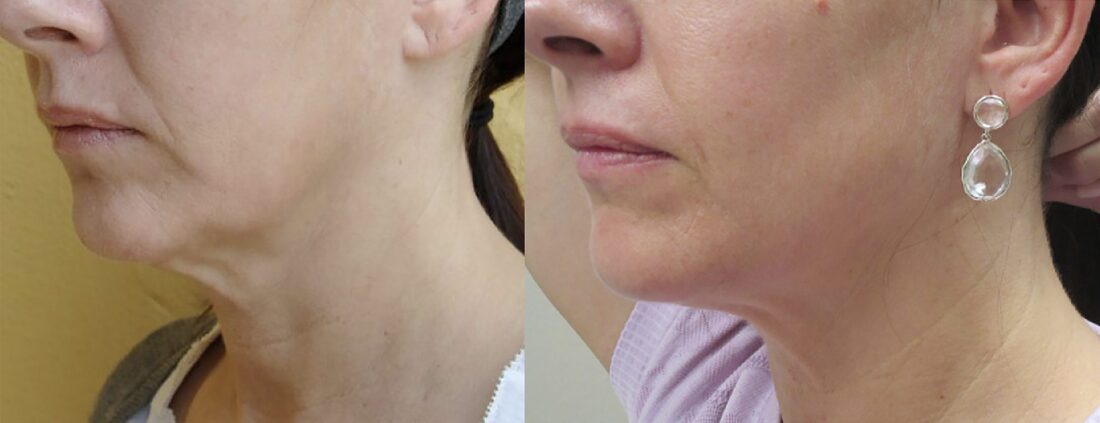
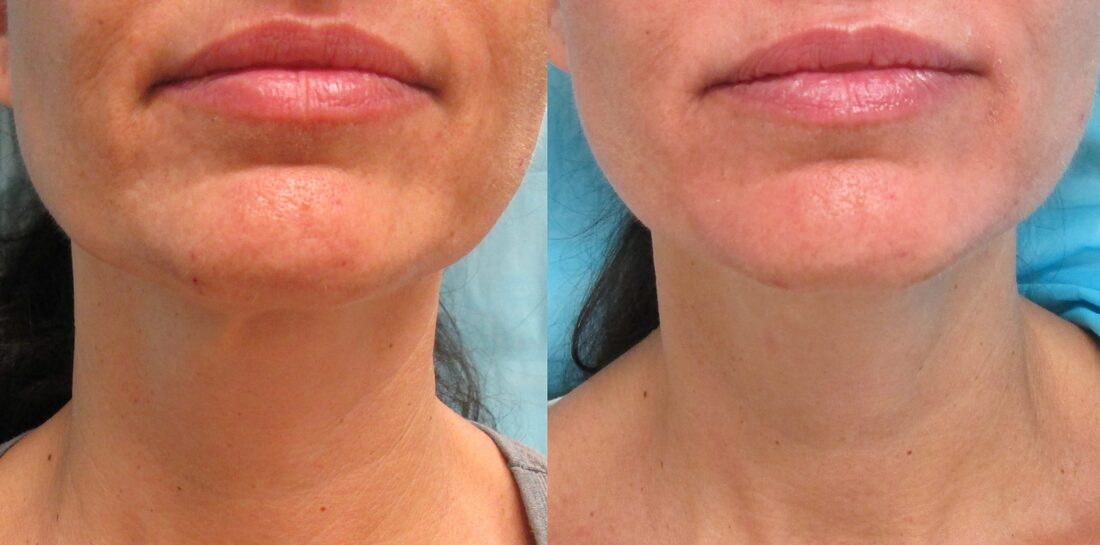
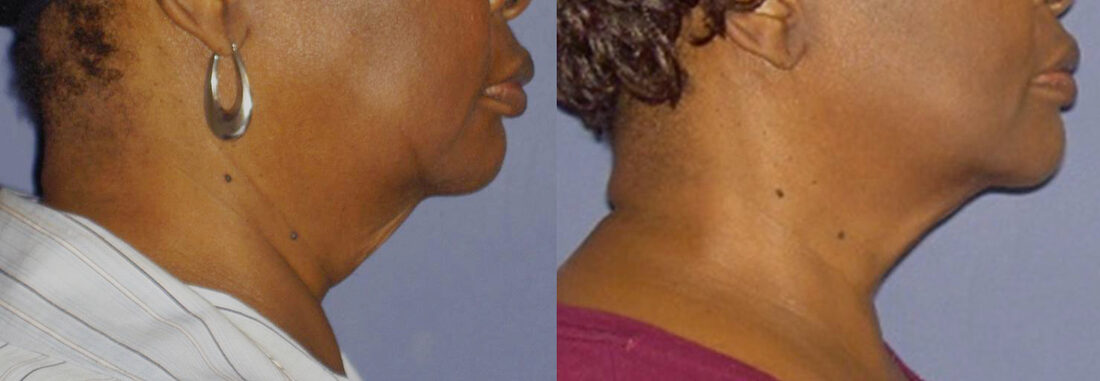
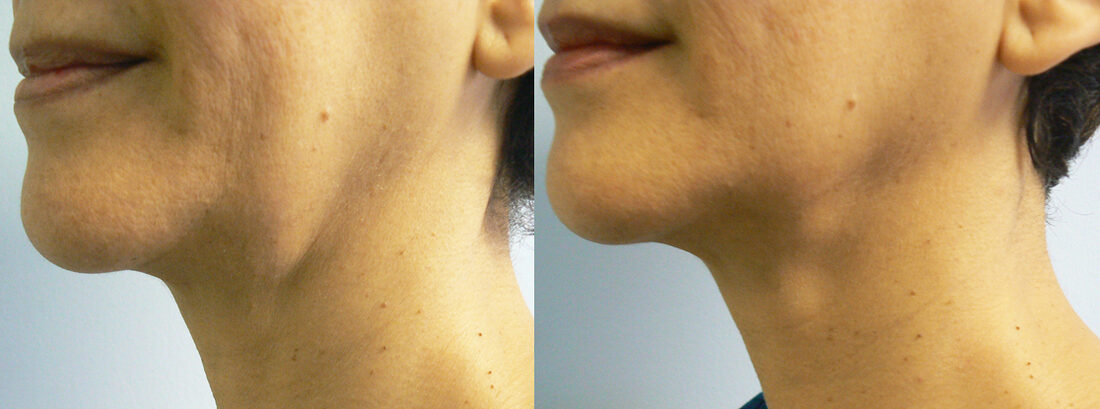
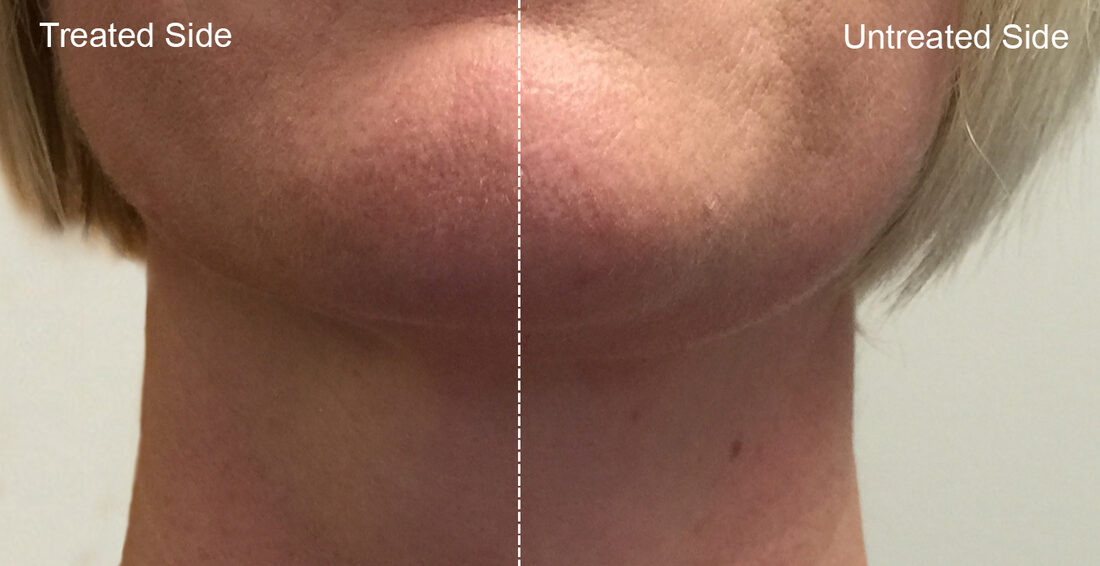
Representative InMode Forma results provided by InMode (the device manufacturer). Individual results vary.
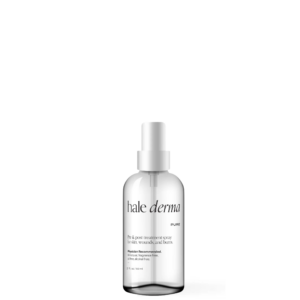
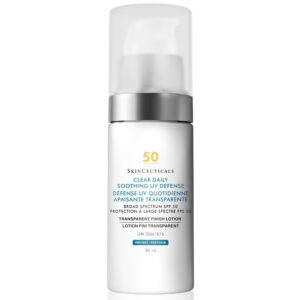
Recommended aftercare and skincare
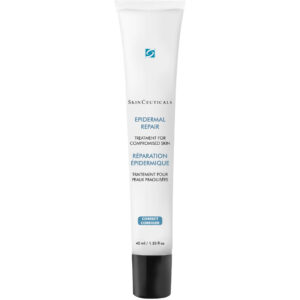
The medical grade products our team uses to protect and extend your results. Shipped express across Canada, free over 150 dollars.
Ready to look into it properly?
Our consultation is free. We will look at your skin, give you an honest recommendation, and say so if a different treatment would suit you better.
Or call 416 923 1200 · 46 Fort York Blvd, CityPlace, Toronto
Package Pricing
A course usually costs less per session than booking one at a time. These are live package prices from our booking system, valid one year from purchase.
| Package | Sessions | Price | Per session |
|---|---|---|---|
| Forma InMode Skin Tightening | 3 | $714 | $238 |
| Forma InMode (Session of 6) | 6 | $900 | $150 |
| Tri-Phase Transformation | 6 | $4,250 | $708 |
| Forma InMode Skin Tightening 15 session + Morpheus 8 Face&Neck 5 session | 20 | $5,200 | $260 |
Full list on our price list. Free consult before you commit to a course, call (416) 923-1200.
Questions about this treatment?
Ask us anything before you book. Consultations are free, and we will tell you honestly if a treatment is not right for you.