


Your 30s are the decade your skin stops doing all the work for you. In your 20s you could skip a night, sleep in your makeup, and wake up fine. Somewhere in this decade that stops being true. Collagen production slows, cell turnover gets lazier, and the routine that carried you this far quietly stops keeping up. This is a clinic owner’s view of what is actually happening and what to do about it, written from the treatment chair rather than a lab.
We run a medical aesthetics clinic, Bar Beauty Medical in Toronto, and clients in their 30s are the single biggest group we see. The mistakes are predictable, and so are the fixes.
Book a skin analysis consult. The analysis is the one thing we never charge for, so it is a no-risk way to find out what your skin actually needs.
The commonest thing that goes wrong with a routine in this decade is not the wrong product, it is four right products used at once. Actives compete for the same skin, and a damaged barrier stops all of them working, which is why three things used properly beat ten every time.
| The combination | What it was meant to fix | What happens instead |
|---|---|---|
| A retinoid and an exfoliating acid on the same night | Faster turnover, on the theory that two are quicker than one | Both are asking the same skin to shed at once. Alternate the nights, or move the acid to the morning |
| A teenage acne wash on adult hormonal breakouts | The jaw and chin breakouts that started in this decade | Stripping the oil damages the barrier, and a damaged barrier breaks out more rather than less |
| A retinoid at night and no sunscreen in the morning | Fine lines and uneven tone | The UV undoes the work and adds the pigment you were trying to fade. Daily SPF is what protects everything else you are doing |
| Four new products started in the same week | Everything at once, usually after a bad photograph | Nothing can be attributed to anything. When the skin reacts you have no way of telling which product did it |
| Booking an in-clinic treatment while the skin is already sore | Getting ahead of the structural change instead of chasing it | Skin that is red and flaking is not in a state to be treated. The barrier gets repaired first and the treatment goes in after |
The way out is usually to move work off the routine rather than add to it. For inflamed hormonal breakouts we use the Aerolase Neo Elite, a 1064 nm laser that treats redness and acne comfortably across every skin tone, so the home routine can stay simple while the device carries the load. Breakouts that are severe or cystic are a conversation for a physician first.
What actually changes in your skin in your 30s
Four things shift at once, which is why this decade feels like it sneaks up on people.
Collagen slows down. You lose roughly one percent of your collagen a year from your mid 20s, and the early effects start showing now. Skin looks slightly less plump and bounces back a little slower when you pinch it. This is the structural change behind the first fine lines.
Cell turnover drops. The rate your skin sheds dead cells and brings fresh ones up slows down, so skin can look duller and rougher even when nothing is wrong. This is why exfoliation and a retinoid start to matter now in a way they did not before.
Oil and breakouts get confusing. Plenty of people who had clear skin in their 20s start breaking out in their 30s, often along the jaw and chin. Hormonal shifts drive this, and it is frustrating because the teenage acne products that promise to strip oil usually make adult breakouts worse by wrecking the barrier.
Pigment and past sun show up. The sun you got in your teens and 20s starts surfacing as melasma, sunspots, and uneven tone. Pigment is far easier to prevent than to erase, which is why daily SPF stops being optional in this decade.
What your routine should actually do now, and what it should not
The goal in your 30s is not ten products. It is a few that earn their place, used consistently, on a barrier that is healthy enough to tolerate them.
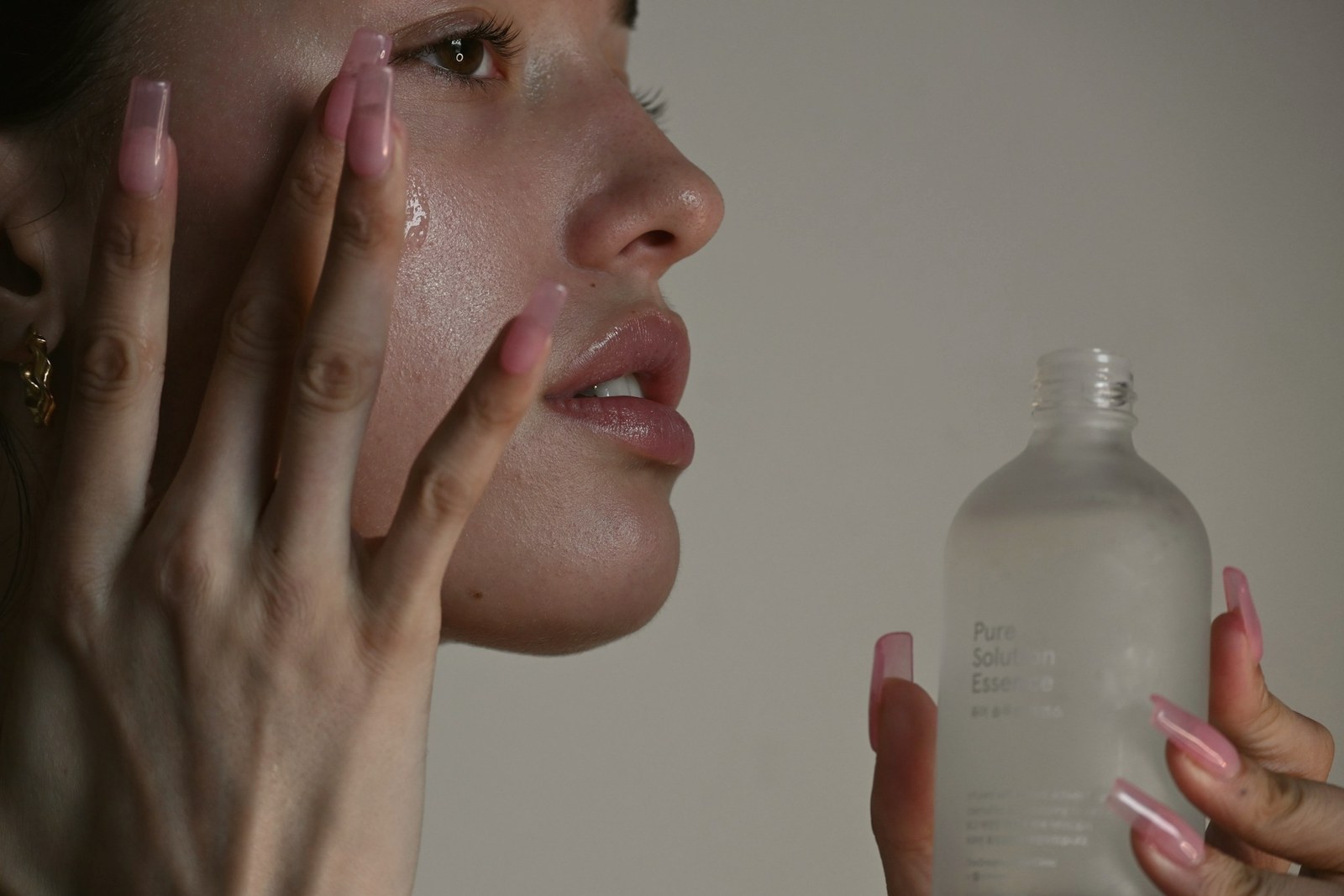
Build around one retinoid at night. A retinoid is the single most evidence backed anti aging ingredient there is. It speeds turnover and supports collagen. The catch is that most people start too strong, too fast, and quit when their skin gets irritated. We usually start clients on a gentler retinaldehyde and build up slowly. If you want the full breakdown, we wrote a guide to retinaldehyde here.
Vitamin C and a real SPF in the morning. A vitamin C antioxidant in the morning protects against the daily damage that ages skin, and an actual sunscreen locks it in. We reach for SkinCeuticals for both. There is no point spending on a retinoid at night if you are undoing it with unprotected sun every day. Our full case for vitamin C is here.
Protect the barrier above everything. The single biggest mistake we see in 30s skin is barrier damage from over treating. People panic about early lines, stack a retinoid, an acid, a vitamin C, and a new acne wash all at once, and end up red, flaky, and breaking out worse than when they started. A healthy barrier is what lets every active actually work. If yours is already compromised, start here before you add anything.
What your routine should not do is chase every trend on your feed. More actives does not mean faster results. The person using three things properly outperforms the one using ten every time.
The aging and acne problem, and how we handle it
The hardest case in your 30s is the person fighting fine lines and hormonal breakouts at the same time. The instinct is to treat them as two separate problems with two separate aggressive routines, and that is exactly what destroys the barrier.
In clinic we take the pressure off the routine and put some of the work on a device. For inflamed, hormonal type breakouts we use Aerolase Neo, a 1064nm laser that calms acne and redness without stripping the skin. It is gentle enough that it is safe on every skin tone, which matters because a lot of lasers are risky on deeper skin and people get turned away. That lets us keep your at home routine simple and barrier friendly while the laser does the heavy lifting on the breakouts. The full picture is in our Aerolase for acne guide.
Where in clinic treatments actually fit in your 30s
You do not need any of this to have good skin. But if you want to get ahead of the structural changes rather than chase them later, your 30s are the best decade to get ahead of it. Here is the honest version of what does what.
Preventative Botox, used lightly. Small, conservative doses in the muscles that crease most, usually forehead and between the brows, slow those lines from etching in permanently. The phrase baby Botox just means a light dose mapped to your face, not a frozen one. Our Botox is ten dollars a unit, always, with no tiers or hidden fees. If you are weighing whether it is too early, read our take on starting early.
Collagen stimulating treatments. This is the part that pays off most in your 30s, because you are building on collagen you still have rather than rebuilding what is gone. Morpheus8 combines microneedling with radiofrequency to remodel collagen in the deeper layers, and Sculptra is an injectable biostimulator that prompts your own collagen over months. Both are about banking structure now. We explain the idea in our collagen banking guide, and the Morpheus8 guide covers that treatment in depth.
Microneedling and medical facials. SkinPen microneedling improves texture, early lines, and acne scars by triggering controlled repair. A Hydrabrasion facial keeps things clear and glowing between the bigger treatments. These are the maintenance layer, not the foundation.
What we will not do is sell you all of it at once. A good plan in your 30s usually starts with one treatment and your home routine, then adds only if your skin and your goals call for it.
Who this matters most for, and who should see a doctor first
If you have noticed your skin changing, your old routine stalling, or breakouts that will not quit, this decade shift applies to you. If your breakouts are severe, cystic, or clearly tied to a bigger hormonal pattern like sudden weight changes or irregular cycles, that is a conversation for a dermatologist or your doctor before a clinic, because the root cause may be medical rather than topical. We will tell you that in a consult rather than sell you a laser package you do not need.
The 2026 approach versus a few years ago
Skincare advice for your 30s has changed in a good way. A few years ago the standard answer was strong acids, aggressive peels, and stripping everything back. The current standard is barrier first, gentler actives used consistently, biostimulators instead of just filler, and lasers that are safe across every skin tone rather than only the fairest. The shift is away from beating your skin into submission and toward supporting it. That is better for results and far better for the people with deeper skin tones who used to get turned away.
Red flags when choosing a clinic in your 30s
This is the decade most people book their first real treatment, which makes it the decade most people get oversold. Watch for these.
No real skin analysis or intake. If someone wants to inject or laser you without looking closely at your skin and asking about your history, walk out.
Pressure to book today. Good skin is a long game. A one day only discount is a sales tactic, not a treatment plan.
The everything package. If the answer to every concern is a bundle of five treatments, you are being sold a package, not assessed.
A device or product they will not name. You have a right to know exactly what laser, what filler, and what brand is going near your face. Vagueness is a red flag.
Before and afters that all look identical. Real results vary by person. A gallery of suspiciously perfect, identical photos is marketing, not evidence.
Frequently Asked Questions
When should I start anti aging treatments?
Your early to mid 30s is the best window because you are protecting collagen you still have rather than rebuilding what is gone. That said, the most important things, a retinoid, a vitamin C, and daily SPF, cost little and can start any time. In clinic treatments are a choice, not a requirement, and we would rather assess your skin in a free skin analysis than push you into anything early.
Is preventative Botox worth it in your 30s?
For the lines that crease most, usually the forehead and between the brows, light conservative doses can slow those lines from etching in permanently. It only makes sense if it is mapped to your face and dosed lightly. Our Botox is ten dollars a unit with no tiers or surprise fees. More detail is in our guide to starting early.
Why am I breaking out in my 30s when my skin was clear before?
Adult breakouts in this decade are usually hormonal and tend to show up along the jaw and chin. The common mistake is treating them with harsh, stripping teenage acne products, which damages the barrier and makes things worse. We calm hormonal breakouts with Aerolase Neo, a gentle laser that is safe on every skin tone, while keeping your home routine simple. If breakouts are severe or cystic, see a doctor, because the cause may be medical.
What is the single most important product to add in my 30s?
A retinoid at night, built up slowly so it does not irritate your skin. It is the most evidence backed ingredient for turnover and collagen support. Start gentle, with a retinaldehyde if you are new to it, and pair it with daily SPF so you are not undoing the work.
Can I treat aging and acne at the same time without wrecking my skin?
Yes, but not by stacking aggressive products for both. Pick one active to build around, protect the barrier, and let an in clinic treatment like Aerolase Neo take some of the load off your routine. Over treating is the fastest way to make both problems worse.
Do collagen treatments actually work, or is it hype?
They work, with realistic expectations. Radiofrequency microneedling like Morpheus8 remodels collagen in the deeper layers, and biostimulators like Sculptra prompt your own collagen over several months. Neither is instant and neither is magic, but starting in your 30s means you are building on a stronger base. We explain the strategy in our collagen banking guide.
How much should I be spending on skincare in my 30s?
Less than the internet tells you. Three things used properly, a retinoid, a vitamin C, and an SPF, cover most of the work. Spend on those, not on a ten step routine. Treatments are separate and optional, and a good clinic will give you a plan that fits your goals rather than the maximum you will pay.
Do I really need SPF every day, even indoors and in winter?
Yes. UV is the biggest driver of the pigment and lines that surface in your 30s, and it comes through windows and clouds. Daily SPF is the highest return habit in skincare, full stop. It protects everything else you are doing.
How is Bar Beauty different from a med spa chain?
We assess before we treat, we name every device and product we use, and we will tell you when you do not need something. Our Botox pricing is flat at ten dollars a unit with no tiers, and the skin analysis consult is free. The goal is a result that looks like you, not a package.
How do I book a consult?
You can book a free skin analysis online. We will look at your skin, talk through what is actually changing, and build a plan that fits your decade and your goals, with no pressure to commit to anything that day.
Booking your skin analysis at Bar Beauty
If your 30s skin is not behaving the way it used to, the fastest way forward is to find out what is actually going on rather than guess at products. Book a free skin analysis and we will give you the honest version, including what to do at home and where, if anywhere, a treatment makes sense.
More from the journal
How to protect and strengthen your skin barrier
Collagen banking: build your skin’s reserve now
Preventative Botox: why people start early
Aerolase for acne and hormonal breakouts
Ready to look into it properly?
Our consultation is free. We will look at your skin, give you an honest recommendation, and say so if a different treatment would suit you better.
Or call 416 923 1200 · 46 Fort York Blvd, CityPlace, Toronto
Questions about this treatment?
Ask us anything before you book. Consultations are free, and we will tell you honestly if a treatment is not right for you.