



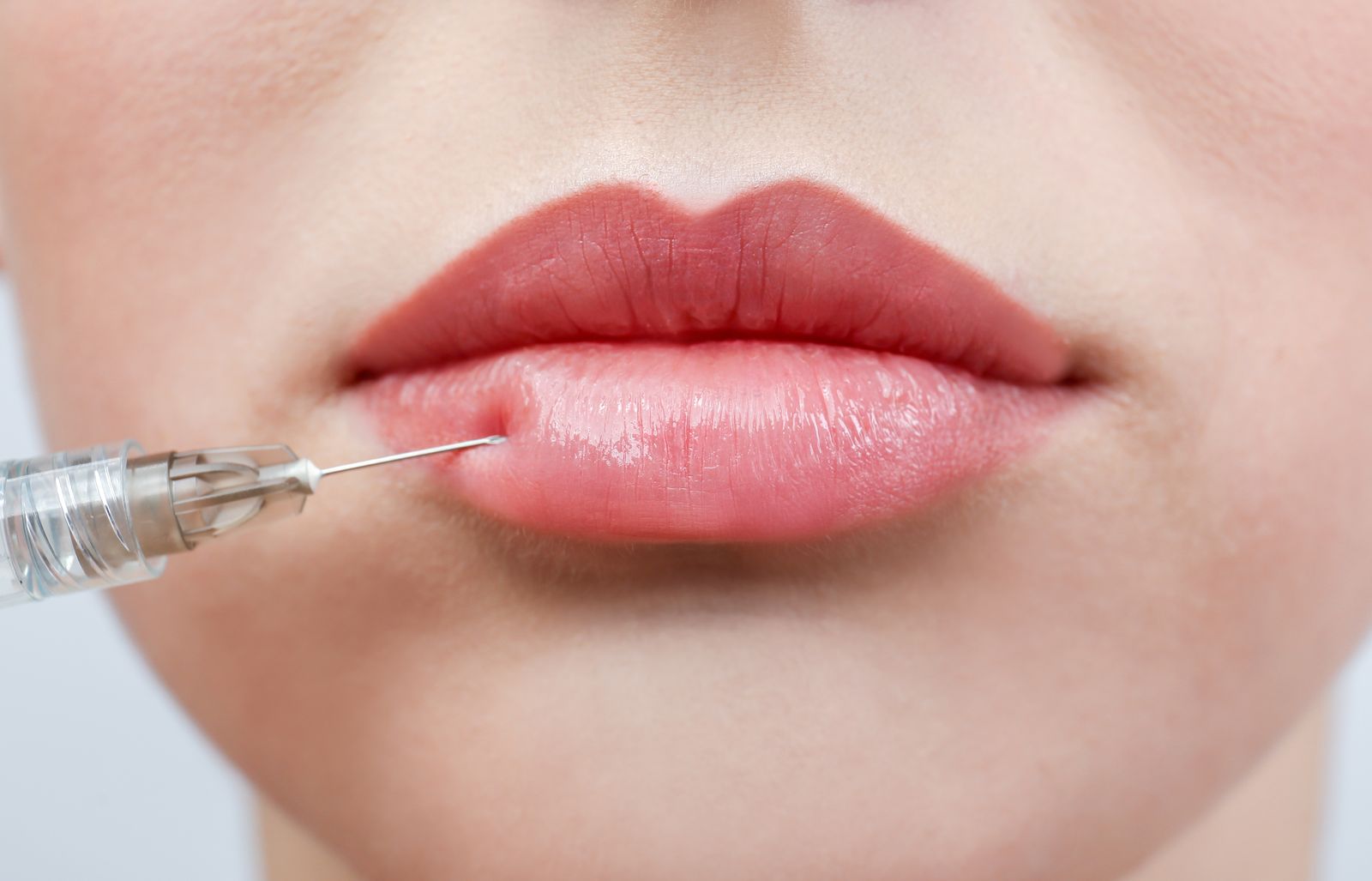
In short: The first 24 hours decide how your lip filler heals. Keep your hands off, sleep elevated on your back, no makeup or hot drinks, and skip the gym for 48 hours. Most swelling drops by day 3, final shape settles around week two.
Follow these for two weeks and your filler will integrate perfectly. Skip them and you're asking for migration, swelling, or worse.
1. No exercise for 24 hours
Cardio elevates blood pressure and pushes blood to the face, which means more swelling and more bruising. Skip the gym, the run, the Pilates class for the day after your appointment.
2. No alcohol for 24 hours
Alcohol thins the blood and prolongs bruising. You’ll forgive yourself the abstinence when you see the result.
3. Ice in 15-minute intervals for the first 24 hours
15 minutes on, 15 off, repeat. Wrap ice in a soft cloth, don’t apply directly to lips. This is the single biggest factor in keeping bruising and swelling minimal.
4. Sleep elevated for 2 nights
Two pillows or a wedge. Gravity is your friend: fluid drains away from the face when your head is up.
5. No facials, dental work, or massage for 14 days
Filler needs to integrate undisturbed. Aggressive manipulation in the first 2 weeks can shift filler placement and undo what we shaped. If you have a dentist appointment booked, reschedule for after the 2-week mark.
6. No flying or hot environments for 48 hours
Cabin pressure changes and saunas/steam rooms increase swelling. Skip the flight, skip the spa day, for two days.
7. Hydrate aggressively
HA filler binds water, so well-hydrated patients see better integration and longer-lasting results. 2 to 3 litres of water per day for the first two weeks is the move.
What if I have an issue?
Call us. We see our patients back at the 2-week mark for a free assessment, and we’re available between visits if anything looks off. Contact info here.
Book your free consultation
Speak with a licensed Bar Beauty injector or laser tech. We’ll review your goals, walk through options, and give you a clear plan with zero pressure.
46 Fort York Blvd, Toronto · 416-923-1200 · Open 7 days
Written by the Bar Beauty Medical clinical team. We’re a medical aesthetics clinic at 46 Fort York Blvd, Toronto. All treatments are performed by licensed nurses, doctors, or laser technicians. Information here is general; for advice specific to your skin and goals, book a free consultation.
Lip filler aftercare FAQ
How long does lip filler swelling last?
Most visible swelling fades within 3 to 5 days. Some clients see residual puffiness for up to 2 weeks. Final shape settles around day 14.
Can I drink alcohol after lip filler?
Skip alcohol for at least 24 hours, because it thins blood and amplifies bruising.
When can I work out after lip filler?
Wait 48 hours before any strenuous exercise. Elevated heart rate increases swelling and bruise risk.
Can I sleep on my side after lip filler?
Sleep on your back with your head slightly elevated for the first 2 nights. Side or face-down pressure can shift product before it integrates.
When can I wear lipstick after lip filler?
Avoid lipstick, lip liner, and lip balm for 24 hours to keep the injection sites clean. After that, you’re free to wear whatever you like.
Related lip filler resources: Lip Fillers (Overview) · Russian Lip technique · Lip Flip (Botox) · Day-by-day aftercare and swelling timeline
Booking lip filler in Toronto? Bar Beauty Medical does free consults at CityPlace Fort York. Our nurse injectors walk you through every step, from prep to aftercare. Book online or call 416-923-1200.
What lip filler aftercare actually does and what it does not
Aftercare is risk reduction, not a magic ritual. The first 72 hours after hyaluronic acid lip filler are the highest-risk window for bruising, swelling, infection, and product displacement. Each of the seven rules above maps to a specific physiological reason. They are not arbitrary clinic policies; they are evidence-based reductions of avoidable adverse outcomes. What aftercare cannot do is correct bad placement, wrong product selection, or an inadequate dose. Those are clinical issues that require a follow-up review with your injector, not more ice.
The science behind each of the seven rules
Ice intermittently for the first 24 hours
Cold causes vasoconstriction, reducing inflammatory mediator release and dampening the local capillary leak that drives bruising and swelling. The optimal cadence is 10 minutes on with a clean cloth-wrapped ice pack, 20 minutes off. Direct ice on skin risks frostbite and is unnecessary.
Sleep with your head elevated
Gravity favors lymphatic drainage when the head is above the heart. Using two pillows or sleeping in a reclined position for the first one to two nights meaningfully reduces overnight swelling and the puffy morning-after appearance.
Avoid alcohol for 24 to 48 hours
Alcohol dilates blood vessels (vasodilation) and inhibits platelet aggregation (anticoagulant effect). Both extend bleeding from injection sites and worsen bruising and swelling.
Avoid heat and saunas for 48 hours
Heat causes vasodilation and increases hyaluronic acid uptake of water, both of which exaggerate swelling. Sauna, hot yoga, steam rooms, hot tubs, hot showers; all wait two days.
Avoid strenuous exercise for 24 to 48 hours
Increased cardiac output and venous pressure during exercise extends bleeding from injection sites. Light walking is fine; intense workouts wait.
Avoid NSAIDs and blood thinners
Ibuprofen, naproxen, aspirin (unless prescribed), and fish oil all impair platelet function. Tylenol (acetaminophen) is fine for discomfort.
Avoid pressure on the lips
No straws, no aggressive kissing, no dental work, no resting your face on your hand for 72 hours. Hyaluronic acid gel integrates with surrounding tissue over approximately 14 days; mechanical pressure in the first 72 hours can displace it.
The 14-day integration window
Hyaluronic acid filler is not glued in place; it is suspended in the tissue and integrates with surrounding collagen and connective tissue over approximately 14 days. The first 72 hours are highest risk for displacement from pressure or heat. Days 3 to 14 are lower risk but still meaningful for aggressive interventions like deep tissue massage or dental work. After 14 days, the gel is integrated, the swelling has resolved, and the result is what the result is. This is why your two-week review is the right time to judge the outcome rather than at day 3 when you may still be puffy and discoloured.
What changed in 2025 to 2026
Three changes are notable. First, newer HA fillers like Stylage and Juvéderm Volbella swell less than older, firmer gels, with most visible swelling resolving by day 4 instead of day 7. Second, microcannula technique using a 25-gauge blunt cannula for lip body injection has become standard at top-tier clinics, reducing bruising rates significantly versus sharp-needle-only protocols. Third, oral tranexamic acid taken pre-procedure (under physician guidance) has gained evidence as an adjunct to reduce bruising in highly bruise-prone patients, though this remains an off-label consideration discussed case by case.
Red flags after lip filler: call your injector if you see these
- Severe, sudden, disproportionate pain hours after treatment
- White, purple, or mottled skin discoloration around the injection site (signs of vascular occlusion)
- Lips that feel cold, numb, or look blanched
- Vision changes (extremely rare but a true emergency)
- Spreading warmth, redness, or fever (possible infection)
- Hard nodules that persist past 14 days
- Swelling that worsens after 72 hours instead of improving
Bar Beauty Medical gives every patient a direct line to the on-call RN. We keep hyaluronidase on-site and can dissolve filler within 30 minutes if a true vascular event is happening. This is the difference between a near-miss and a permanent scar.
The hidden costs of lip filler aftercare
Beyond the treatment itself, plan for a few small extras so nothing catches you off guard:
- A quality lip SPF balm (Coola Liplux, La Roche-Posay, or Supergoop Play)
- Arnica gel or oral tablets to support bruising
- Acetaminophen (Tylenol) for any tenderness
- One or two work-from-home days if you bruise easily
- A peach colour-corrector for bruise cover-up
- A complimentary two-week review at Bar Beauty Medical (many clinics charge for this)
If you ever need filler dissolved or a touch-up, current fees are on our price list.
Paying for lip filler in Toronto
Lip filler is a cosmetic procedure. It is not HSA-eligible (Sun Life, Manulife, Canada Life, and Green Shield personal HSAs do not reimburse cosmetic treatments), it is not a CRA medical expense, and it is not OHIP-covered. Bar Beauty Medical does offer Affirm financing for larger plans, with an online application and a quick decision.
Affirm financing
For larger treatment plans, Affirm financing is available so you can split the cost into monthly payments. You can review your options at consultation; checking your rate does not affect your treatment plan.
Frequently asked questions about lip filler aftercare
Can I drink water through a straw?
Avoid straws for 24 hours. The pursing motion creates pressure that can affect placement.
When can I exercise?
Light walking same day. No strenuous exercise for 24 to 48 hours.
When can I drink alcohol?
Wait 24 to 48 hours minimum. Some injectors recommend 72 hours.
What about sleeping on my face?
Sleep on your back for the first two nights. Side sleeping after that.
When can I get a facial?
Wait 2 weeks before any facial that involves lower face massage, extractions, or microcurrent.
Can I take Tylenol?
Yes. Acetaminophen does not affect platelet function. Avoid ibuprofen, naproxen, and aspirin.
Will my lips be lumpy at first?
Mild internal lumps that you can feel with your tongue are normal for 1 to 2 weeks. Visible lumps past 2 weeks need a clinical review.
Can I get dental work?
Avoid all dental work, including cleanings, for 2 weeks after lip filler.
Can I fly?
Wait 48 hours minimum for short flights, one week for long-haul flights over 5 hours.
What about kissing?
Light kissing fine after 24 hours. Deep kissing wait 72 hours.
When can I wear lipstick?
Wait 24 hours. Use a fresh tube; old lipstick carries bacteria.
Will my filler look bigger than expected?
For the first 48 to 72 hours yes, due to swelling. The result settles to your final size by day 14.
The science behind each aftercare rule
Each of the seven rules above maps to a specific physiological reason. Ice constricts blood vessels and reduces inflammatory mediator release, which limits bruising and swelling. Head elevation uses gravity to favor lymphatic drainage during the high-edema first 12 hours. Avoiding heat prevents vasodilation that would extend swelling. Avoiding alcohol prevents both vasodilation and inhibition of platelet aggregation that worsens bruising. Avoiding NSAIDs preserves normal platelet function. Avoiding pressure (no straws, no aggressive kissing, no dental work) prevents mechanical displacement of the gel before it integrates with surrounding tissue at approximately 14 days. Avoiding strenuous exercise prevents the cardiac-output-driven vasodilation and increased venous pressure that would extend bleeding and swelling. None of these rules are arbitrary.
The 14-day integration window
Hyaluronic acid filler is not glued in place; it is suspended in the tissue and integrates with surrounding collagen and connective tissue over approximately 14 days. The first 72 hours are highest risk for displacement from pressure or heat. Days 3 to 14 are lower risk but still meaningful. After 14 days, the gel is integrated, the swelling is resolved, and the result is what the result is. This is why your two-week review is the right time to judge the outcome.
Beyond the 7 rules: the complete lip filler aftercare playbook
Pre-treatment preparation, starting one week before
Pre-treatment preparation matters as much as post-treatment care. Five days before your appointment, stop ibuprofen, naproxen, aspirin (unless cardiology-prescribed), fish oil, vitamin E, ginkgo, garlic supplements, and turmeric supplements. These all impair platelet function and worsen bruising. Reduce alcohol for 48 hours pre-treatment. Start oral arnica montana 30C, three pellets twice daily, three days before. Hydrate aggressively for the 24 hours pre-treatment. Eat a full meal before your appointment to reduce vasovagal risk. Avoid scheduling lip filler within five days of dental work in either direction.
The day of treatment
Arrive 15 minutes early to complete intake. Bring a clean face with no makeup or lip products. Topical lidocaine 23% will be applied for 15 to 20 minutes before injection if you request it. The injection itself takes 5 to 15 minutes. You will leave with ice, a written aftercare card, and a follow-up appointment booked.
Days 1 to 3: peak risk window
This is when most adverse events occur if they are going to. Ice intermittently as needed for the first 24 hours, sleep elevated for the first two nights, hydrate, eat soft foods, no alcohol, no NSAIDs, no exercise beyond walking, no heat (sauna, hot yoga, hot showers, hot tubs), no pressure on the lips, no makeup on the lips for the first 24 hours. Mild bruising and swelling are expected and are not adverse events.
Days 4 to 7: integration phase
Most visible swelling has resolved. You can resume light exercise. Avoid deep tissue massage on the face. Resume your normal skincare routine but keep acids and retinoids off the lips for one full week. If you notice any persistent firm nodules that you can feel, document with a photo and message your injector for guidance.
Days 8 to 14: final settling
The gel completes integration with surrounding tissue. Final visual result emerges. This is the right time for your follow-up review and any touch-up adjustment if needed. Book your follow-up early in this window rather than at the end so any small adjustment can be made promptly.
Beyond day 14: maintenance and longevity
Use daily SPF lip balm with at least SPF 30. UV exposure breaks down HA filler faster. Stay hydrated. Avoid extreme dieting and rapid weight loss in the first month after treatment as significant facial fat loss can change the apparent result. Plan your next refresh based on injection longevity in your individual anatomy; most patients return at 9 to 12 months.
Building a relationship with one injector over time
Continuity of care matters in injectables. An injector who has treated you over multiple cycles develops an understanding of your anatomy, your bruising tendency, your aesthetic preferences, your tolerance for asymmetry correction. Switching injectors every cycle resets that knowledge base. Patients who stay with one injector for two or more years generally report higher satisfaction with results and fewer touch-up needs. Bar Beauty Medical maintains detailed treatment records including standardized photographs and product lot numbers for every visit, so even if your usual injector is unavailable, a colleague can review the history and continue your care consistently.
Bar Beauty Medical aftercare card: what we hand every patient
Every patient at Bar Beauty Medical leaves with a physical printed aftercare card covering the seven rules above plus contact information for our on-call RN, instructions for what to do if you suspect a complication after hours, the product brand and lot number injected, the units or millilitres injected, the date of your two-week follow-up review, and a QR code linking to a short video aftercare walkthrough on our website. We email a digital copy to your file as well. Patients who lose the card can request a duplicate by emailing the clinic or accessing their Jane portal.
The on-call RN line
After-hours concerns can be triaged via our on-call RN line which is included on the aftercare card. The line is monitored evenings and weekends. True emergencies should still go to a hospital emergency department, but for questions about expected swelling, bruising, or routine concerns, the on-call line gives you a real medical professional to talk to rather than a chatbot or a wait until Monday voicemail.
Book a lip filler consultation at Bar Beauty Medical
Bar Beauty Medical is at 46 Fort York Blvd in downtown Toronto. Our RN team performs hundreds of lip filler treatments per year under medical directive. Every patient gets a written aftercare card based on these seven rules and a complimentary 2-week review. Book online or call 416-923-1200.
Lip filler aftercare: a few more common questions
Can I brush my teeth after lip filler?
Yes, gently. Brush carefully around the lips and avoid stretching them hard for the first day. Skip aggressive rinsing or whitening strips for a couple of days.
How soon can I wear lipstick or lip gloss?
Wait 24 hours so the injection points can close, then use a fresh, clean product. Avoid old tubes that may carry bacteria.
Why do my lips feel lumpy after filler?
Small lumps you can feel with your tongue are normal in the first one to two weeks while the gel settles and integrates. If a firm lump is still visible after two weeks, book a quick review.